Vocabulary development Alphabet Worksheets for Ages 5-6
17 filtered results
-
From - To
Boost your child's language skills with our engaging Vocabulary Development Alphabet Worksheets designed for ages 5-6. These fun and educational worksheets focus on enhancing young learners' vocabulary through a range of activities that incorporate the alphabet. From tracing letters to connecting words and pictures, these worksheets offer a playful approach to learning. Perfect for reinforcing classroom learning or additional practice at home, our worksheets help children develop strong reading and writing foundations while keeping them entertained. Equip your child with the vocabulary skills they need to succeed with these expertly crafted resources.
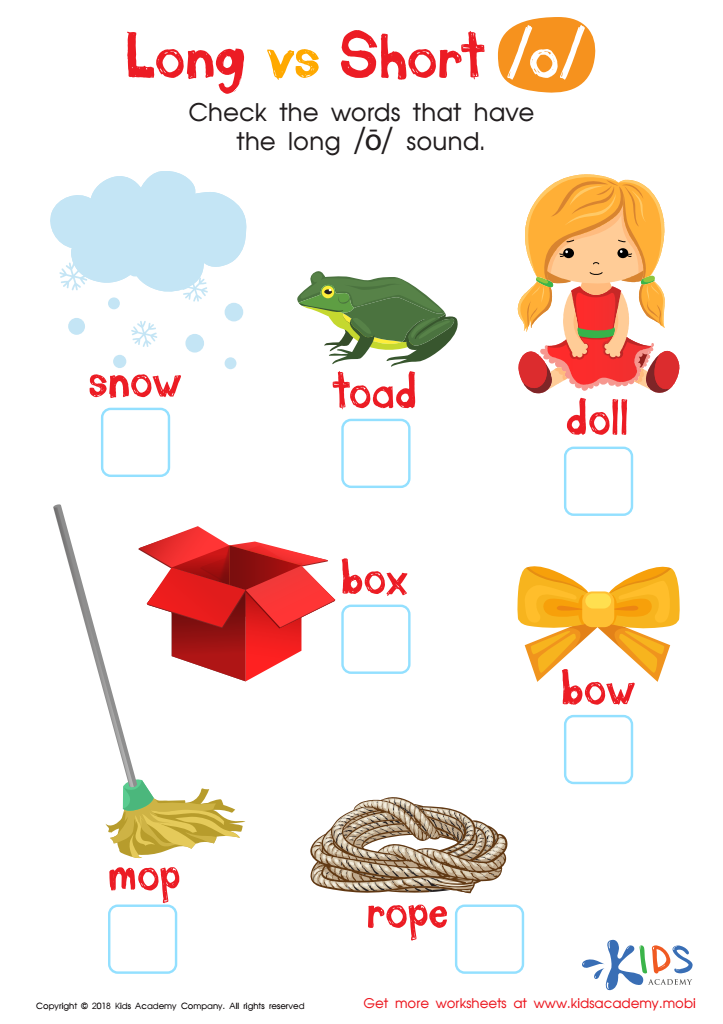
Long vs Short O Reading Worksheet
 Assign to My Students
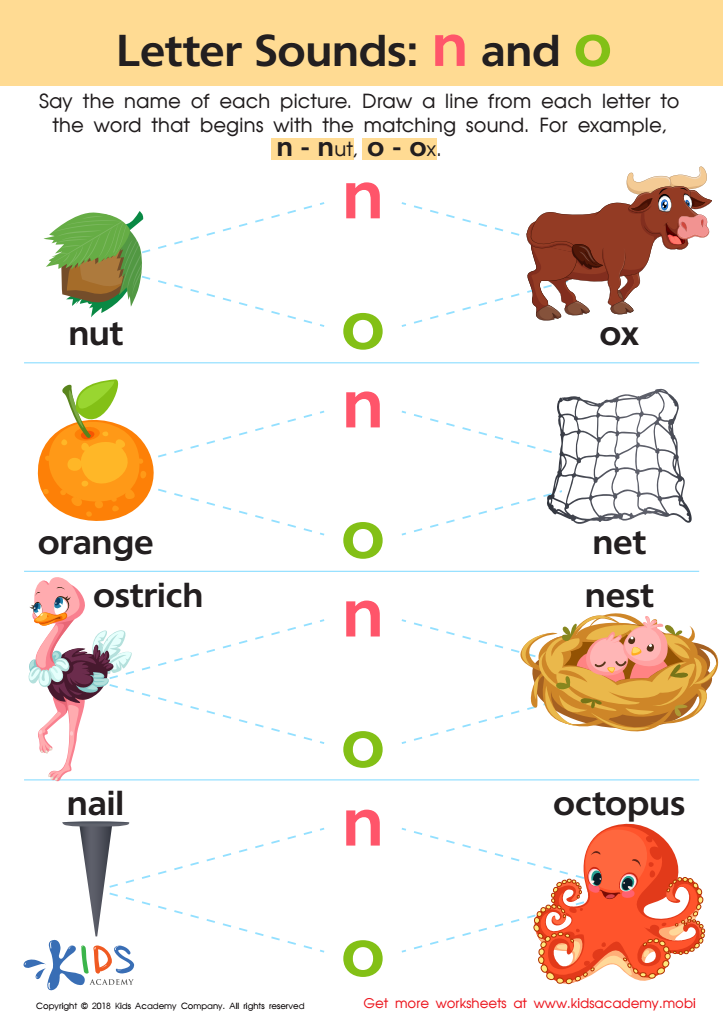
Letter N and O Sounds Worksheet
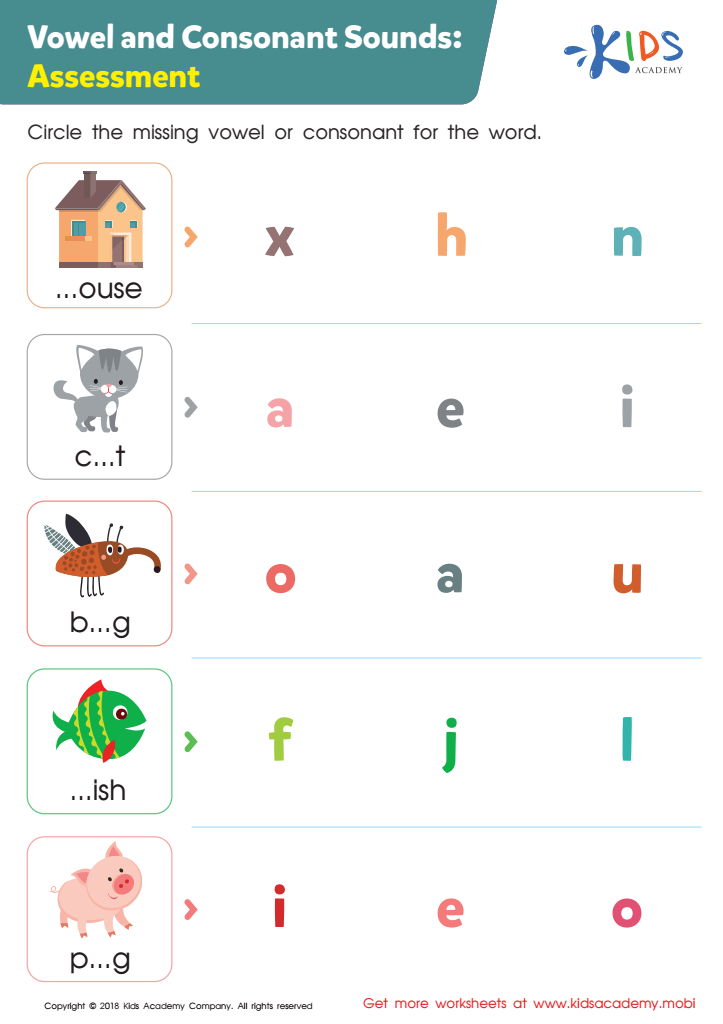
Vowel and Consonant Sounds: Assessment Worksheet
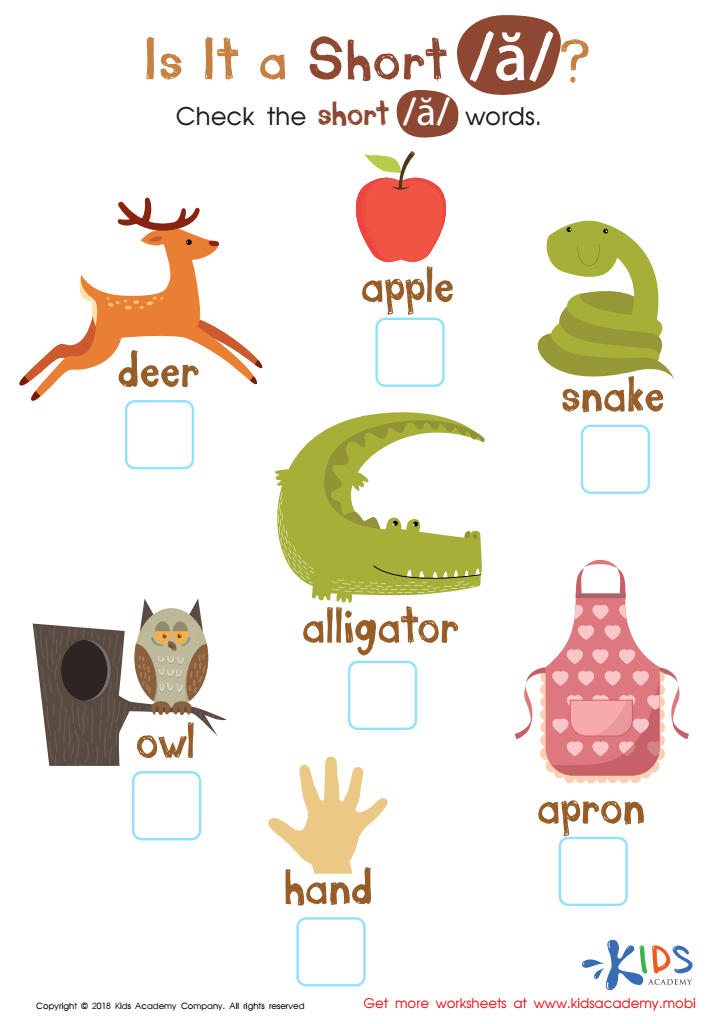
Is It Short A? Reading Worksheet
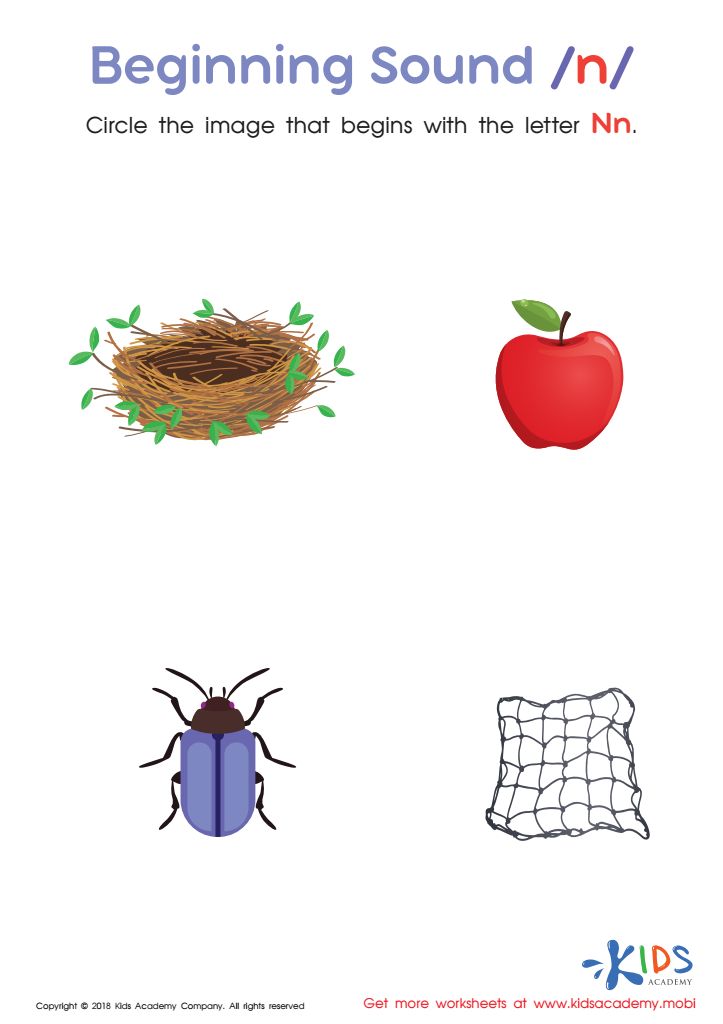
Beginning Sound «n» Worksheet
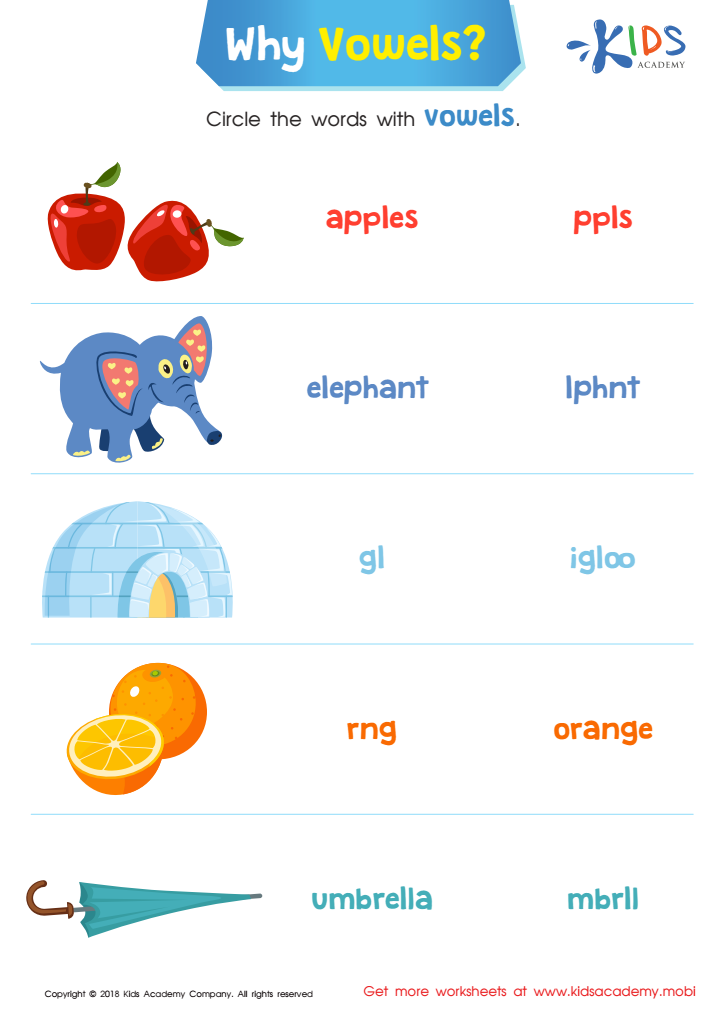
Why Vowels? Reading Worksheet
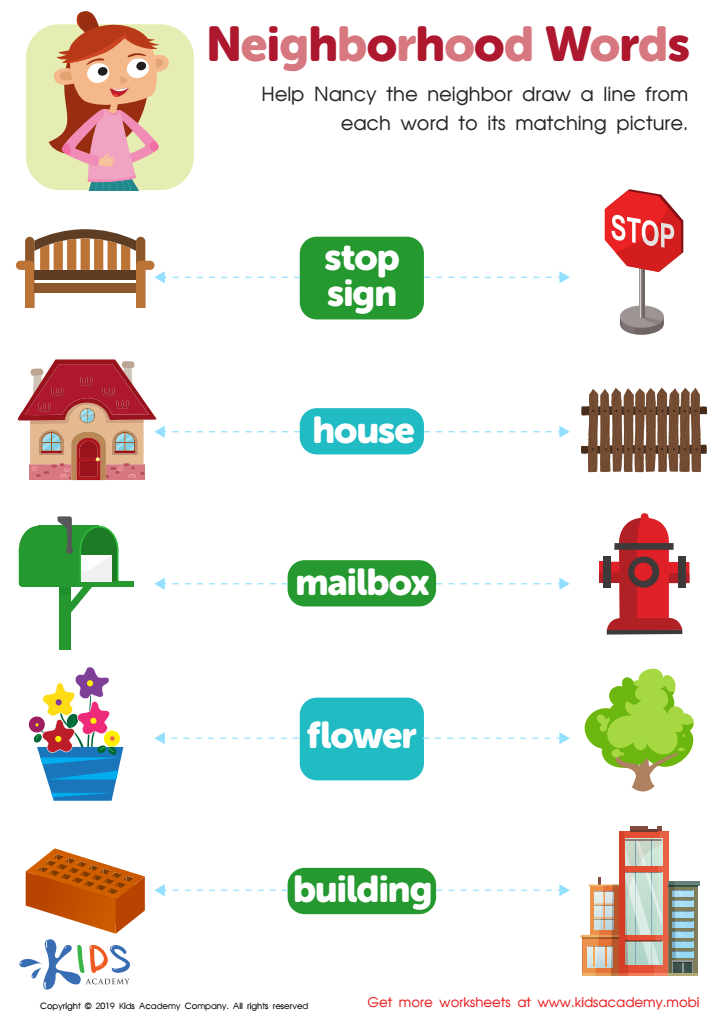
Neighborhood Words Worksheet
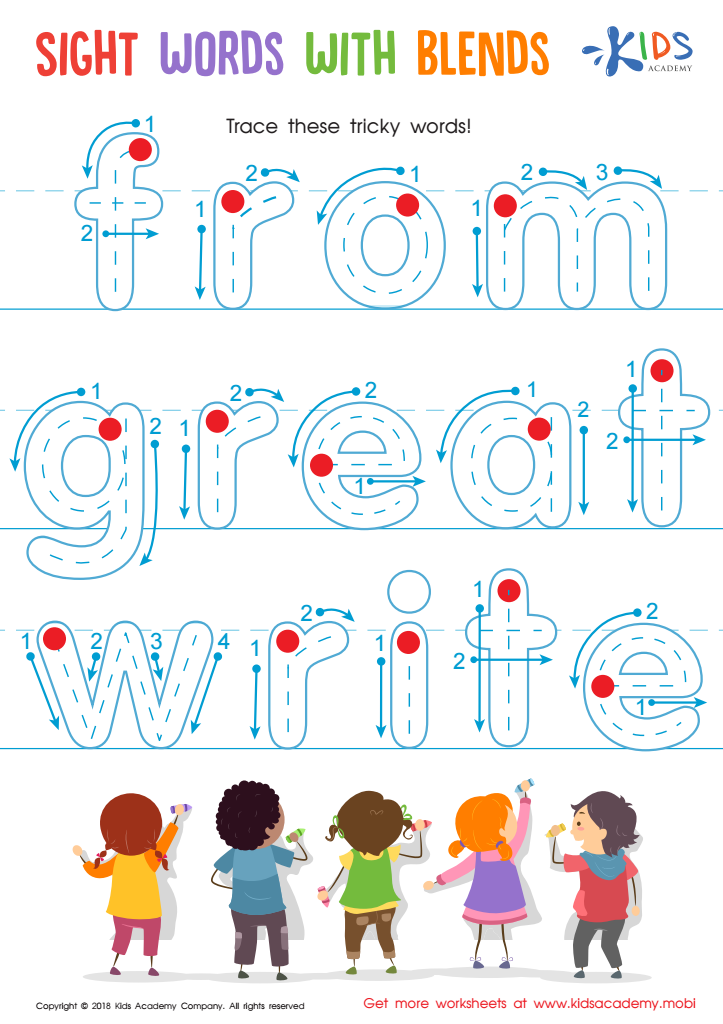
Sight Words with Blends Worksheet
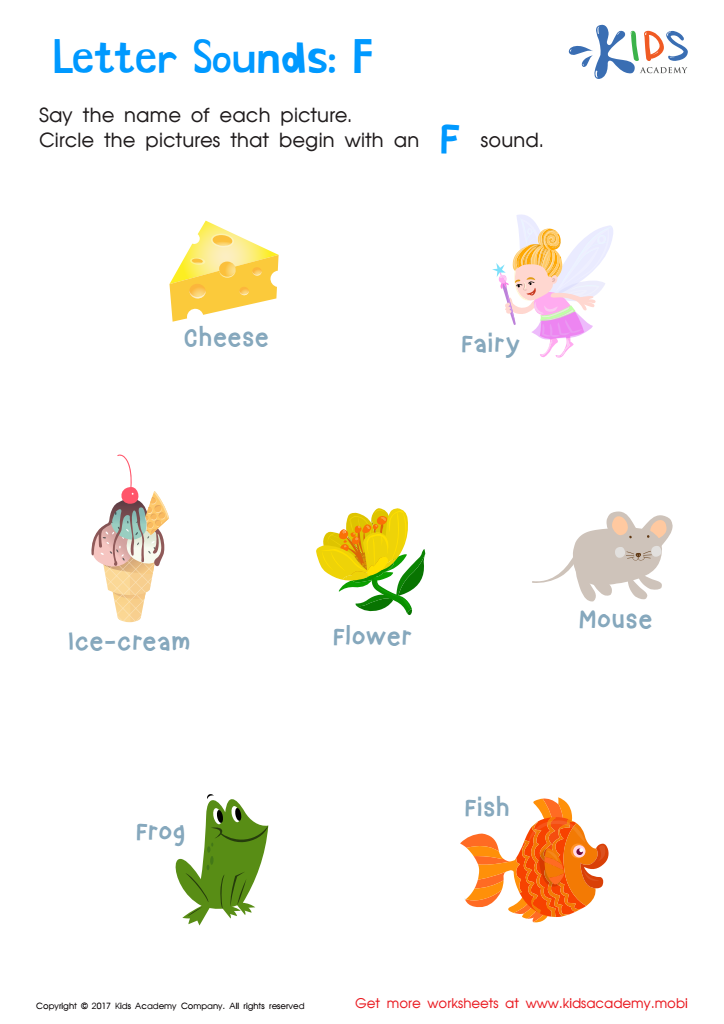
Letter F Sounds Worksheet
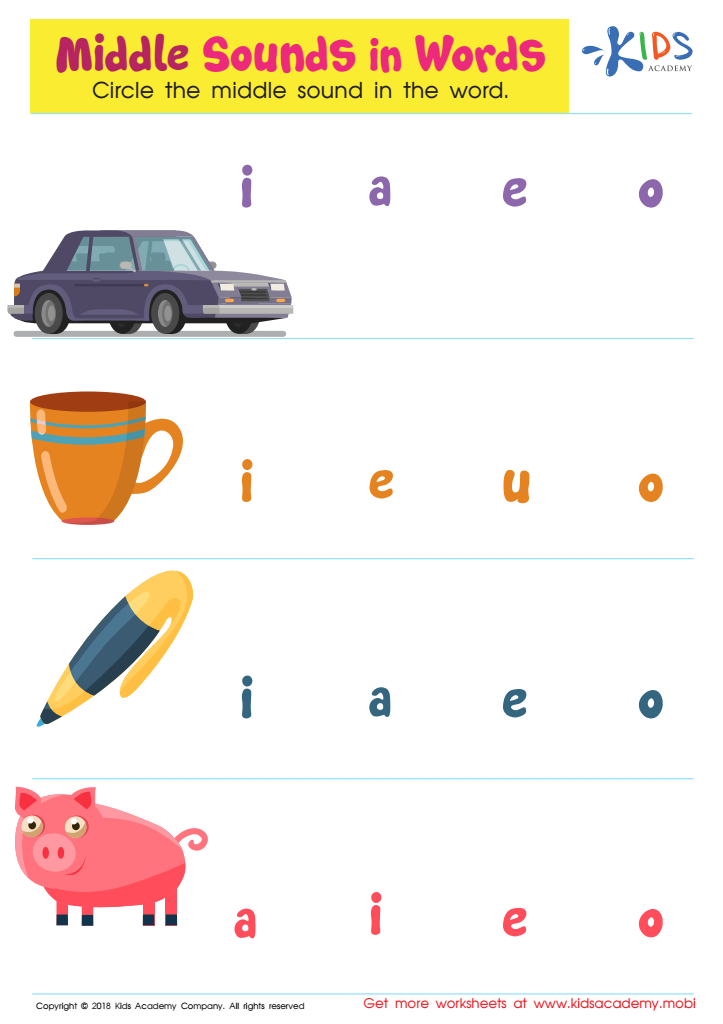
Middle Sounds in Words Worksheet
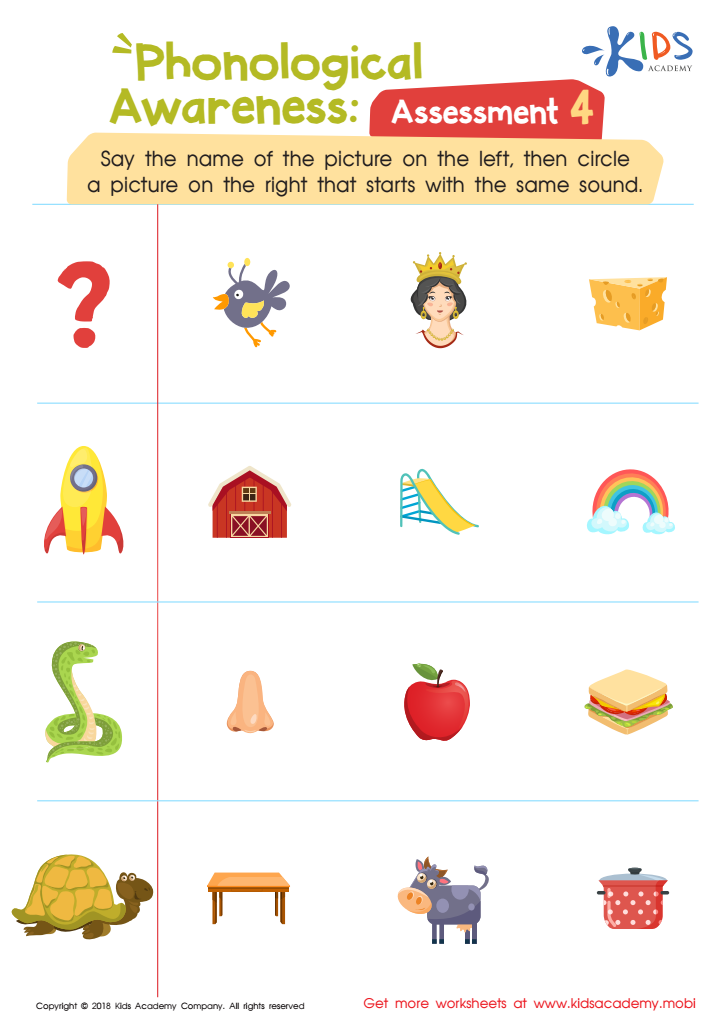
Phonological Awareness: Assessment 4 Worksheet
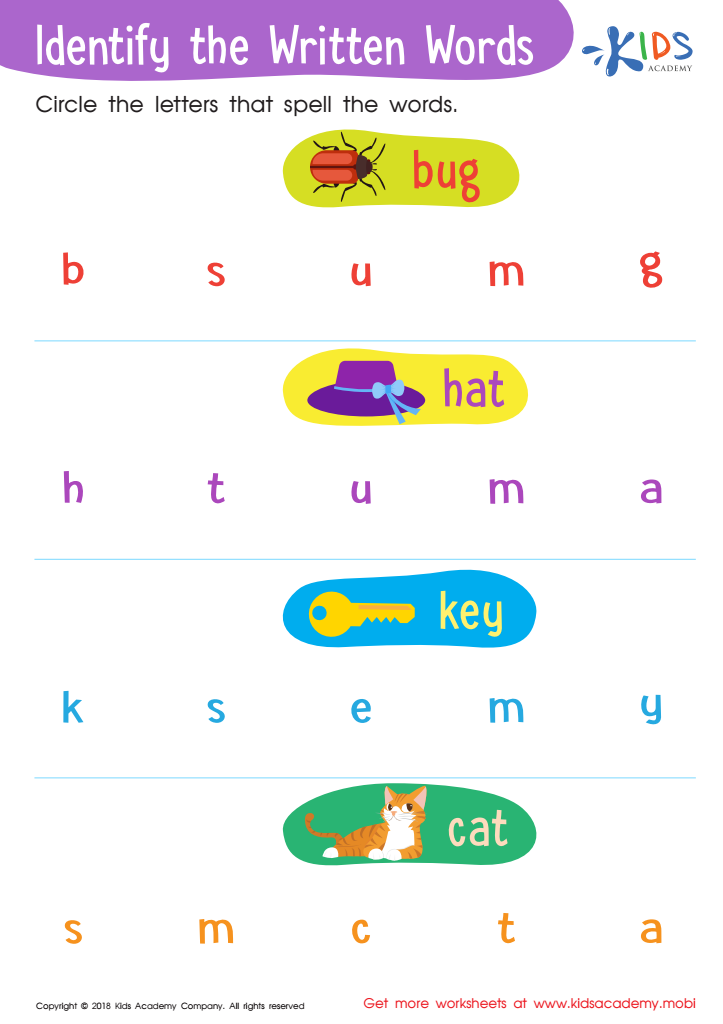
Identify the Written Words Worksheet
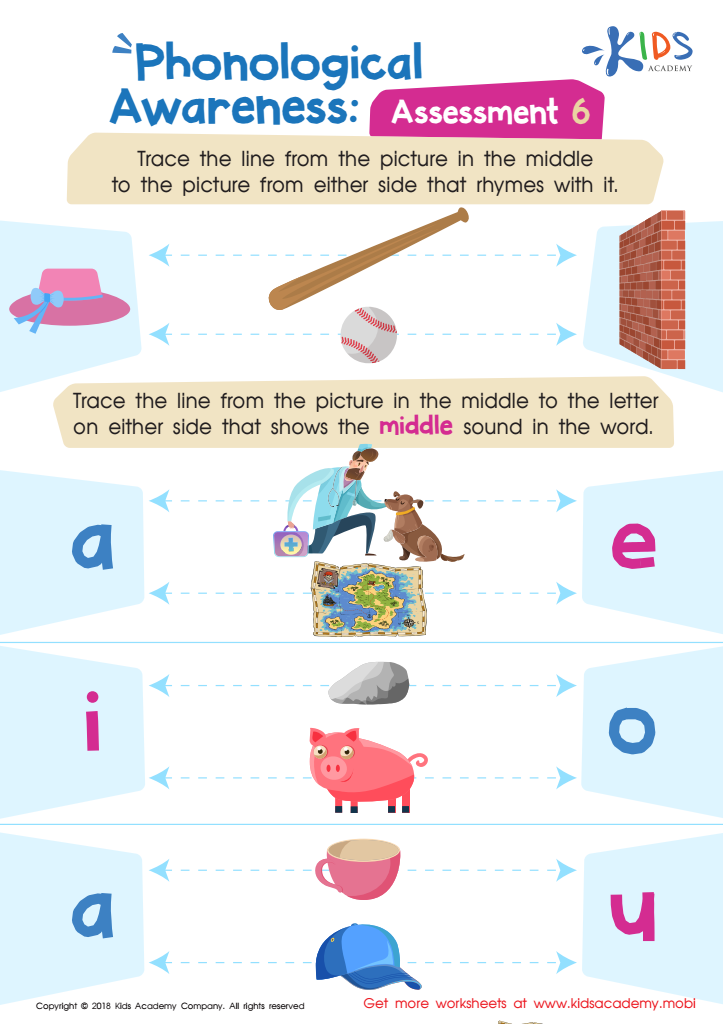
Phonological Awareness: Assessment 6 Worksheet
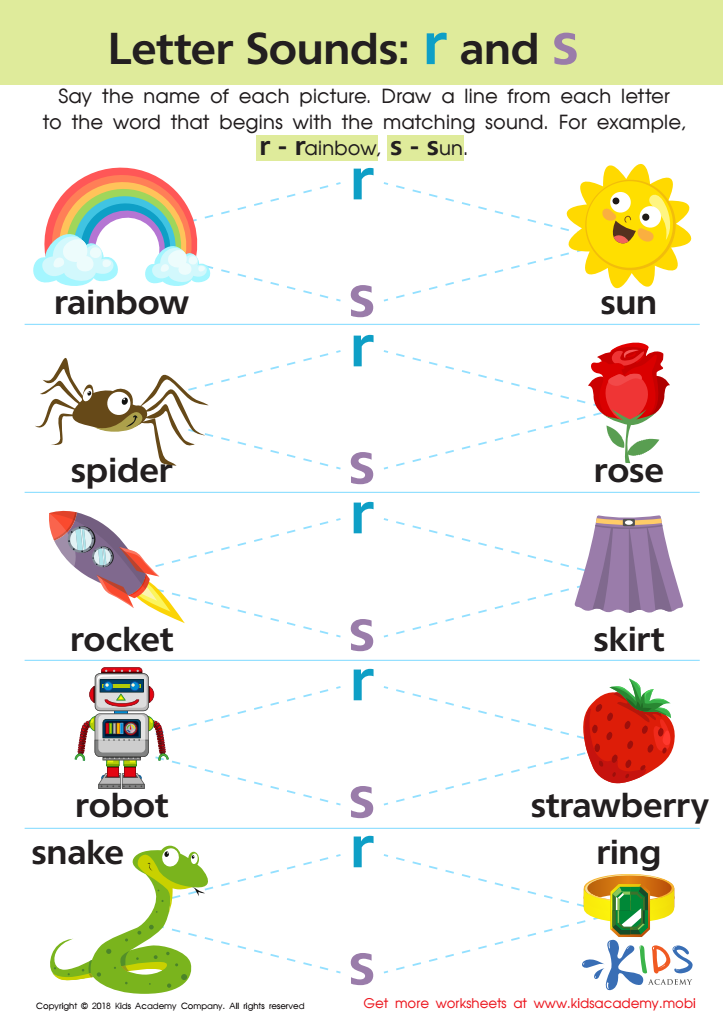
Letter R and S Sounds Worksheet
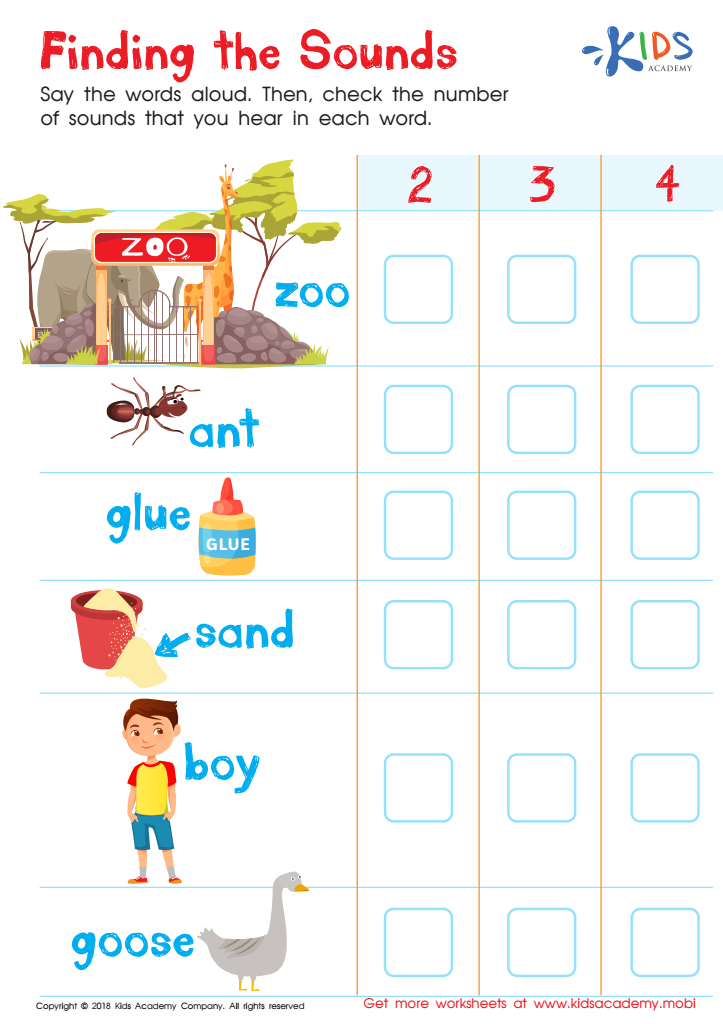
Finding the Sounds Worksheet
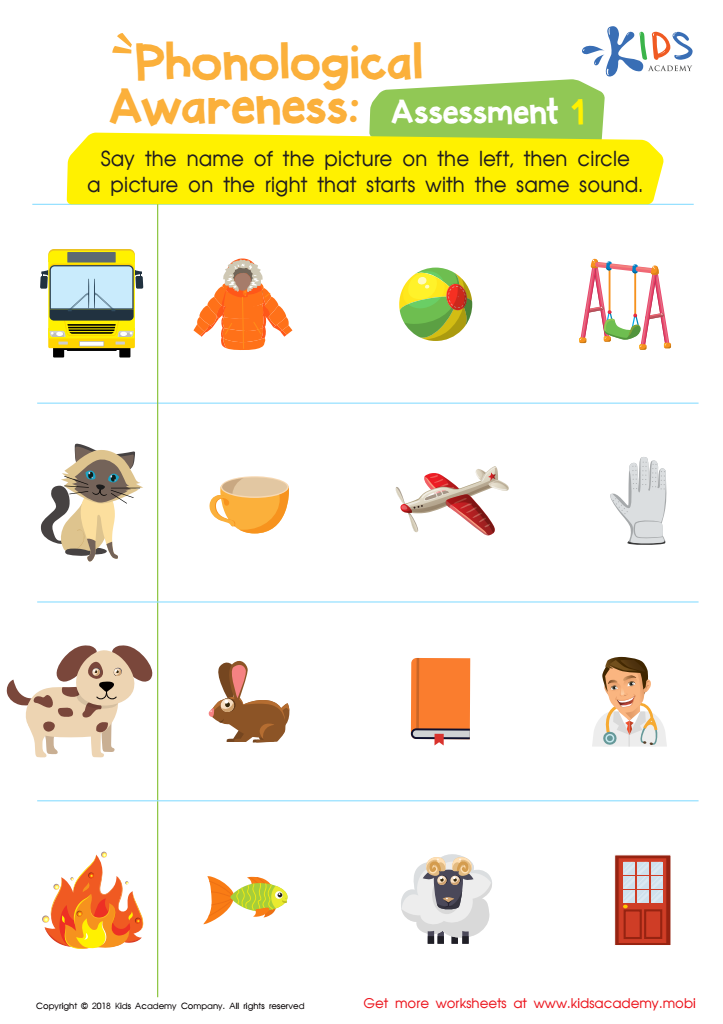
Phonological Awareness: Assessment 1 Worksheet
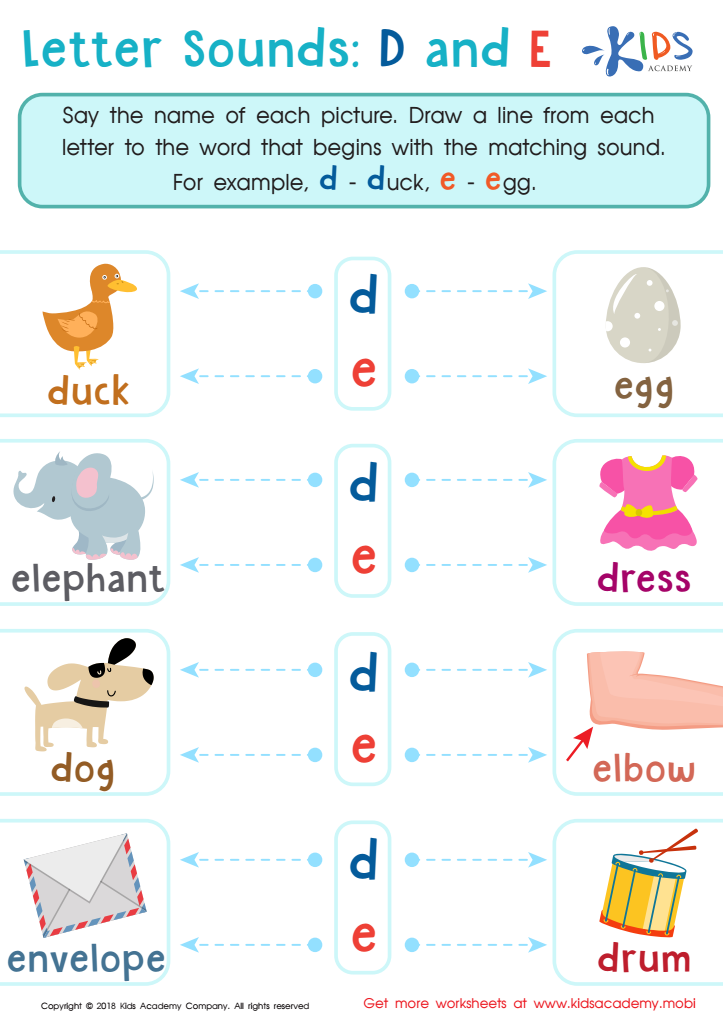
Letter D and E Sounds Worksheet



.jpg)




Vocabulary development and alphabet knowledge are fundamental building blocks for literacy, which serves as a cornerstone for a child's overall academic success. For children ages 5-6, who are often in kindergarten or first grade, gaining a strong grasp of vocabulary and the alphabet sets the stage for proficient reading and writing skills.
First, a robust vocabulary aids young learners in comprehending spoken and written language more efficiently. When children understand and use a wide range of words, they can communicate their thoughts and needs more effectively, which boosts their confidence and willingness to participate in classroom discussions and activities.
Second, knowing the alphabet provides a crucial foundation for developing phonemic awareness, the ability to hear, identify, and manipulate phonemes. This skill is directly connected to learning to read. Recognizing letters and their corresponding sounds enables children to decode new words, greatly enhancing their reading abilities.
Additionally, early competency with vocabulary and the alphabet can create a positive feedback loop: as children become more comfortable with these basics, they are more likely to enjoy reading. Early enjoyment of reading fosters a lifelong love of learning.
In sum, early vocabulary development and alphabet knowledge are essential for academic readiness and achievement, improving communication skills and setting children on a path for lifelong learning success.







