Letter recognition Tracing Letters Worksheets for Ages 5-6
26 filtered results
-
From - To
Introduce the magic of letter recognition with our Tracing Letters Worksheets, specially designed for children aged 5-6. Perfect for early learners, these printable worksheets help kids master the alphabet through engaging tracing activities. Each sheet creatively combines educational fun with essential skills practice, promoting fine motor development and letter formation. As youngsters trace each letter, they enhance their writing abilities and reinforce memorization of the alphabet. Ideal for classroom or home use, our worksheets are your child's first step toward successful reading and writing. Visit the link above to give your little learner a head start in language arts!
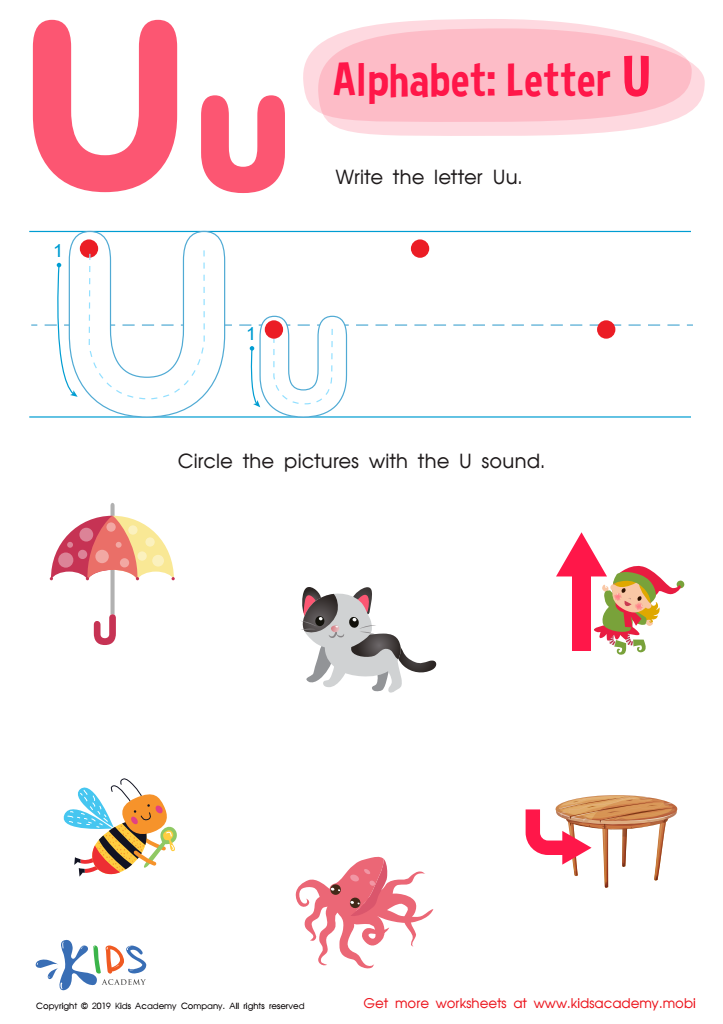
Letter U Tracing Worksheet
 Assign to My Students
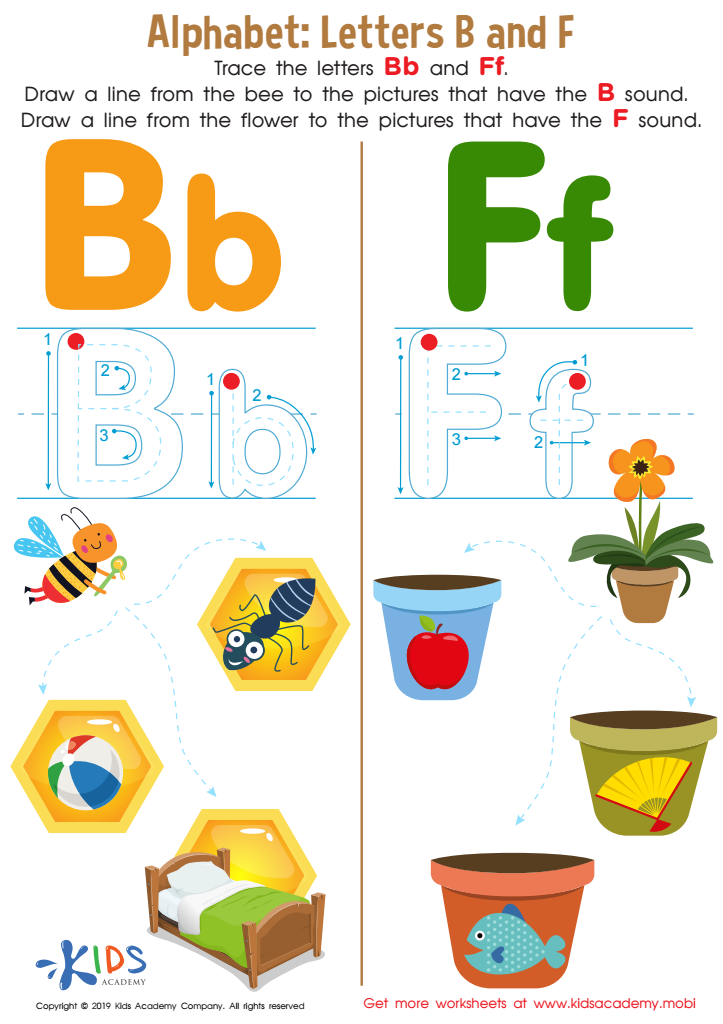
Letters B and F Tracing Worksheet
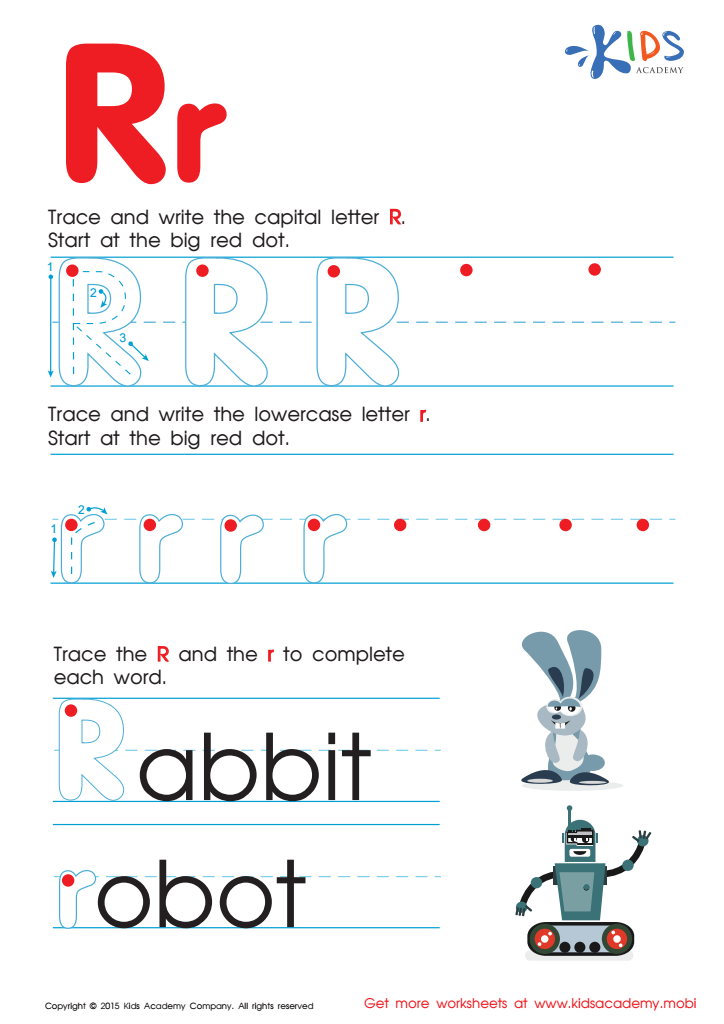
Letter R Tracing Page
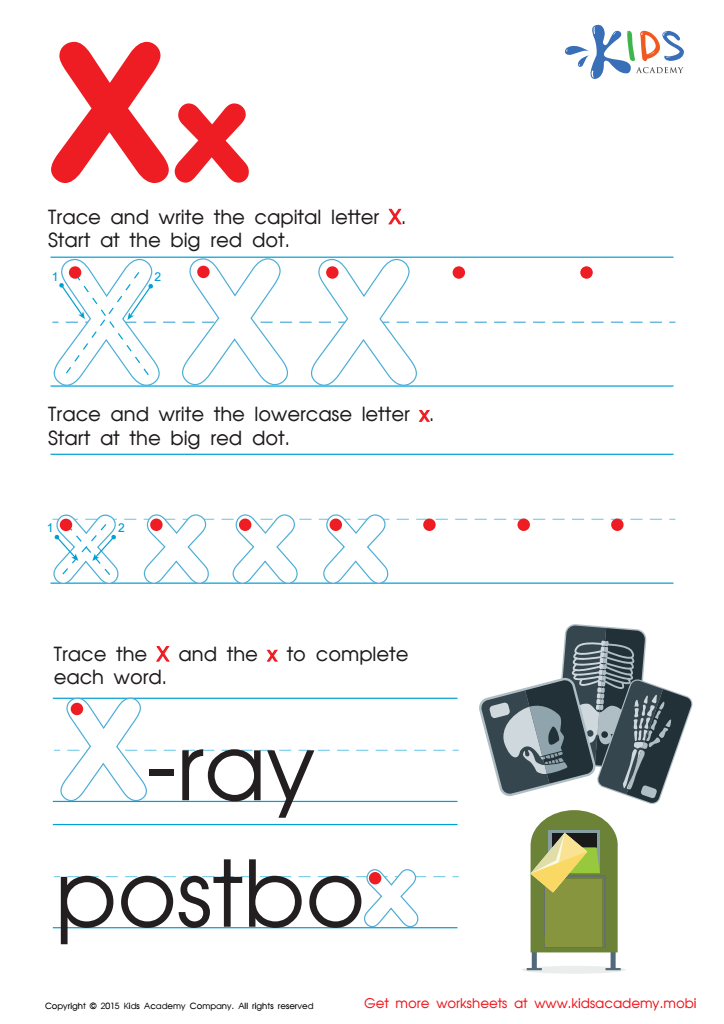
Letter X Tracing Page
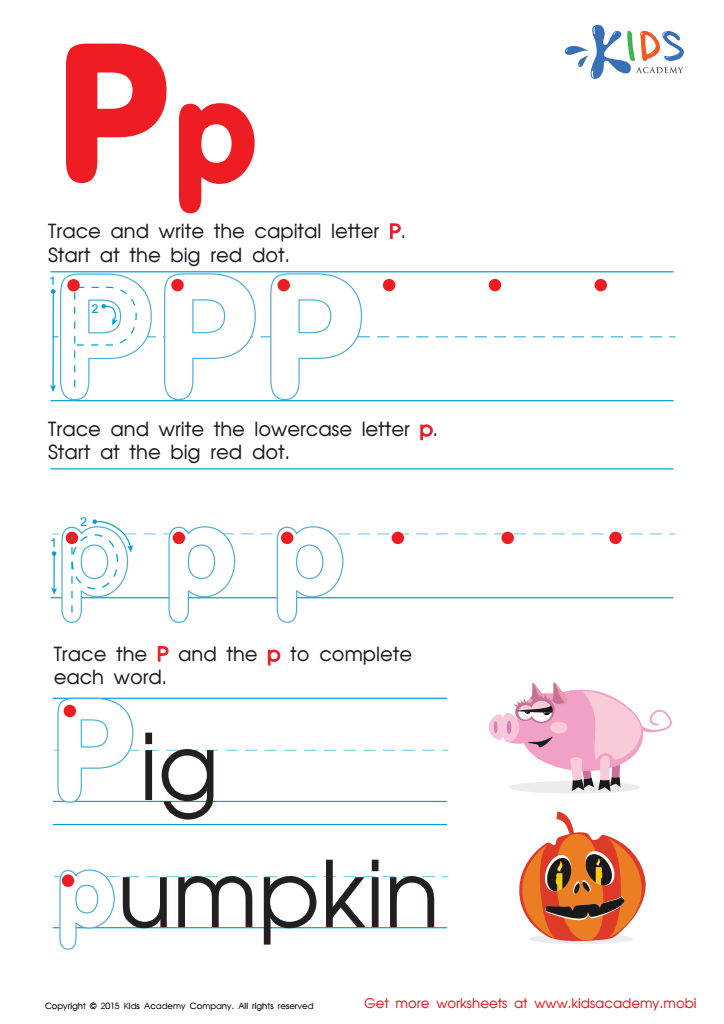
Letter P Tracing Page
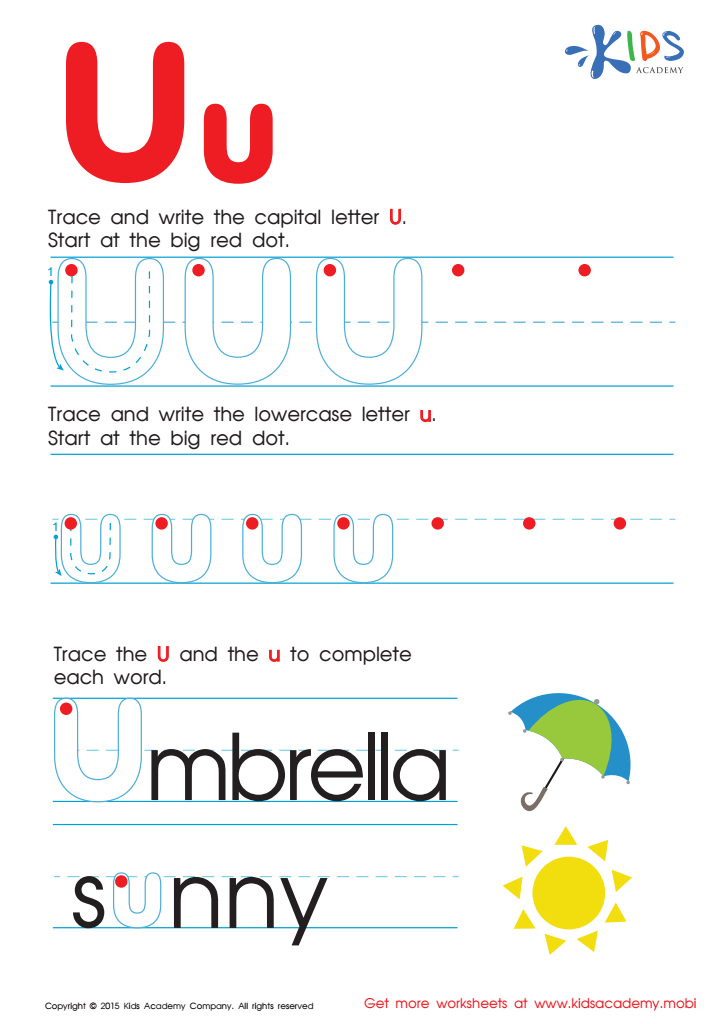
Letter U Tracing Page
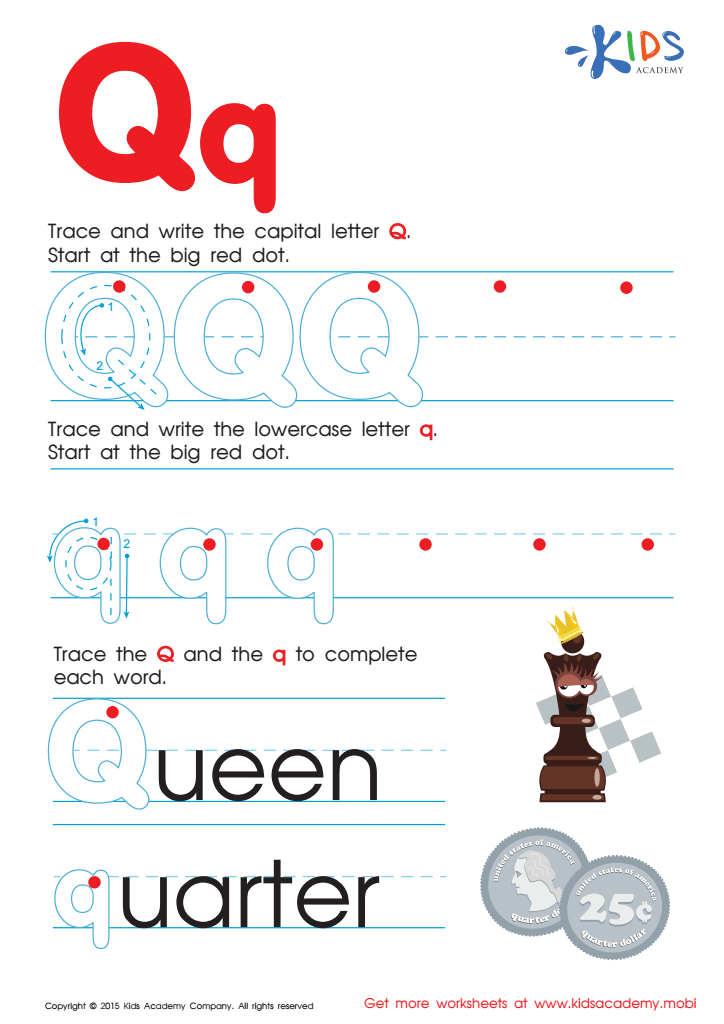
Letter Q Tracing Page
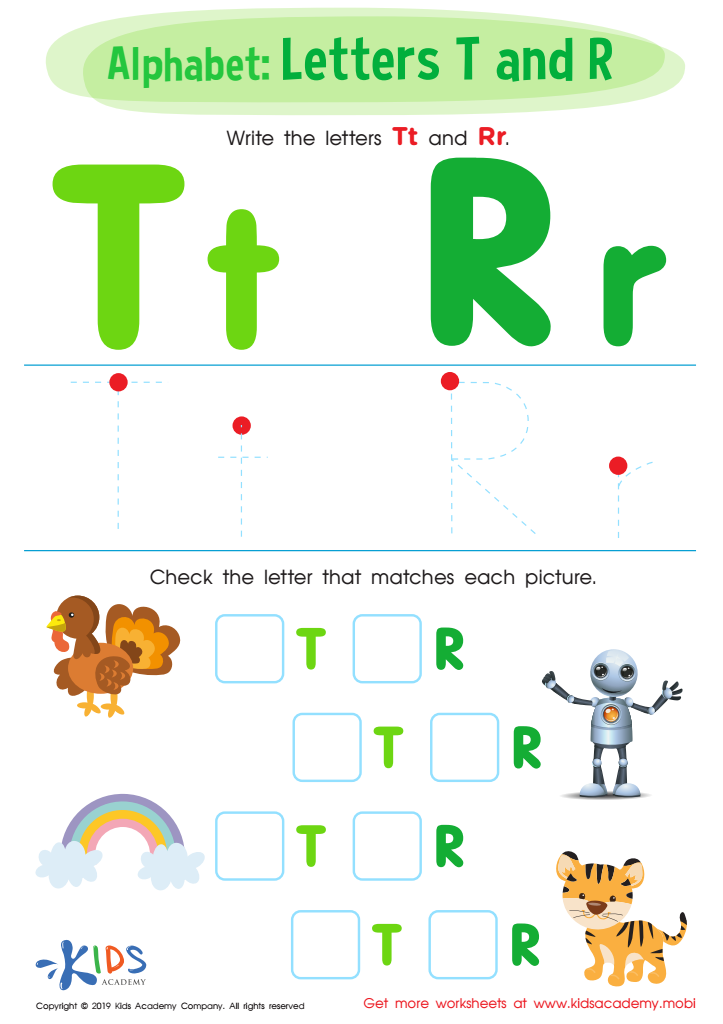
Letters T and R Worksheet
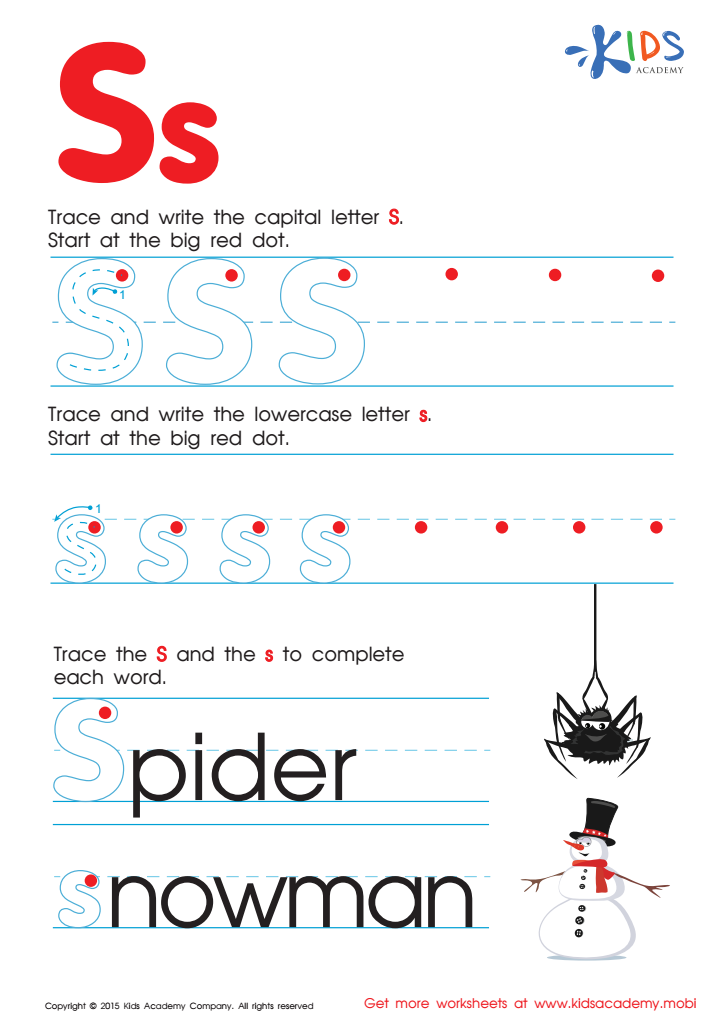
Letter S Tracing Page
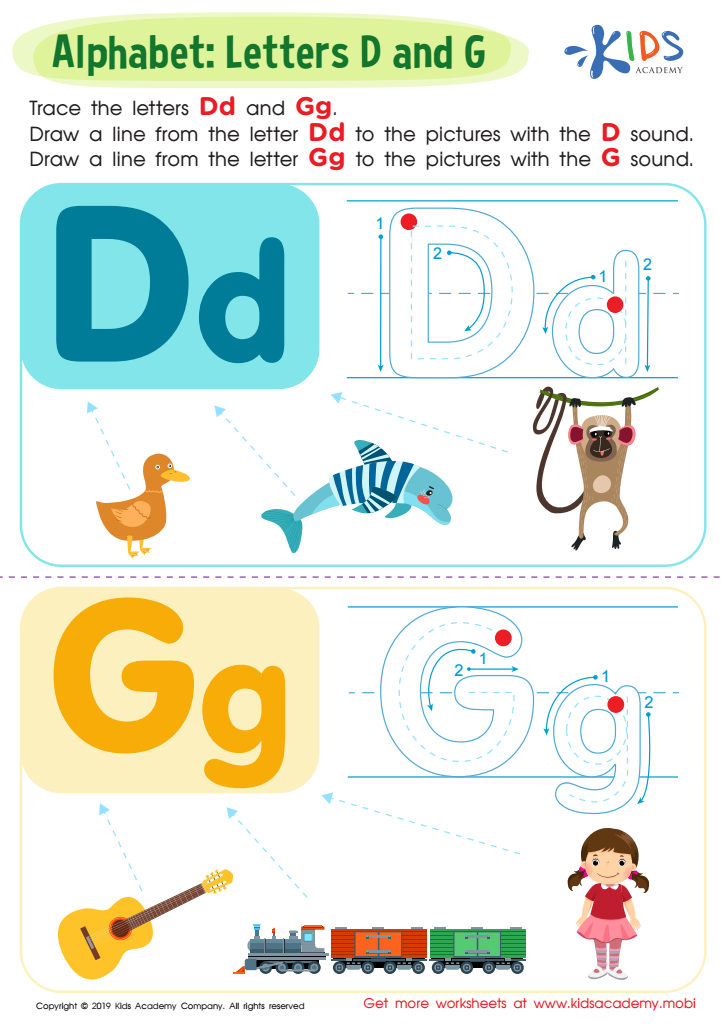
Letter D and G Tracing Worksheet
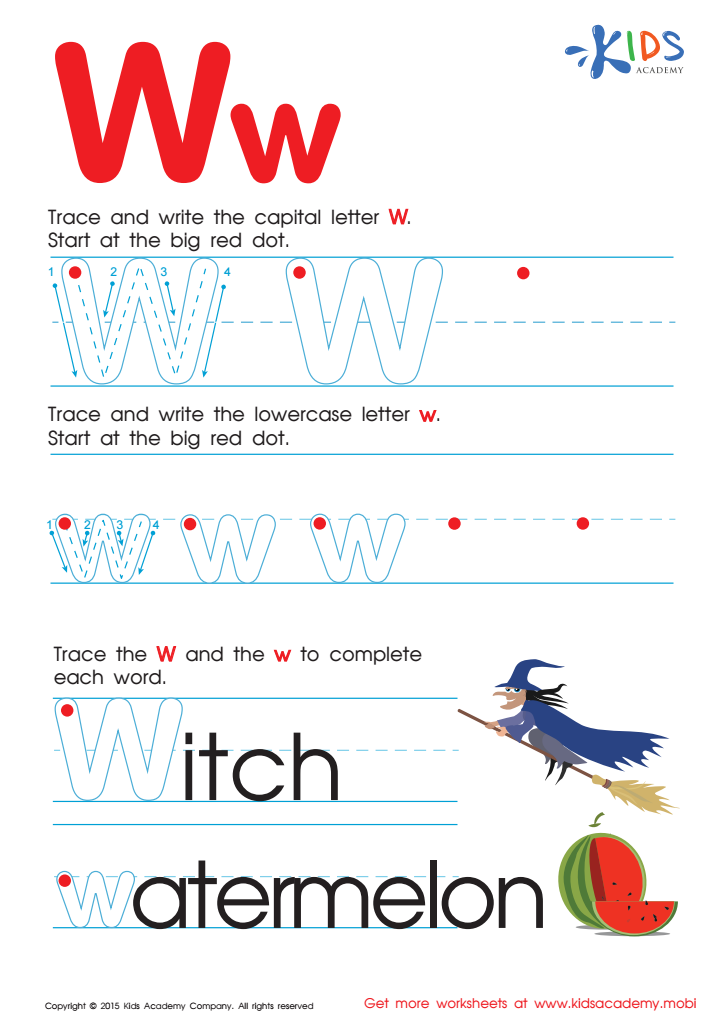
Letter W Tracing Page

Letter H Tracing Page
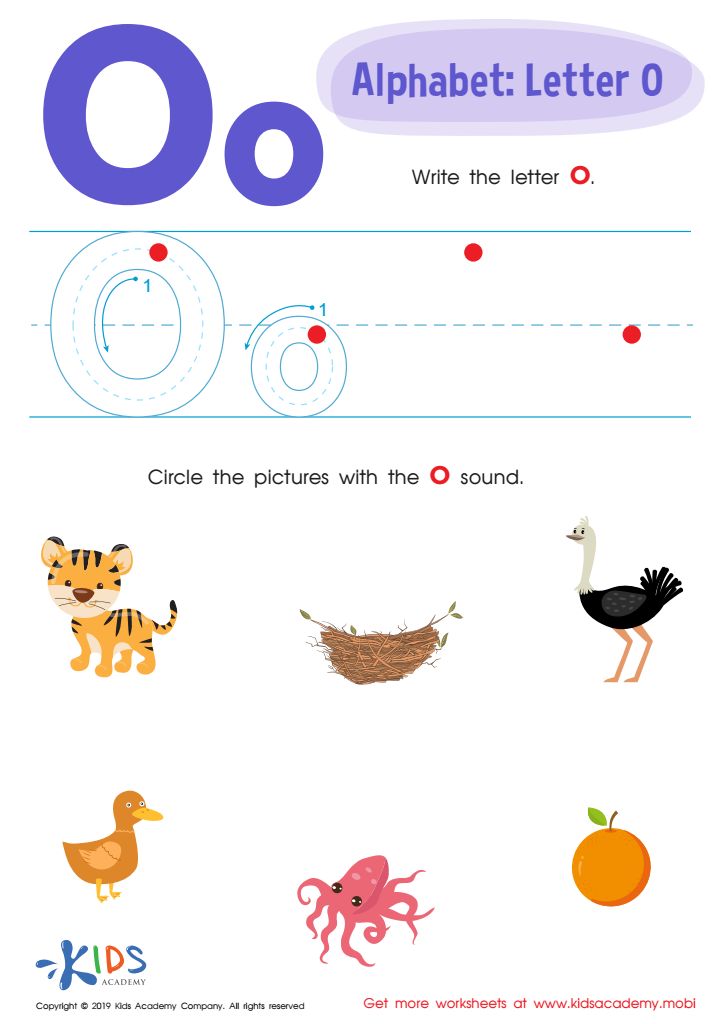
Letter O Tracing Worksheet
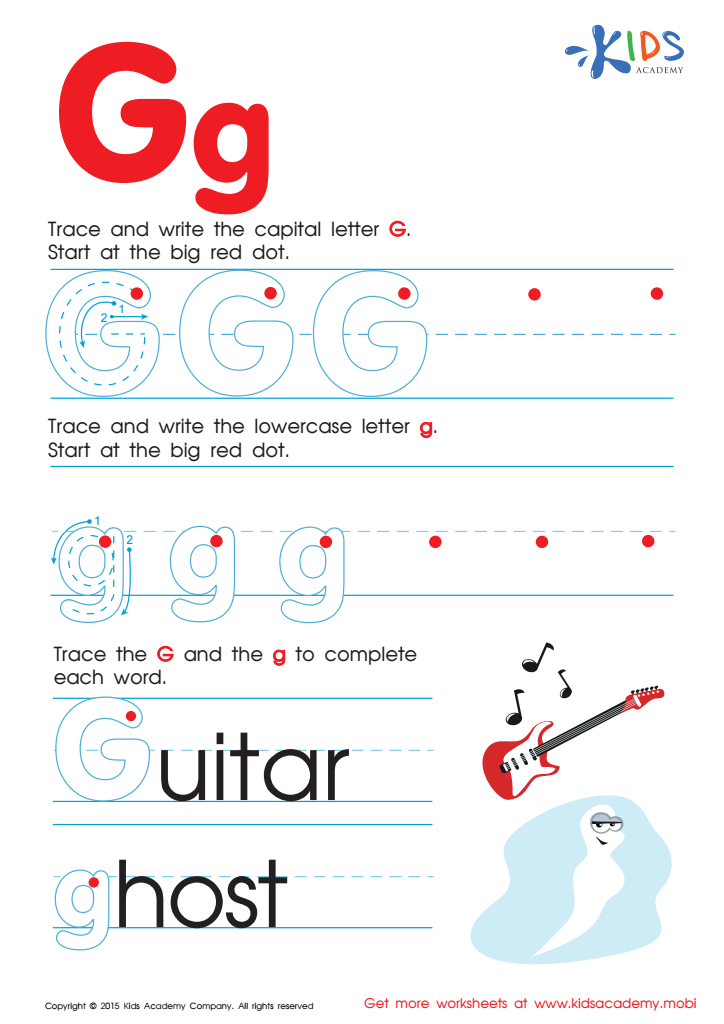
Letter G Tracing Page
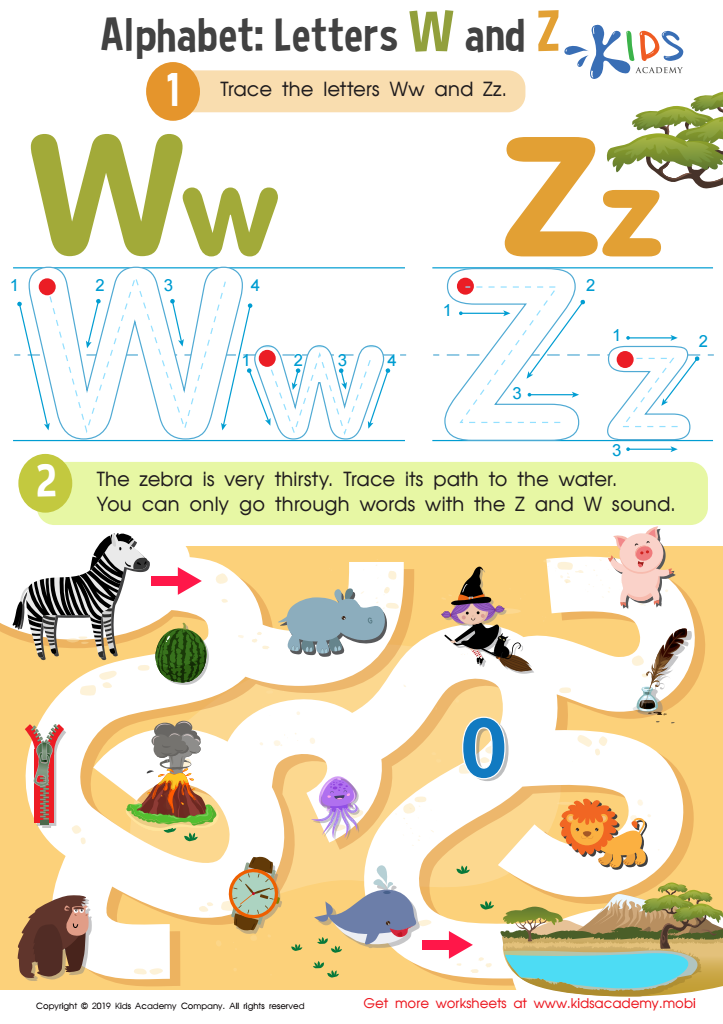
Letters W and Z Tracing Worksheet
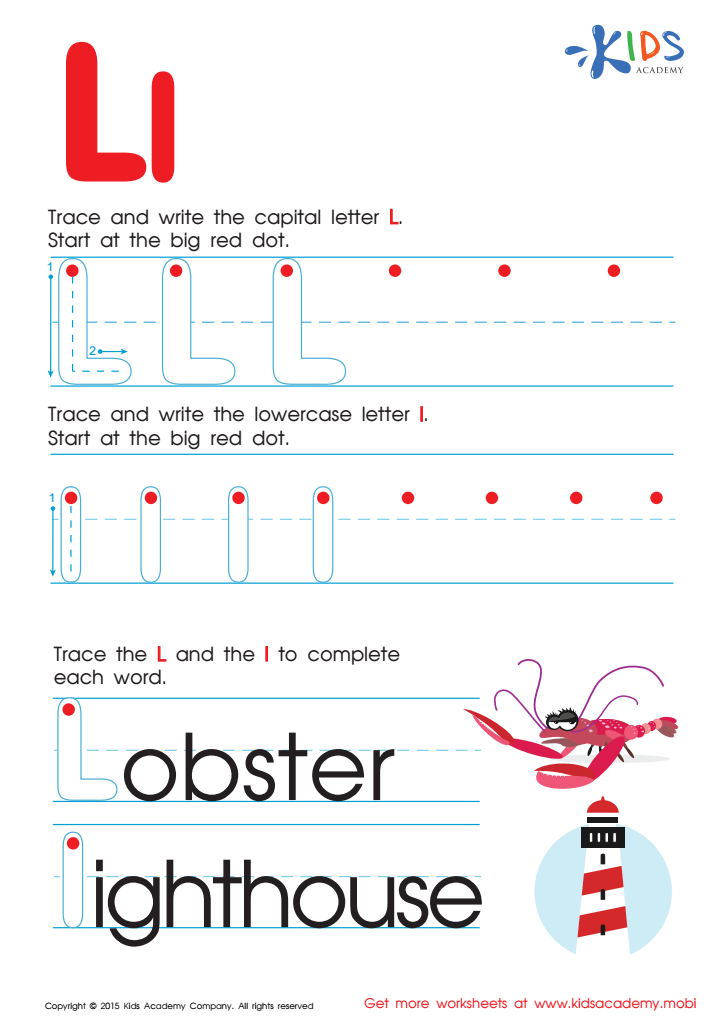
Letter L Tracing Page
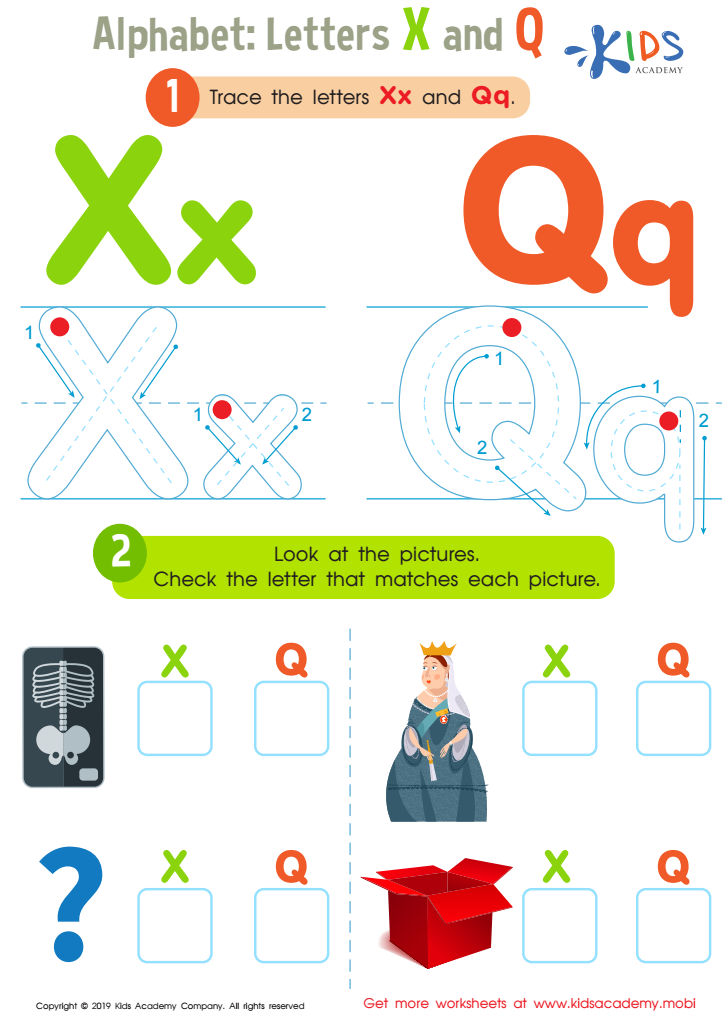
Letters X and Q Tracing Worksheet
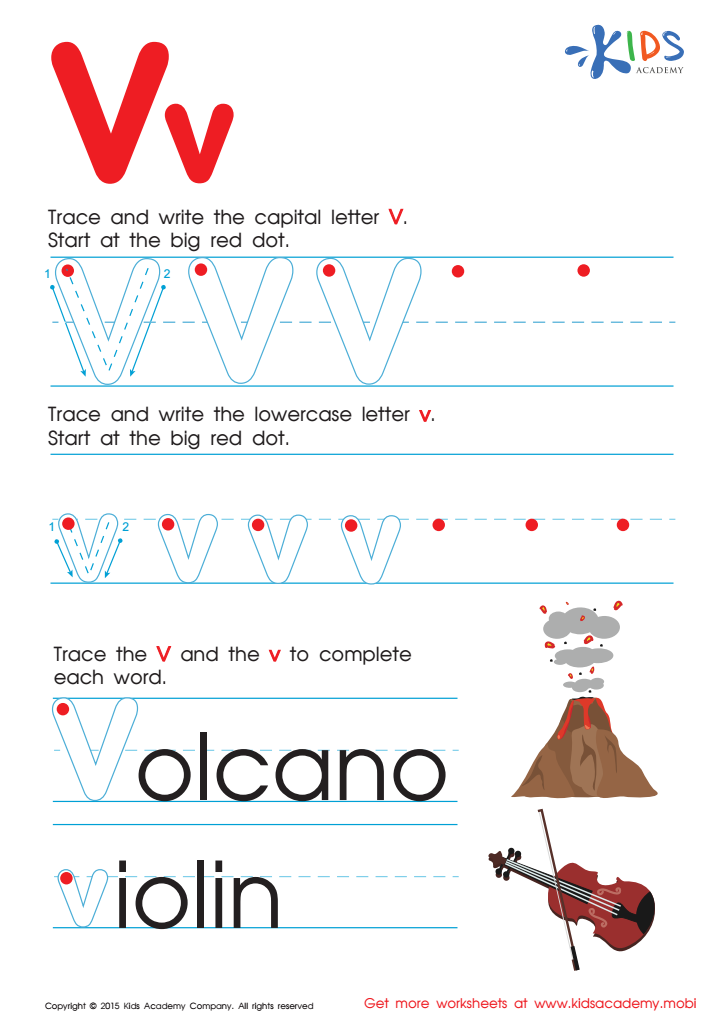
Letter V Tracing Page
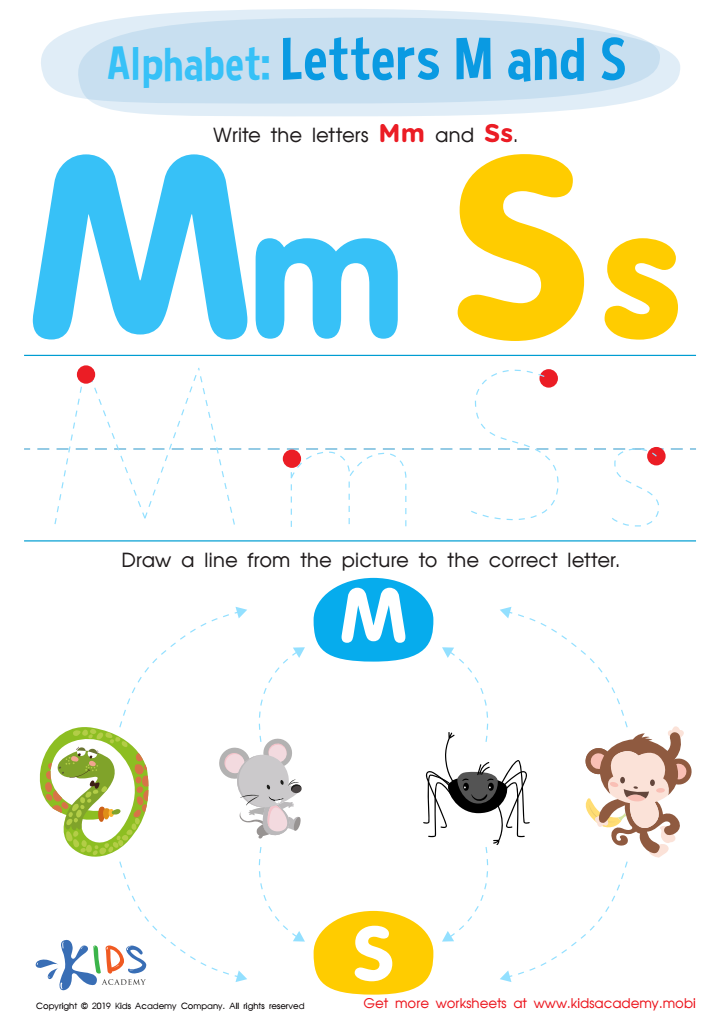
Letters M and S Tracing Worksheet
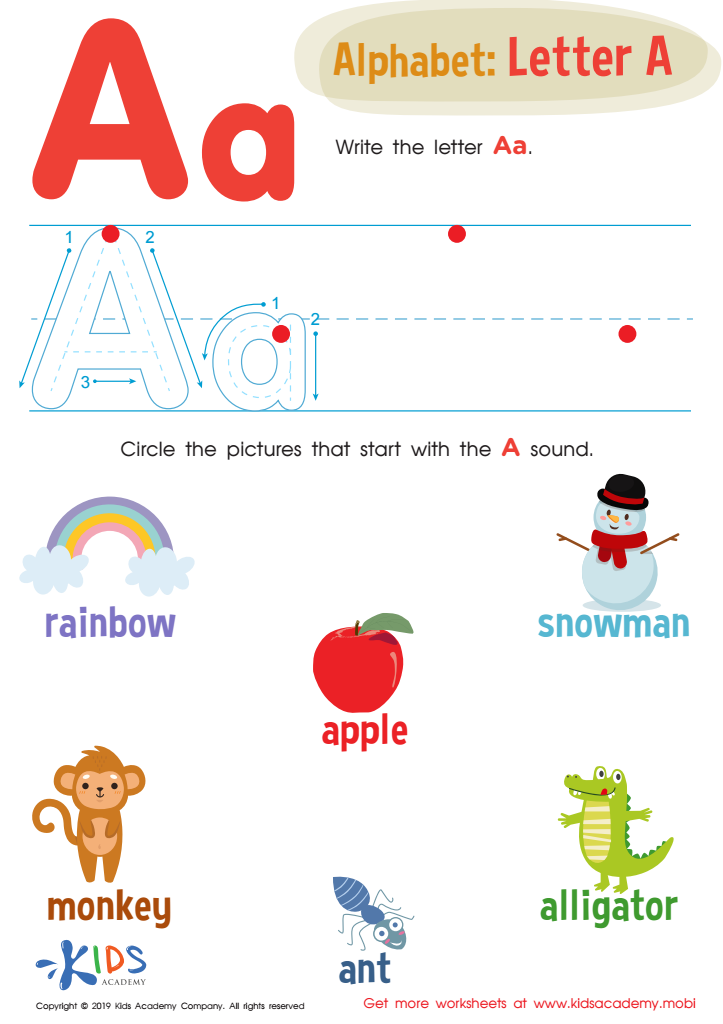
Letter A Tracing Worksheet
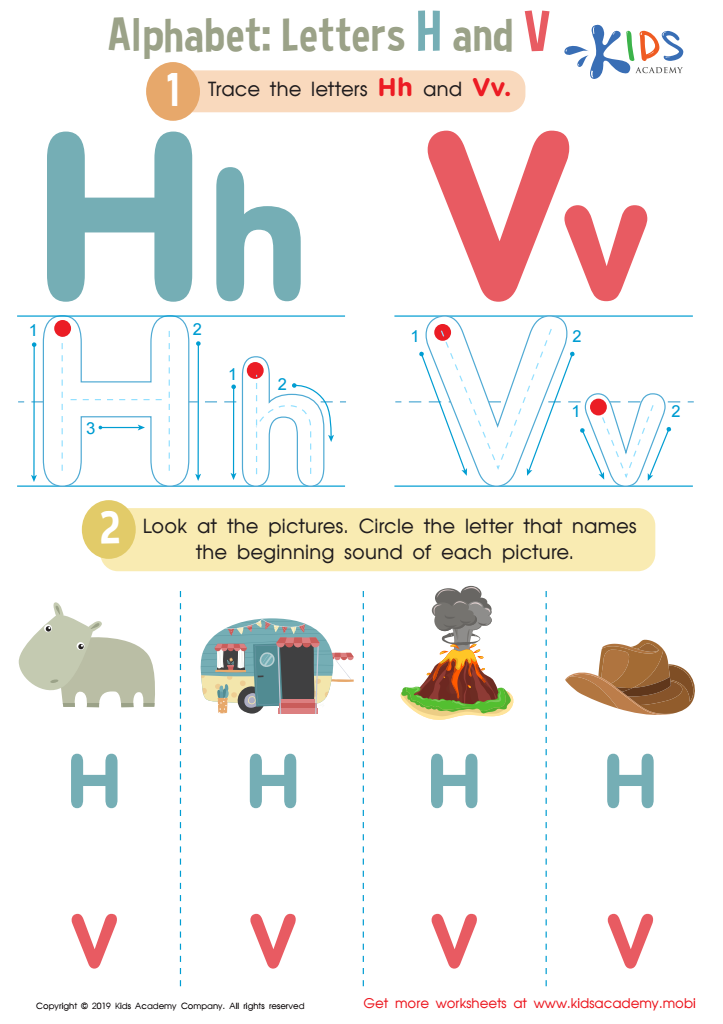
Letters H and V Tracing Worksheet
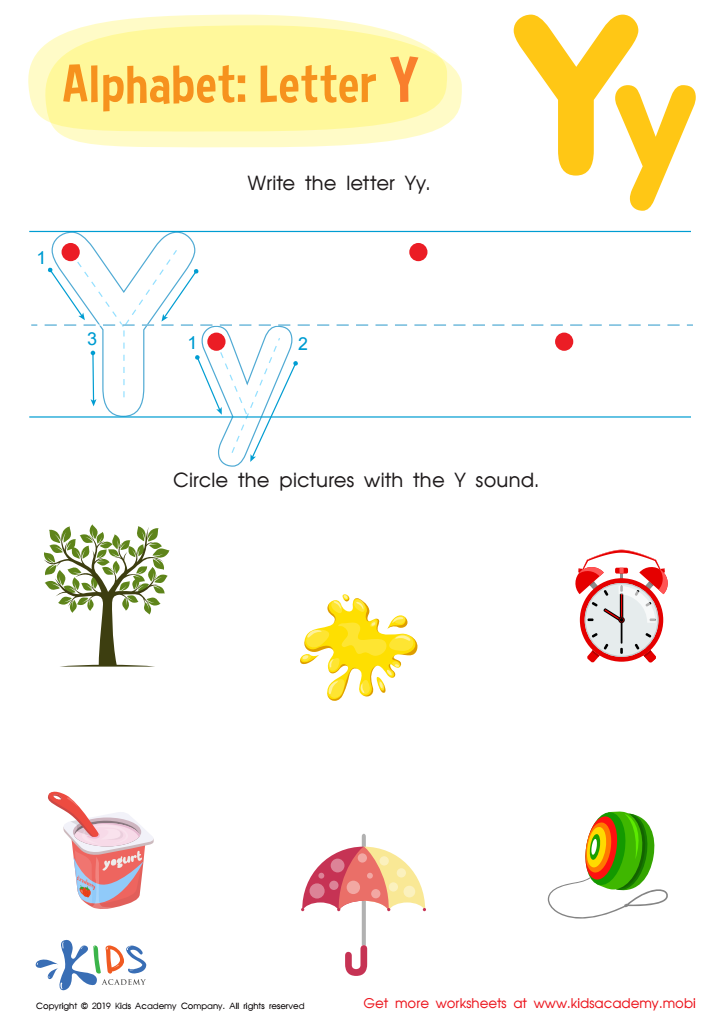
Letter Y Tracing Worksheet
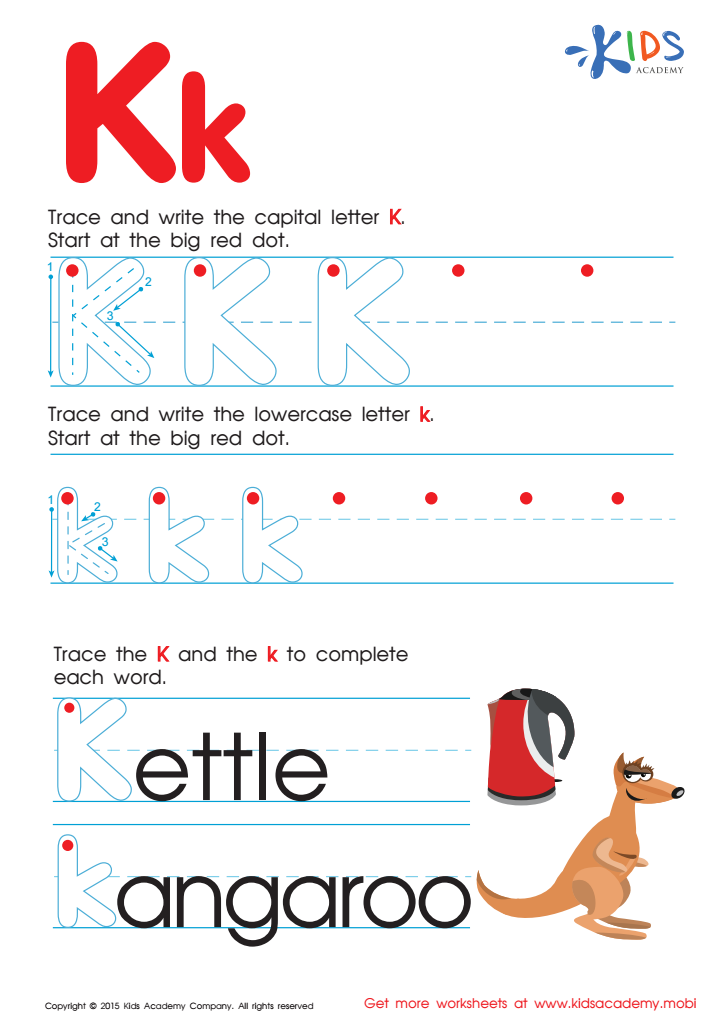
Letter K Tracing Page
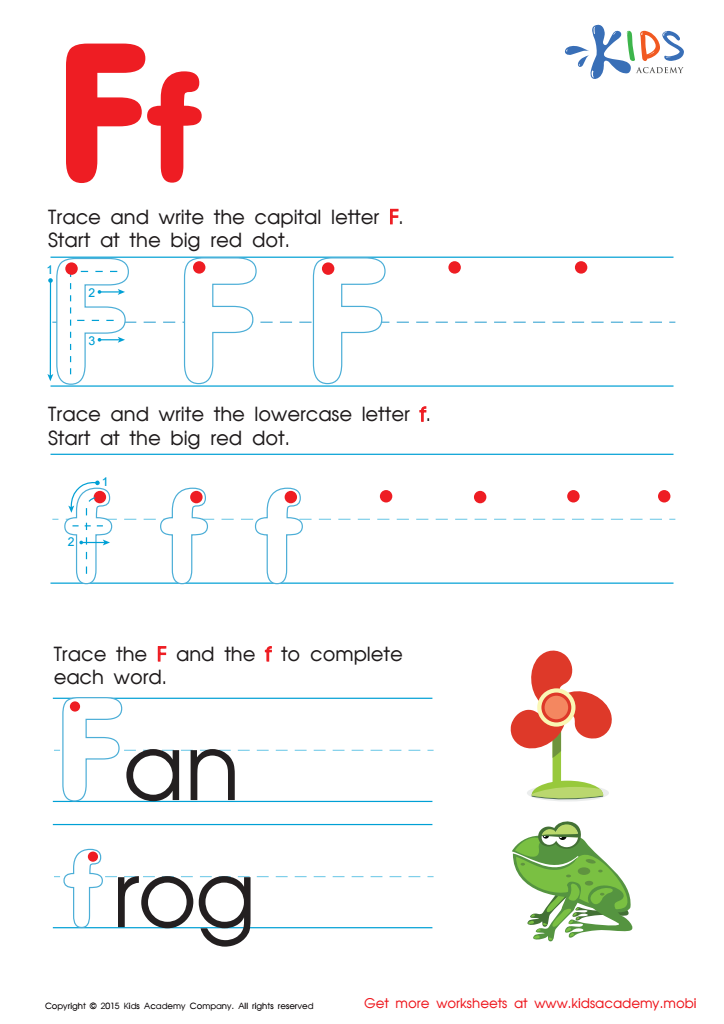
Letter F Tracing Page








Letter recognition and tracing are foundational skills that are crucial for the literacy development of children aged 5-6. When parents and teachers prioritize these activities, they set the stage for effective reading and writing skills, which are essential for academic success.
Firstly, letter recognition allows children to identify and understand the letters of the alphabet, which is the first step in learning to read. This recognition helps children to decode words, enhancing their ability to comprehend reading material. Tracing letters, on the other hand, develops fine motor skills and hand-eye coordination. These are vital for writing, as they enable children to control a pencil and form letters correctly.
Furthermore, engaging children in letter tracing activities can also enhance their memory and concentration. As children repeatedly trace letters, they commit their shapes and forms to memory, making it easier to recall and write them independently in the future. This repetitive practice also helps in reinforcing the connection between the visual representation of a letter and its phonetic sound.
Lastly, fostering an early interest and proficiency in these foundational skills can boost a child's confidence and eagerness to learn. When children feel competent in their ability to recognize and write letters, they are more likely to demonstrate enthusiasm and motivation towards learning, which can set them up for long-term educational success.








