Color recognition English for Beginners Worksheets for Ages 5-6
21 filtered results
-
From - To
Enhance your child's language and color recognition skills with our "Color Recognition English for Beginners Worksheets for Ages 5-6." Designed to engage and educate, these worksheets are perfect for young learners starting their journey in English. Through vibrant, fun activities, children can easily identify and name colors, building a vital foundation in both language and cognitive development. Ideal for both at-home learning and classroom settings, these printable worksheets make learning enjoyable and effective. Introduce your child to a colorful world of education and watch them thrive as they master basic English and color recognition effortlessly.
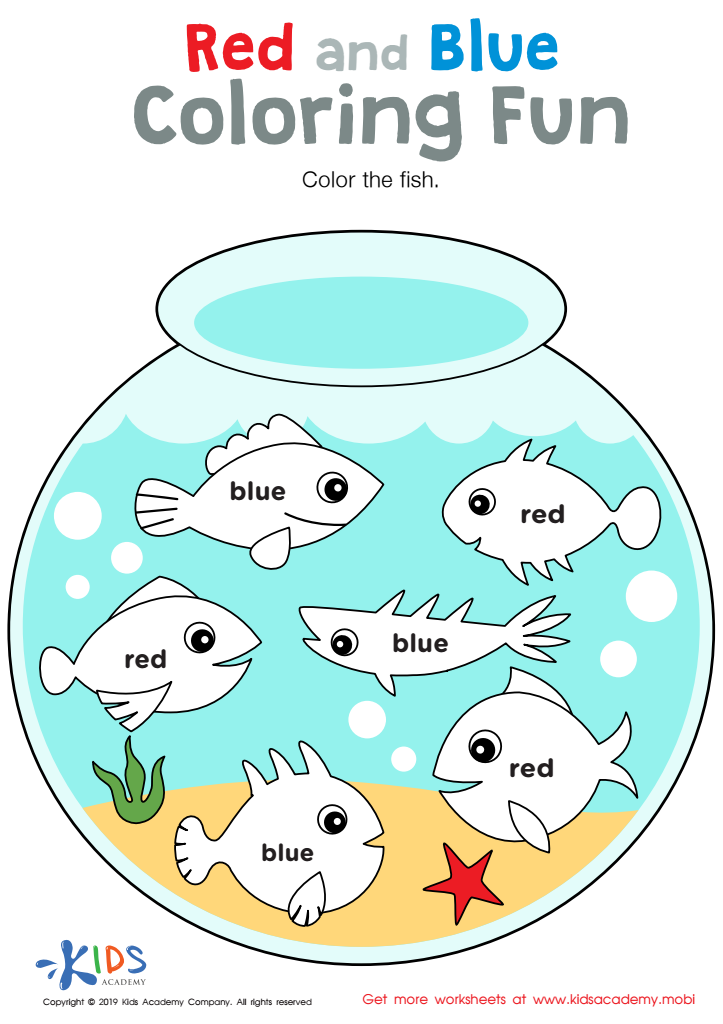
Red and Blue Coloring Fun Worksheet
 Assign to My Students
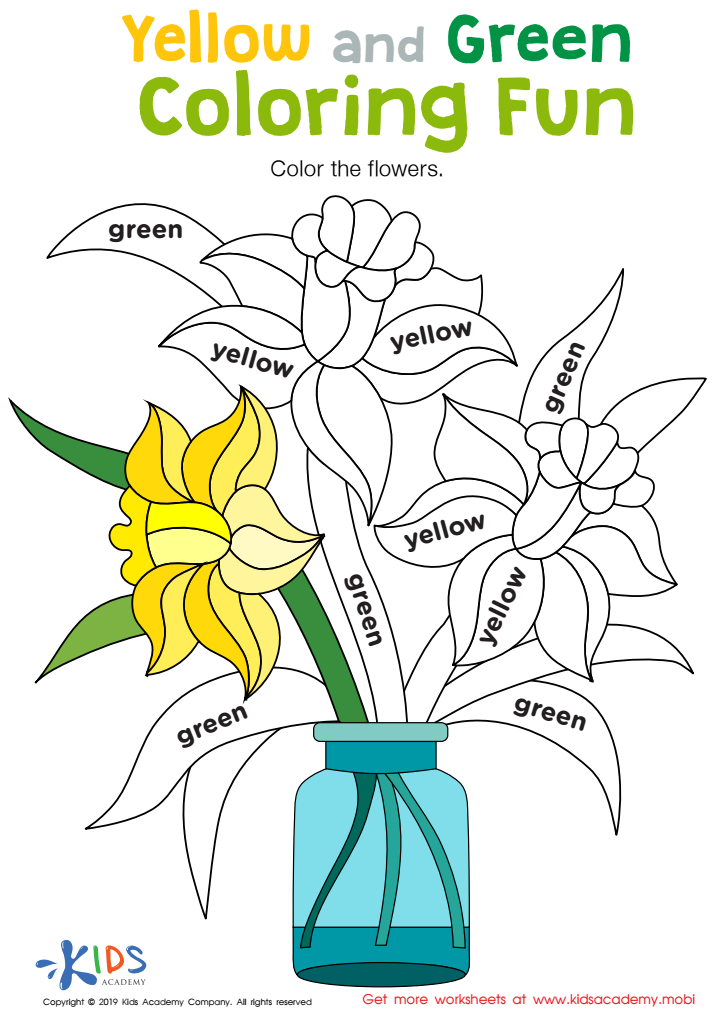
Yellow and Green Coloring Fun Worksheet
Assign to My Students
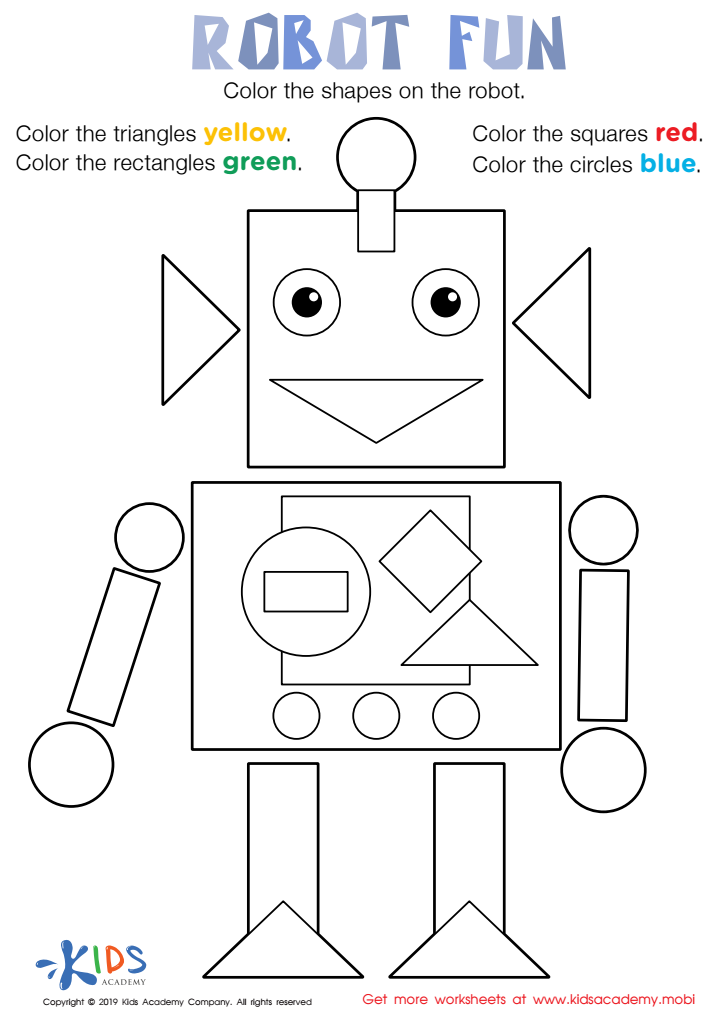
Robot Fun Worksheet
Assign to My Students
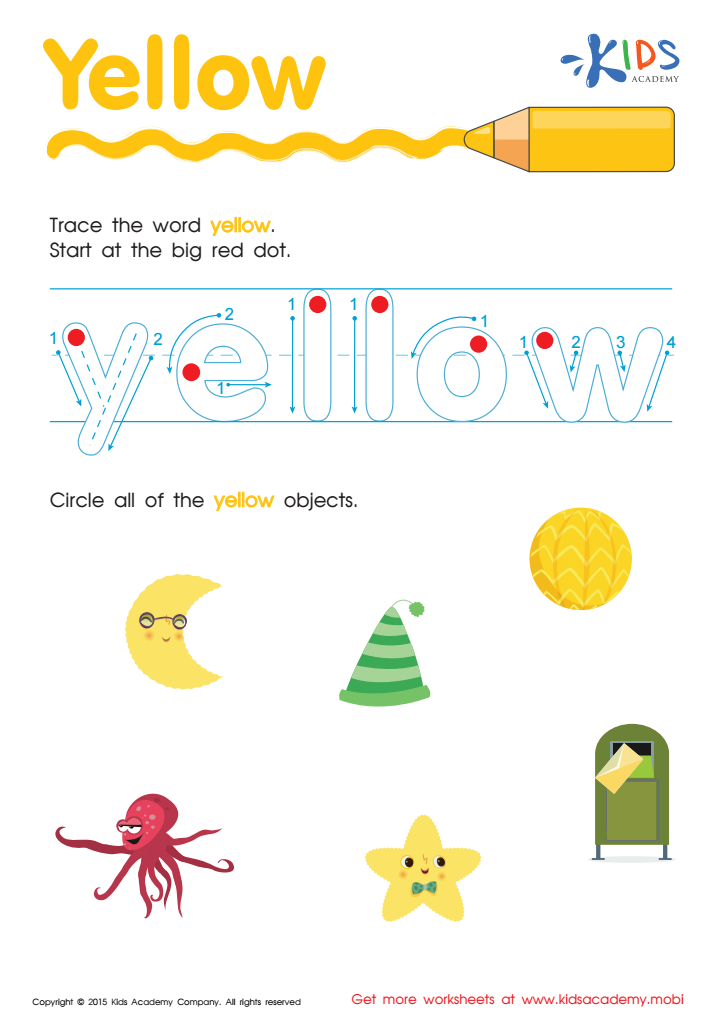
Yellow Tracing Color Words Worksheet
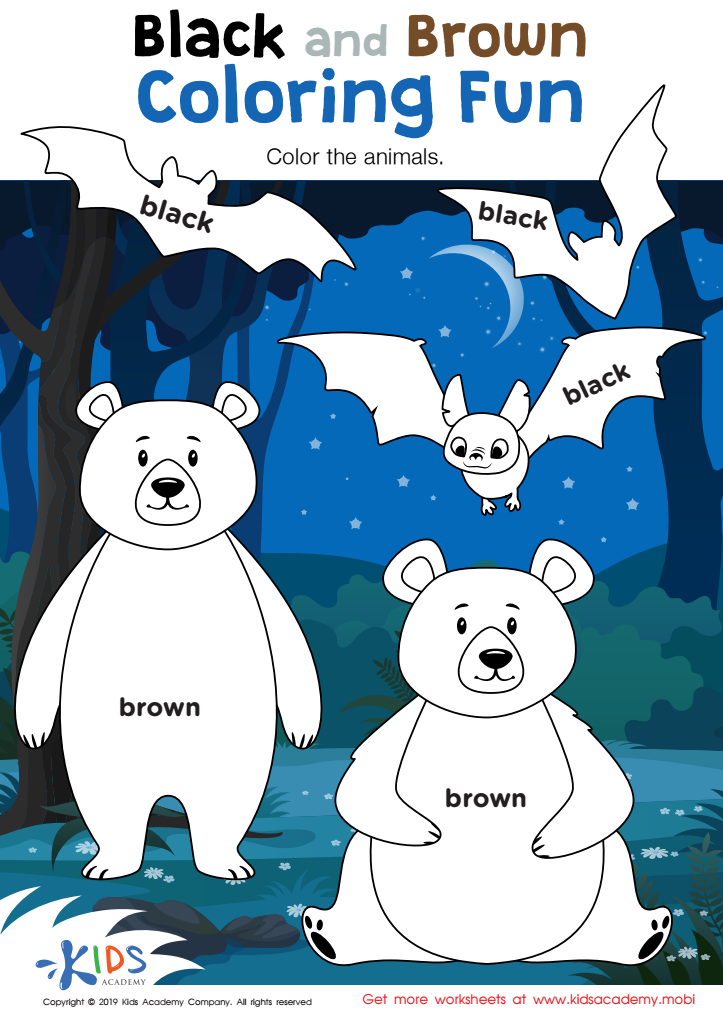
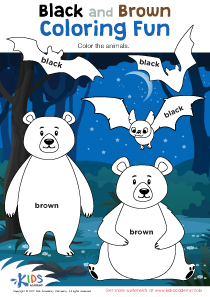
Black and Brown Coloring Fun Worksheet
Assign to My Students
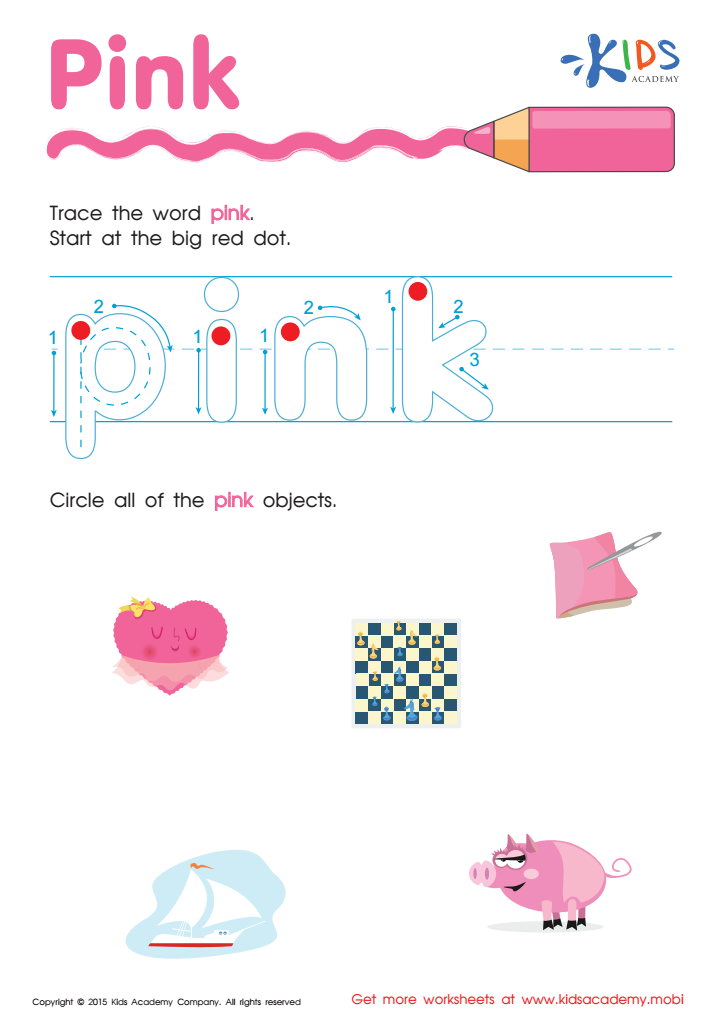
Pink Tracing Color Words Worksheet
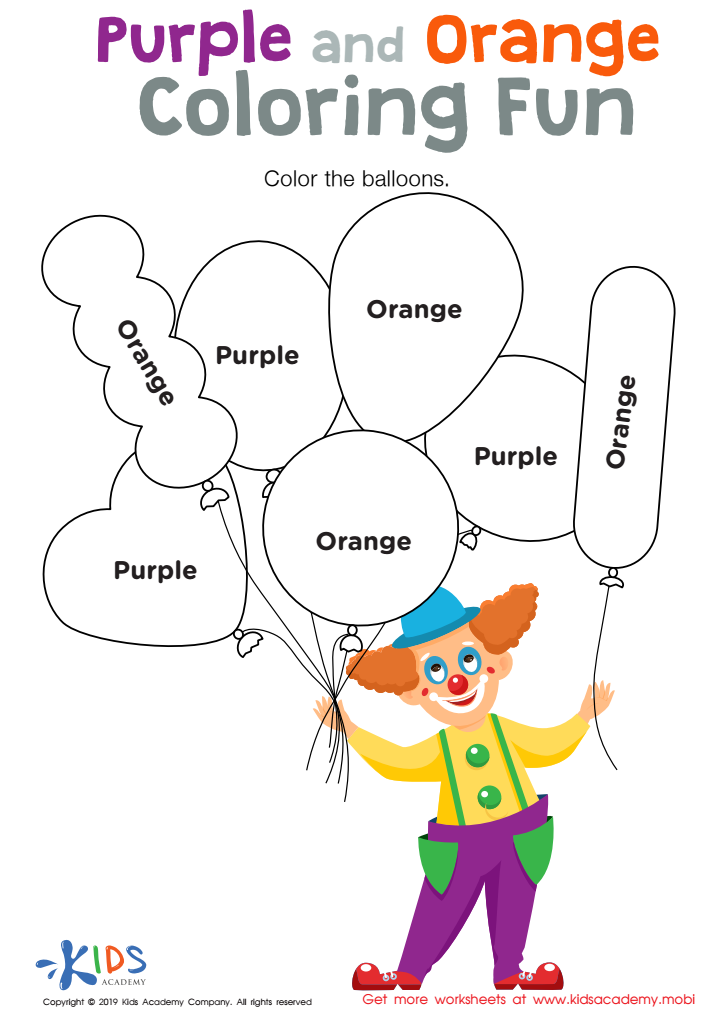
Purple and Orange Coloring Fun Worksheet
Assign to My Students
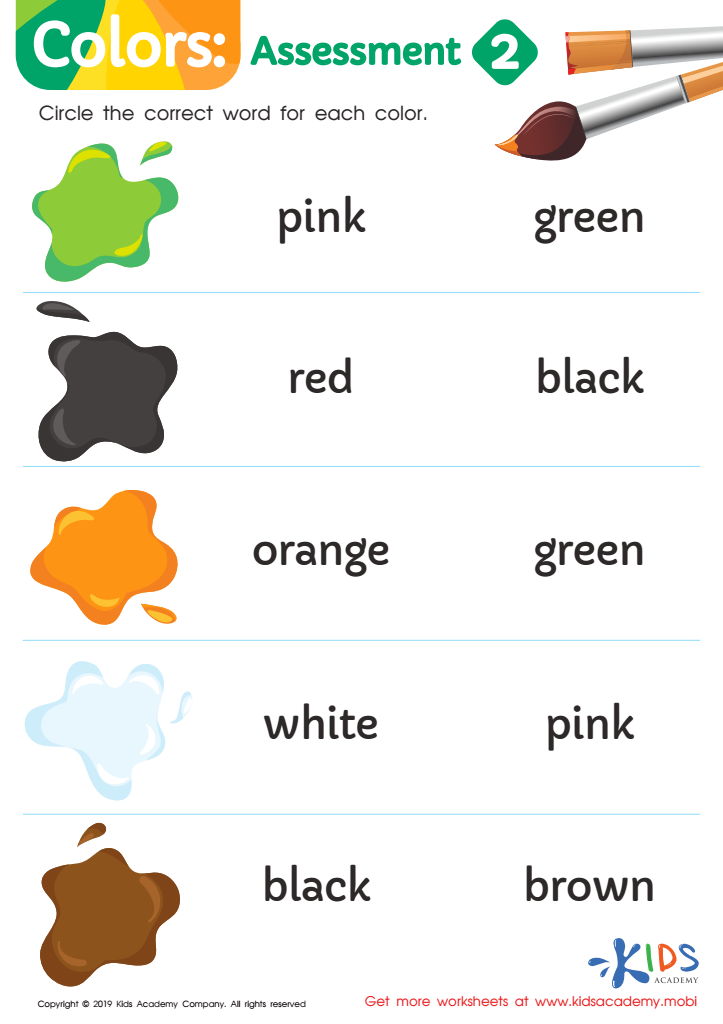
Colors: Assessment 2 Worksheet
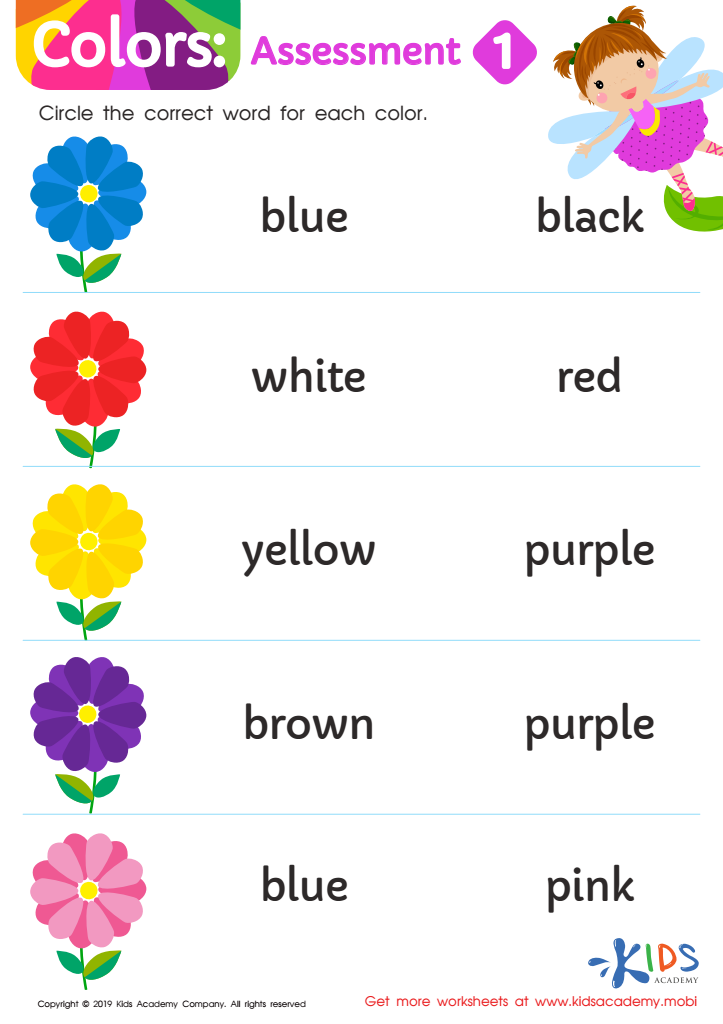
Colors: Assessment 1 Worksheet
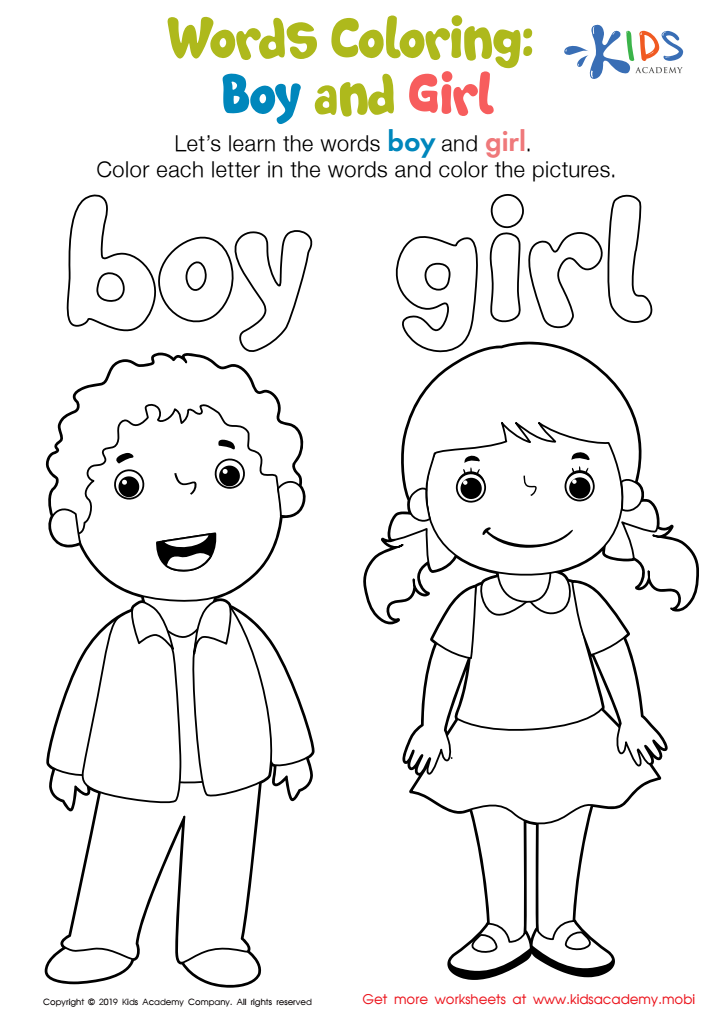
Boy and Girl Words Coloring Worksheet
Assign to My Students
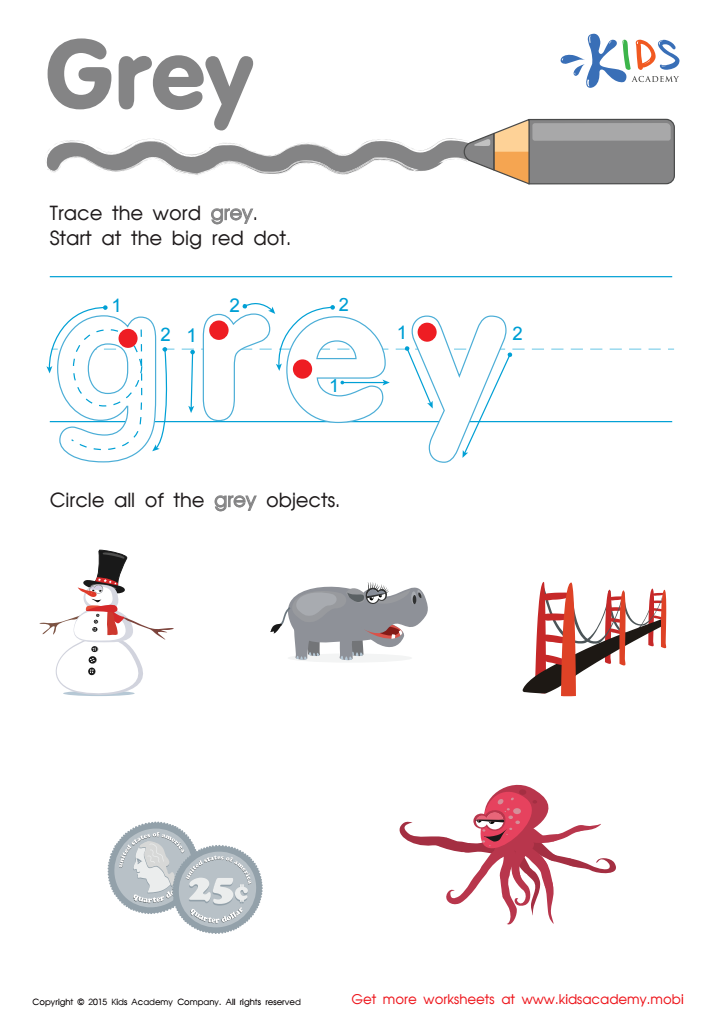
Grey Tracing Color Words Worksheet
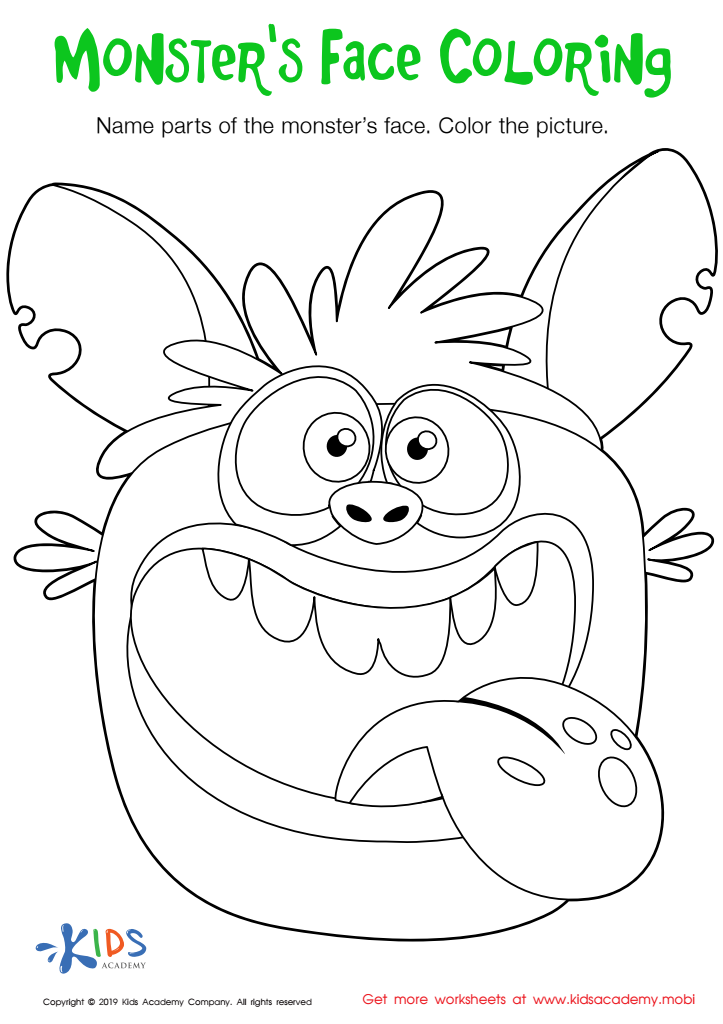
Monster's Face Coloring Worksheet
Assign to My Students
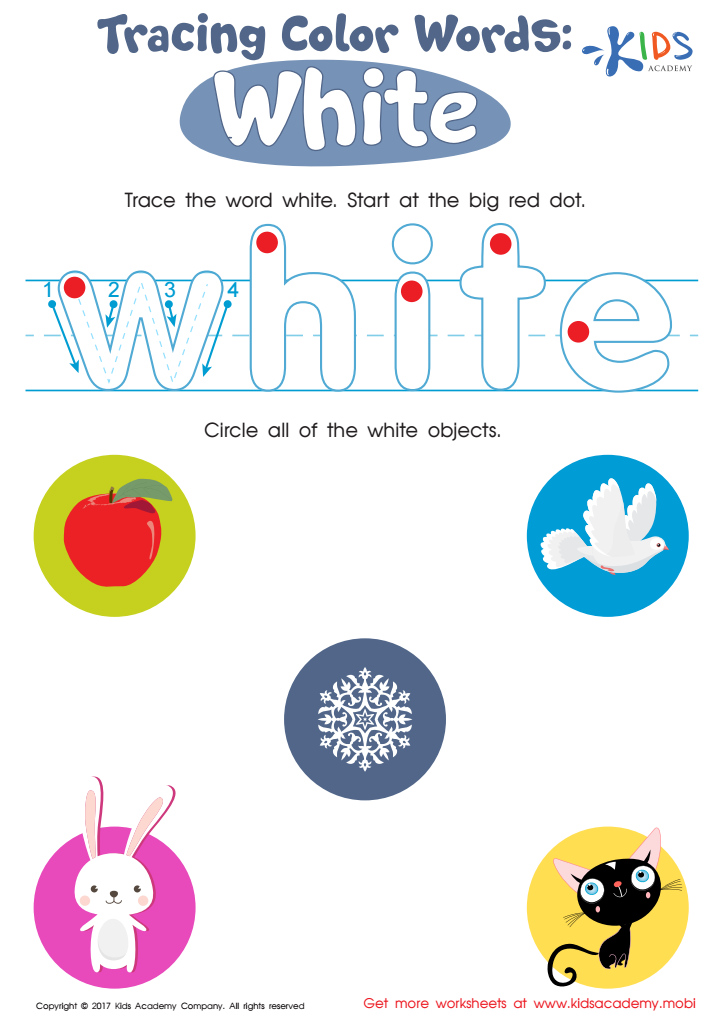
White Tracing Color Words Worksheet
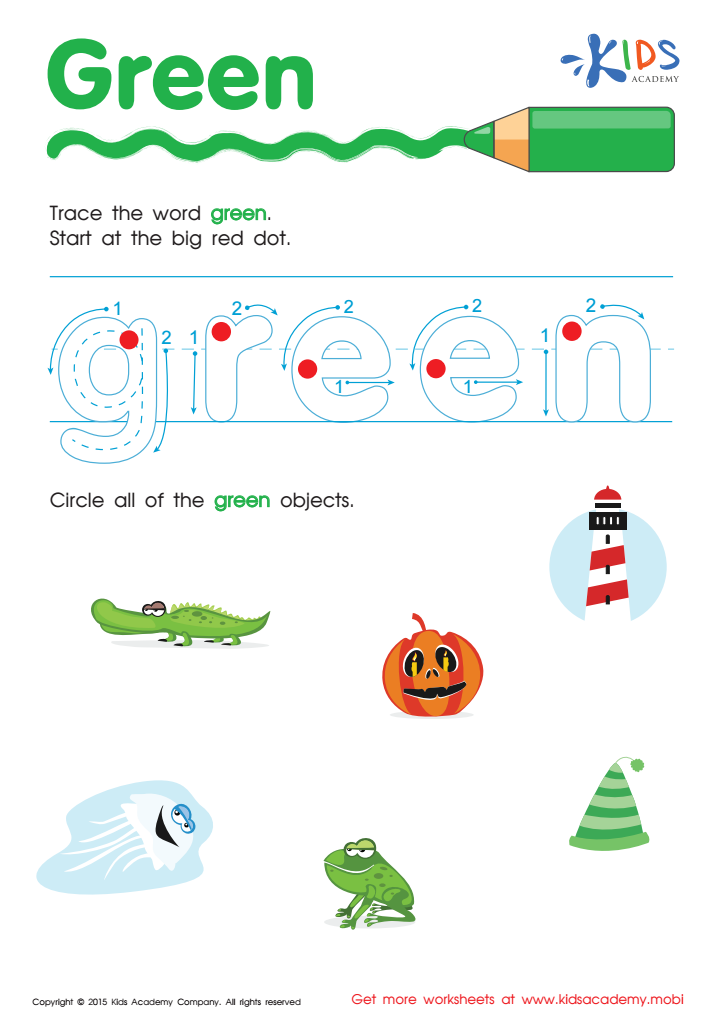
Green Tracing Color Words Worksheet
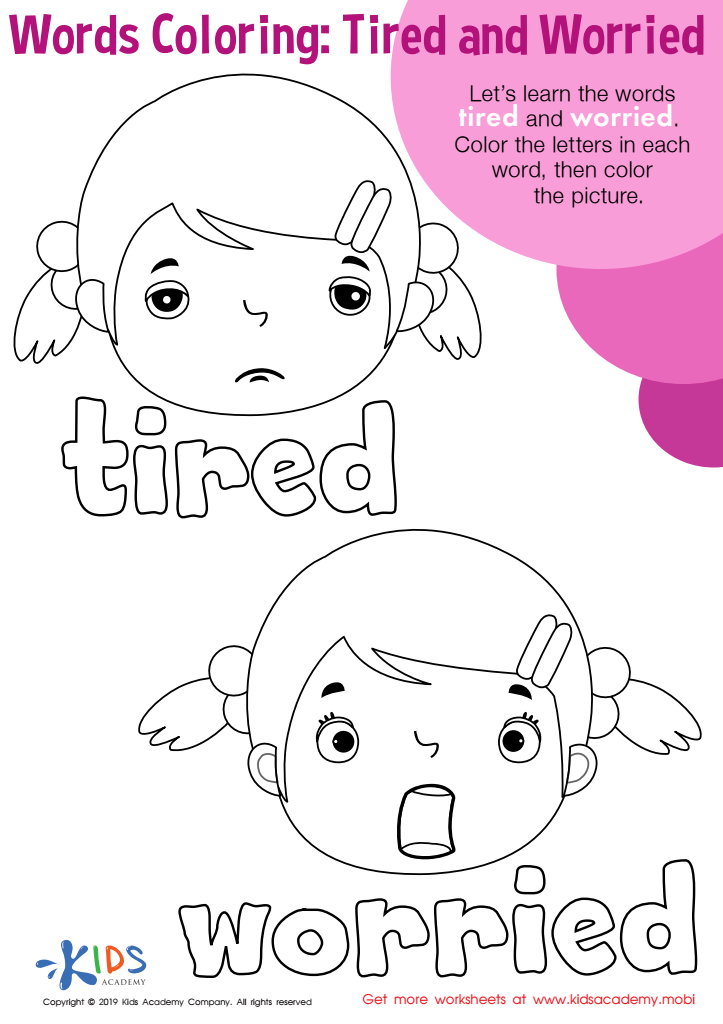
Tired and Worried Words Coloring Worksheet
Assign to My Students
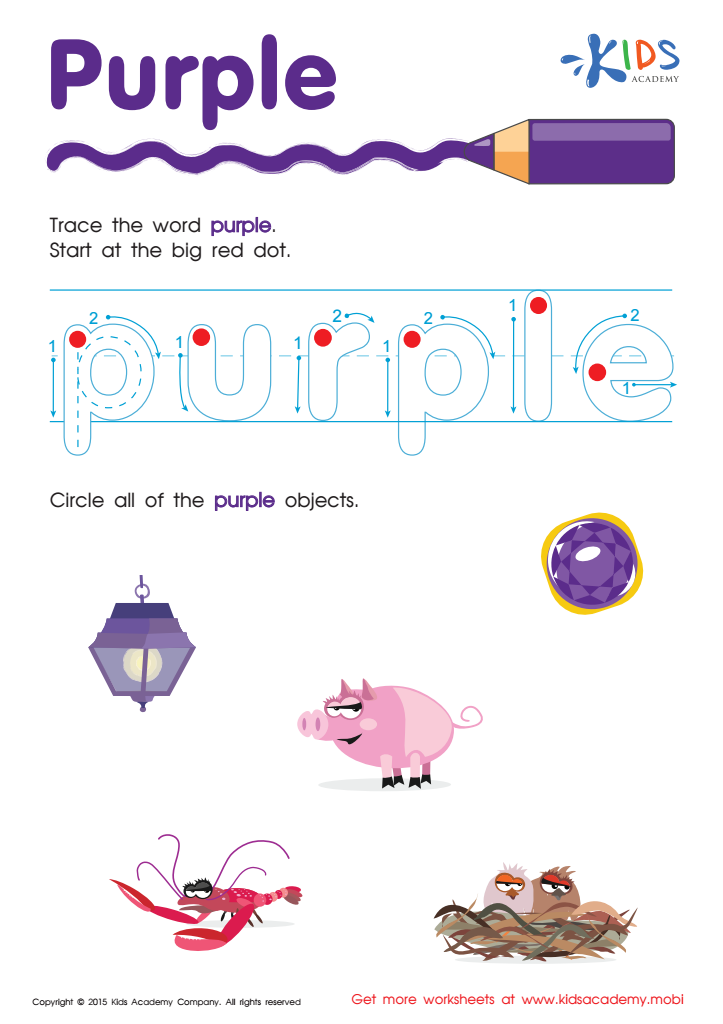
Purple Tracing Color Words Worksheet
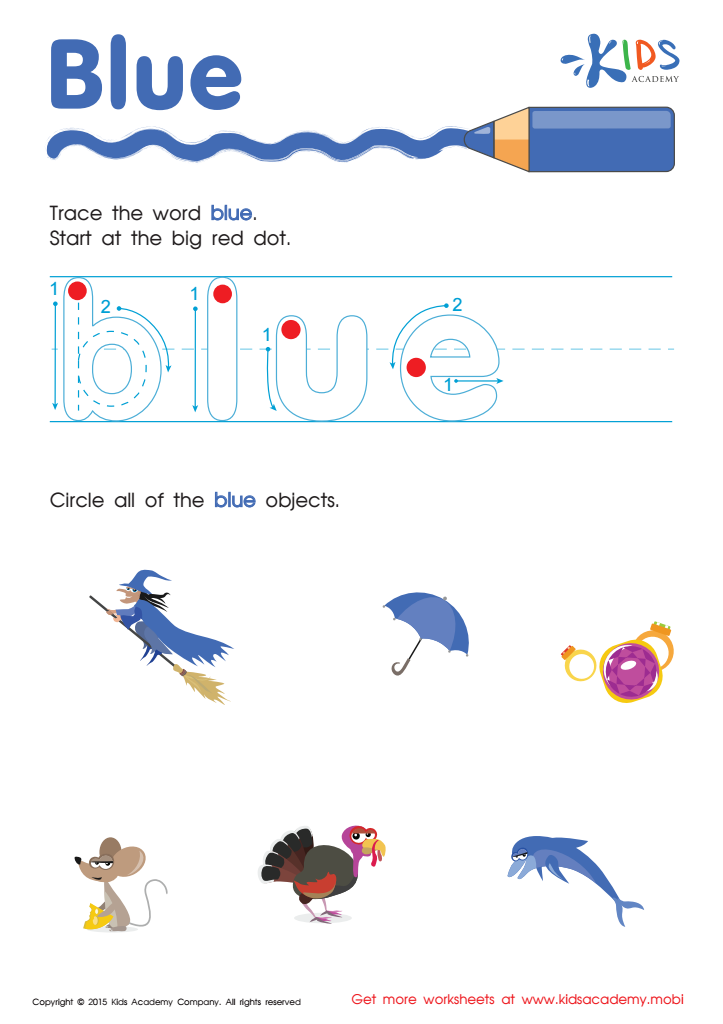
Blue Tracing Color Words Printable
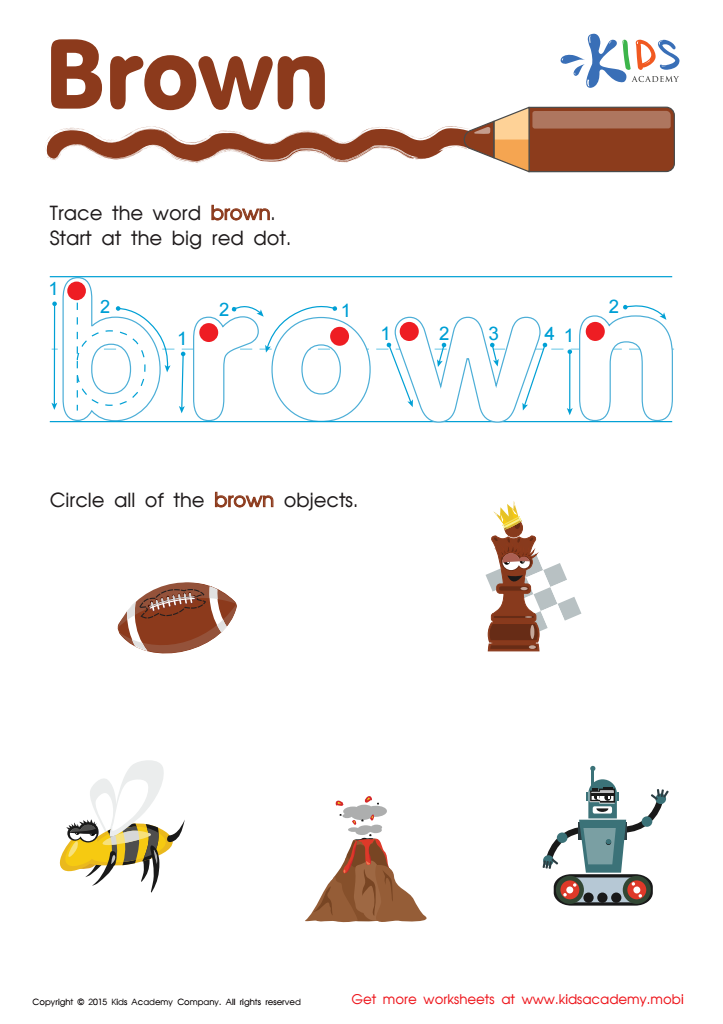
Brown Tracing Color Words Worksheet
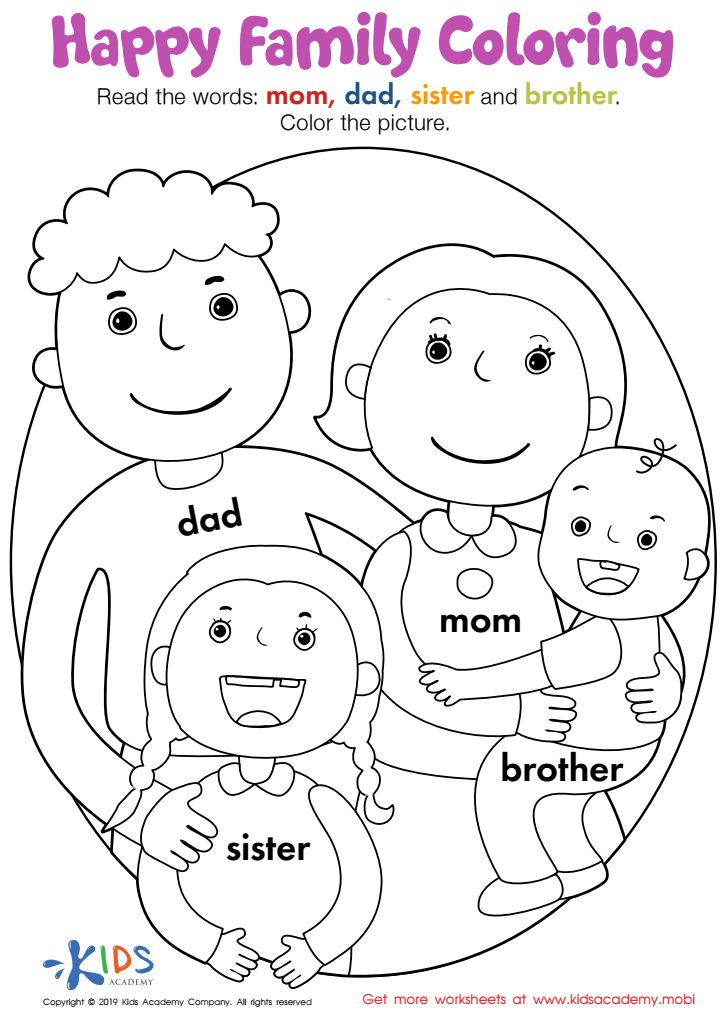
Happy Family Coloring Worksheet
Assign to My Students
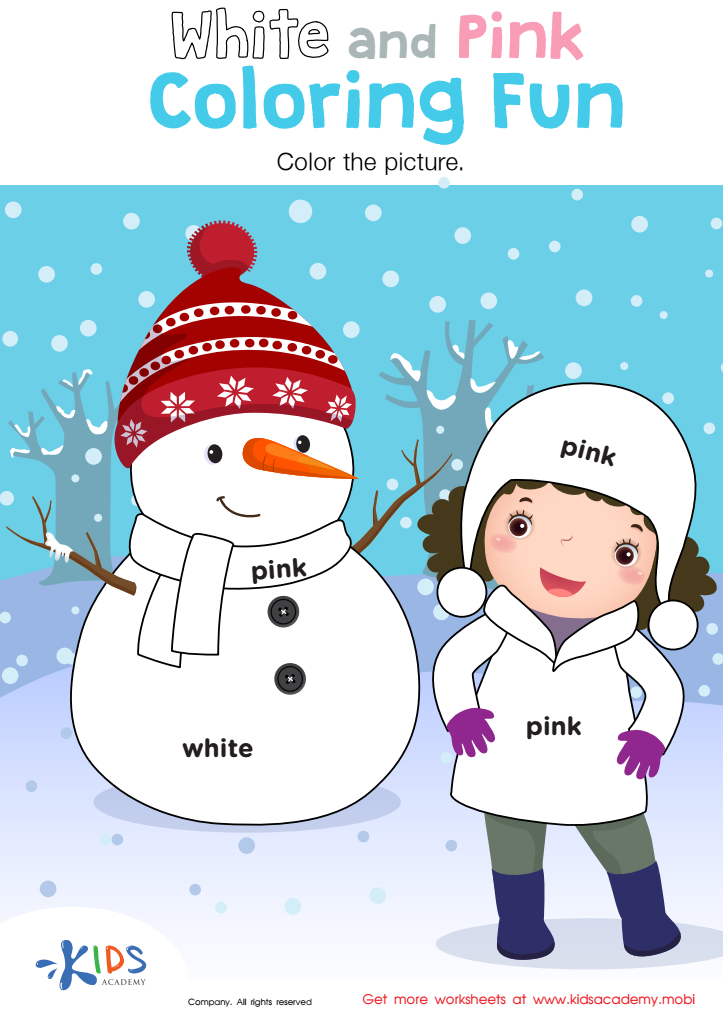
White and Pink Coloring Fun Worksheet
Assign to My Students
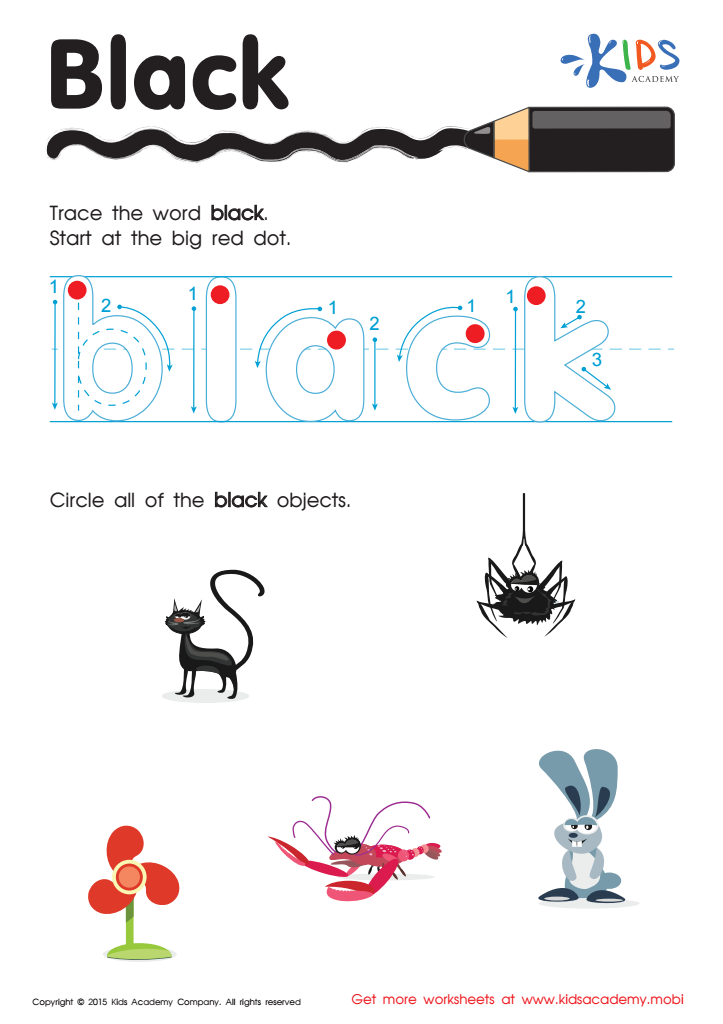
Black Tracing Color Words Printable





Color recognition is a fundamental skill underpinning various aspects of a child's cognitive development. At ages 5-6, children are at a crucial stage where they are rapidly acquiring language and conceptual knowledge about the world around them. Understanding and naming colors are not just basic communication tools, but they also enhance a child’s ability to describe, categorize, and make sense of their surroundings. When parents or teachers focus on color recognition in English, they are simultaneously supporting mastery in language development and cognitive processing.
Firstly, color recognition aids in vocabulary expansion. When a child learns to identify and name different colors, their descriptive language improves, enriching their communication skills. For instance, describing a red apple or a blue sky adds specificity to their observations and narratives.
Additionally, color recognition activities engage a child’s sensory and perceptual development. Engaging with colorful objects, books, and educational materials enhances attention, memory, and critical thinking. Activities like sorting, matching colors, and art projects foster fine motor skills, coordination, and creativity.
Furthermore, color words are foundational for literacy skills. Recognizing color names in text helps beginners with sight word acquisition and overall reading fluency. In essence, teaching color recognition nurtures a holistic educational experience, combining visual, linguistic, and cognitive growth, essential for young learners.