Reading Skills Enhancement Worksheets for Ages 5-6
5 filtered results
-
From - To
Boost your child's reading skills with our engaging worksheets designed specifically for ages 5-6! These carefully crafted materials focus on enhancing key abilities such as phonics, vocabulary, comprehension, and fluency. Our printable worksheets include fun activities like matching words, completing sentences, and reading simple stories, making learning exciting and interactive. These resources not only support literacy development but also promote critical thinking and creativity in young learners. Ideal for homeschooling, classroom use, or as supplementary activities, our reading skills enhancement worksheets are a valuable tool to nurture a love for reading while building a strong foundation for future learning. Get started today!
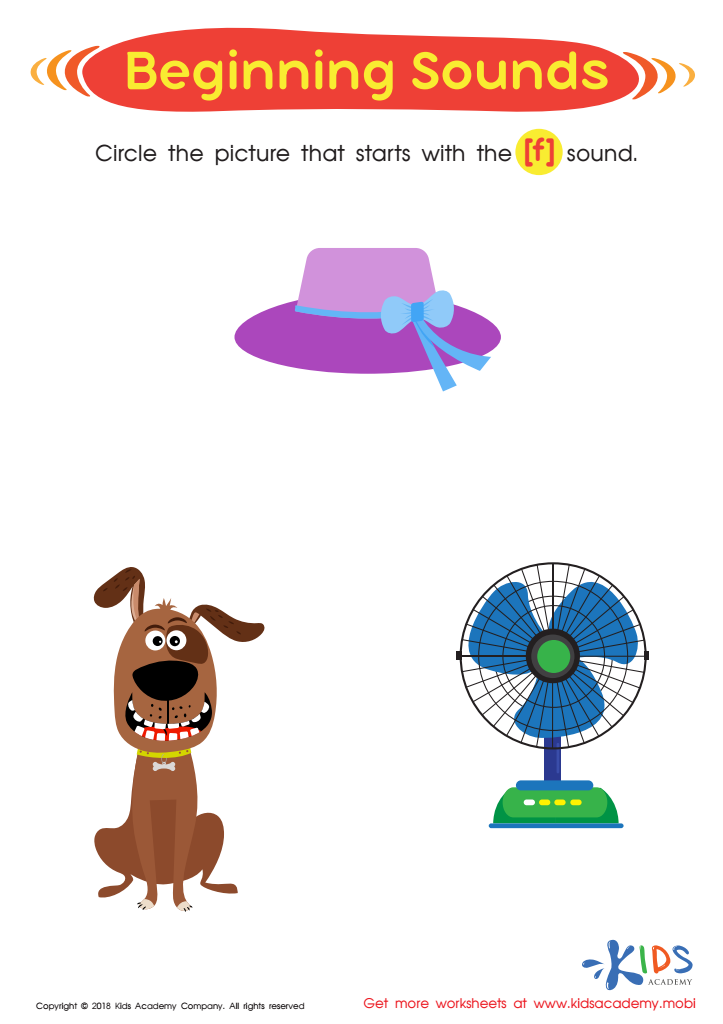
Beginning Sounds Assessment Printable
 Assign to My Students
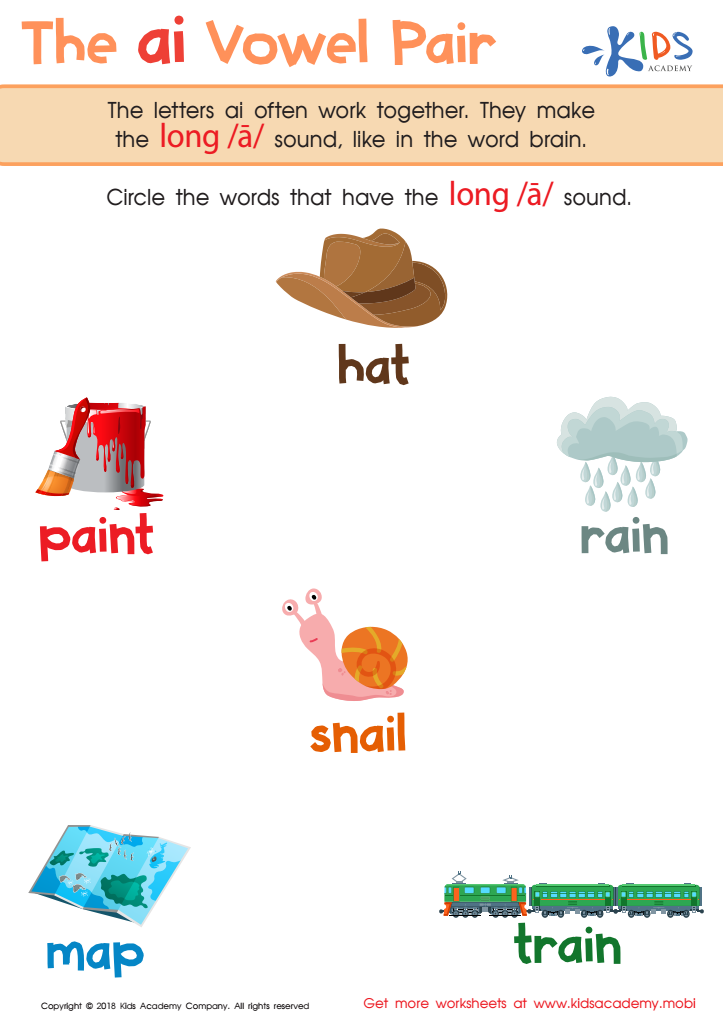
The AI Vowel Pair Worksheet
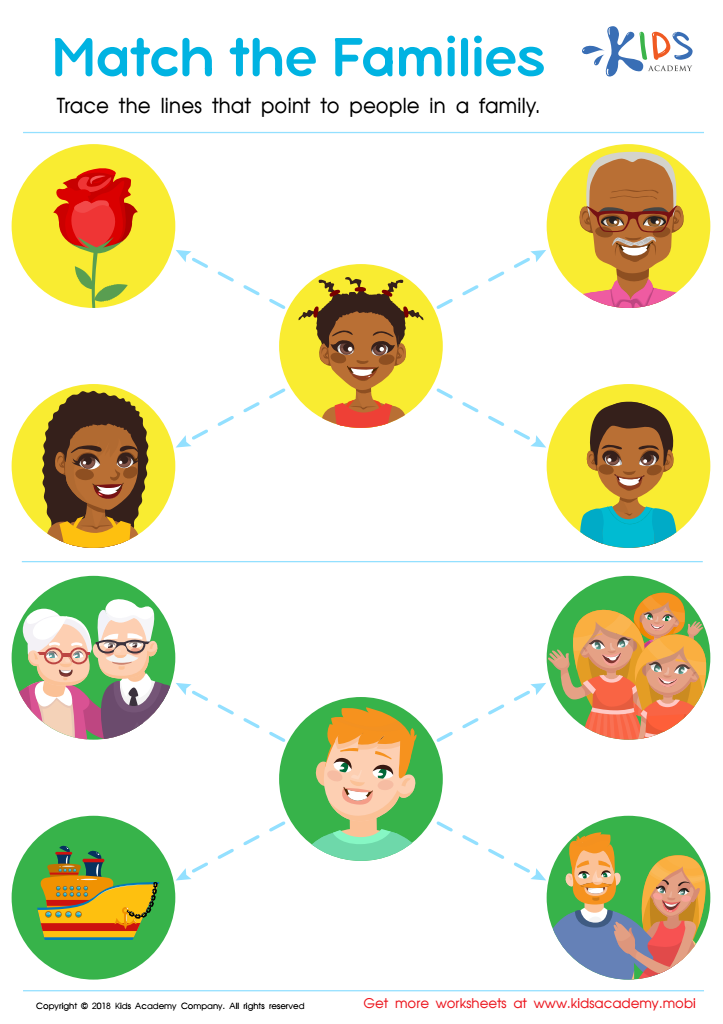
Match the Families Worksheet
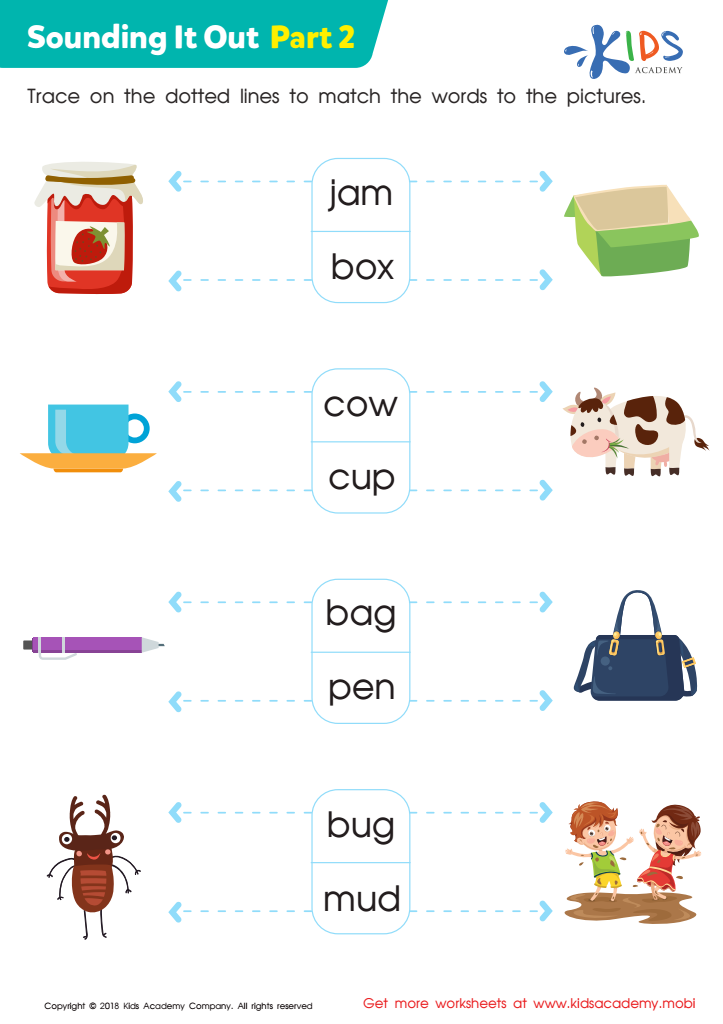
Sounding it Out: Part 2 Worksheet
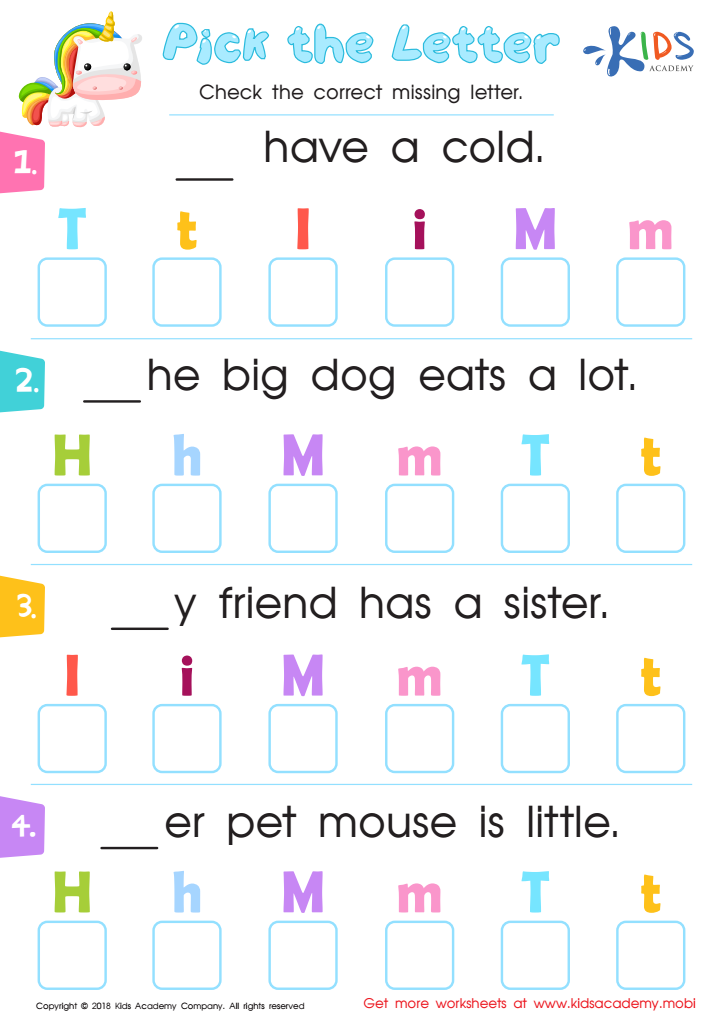
Pick the Letter Worksheet







Reading skills enhancement for ages 5-6 is crucial for early childhood development, and both parents and teachers play a vital role in this process. At this age, children are in a critical phase of language acquisition and cognitive development. Strong reading skills lay the foundation for academic success, improving vocabulary, comprehension, and communication abilities.
Engaging children in reading fosters a love for literature and encourages curiosity, promoting lifelong learning. Developing these skills early can significantly influence a child's confidence in academic settings and social interactions. Furthermore, proficient reading skills are linked to improved performance across all subjects in school, as literacy is intertwined with learning in various disciplines.
For parents, nurturing reading habits through home practices like shared reading and storytelling creates a supportive environment; it strengthens parent-child bonds while instilling a routine that benefits literacy development. For teachers, implementing innovative reading programs and activities tailored for young learners creates an engaging classroom dynamic that enhances learning.
Moreover, early intervention can help identify any potential reading difficulties, allowing for timely support. In essence, advocating for reading skills at this tender age is an investment in a child’s immediate functioning and future growth, shaping capable, literate individuals.








