Sound Association Worksheets for Ages 5-6 - Page 2
35 filtered results
-
From - To
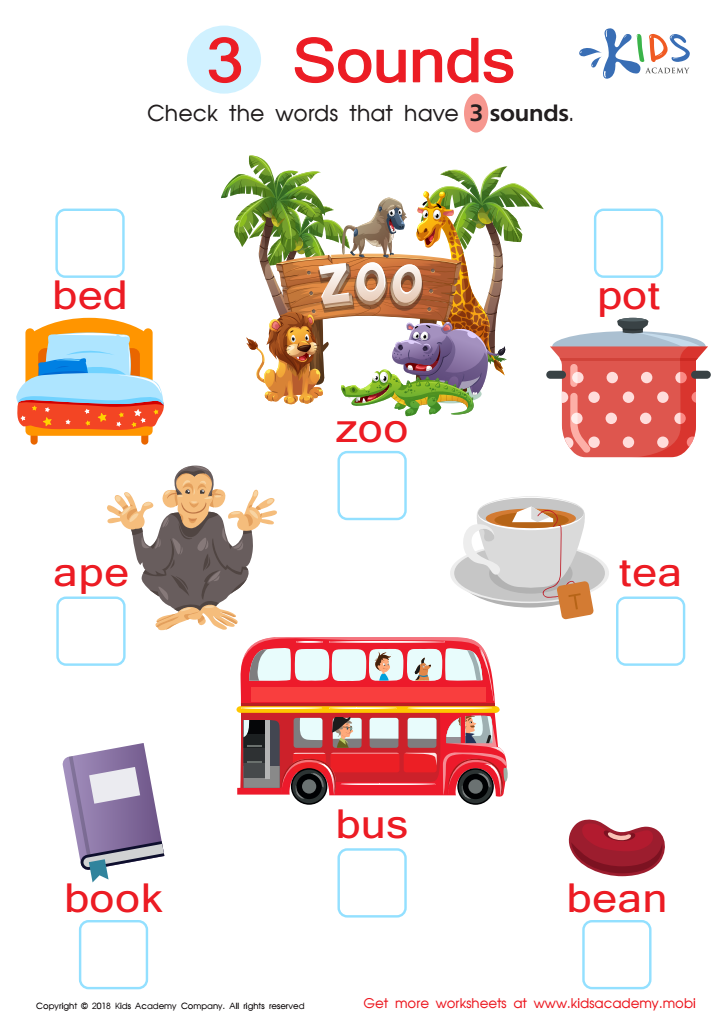
3 Sounds Worksheet
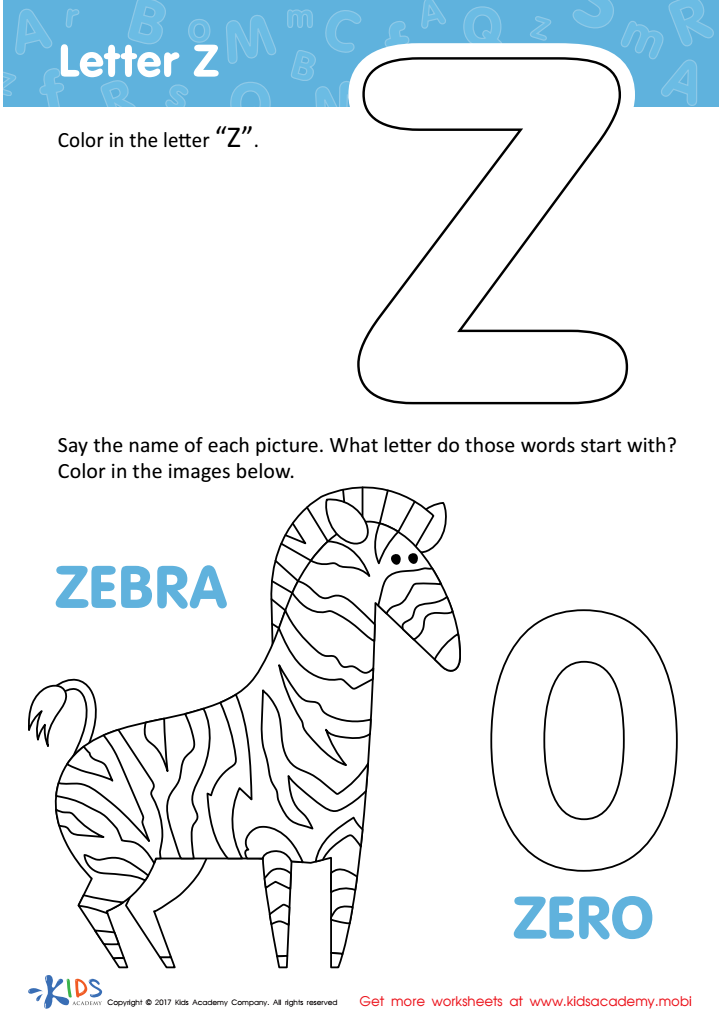
Letter Z Coloring Sheet
 Assign to My Students
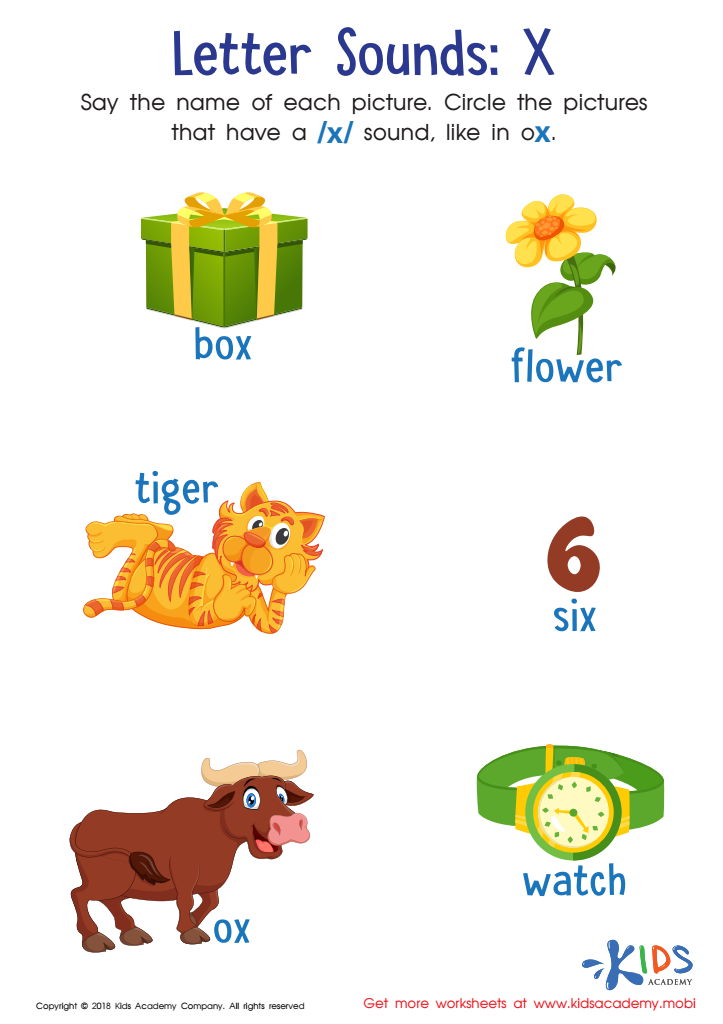
Letter X Sounds Worksheet
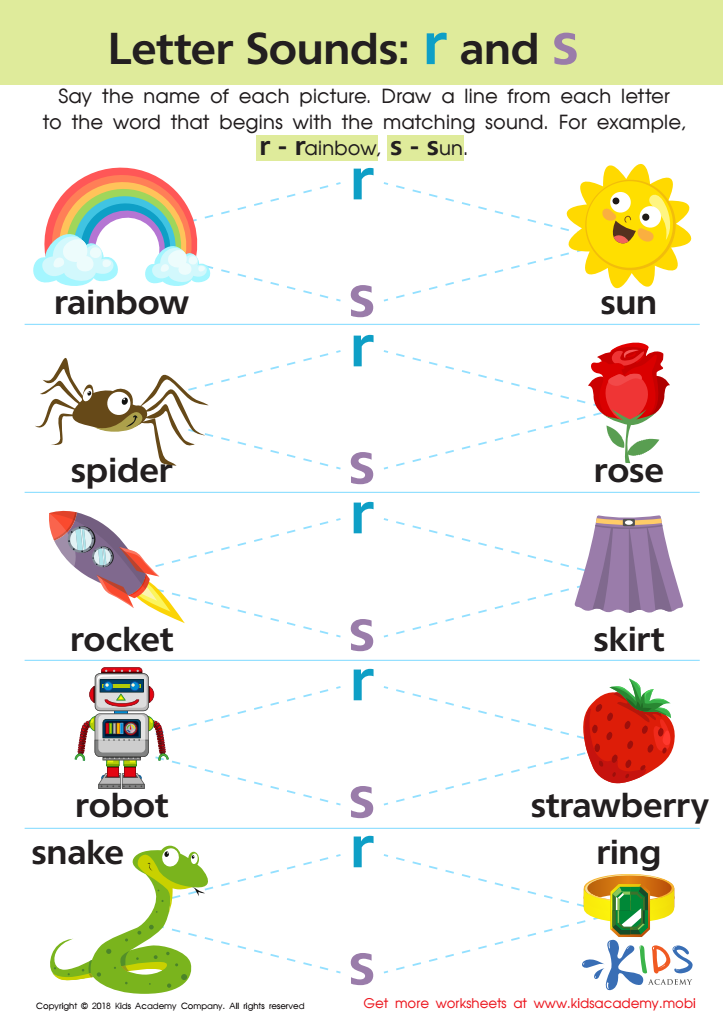
Letter R and S Sounds Worksheet
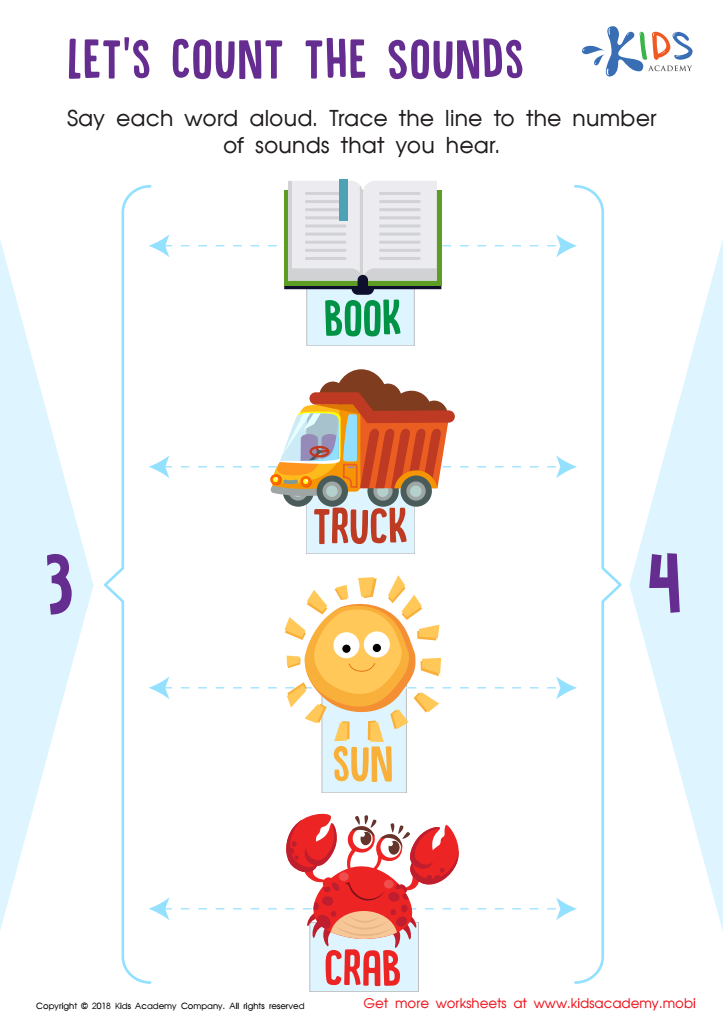
Let's Count the Sounds Worksheet
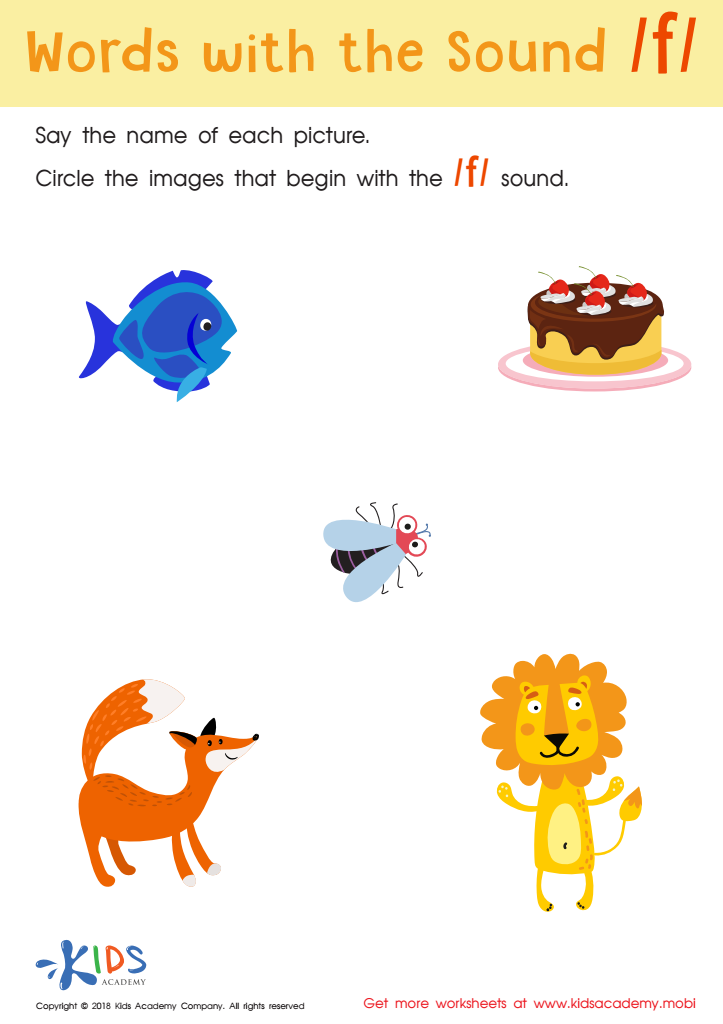
Words with sound f Reading Worksheet
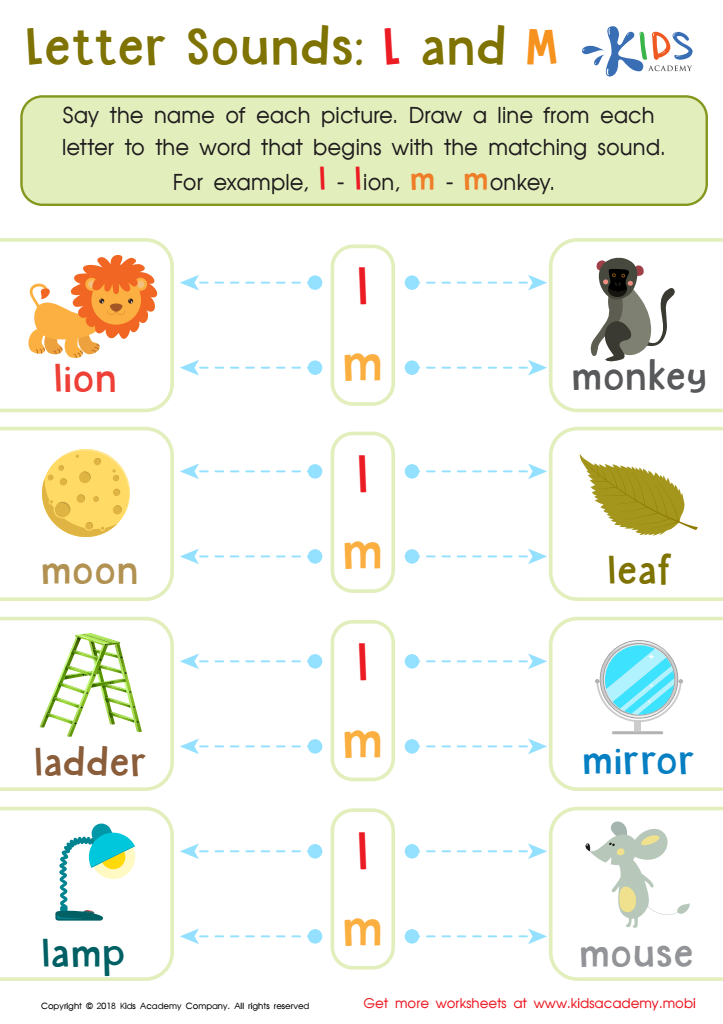
Letter l and M Sounds Worksheet
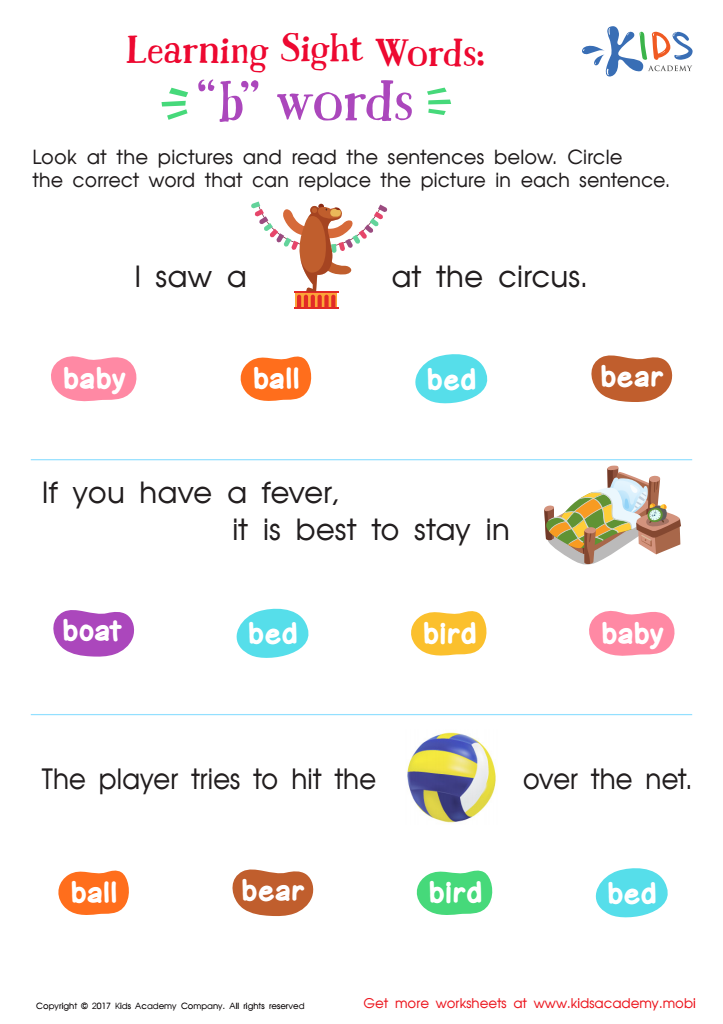
"B" Words Printable Sight Words Worksheet
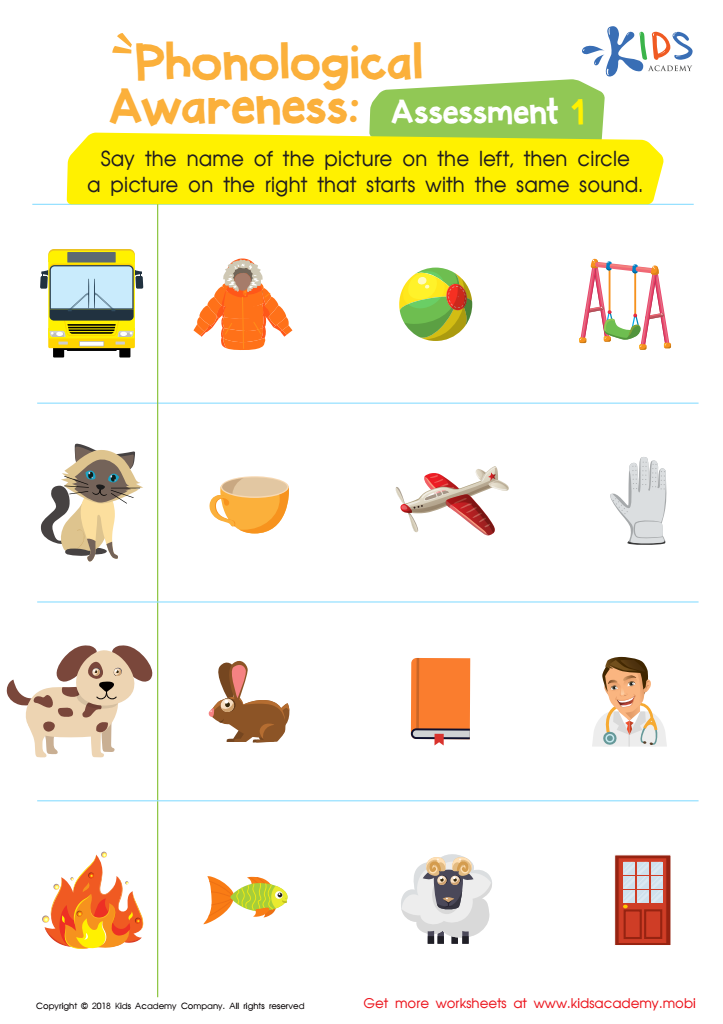
Phonological Awareness: Assessment 1 Worksheet
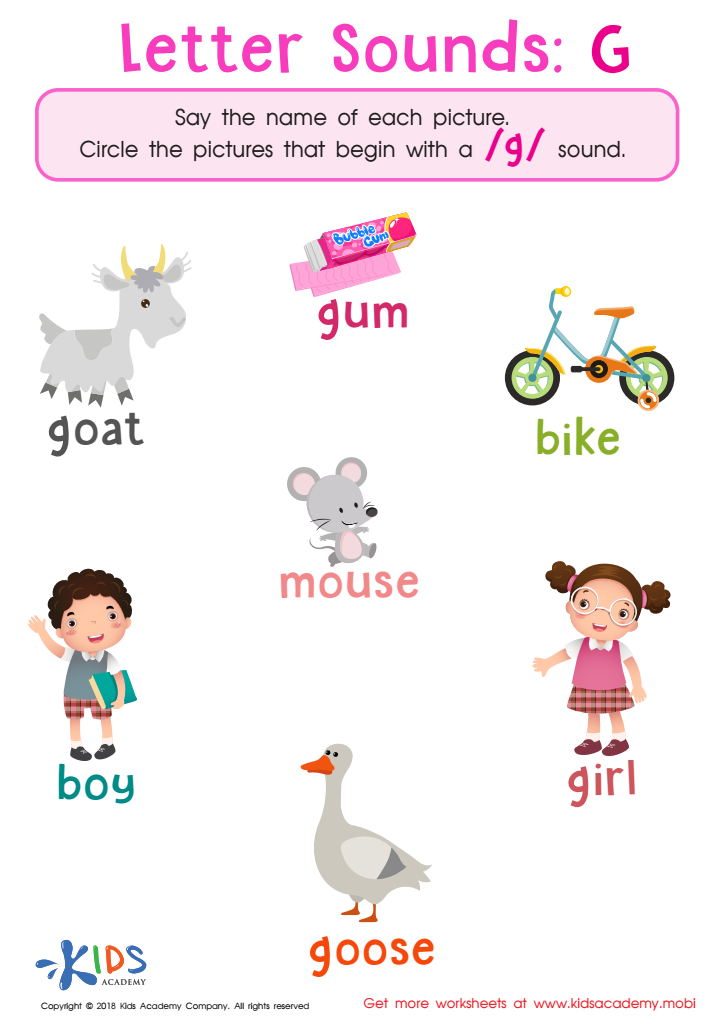
Letter G Sounds Worksheet
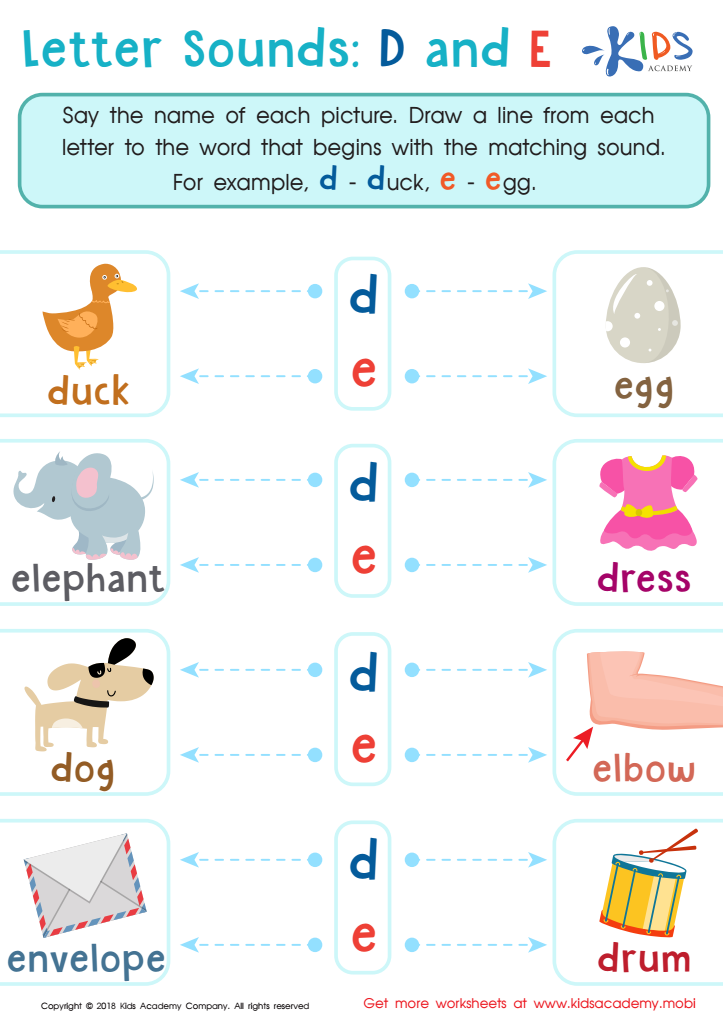
Letter D and E Sounds Worksheet







Sound association is a crucial skill for children aged 5-6 as it forms the foundation for literacy and language development. At this age, children are beginning to recognize and produce sounds, making sound association vital for their reading and writing skills. When children understand the connection between sounds and letters, they become more proficient in decoding words and eventually comprehend the text better.
Parents and teachers should care about sound association because it enhances phonemic awareness, a key predictor of reading success. Engaging children in activities that promote sound association, such as rhyming games, sound matching, and phonics, helps them build confidence and enjoyment in language. This foundational skill also supports their social communication, as children become better equipped to express themselves clearly and understand others.
Moreover, fostering sound association can lead to improved academic performance, influencing other areas of learning as children grow. Encouraging sound association at home and in the classroom creates an enriching environment where children thrive and develop essential skills for lifelong learning. By prioritizing sound association, parents and teachers invest in their children’s future academic success and self-esteem, providing them with critical tools for effective communication and comprehension.








