Visual Perception Skills Worksheets for Ages 5-6
19 filtered results
-
From - To
Enhance your child's early learning journey with our engaging Visual Perception Skills Worksheets for Ages 5-6. Designed to foster essential cognitive abilities, these worksheets help children develop crucial visual processing skills, such as discrimination, memory, and spatial awareness. Each activity is tailored to be fun and interactive, making learning an enjoyable experience. From shape identification to pattern recognition, our resources encourage kids to explore and improve their visual perception through colorful illustrations and engaging tasks. Perfect for homeschooling or classroom use, these worksheets provide invaluable practice that lays the foundation for future academic success. Start nurturing your child's visual skills today!
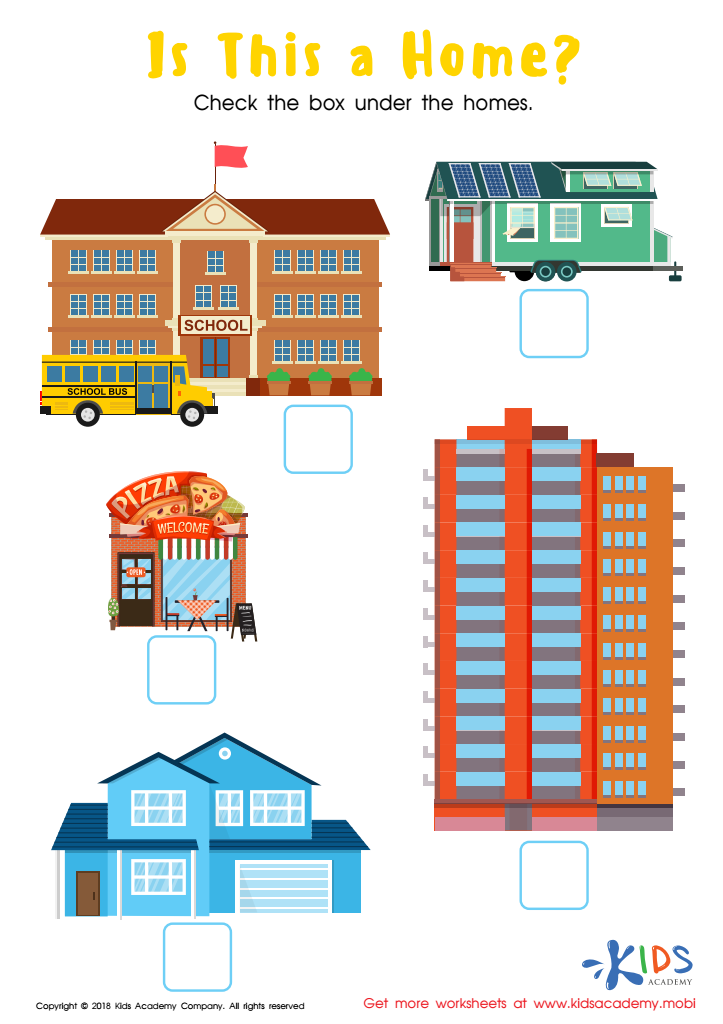
Is this a Home? Worksheet
 Assign to My Students
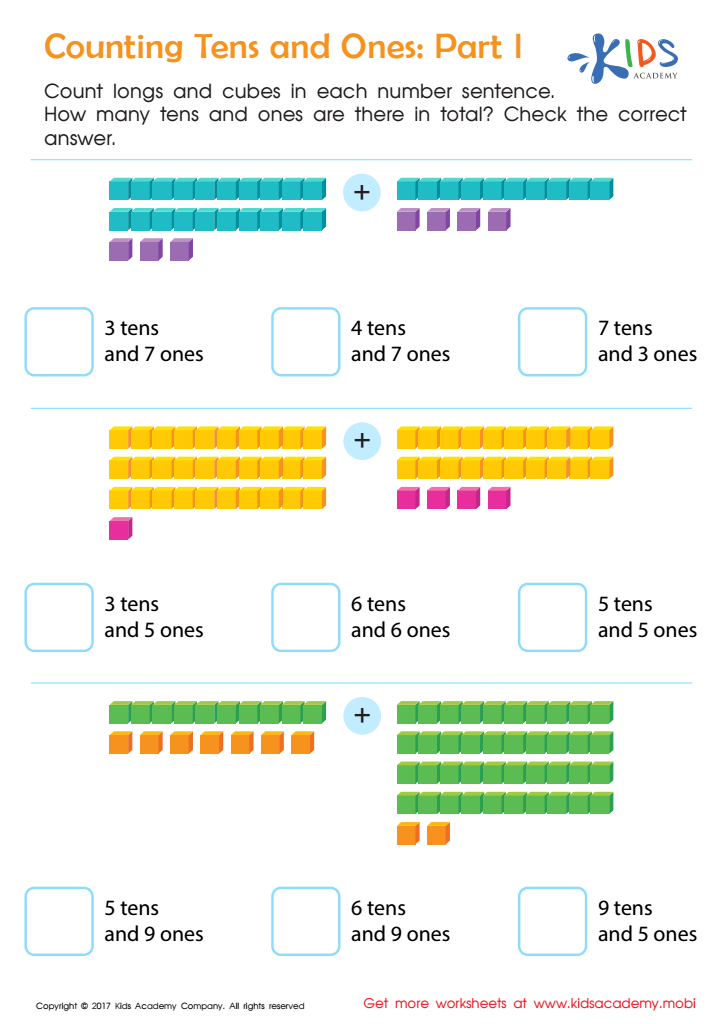
Counting Tens and Ones: Part 1 Worksheet
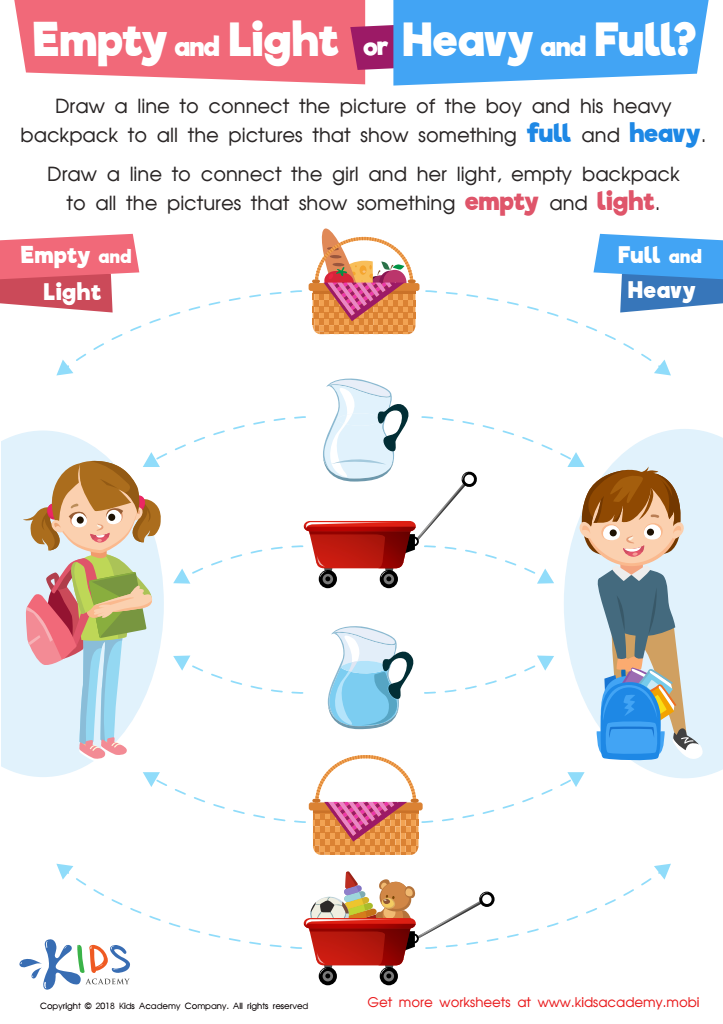
Empty and Light or Heavy and Full? Worksheet
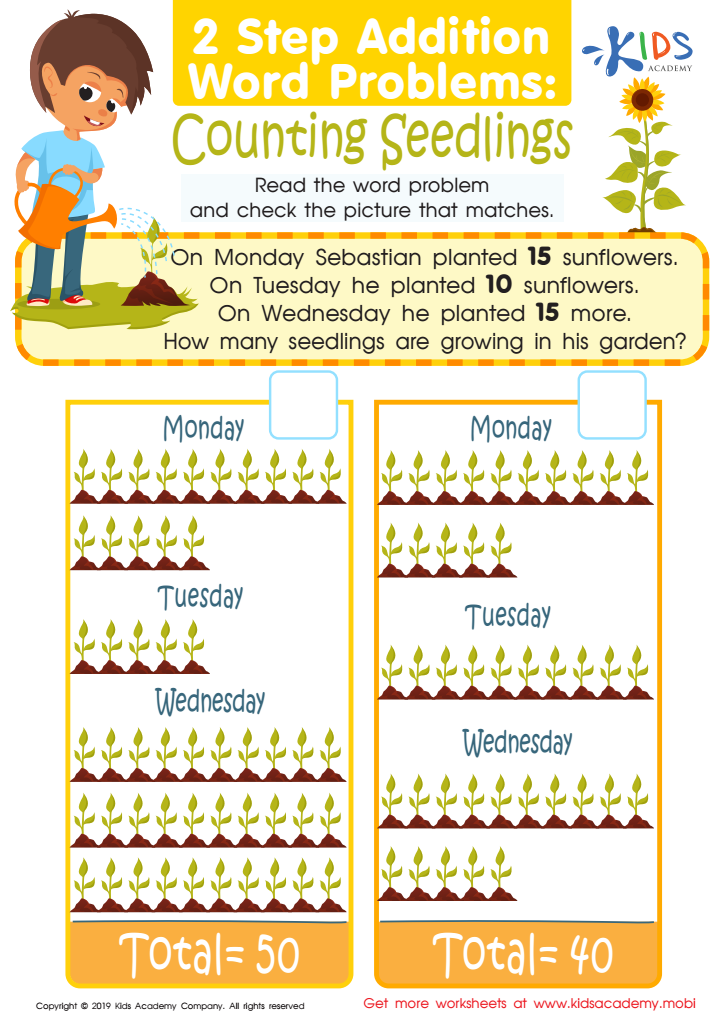
Counting Seedlings Worksheet
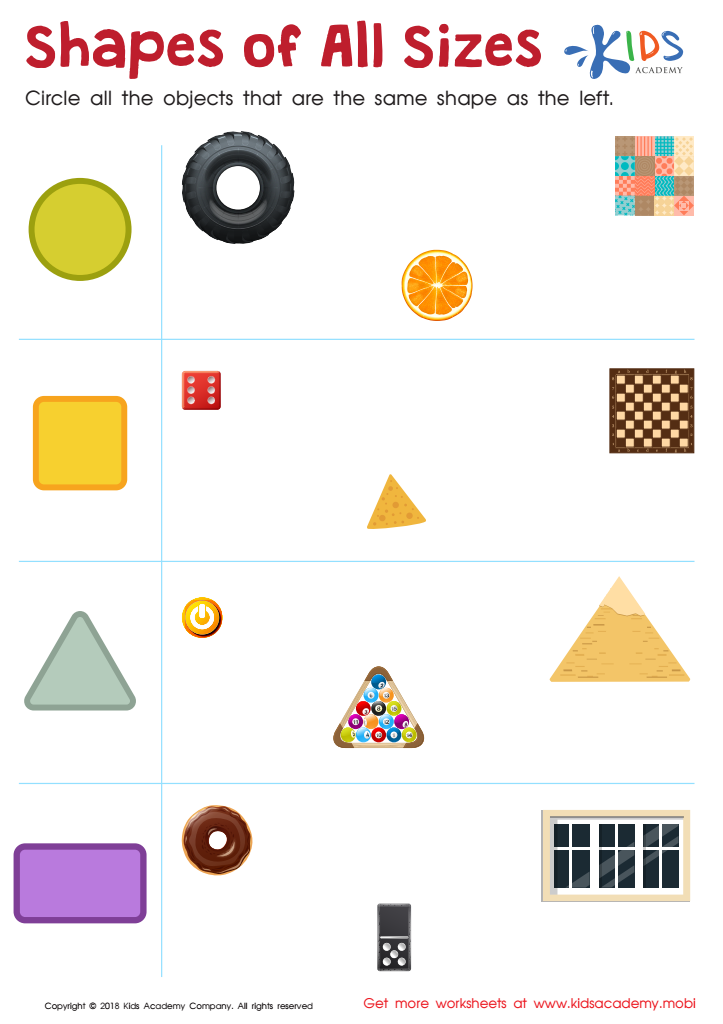
Shapes of All Sizes Worksheet
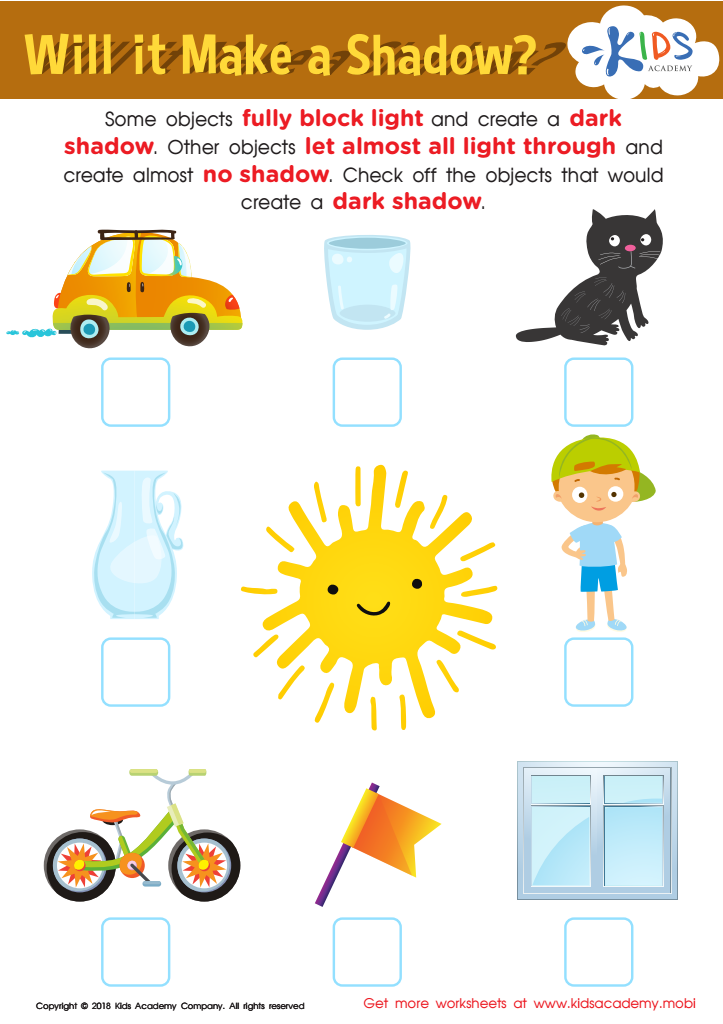
Will It Make a Shadow? Worksheet
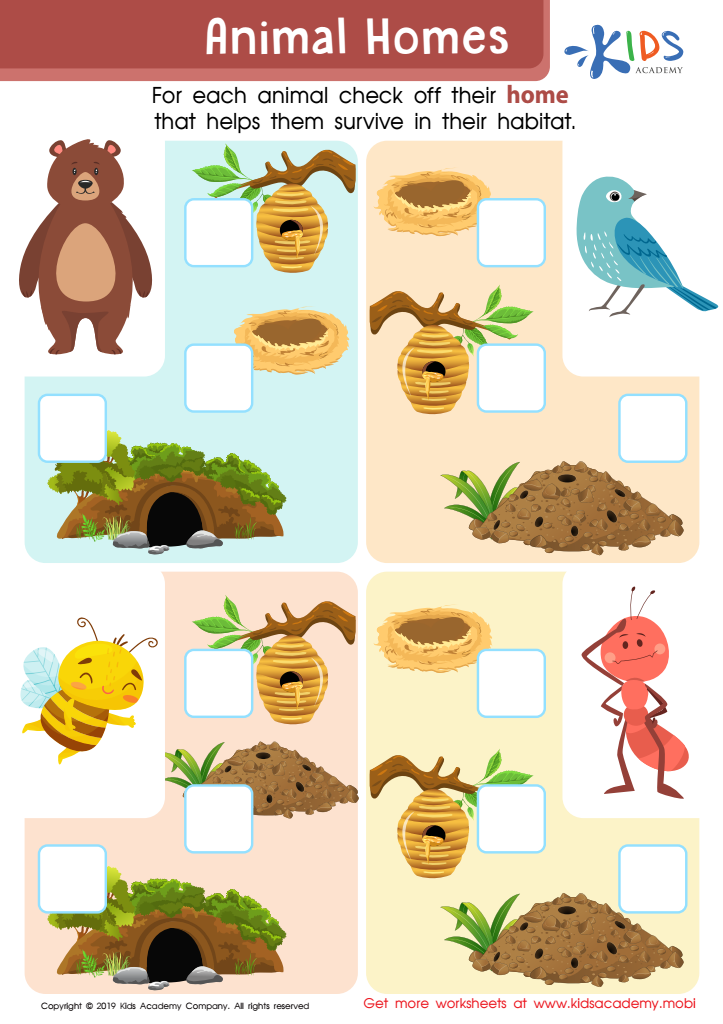
Animal Homes Worksheet
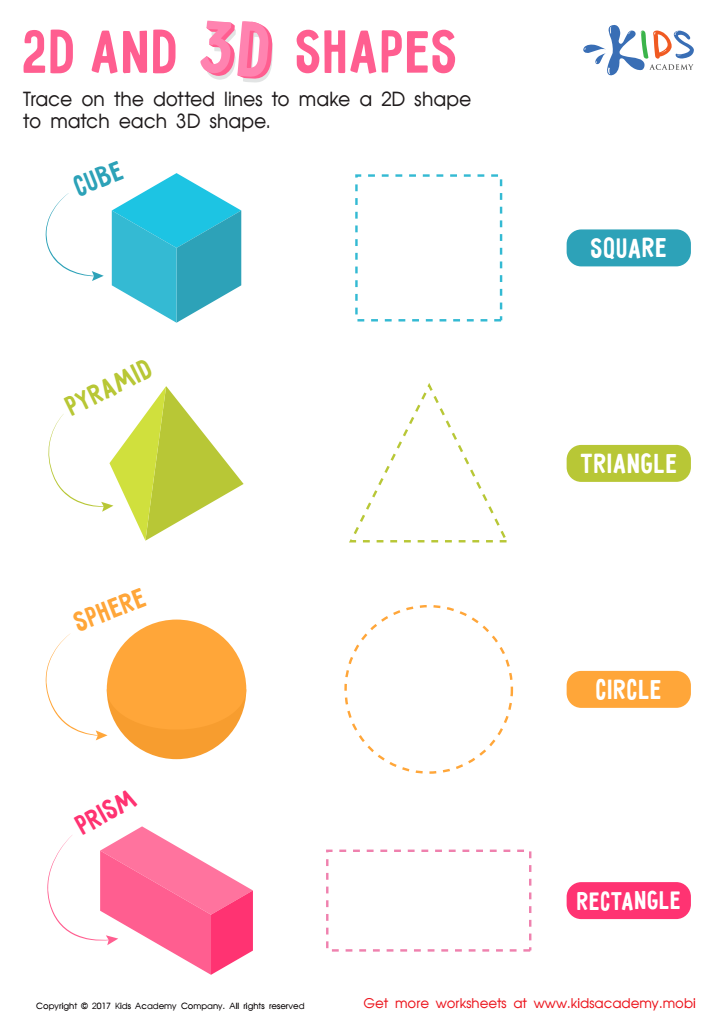
2D and 3D Shapes Worksheet
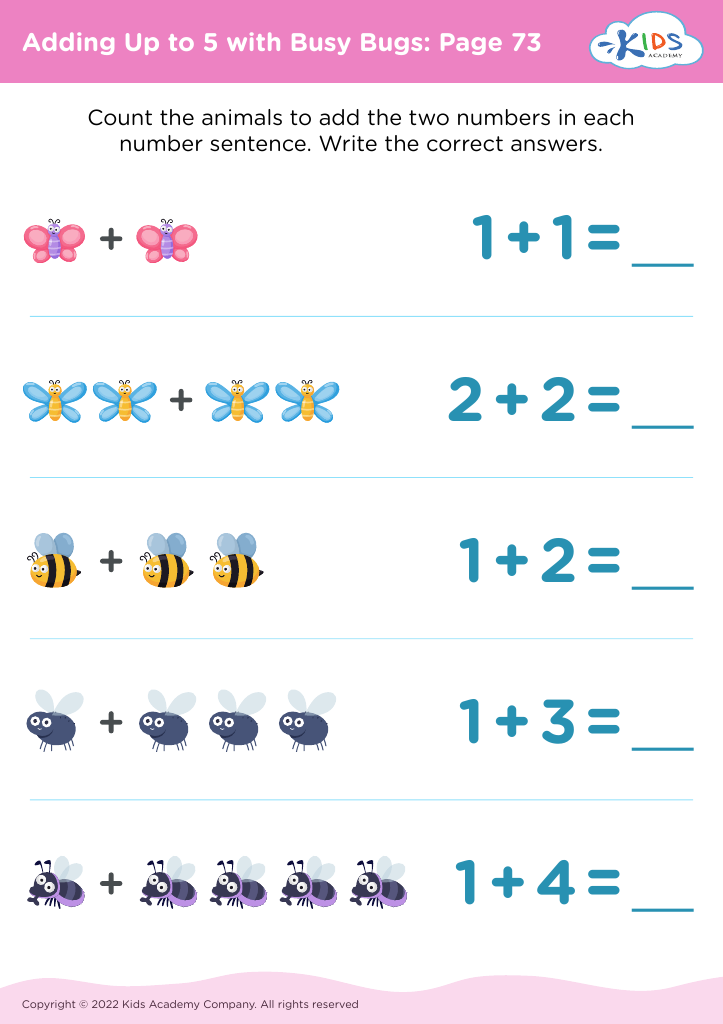
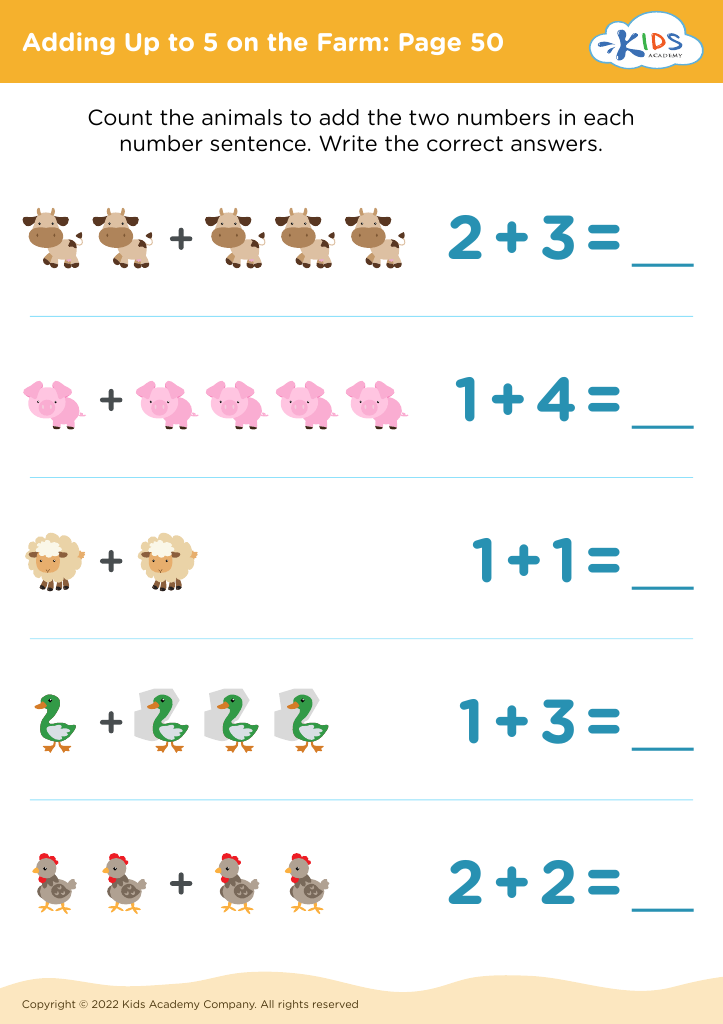
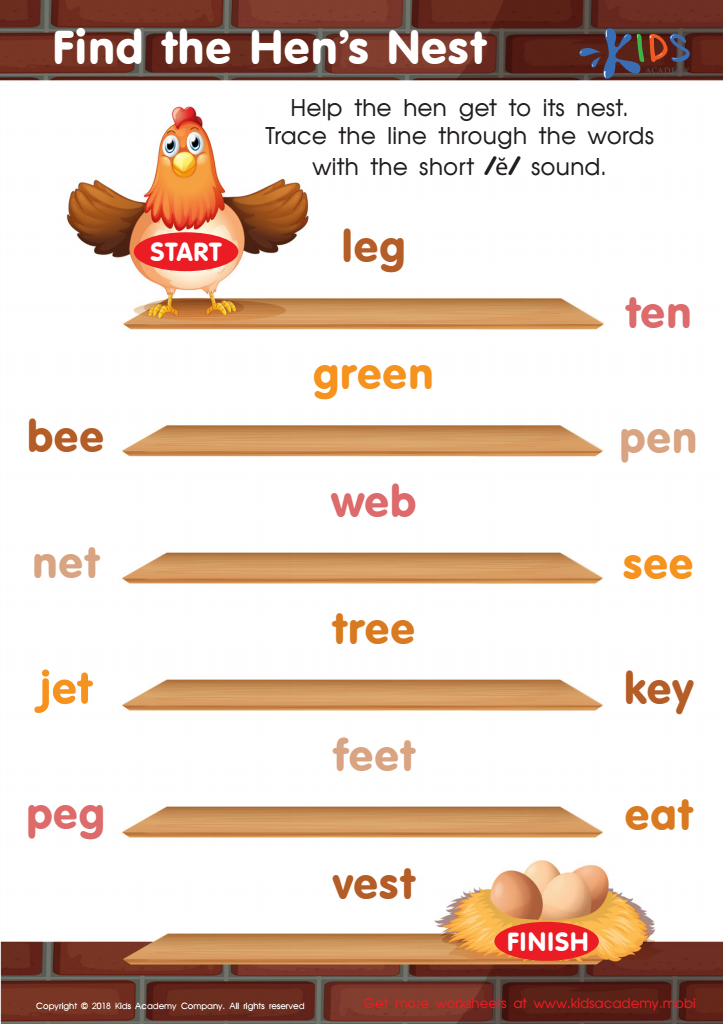
Find Hens Nest Reading Worksheet
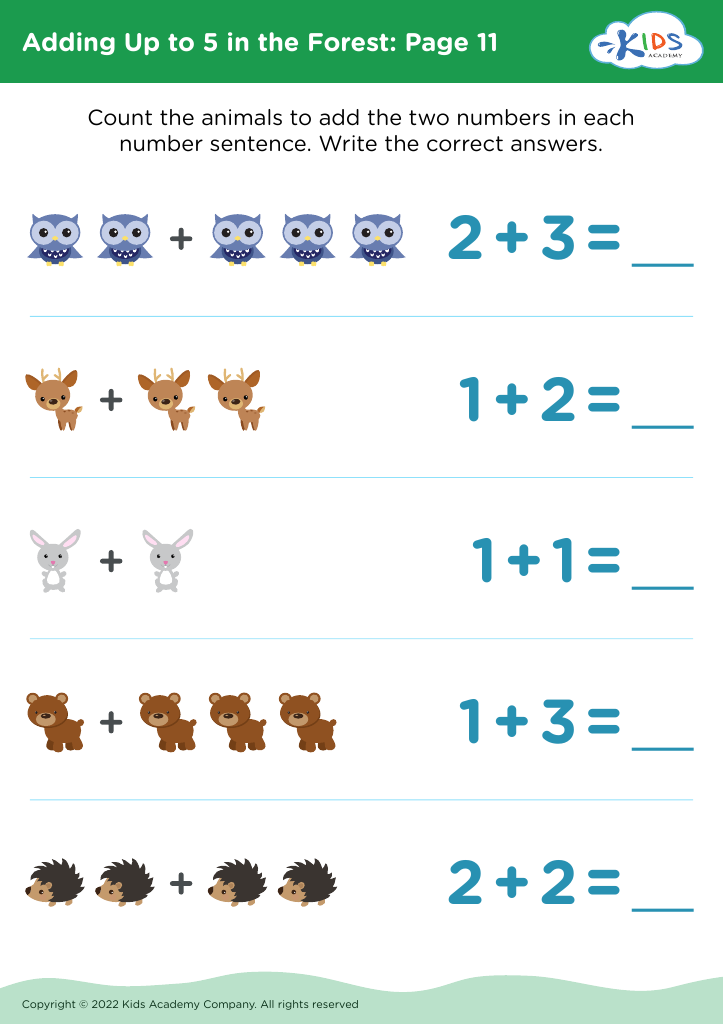
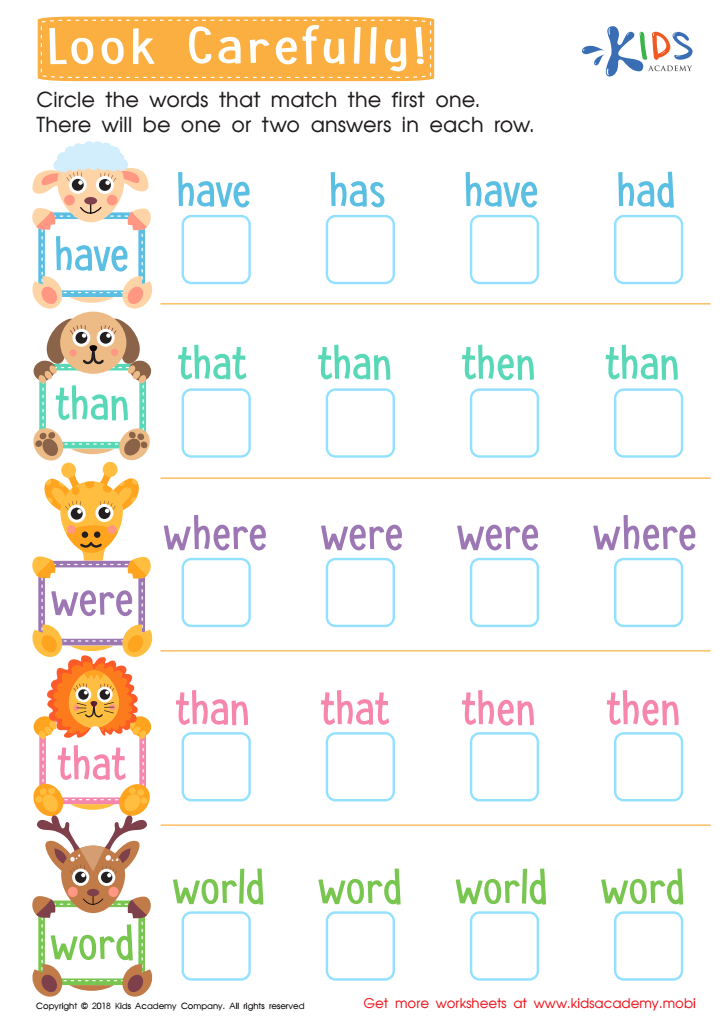
Look Carefully Worksheet
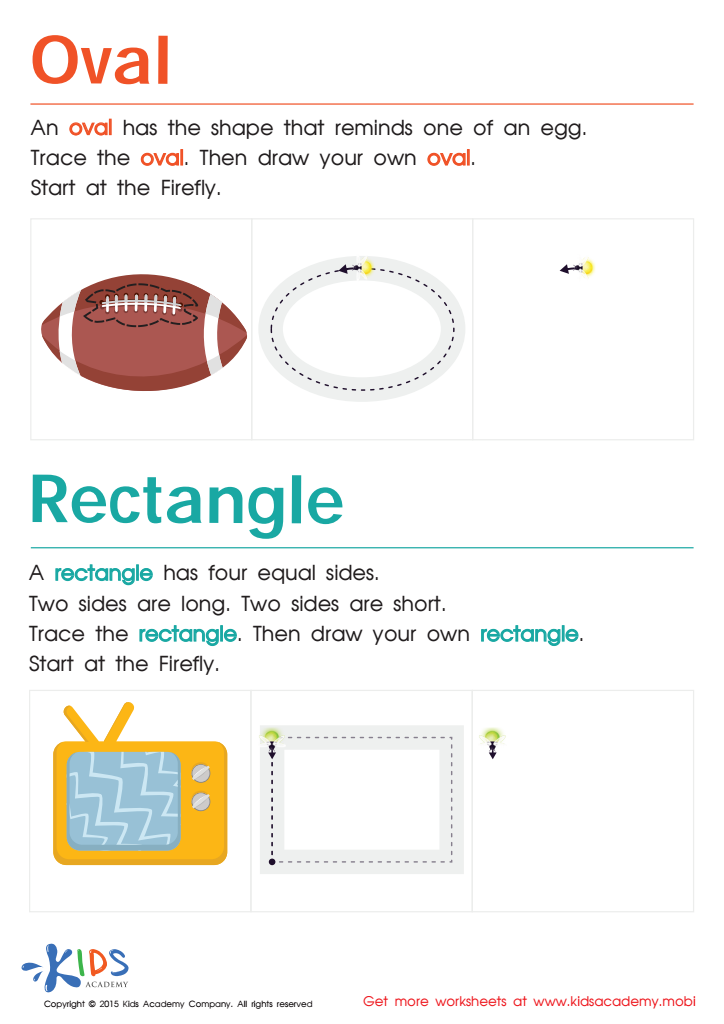
Easy Drawing of Ovals And Rectangles Worksheet
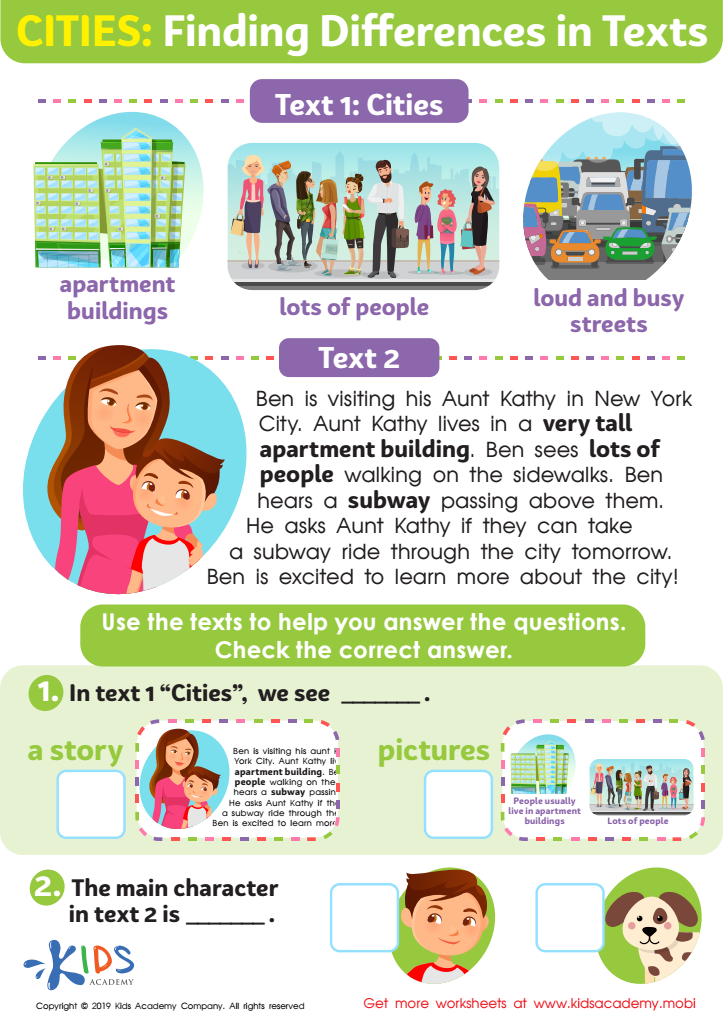
Cities: Finding Differences Worksheet
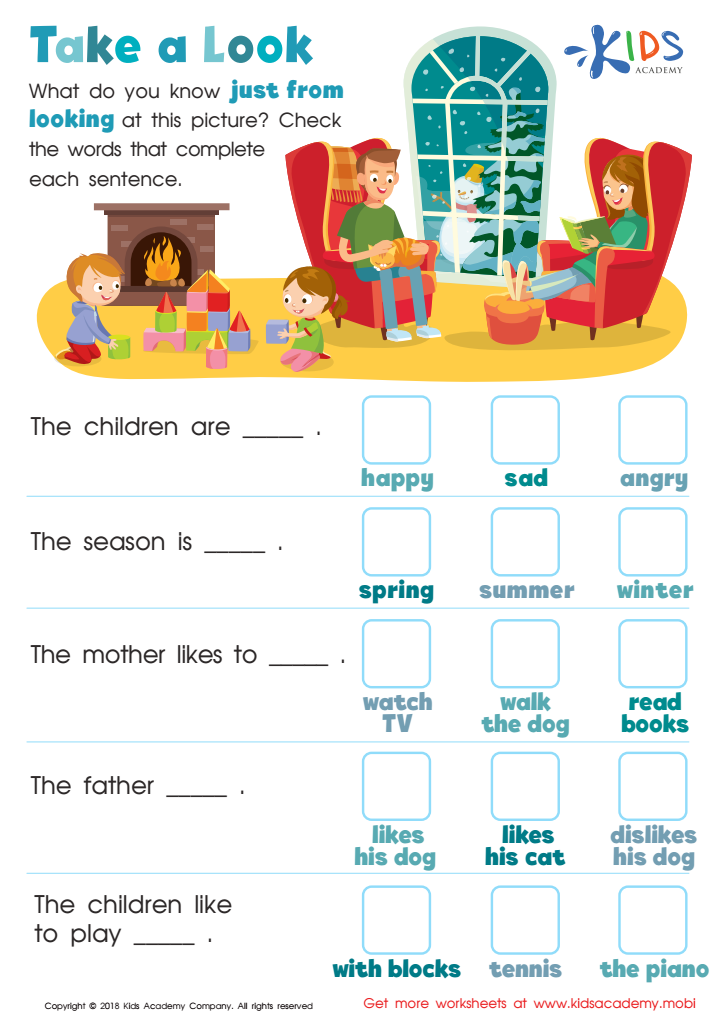
Take a Look - Part 1 Worksheet
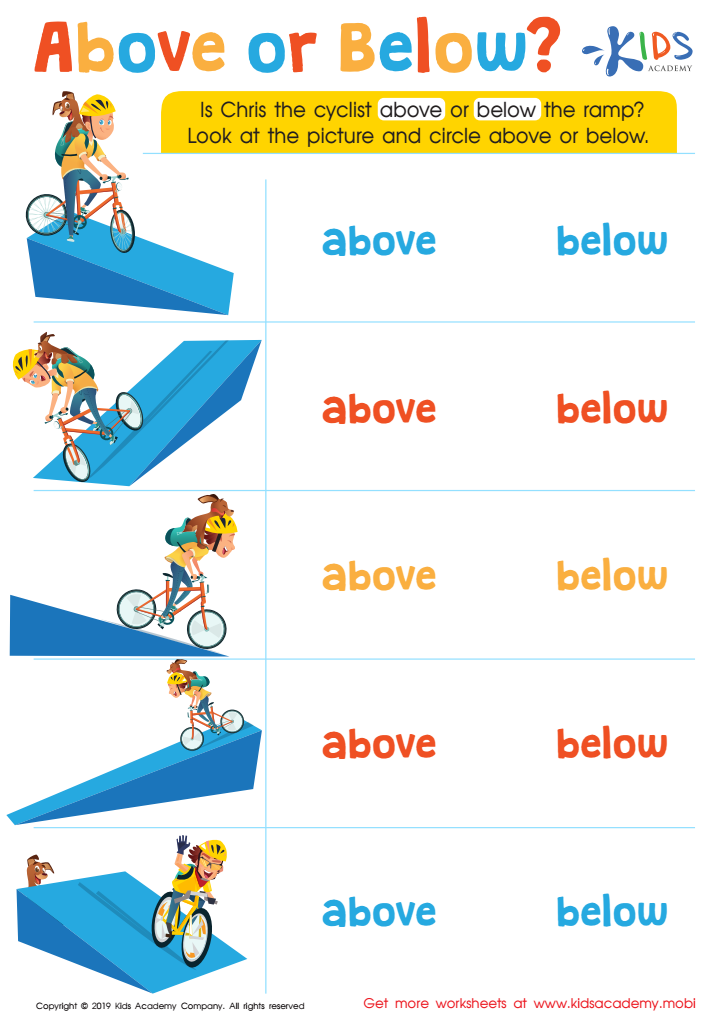
Above or Below? Worksheet
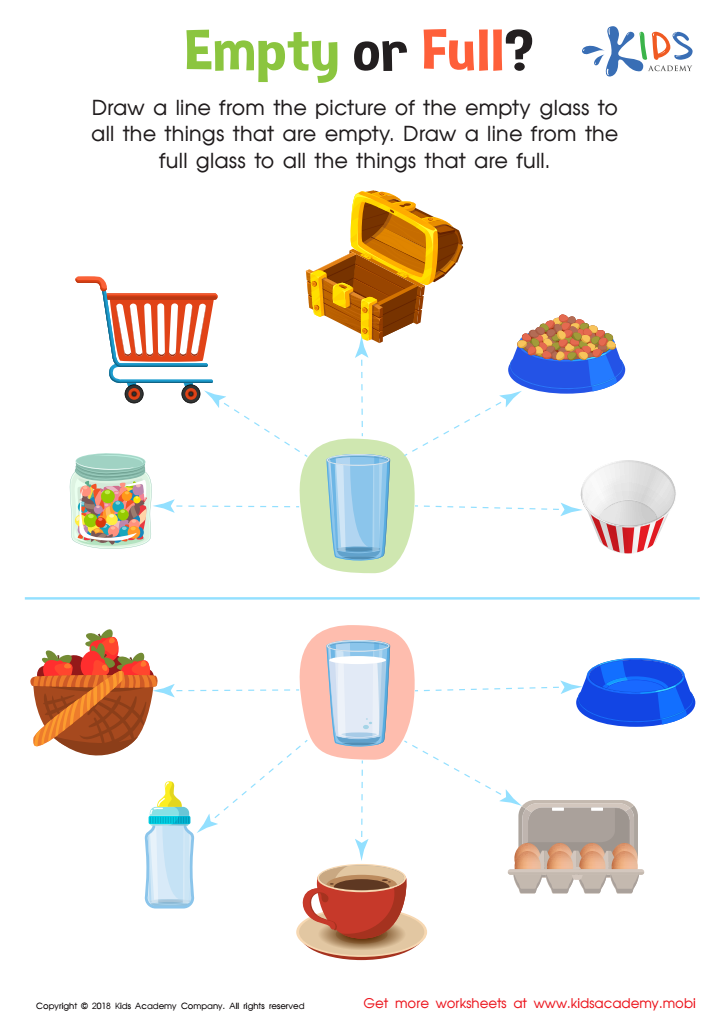
Empty or Full? Worksheet





Visual perception skills are crucial for children aged 5-6, as they form the foundation for various learning experiences. At this age, children are beginning to read, write, and engage in educational activities that heavily rely on their ability to interpret and understand visual information. Strong visual perception skills help children recognize letters, numbers, and shapes, which are vital for literacy and numeracy development.
Moreover, these skills facilitate spatial awareness and enhance hand-eye coordination, essential for tasks like cutting, drawing, or playing sports. Children who struggle with visual perception may face challenges in school, which can affect their self-esteem and motivation to learn. By prioritizing visual perception, parents and teachers can support individualized learning plans that cater to a child's unique needs.
Furthermore, engaging children in activities that promote visual perception—like matching games, puzzles, or interactive reading—can foster critical thinking and problem-solving abilities, laying the groundwork for future academic success. Additionally, good visual processing contributes to social skills, as children learn to interpret non-verbal cues and express themselves clearly. Thus, focusing on visual perception skills not only benefits academic performance but also nurtures holistic development in young learners.








