Critical Thinking 2D Shapes Worksheets for Ages 5-6
5 filtered results
-
From - To
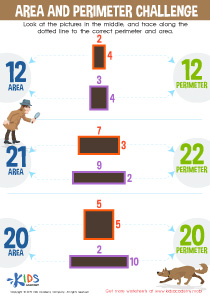
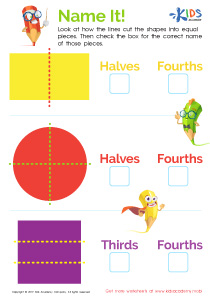
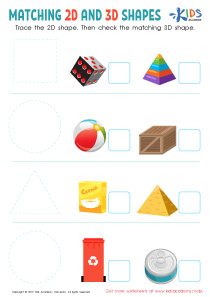
Enhance your child's critical thinking skills with our engaging 2D Shapes Worksheets designed for ages 5-6. These worksheets are perfect for young learners to explore various shapes such as squares, circles, triangles, and rectangles in an interactive and fun way. By tackling creative challenges and problem-solving activities, children will develop essential analytical skills while gaining confidence in recognizing and understanding shapes. Our thoughtfully crafted exercises promote cognitive growth, ensuring your little one not only learns about 2D shapes but also engages in critical thinking processes that lay the foundation for future math success. Encourage creativity and analysis with our educational resources today!
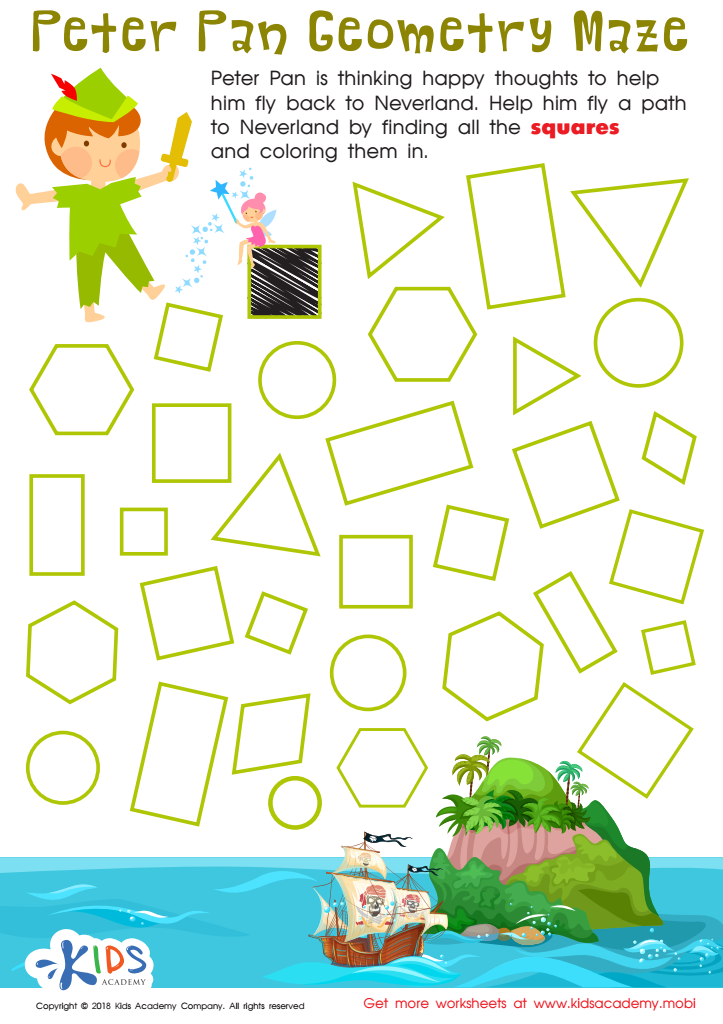
Peter Pan Worksheet
 Assign to My Students








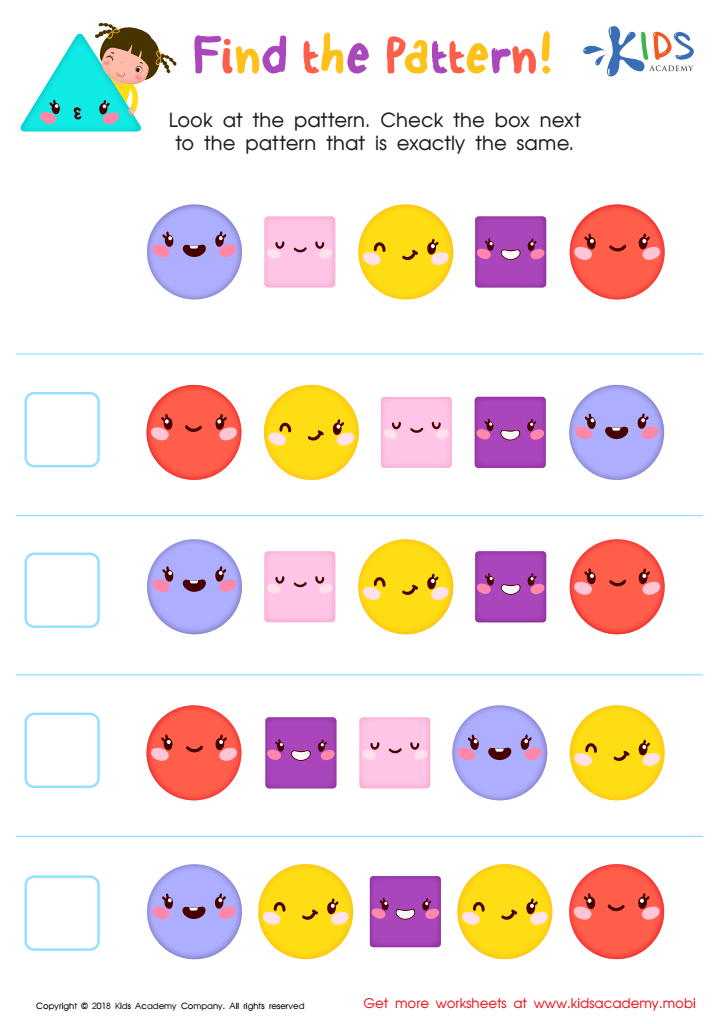
Find the Pattern Worksheet
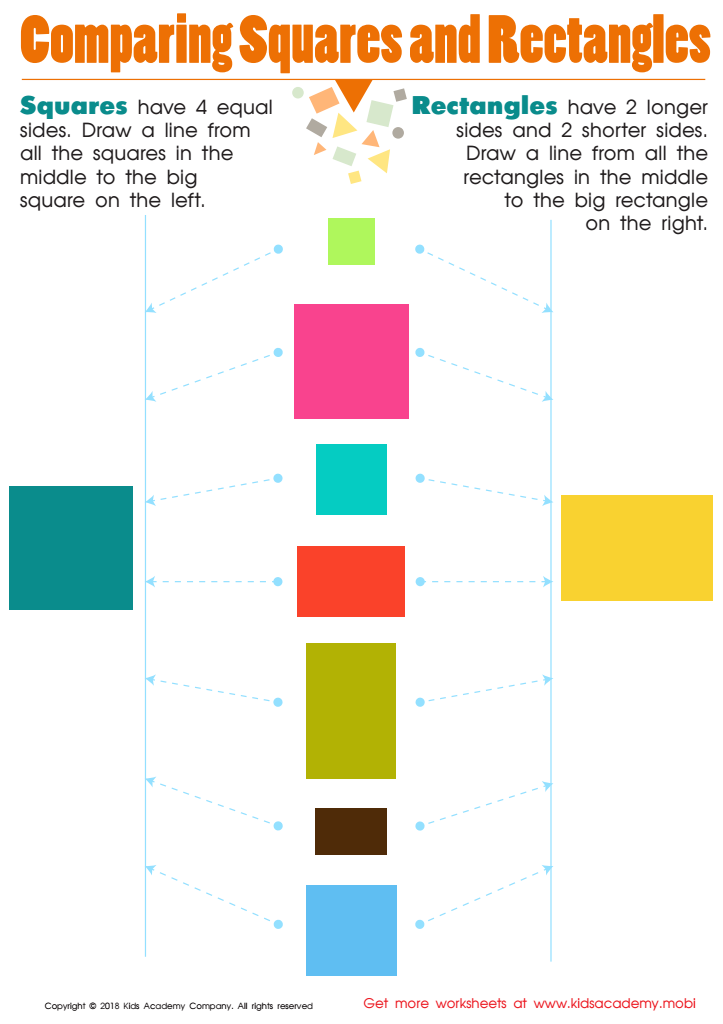
Comparing Squares Rectangles Worksheet
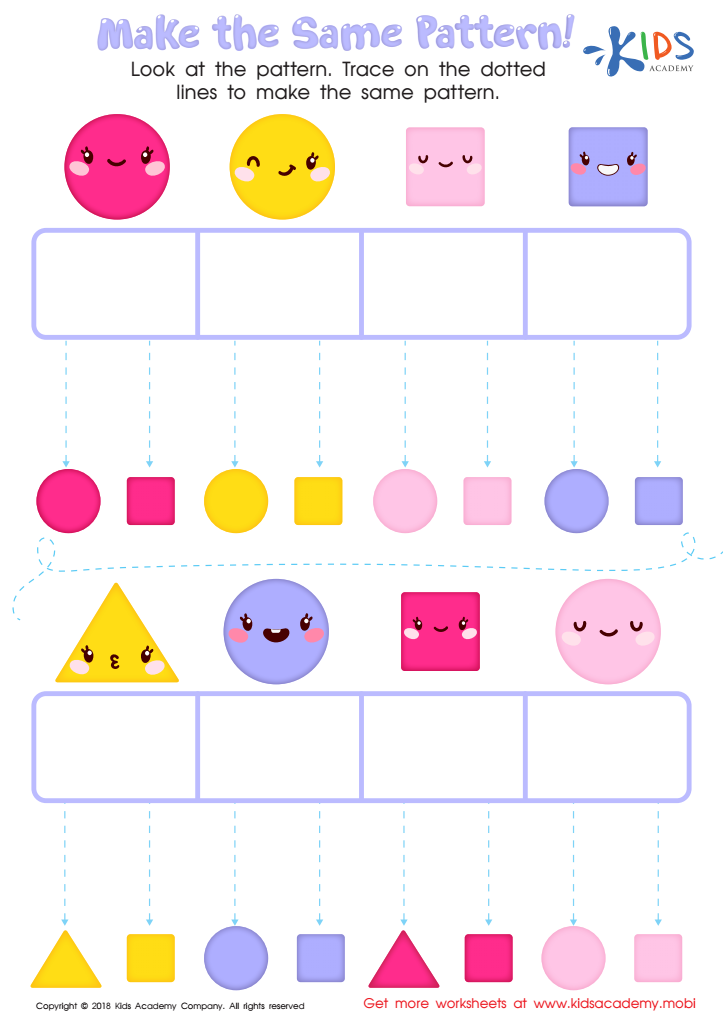
Make the Same Pattern Worksheet
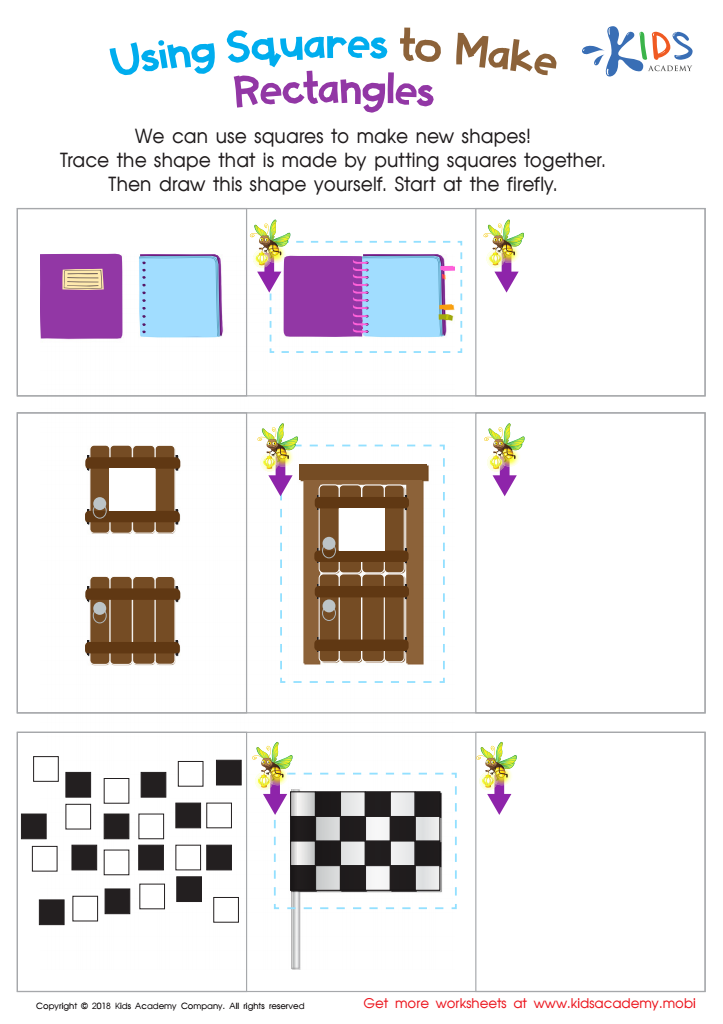
Using Squares to Make Rectangles Worksheet








Critical thinking in relation to 2D shapes is vital for children ages 5-6 as it lays the foundation for their cognitive development and mathematical understanding. At this stage, children are naturally curious and eager to explore, making it an ideal time to introduce concepts of shapes and their properties. Parents and teachers should care about nurturing this skill because it empowers children to observe, analyze, and make connections in the world around them.
Engaging with 2D shapes encourages youngsters to classify, compare, and reason about different forms, which fosters logical thinking and problem-solving skills. These foundational skills are essential not just in mathematics but also in everyday life situations. For instance, recognizing shapes in their environment can help children develop spatial awareness and artistic skills.
Additionally, integrating critical thinking activities involving shapes—such as sorting, identifying, and constructing—enhances their creativity and promotes collaborative learning. Consequently, instilling these skills at an early age equips children with the tools necessary for success in future learning. By caring about critical thinking in 2D shapes, parents and teachers are investing in a child's overall intellectual growth, laying the groundwork for their future academic achievements and life skills.