Visual Learning Addition & Subtraction Worksheets for Ages 5-6 - Page 2
92 filtered results
-
From - To
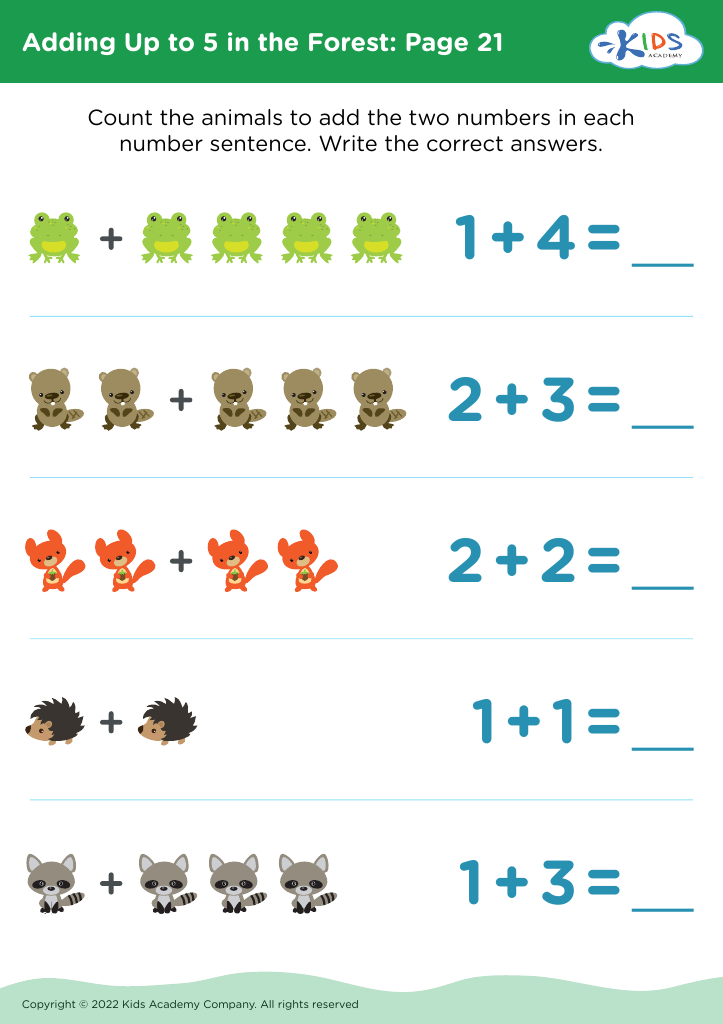
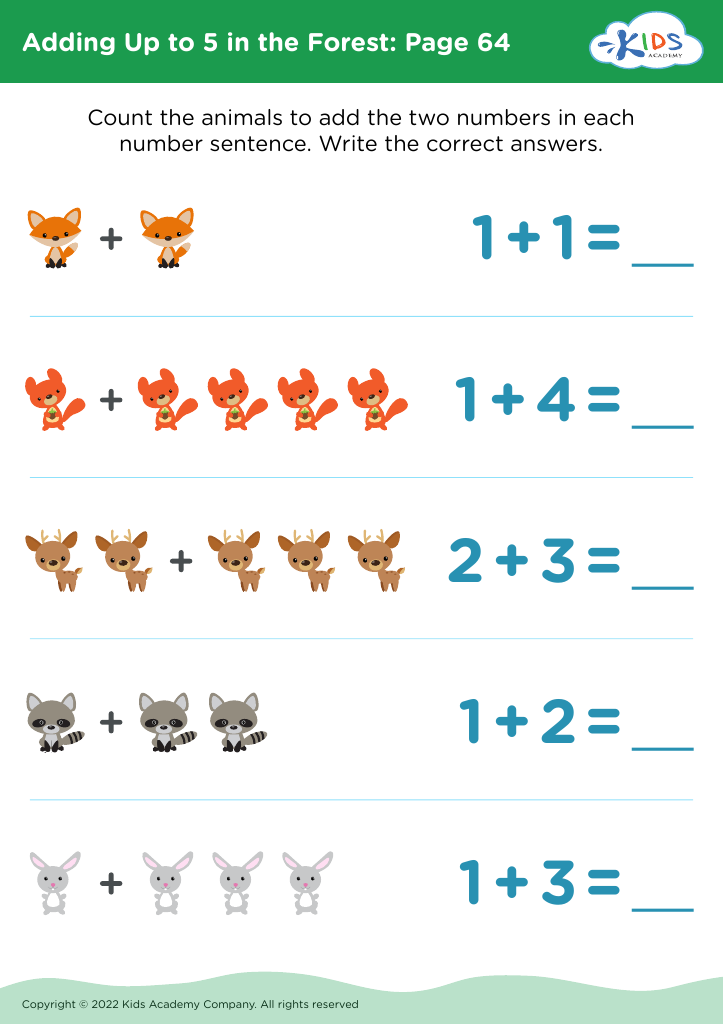
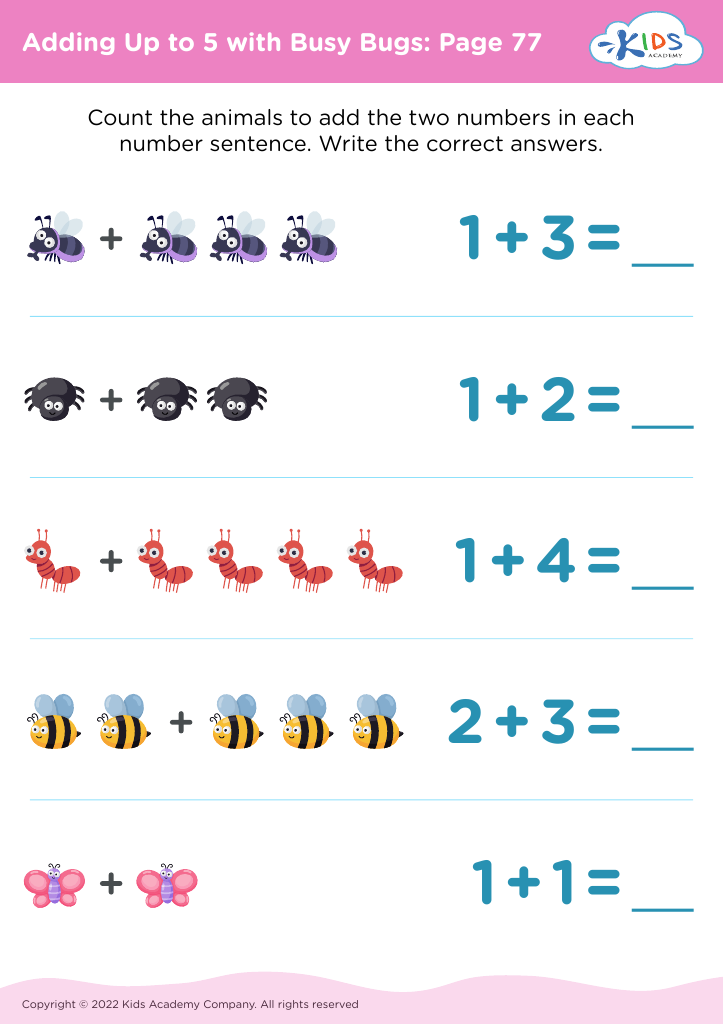
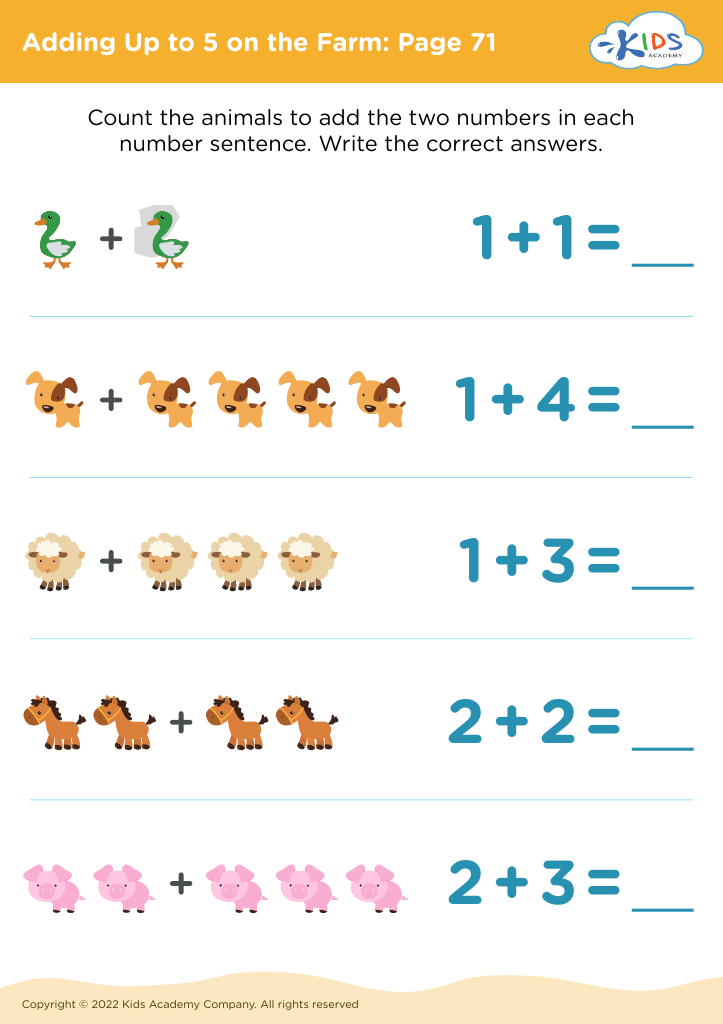
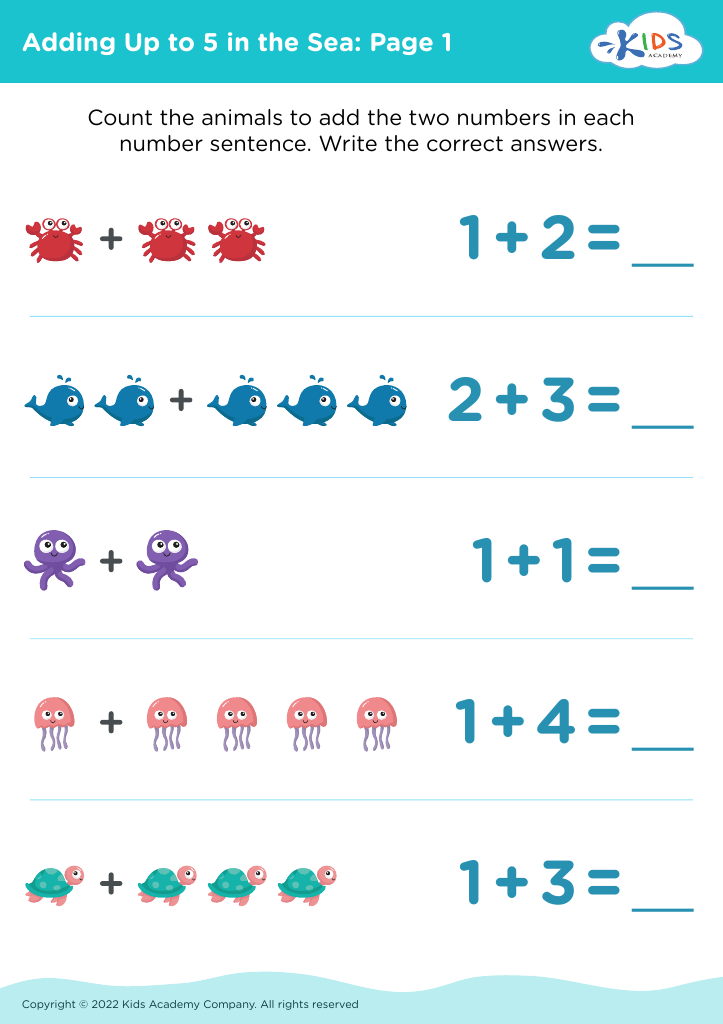
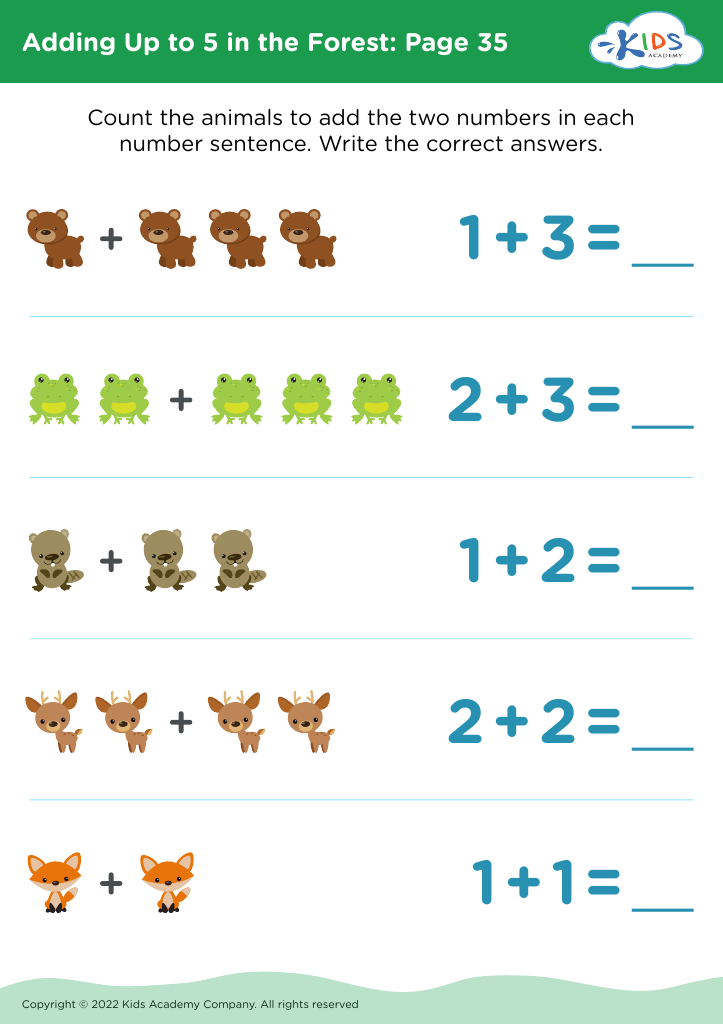
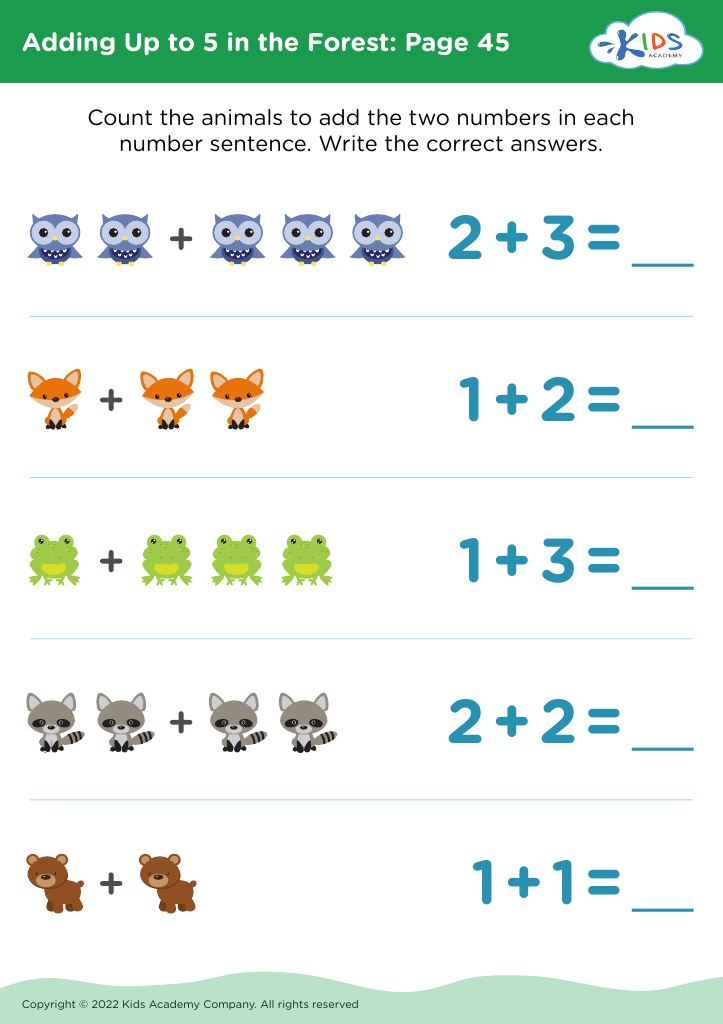
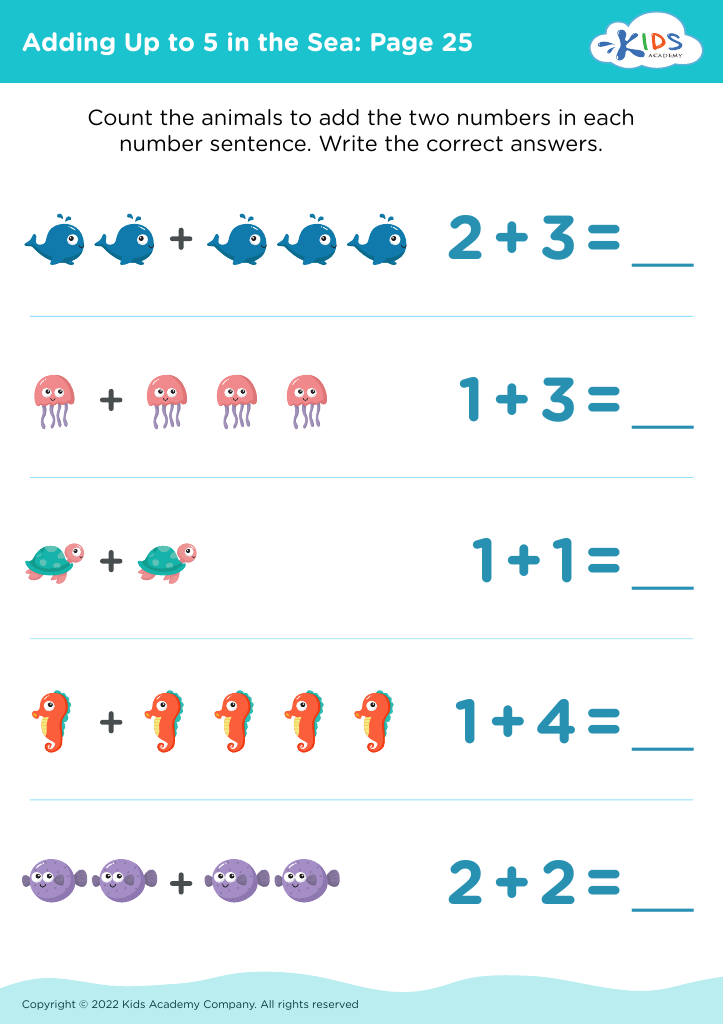
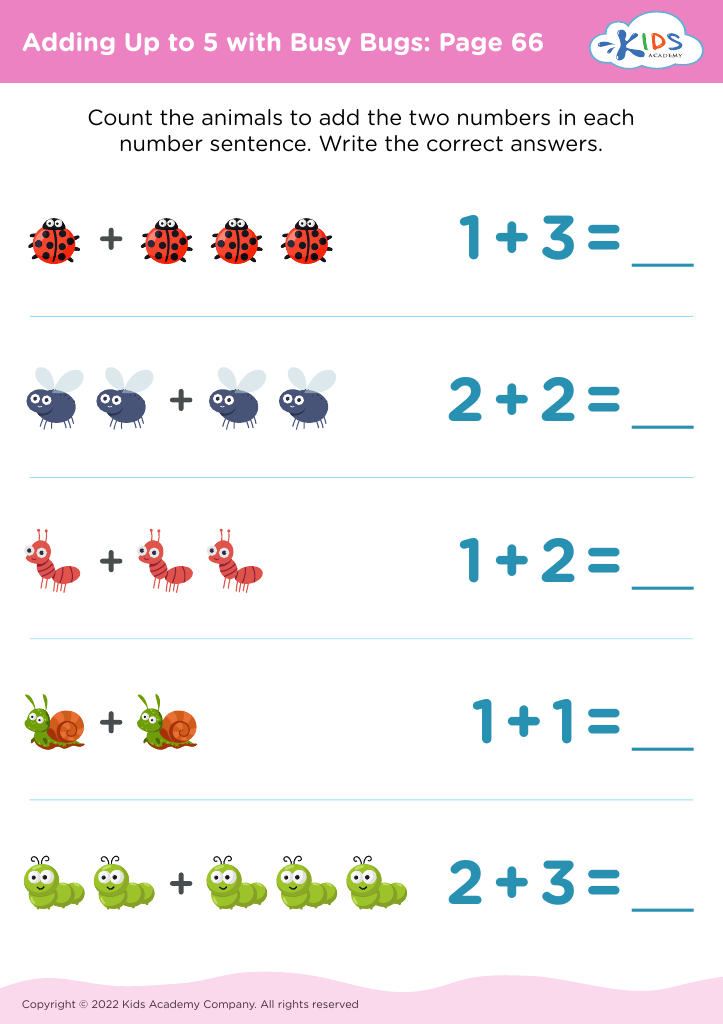
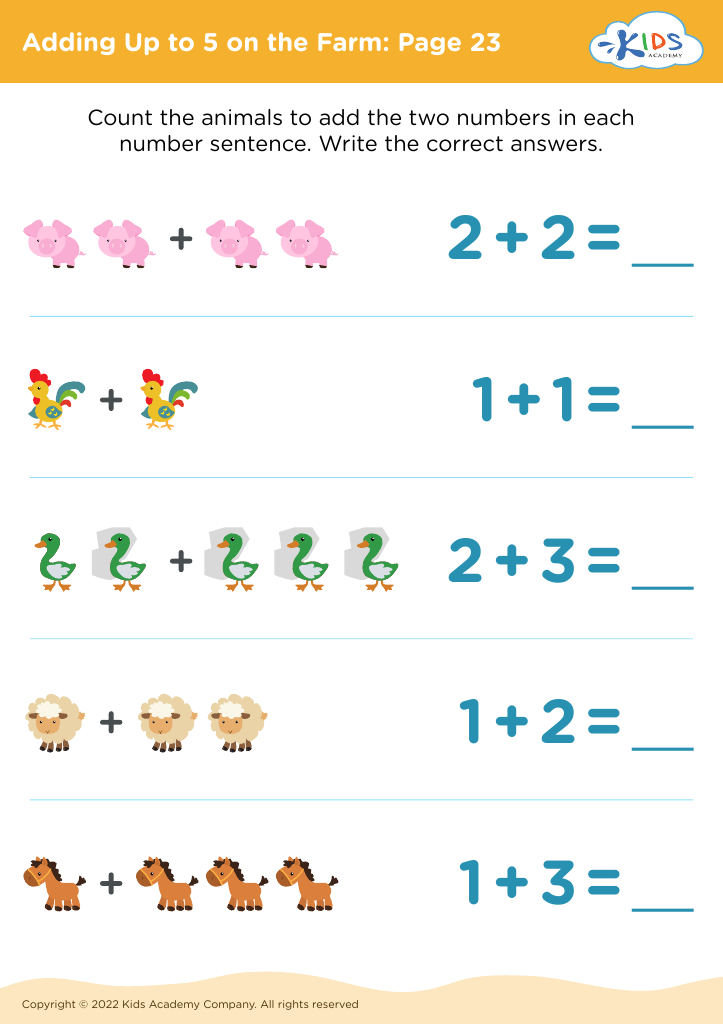
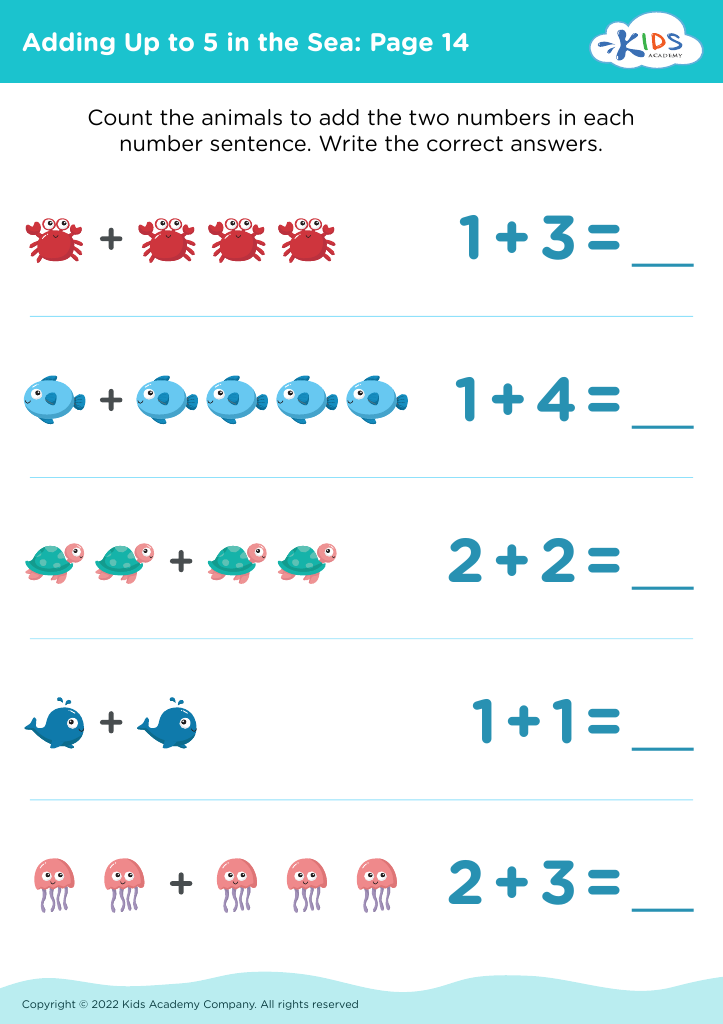
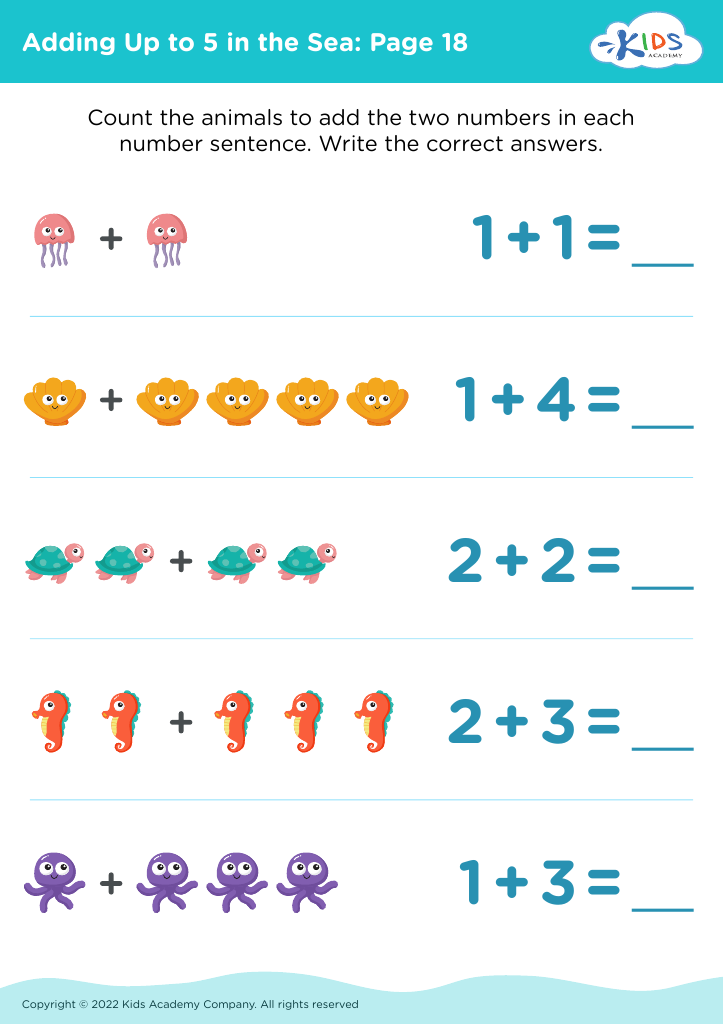
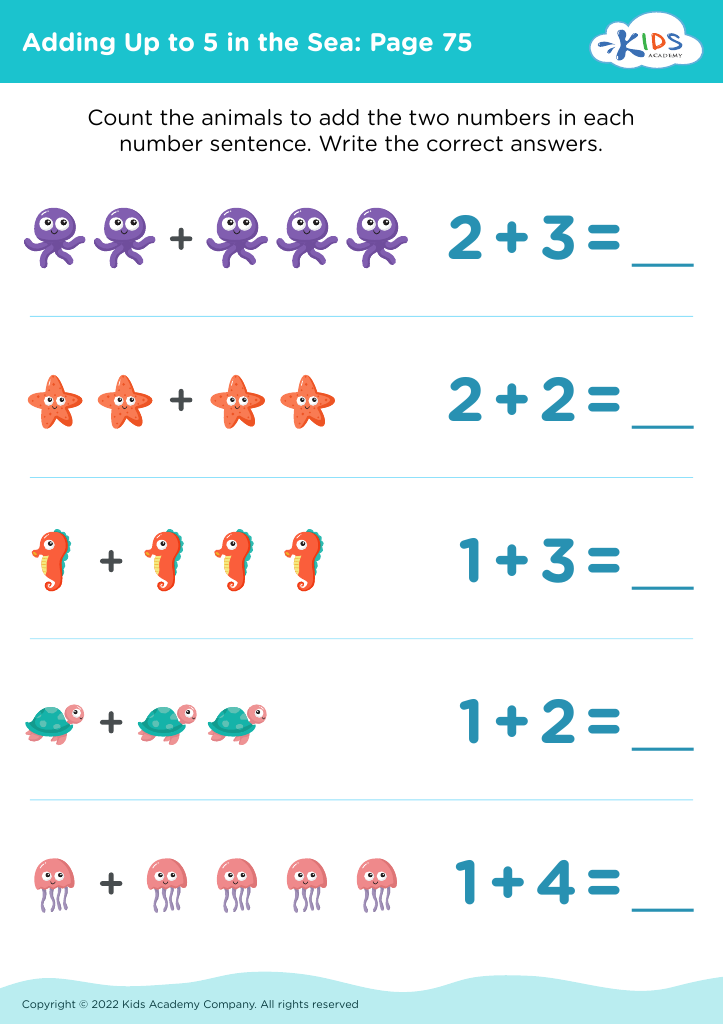
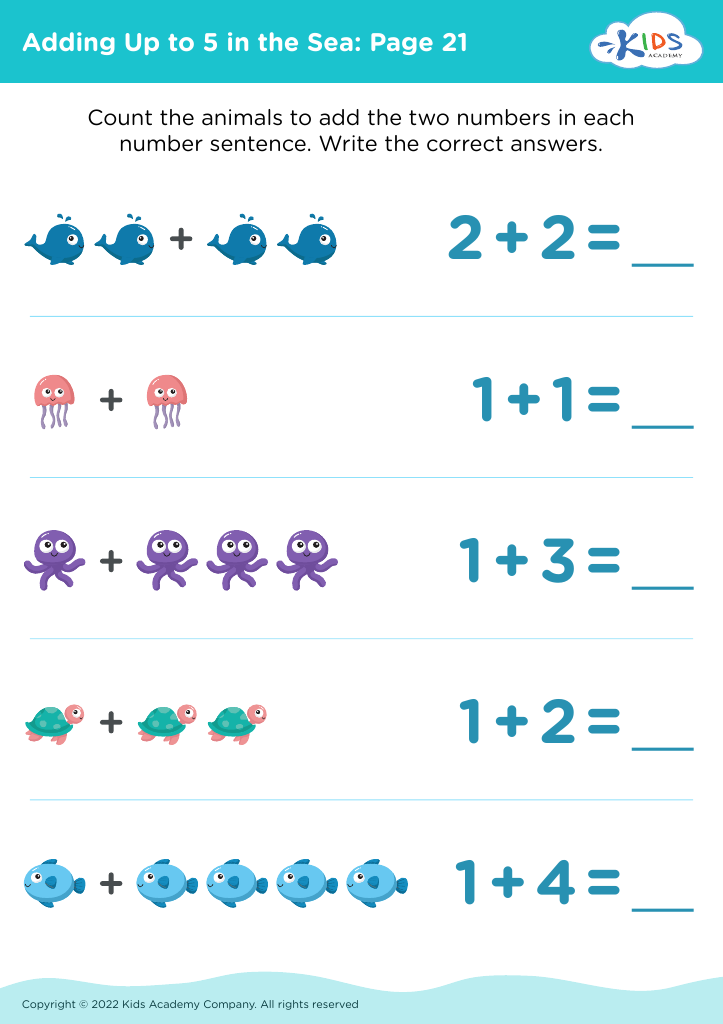
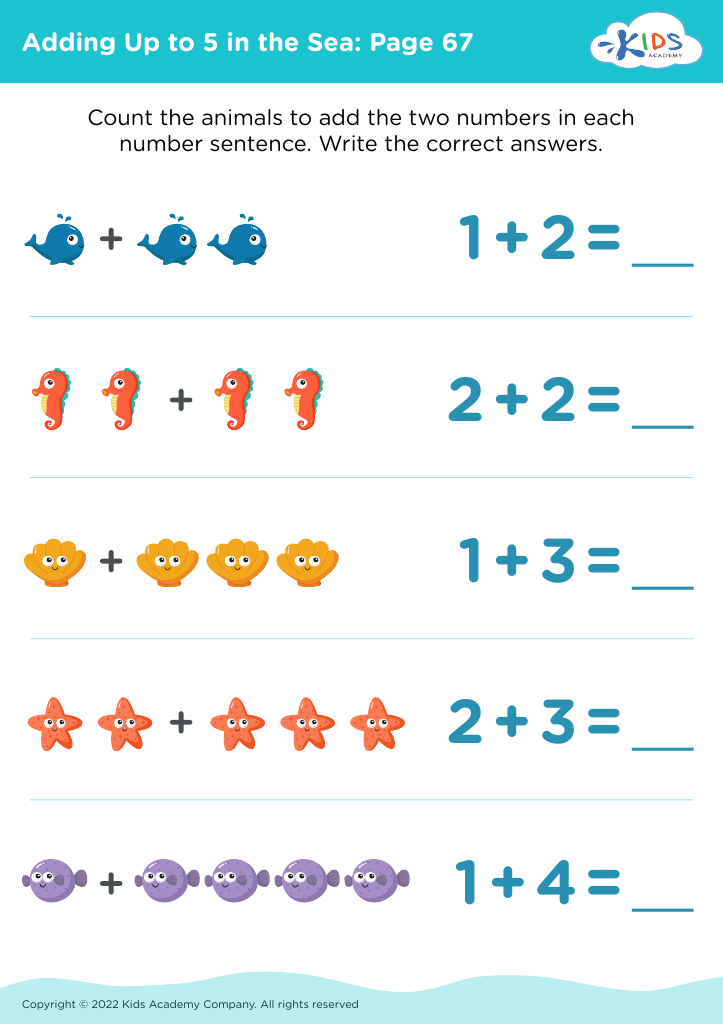
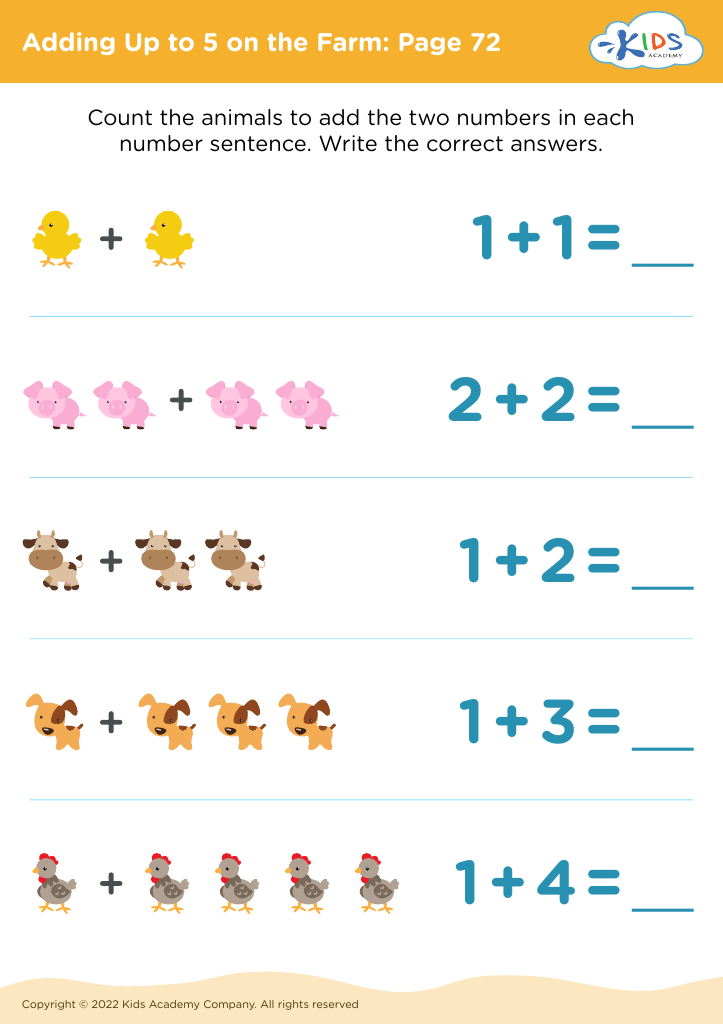
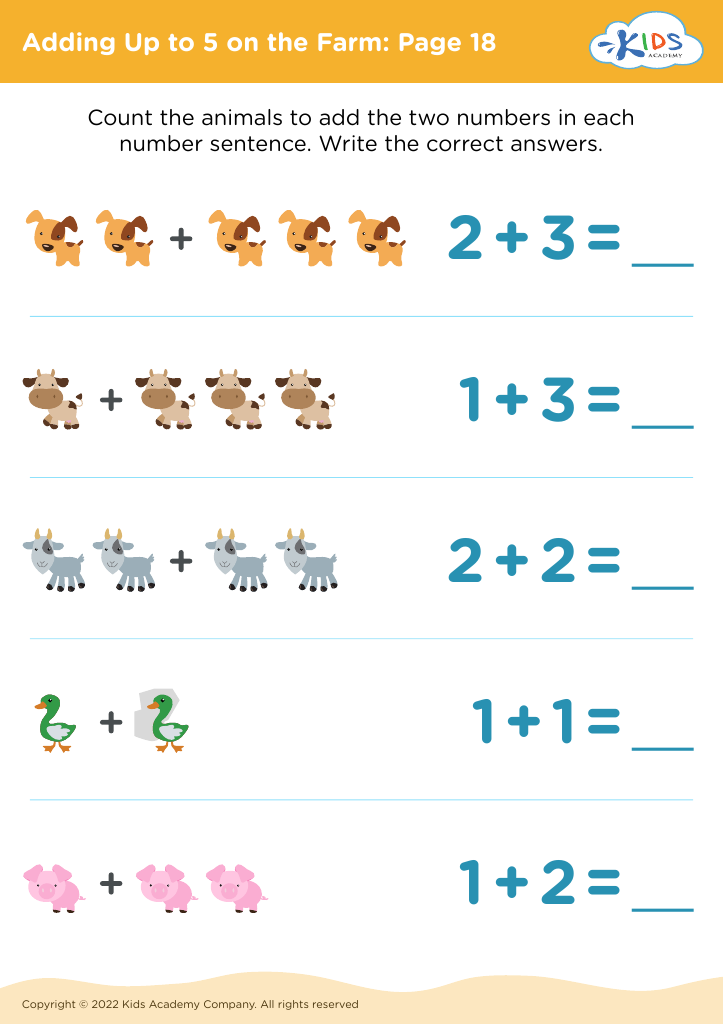
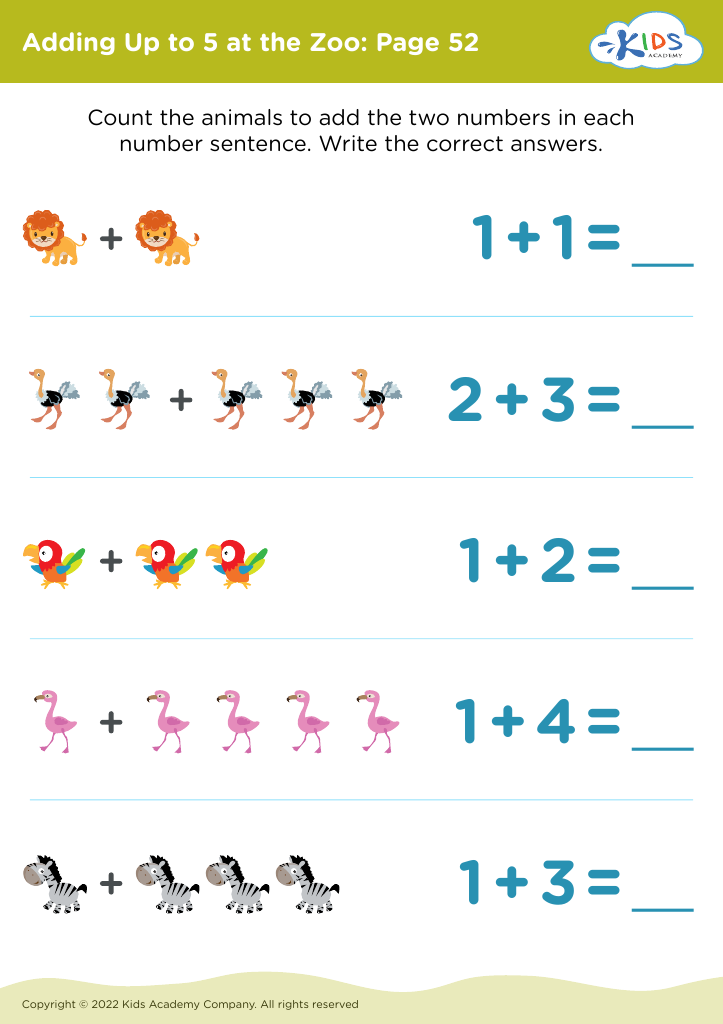
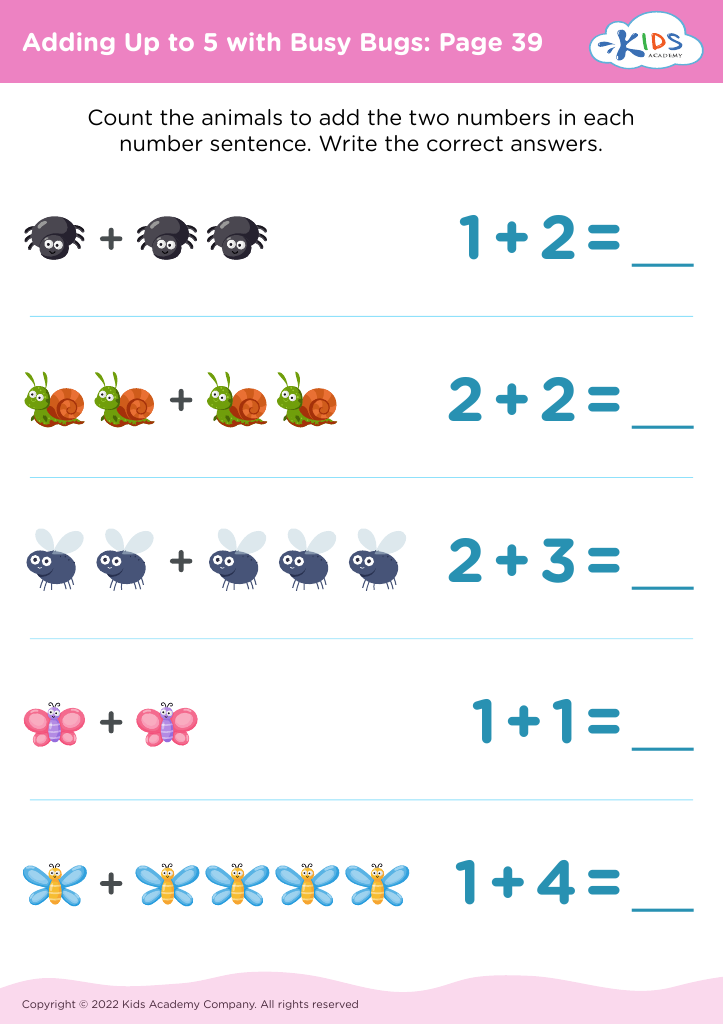
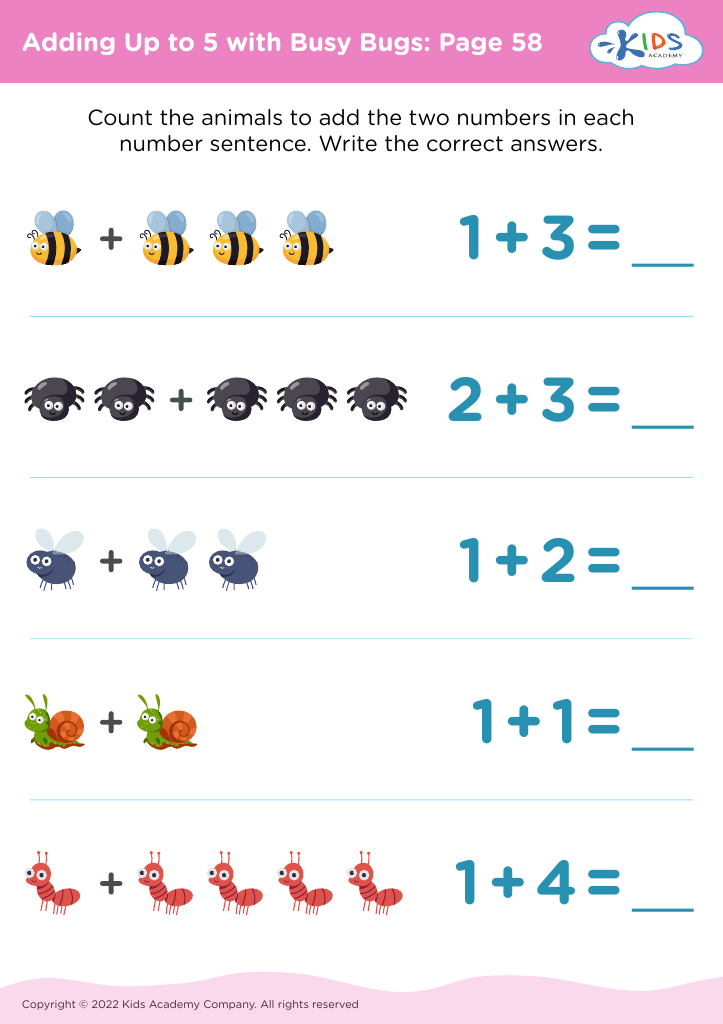
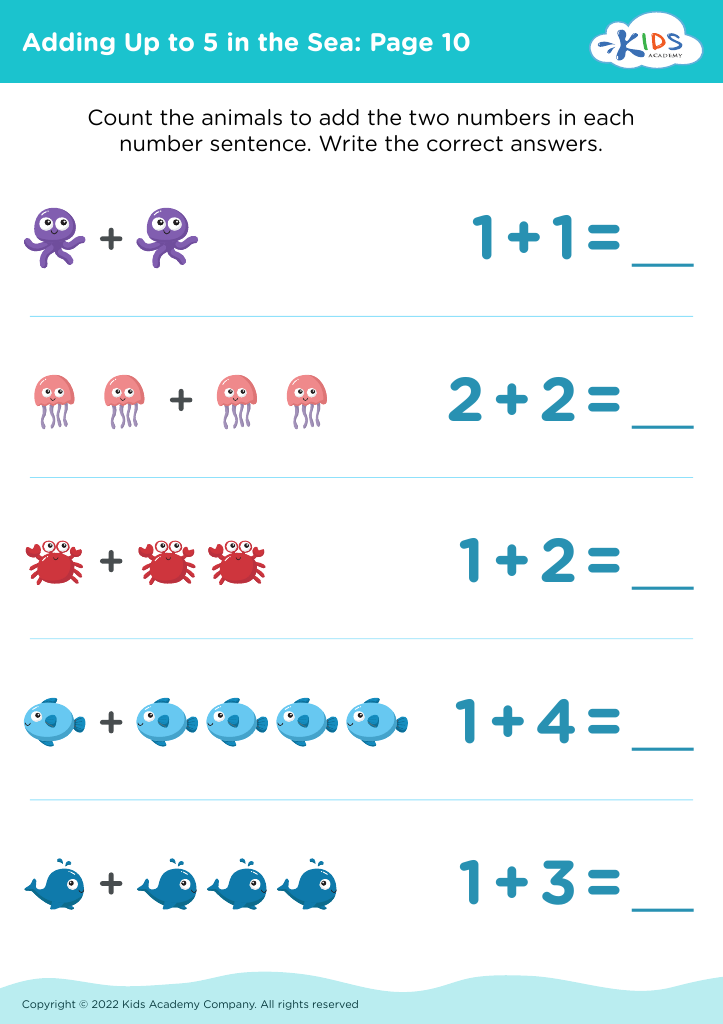
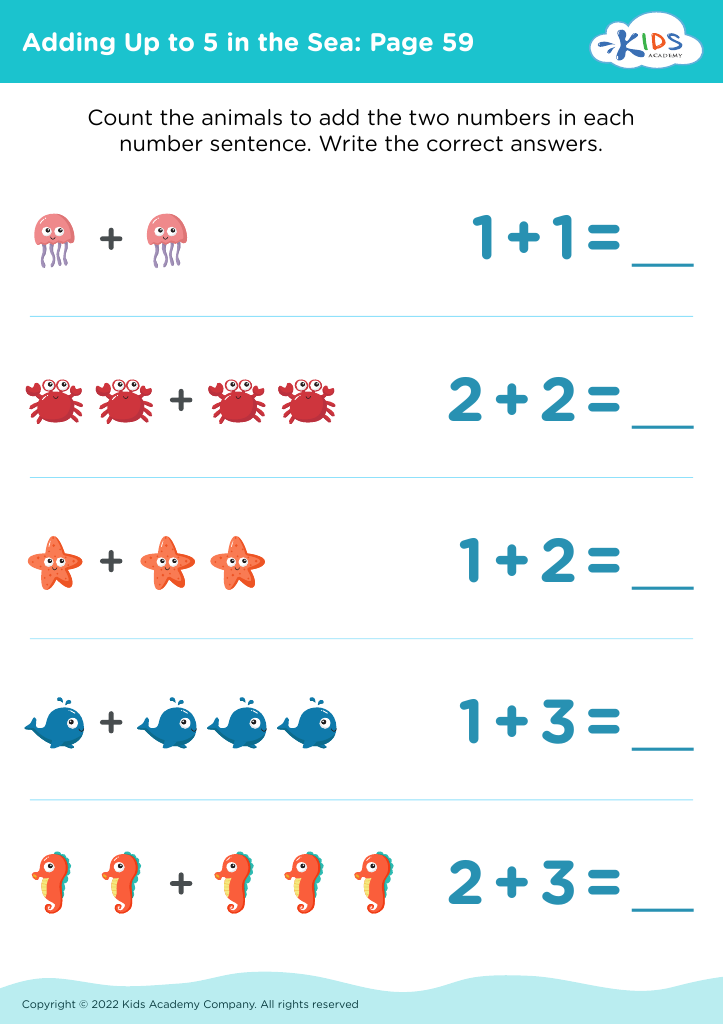
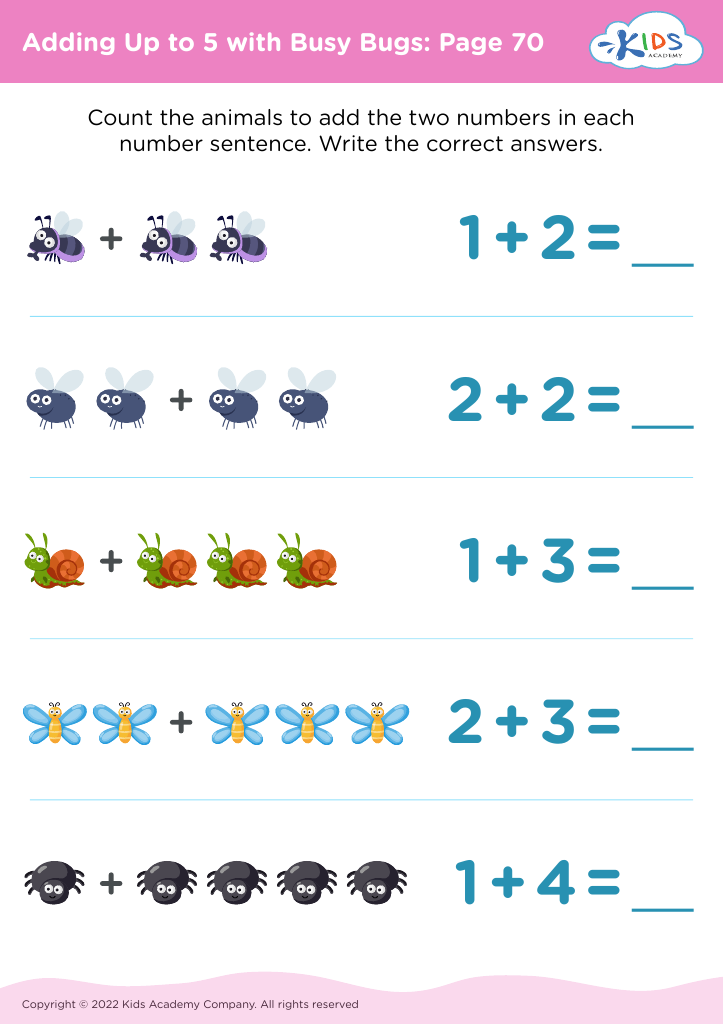
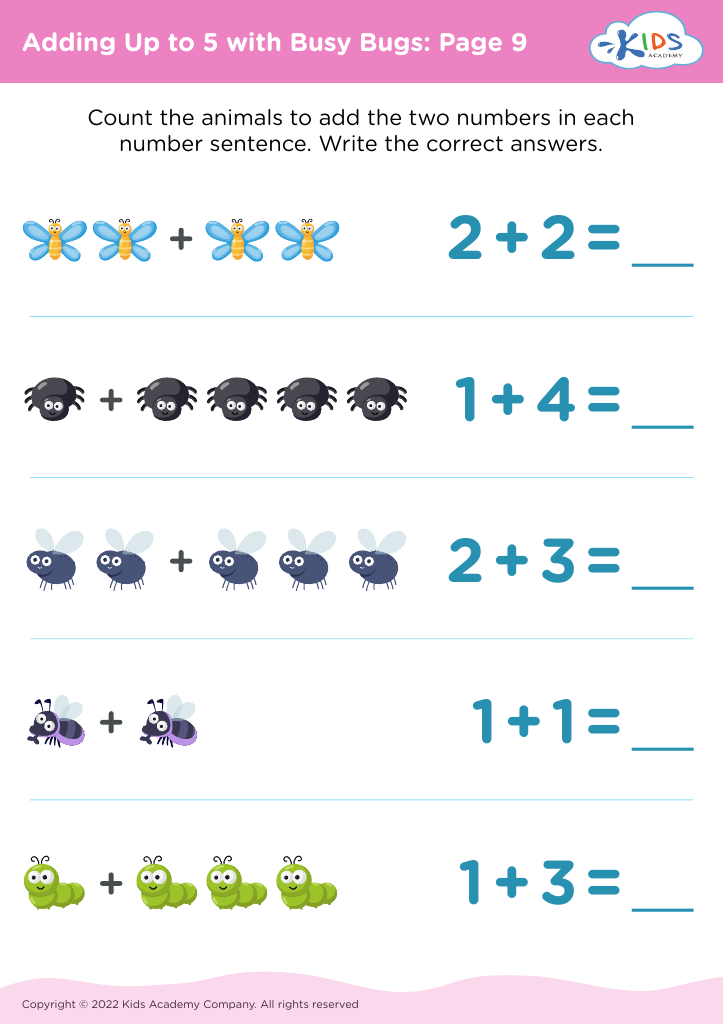



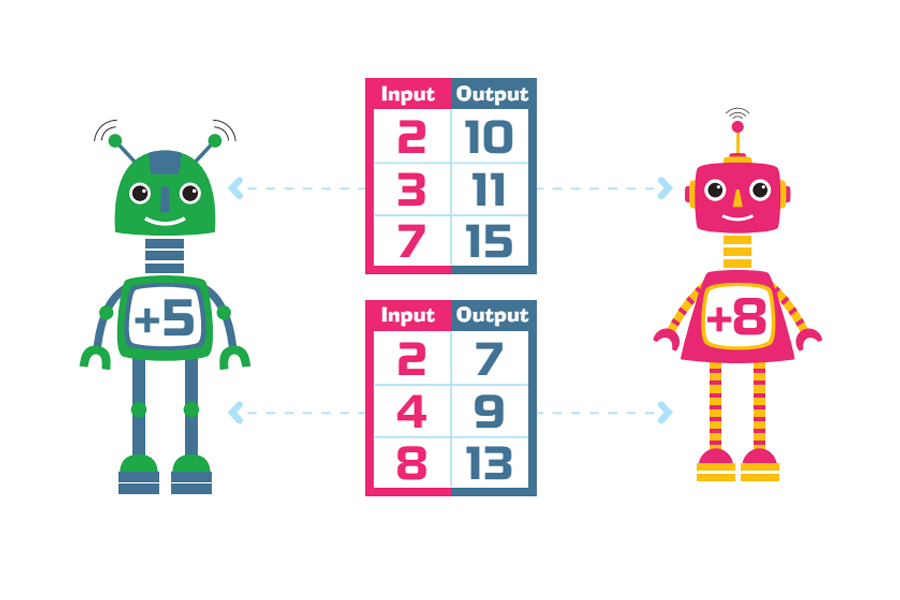




Visual Learning for Addition and Subtraction is particularly important for children aged 5-6, as it aligns with their cognitive development and learning styles. At this age, children are often more responsive to visual stimuli because they are developing their ability to understand numerical concepts and relationships.
Using visual methods, such as counting objects, using number lines, or pictorial representations, helps children grasp abstract concepts become more tangible. This tangible approach aids in building a solid foundation in mathematics, fostering number sense and logical reasoning. Through visual aids, young learners can see the physical representation of adding “more” to a group of objects or taking “away” from a group.
Moreover, visual learning supports different learning paces and styles. Some children might struggle with purely numerical or textual explanations but can find understanding through visual means, thus catering to diverse learning needs.
Parents and teachers focusing on visual learning for addition and subtraction ensure that students develop strong, intuitive mathematical skills early on. This fundamental comprehension prevents future struggles with more complex mathematical concepts. Additionally, visual learning can make math feel more engaging and less intimidating, fostering a positive attitude towards the subject. Ultimately, this approach promotes long-term academic success by rooting young learners in an enthusiastic, supportive environment for early math skills.








