Counting skills Geometry Worksheets for Ages 5-6
13 filtered results
-
From - To
Dive into the world of shapes and numbers with our Counting Skills Geometry Worksheets for Ages 5-6! Designed to spark an interest in young learners, these engaging worksheets blend fundamental counting with basic geometry principles. Your child will enhance their numeracy skills, recognize shapes, and improve hand-eye coordination through fun, interactive exercises. Perfect for home or classroom use, our worksheets feature vibrant illustrations and clear instructions, making learning enjoyable and effective. Develop your child’s mathematical confidence and foundational skills today with our expertly crafted resources. Explore, count, and learn with ease – set the stage for future math success!
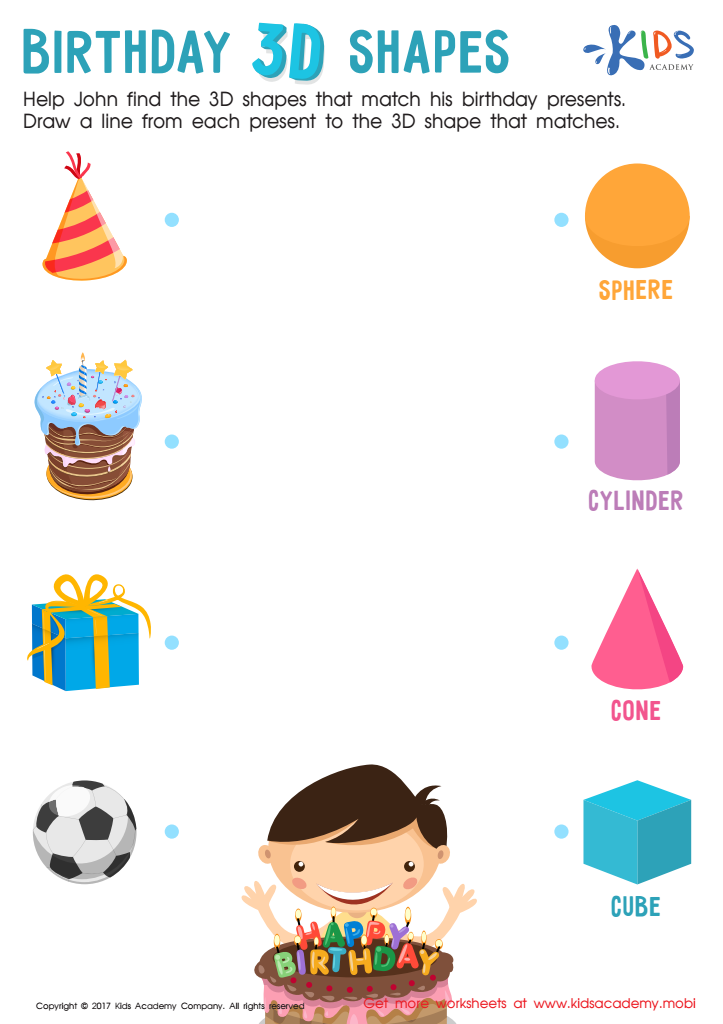
Birthday 3D Shapes Worksheet
 Assign to My Students











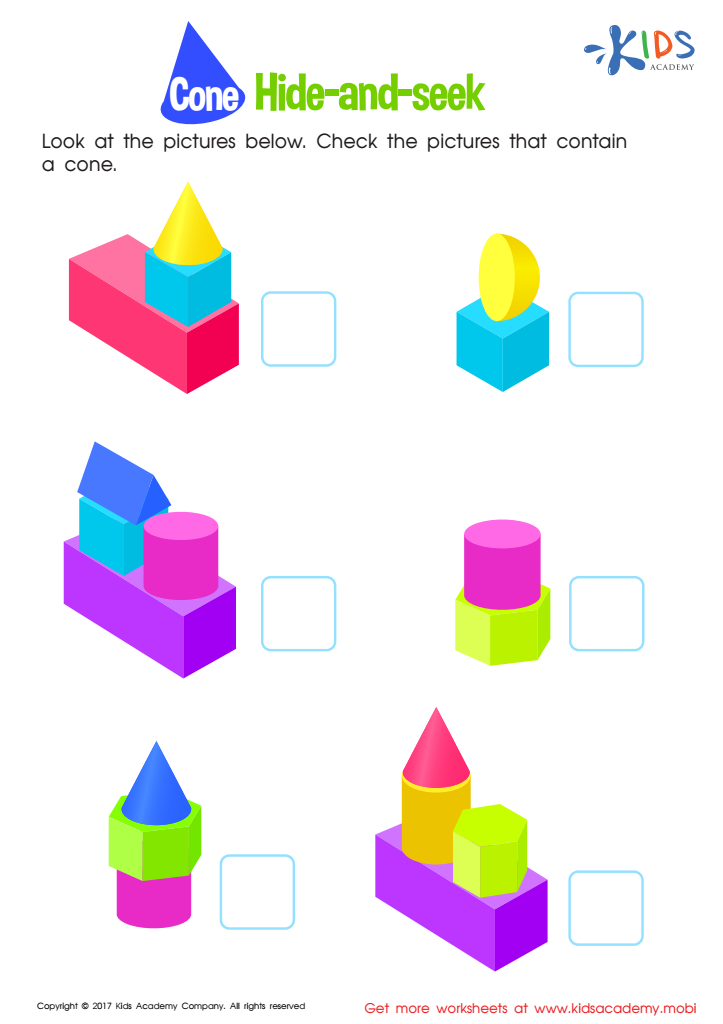
Cone Hide-and-Seek Worksheet
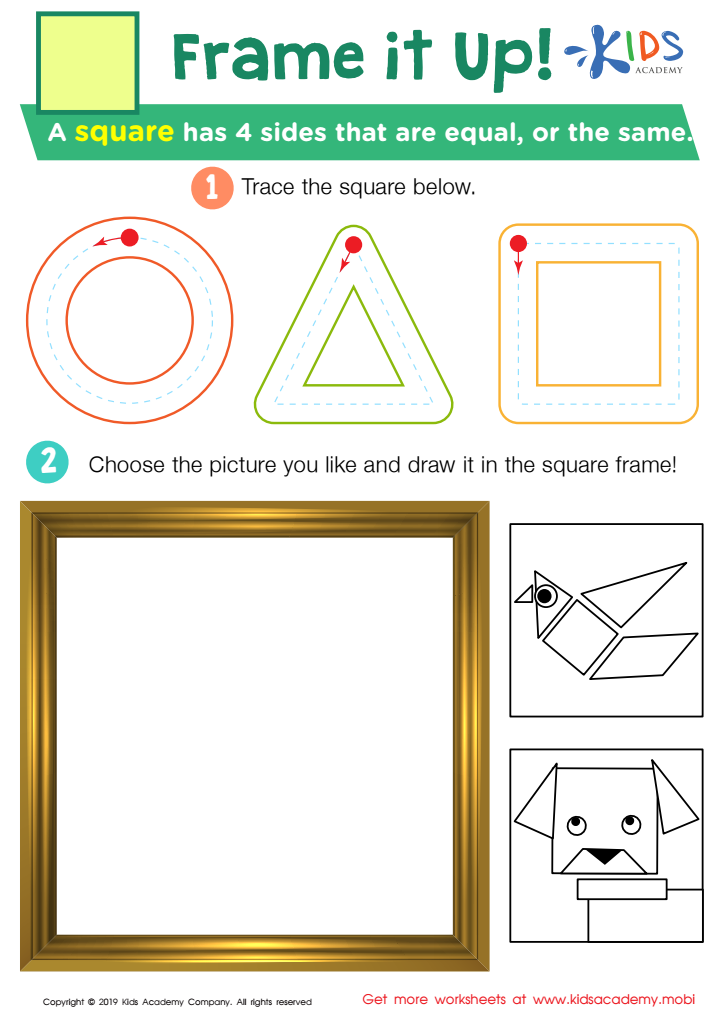
Frame it Up Worksheet
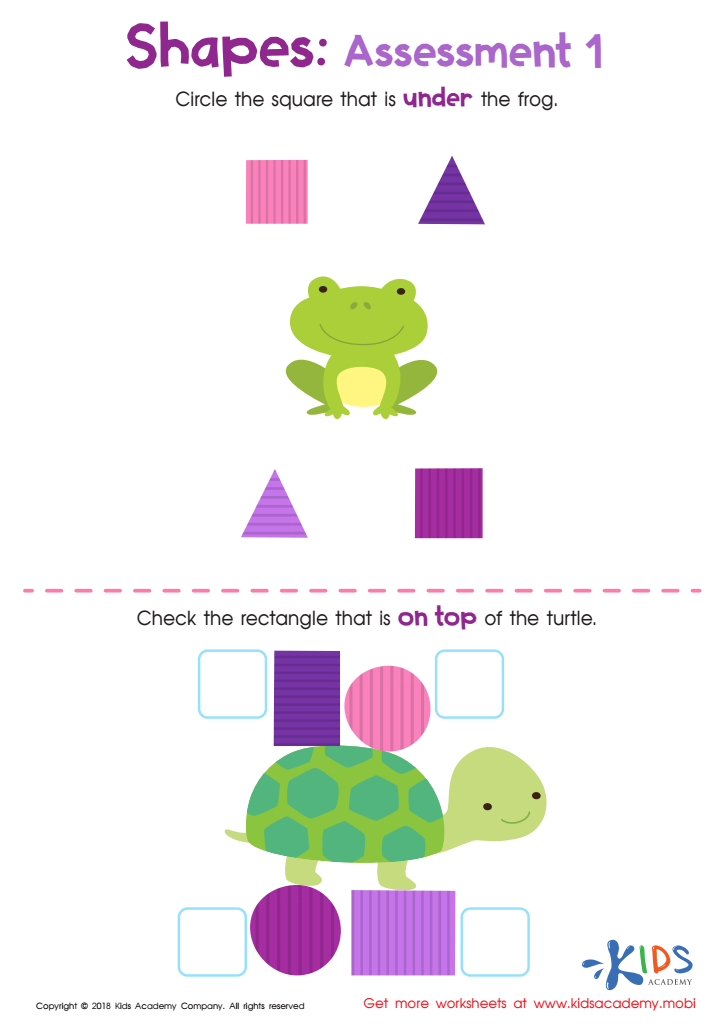
Geometry – Assessment 1 Worksheet
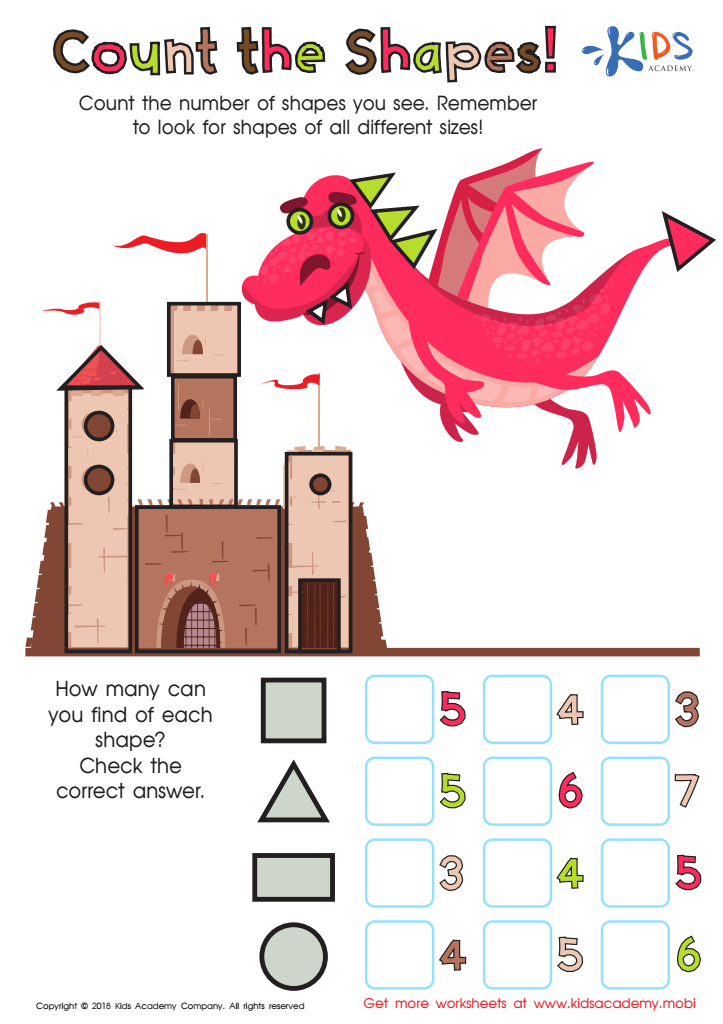
Count the Shapes Worksheet
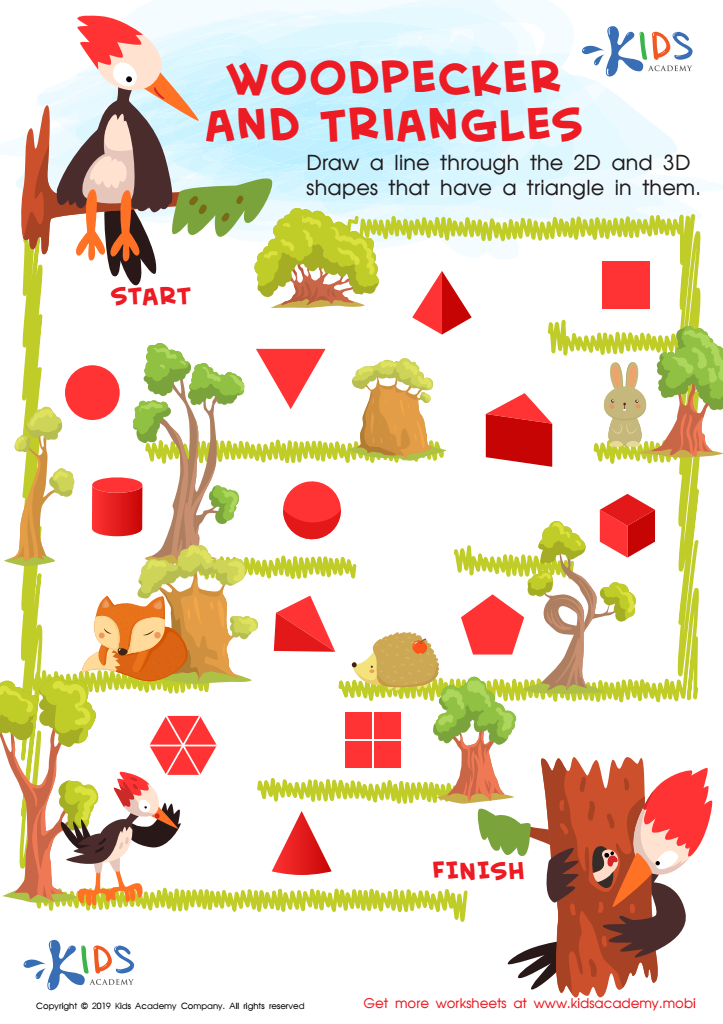
Woodpecker and Triangles Worksheet
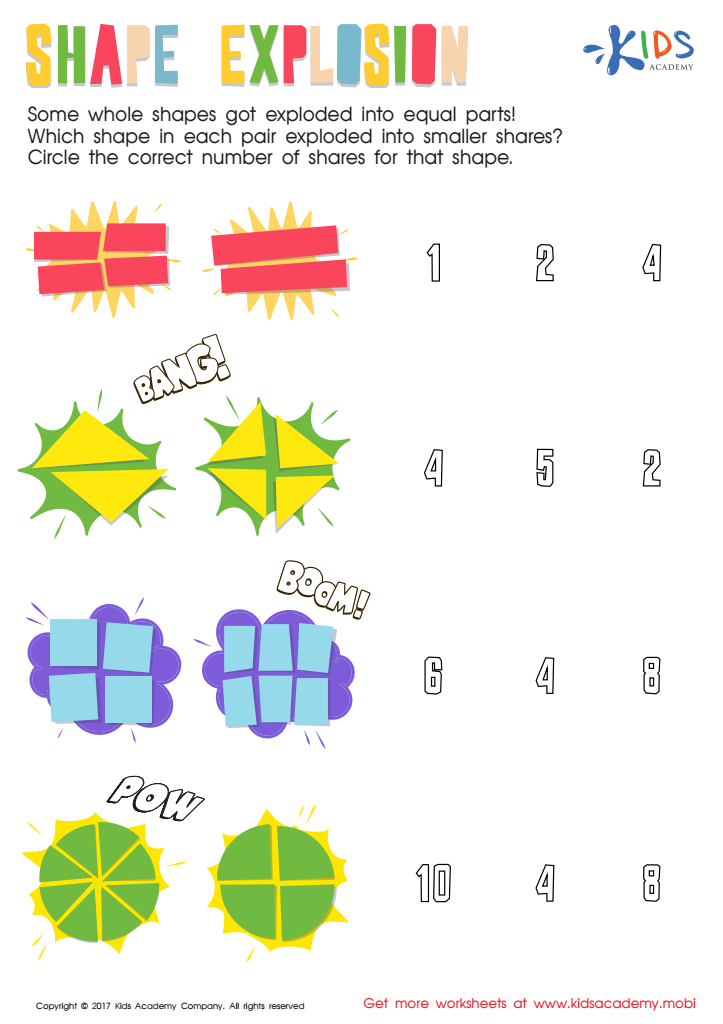
Shape Explosion Worksheet
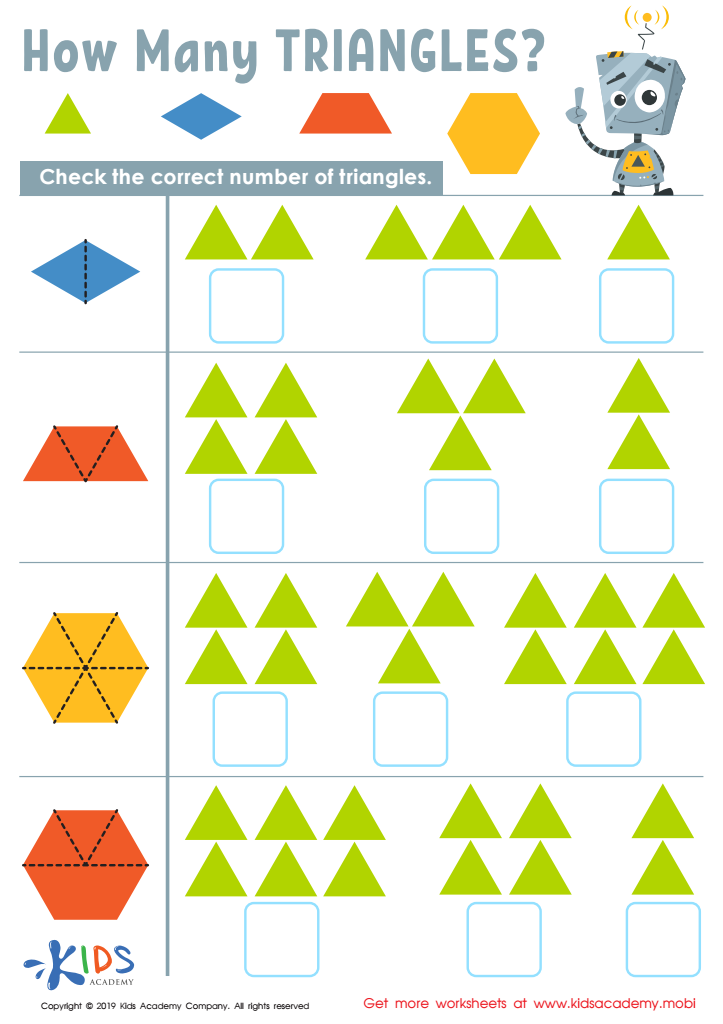
How Many Triangles Worksheet
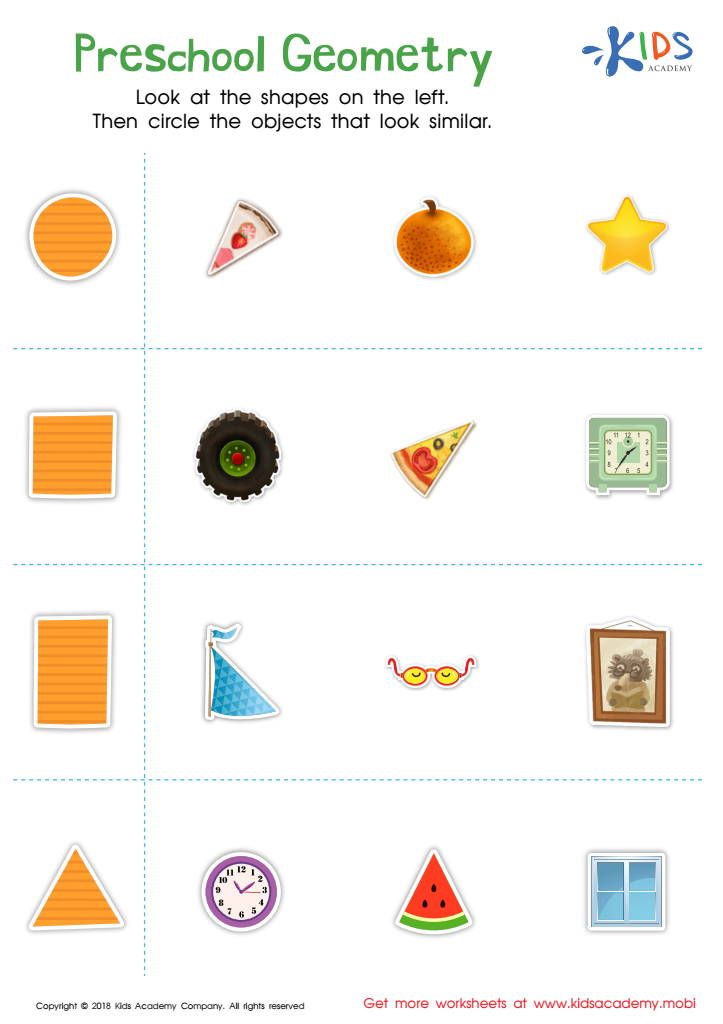
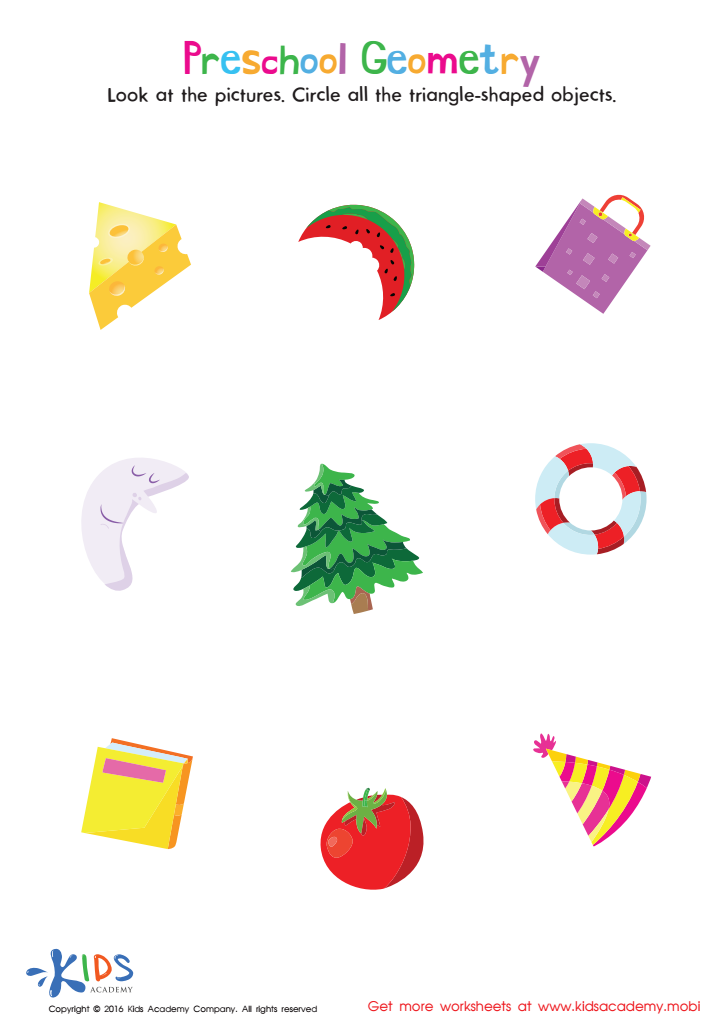
Preschool Geometry Worksheet
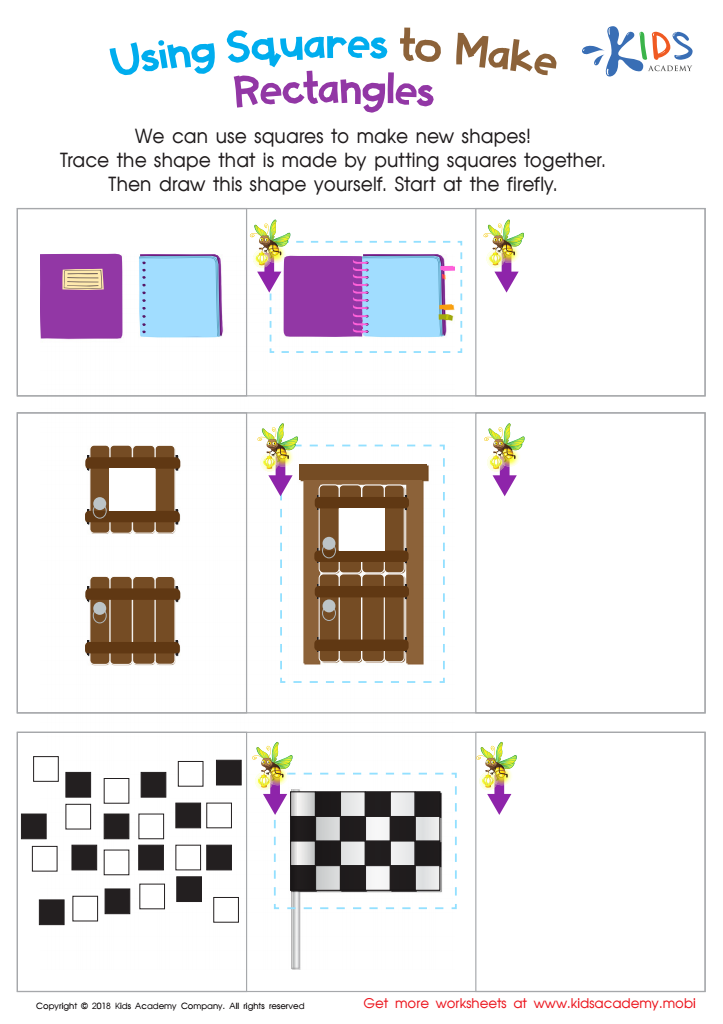
Using Squares to Make Rectangles Worksheet
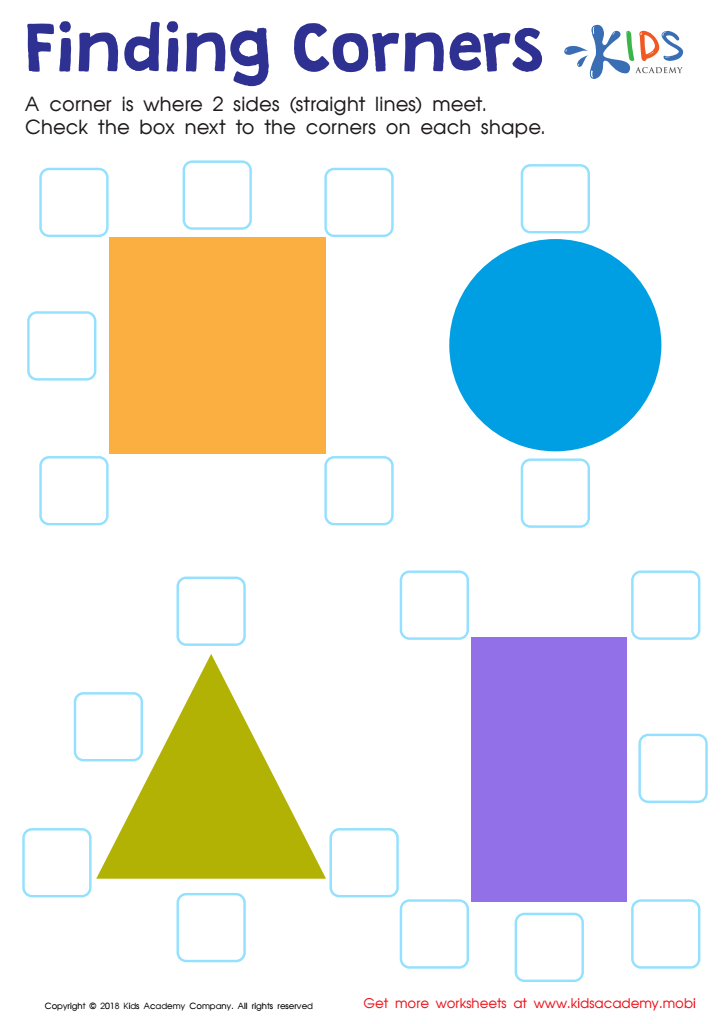
Finding Corners Worksheet
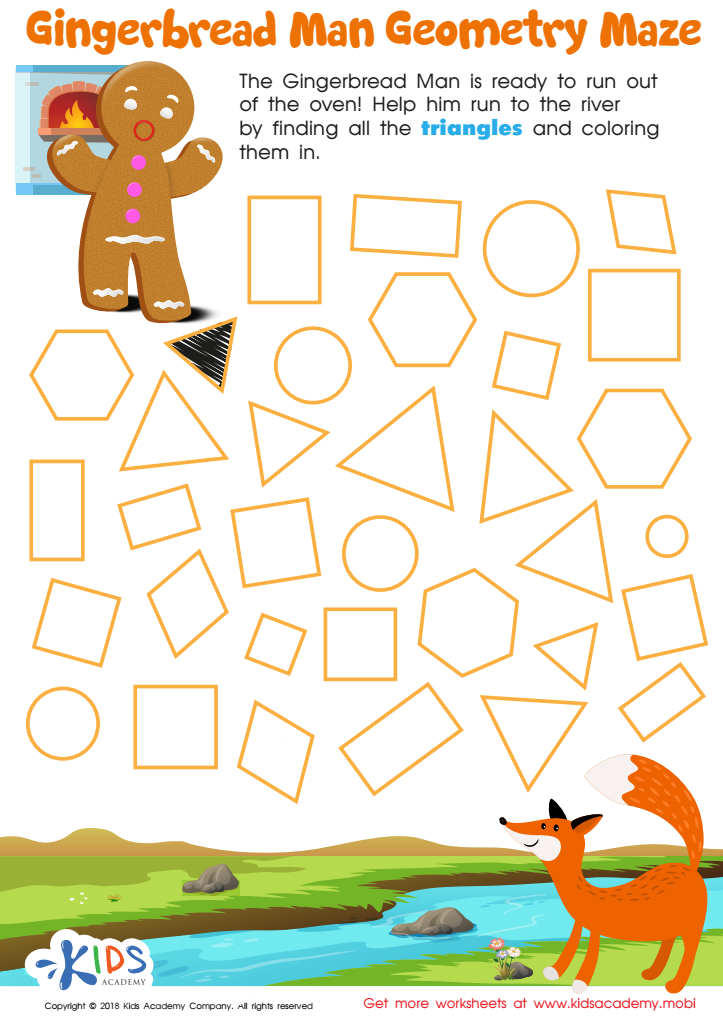
Gingerbread Man Geometry Maze Worksheet








Parents and teachers should prioritize developing counting skills and an understanding of geometry for children aged 5-6, as these foundational skills are critical to their cognitive and academic growth. First, counting not only aids in numeracy but also enhances a child's ability to recognize patterns, sequence events, and make logical connections. Proficiency in counting helps children succeed in basic arithmetic, a cornerstone of future math learning.
Geometry at this age introduces shapes, spatial relationships, and basic problem-solving skills. Understanding shapes and spatial terms enriches a child’s vocabulary and supports reading readiness. When kids can identify and differentiate between shapes, they develop visual-spatial awareness, which is crucial for writing, drawing, and even physical coordination. Activities that involve geometry also encourage creativity and curiosity, both vital for an engaged and inquisitive mind.
Moreover, investing in these early math skills lays a strong foundation for advanced concepts in the future. A child comfortably grasping basic math concepts will likely exhibit a positive attitude towards math in the long term. Early success in these areas can build confidence, encouraging a lifelong love for learning and a willingness to tackle increasingly complex subjects. Thus, fostering these skills not only aids immediate academic progression but also prepares children for broader intellectual challenges.








