Problem-solving abilities Geometry Worksheets for Ages 5-6
3 filtered results
-
From - To
Enhance your child's problem-solving abilities with our engaging Geometry Worksheets designed specifically for ages 5-6! These worksheets provide a fun and interactive way for young learners to explore essential geometric concepts, such as shapes, sizes, and spatial relationships. Each activity encourages critical thinking and helps build foundational math skills while keeping kids entertained. As they tackle various challenges, children will develop their reasoning abilities and confidence in math. Perfect for use at home or in the classroom, these worksheets provide a comprehensive approach to mastering geometry while promoting cognitive growth. Start your child's learning journey today!
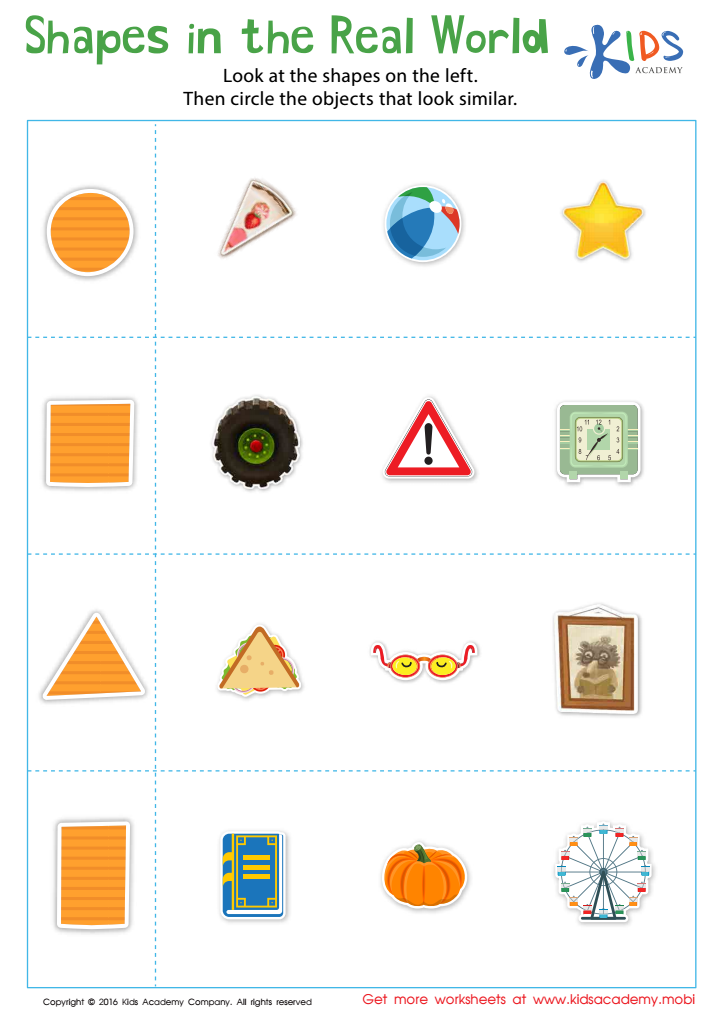
Shapes in the Real World Worksheet
 Assign to My Students











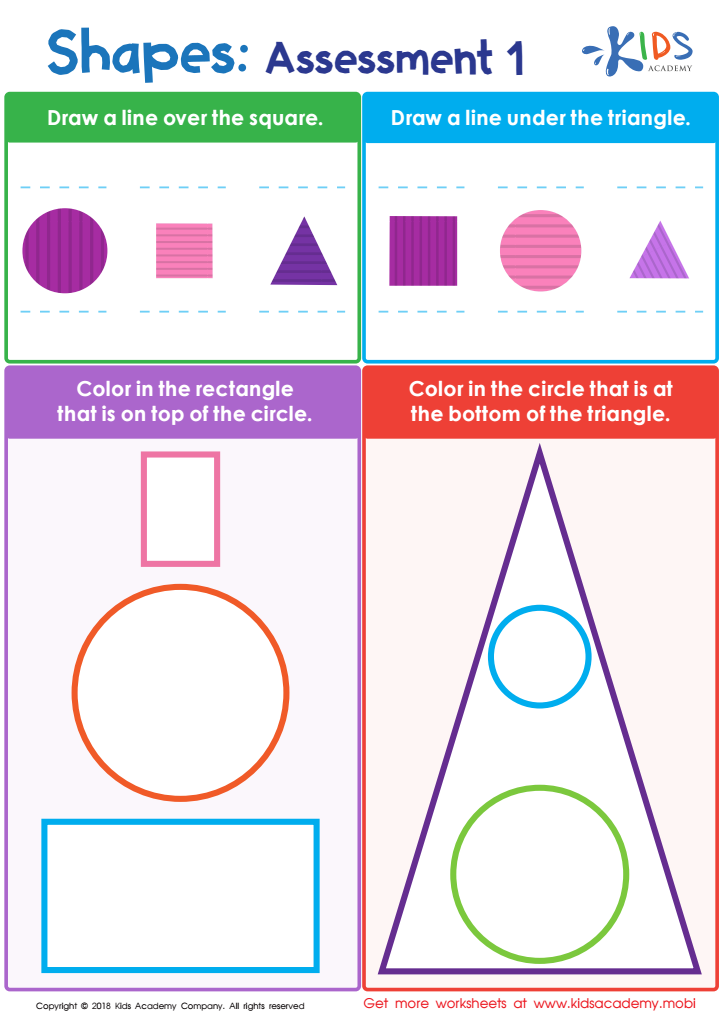
Shapes: Assessment 1 Worksheet
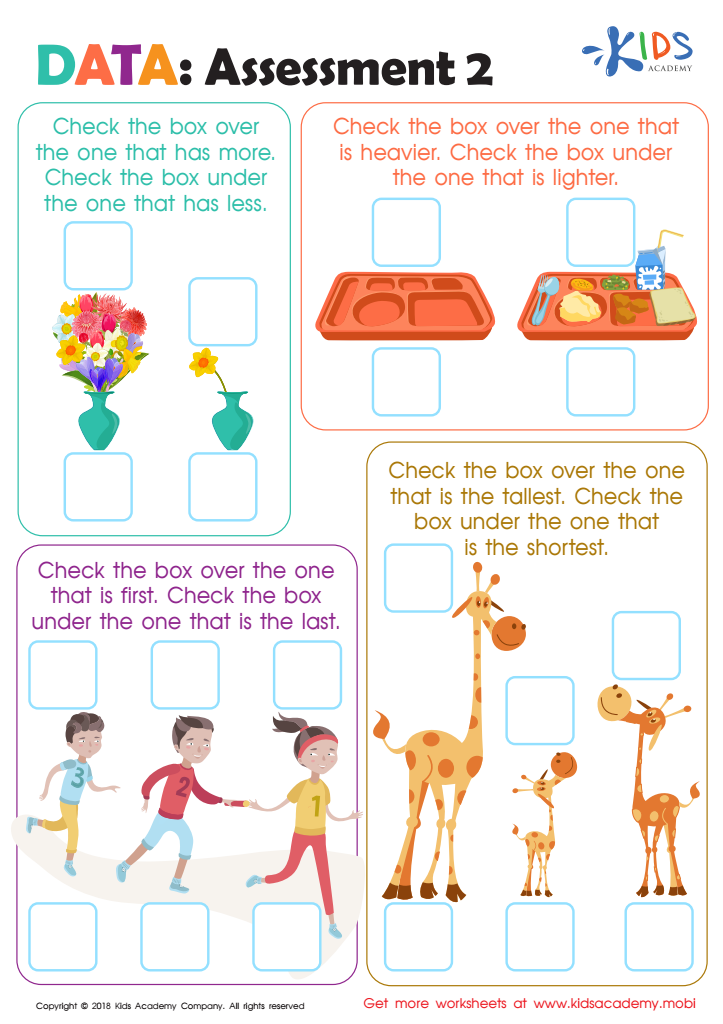
Data: Assessment 2 Worksheet








Parents and teachers should prioritize problem-solving abilities in geometry for children aged 5-6 because foundational skills in this area foster critical thinking and cognitive development. At this age, children are naturally curious and learn best through exploration. Engaging with geometric concepts, such as shapes, spatial relationships, and measurements, encourages their innate problem-solving skills.
Developing these abilities at a young age has long-term benefits. Problem-solving in geometry helps children make connections in mathematics that they will build upon in later grades. It also enhances their spatial awareness, which is crucial for everyday tasks and later academic learning across various subjects, including science and art.
Additionally, these skills encourage perseverance and a positive attitude toward challenges. When children work through geometric problems, they learn to approach difficulties with determination, fostering a growth mindset. This encourages resilience—a critical quality for success in both academics and life.
By integrating engaging and interactive geometric activities into daily learning, parents and teachers can create positive experiences that make math enjoyable. Such early exposure not only nurtures a child's love for learning but also equips them with essential problem-solving skills that serve as the building blocks for their future educational journey.








