
Artistic Expression Numbers Worksheets for Ages 5-6
3 filtered results
Difficulty Level
Grade
Age
-
From - To
Subject
Activity
Standards
Discover our "Artistic Expression Numbers Worksheets for Ages 5-6," designed to creatively engage young learners in mathematics. These worksheets blend art and numbers, encouraging children to explore counting and number recognition through fun, interactive activities. Each worksheet features colorful illustrations and prompts that inspire creativity, helping kids connect math with their imaginative side. Whether it's coloring in number patterns or drawing representations of quantities, these engaging tasks foster both artistic skills and foundational math concepts. Perfect for home or classroom use, our worksheets aim to make learning numbers an enjoyable and memorable experience for early learners.
Favorites
With answer key
Interactive
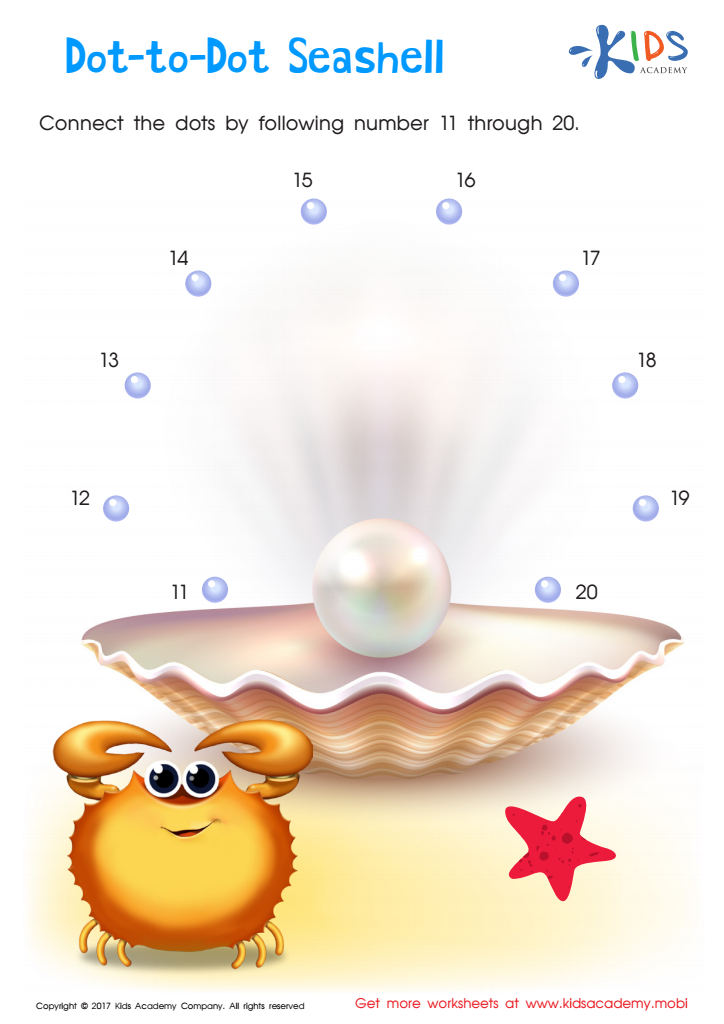
Ordering 11–20: Dot–to–dot Seashell Printable
Connecting the dots 11 to 20 is rewarding for kids, helping them practice counting, identifying numbers and gain cognitive and logical skills. Our worksheet features a vibrant image of a seashell, crab and sea star, and your child will feel rewarded creating it while honing their counting skills!
 Assign to My Students
Ordering 11–20: Dot–to–dot Seashell Printable
Worksheet
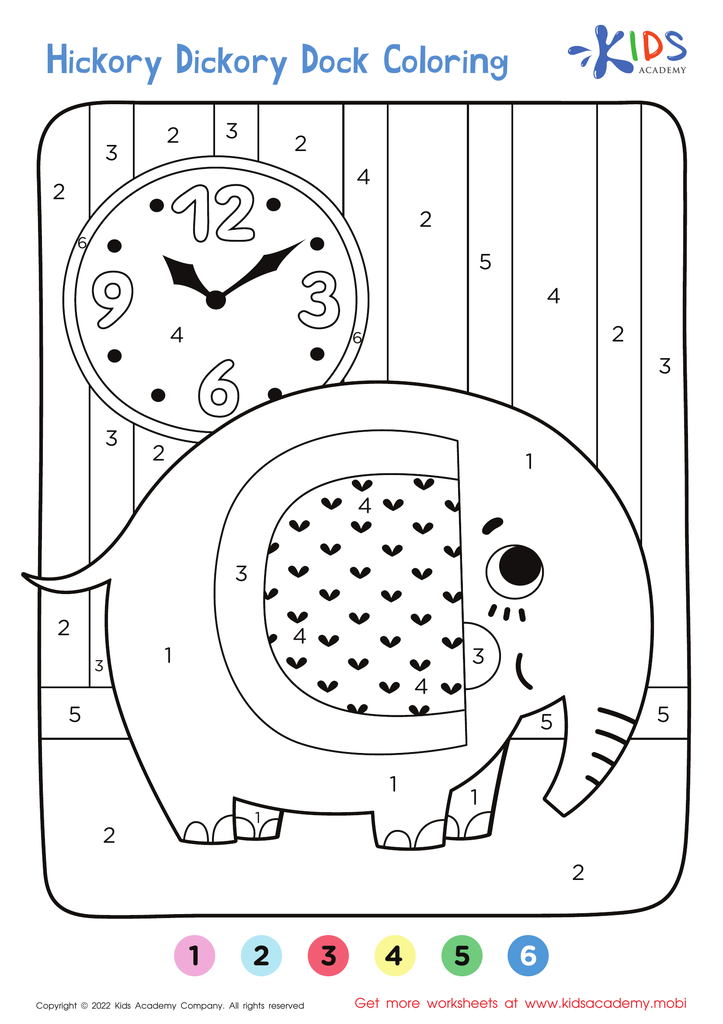
Hickory Dickory Dock – Coloring by Numbers
Colour in a classic nursery rhyme with our free Hickory Dickory Dock PDF page. Follow the numbers to create a scene that will bring the rhyme to life. Download now and get creative!
Hickory Dickory Dock – Coloring by Numbers
Worksheet
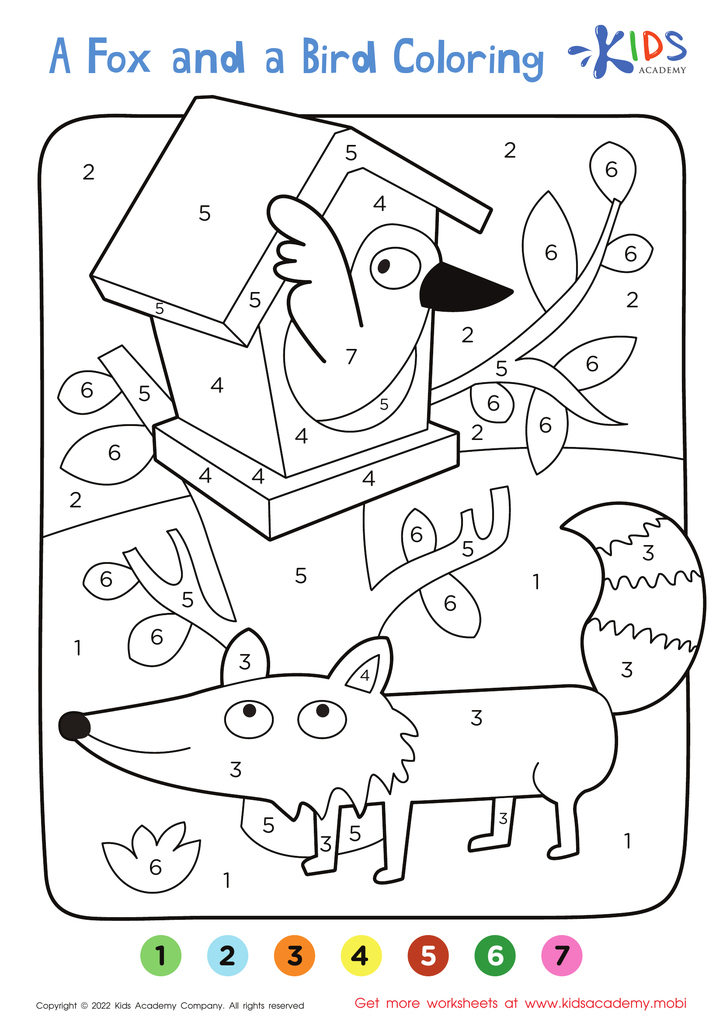
A Fox and a Bird – Coloring by Numbers
Download this free PDF page and color the fox and bird using numbers. Fun and easy way to be creative with the whole family! Spend quality time together and create something unique.
A Fox and a Bird – Coloring by Numbers
Worksheet
Join Kids Academy for Free
Who is primarily going to use this learning content?







Artistic expression plays a vital role in the development of children aged 5 to 6, particularly when it intersects with foundational skills like numeracy. Engaging in artistic activities allows children to explore numbers creatively, making learning both fun and meaningful. For parents and teachers, fostering an environment that encourages artistic expression alongside mathematical concepts can significantly enhance cognitive, social, and emotional development.
First, artistic activities that incorporate numbers—like drawing, painting, or crafting numbered items—can help children visualize numerical concepts and relationships. This hands-on experience solidifies understanding and promotes retention. Moreover, through art, children can gain confidence and find their voice, learning to express ideas and feelings non-verbally, which aids in emotional literacy.
Additionally, group artistic projects can enhance collaboration and communication skills as children work together to create. This social interaction is crucial at this age, fostering relationships and teamwork.
Ultimately, blending artistic expression with numeracy not only nurtures a more profound love for learning but also supports holistic growth. Encouraging creativity while reinforcing essential mathematical skills prepares young learners for future academic challenges, ensuring they develop both emotionally and intellectually. Parents and teachers should embrace this dual approach for the comprehensive success of children.








