Problem Solving Numbers Worksheets for Ages 5-6
5 filtered results
-
From - To
Discover our engaging Problem Solving Numbers Worksheets designed specifically for children ages 5-6! These worksheets provide young learners with the tools they need to develop essential math skills through fun and interactive exercises. Children will explore basic concepts such as addition, subtraction, and number recognition while enhancing their problem-solving abilities. Our worksheets encourage critical thinking, boost confidence, and make learning enjoyable. Perfect for home or classroom use, they offer colorful illustrations and kid-friendly themes that capture children's interest. Help your little ones build a strong math foundation and a love for learning with our thoughtfully crafted problem-solving resources!
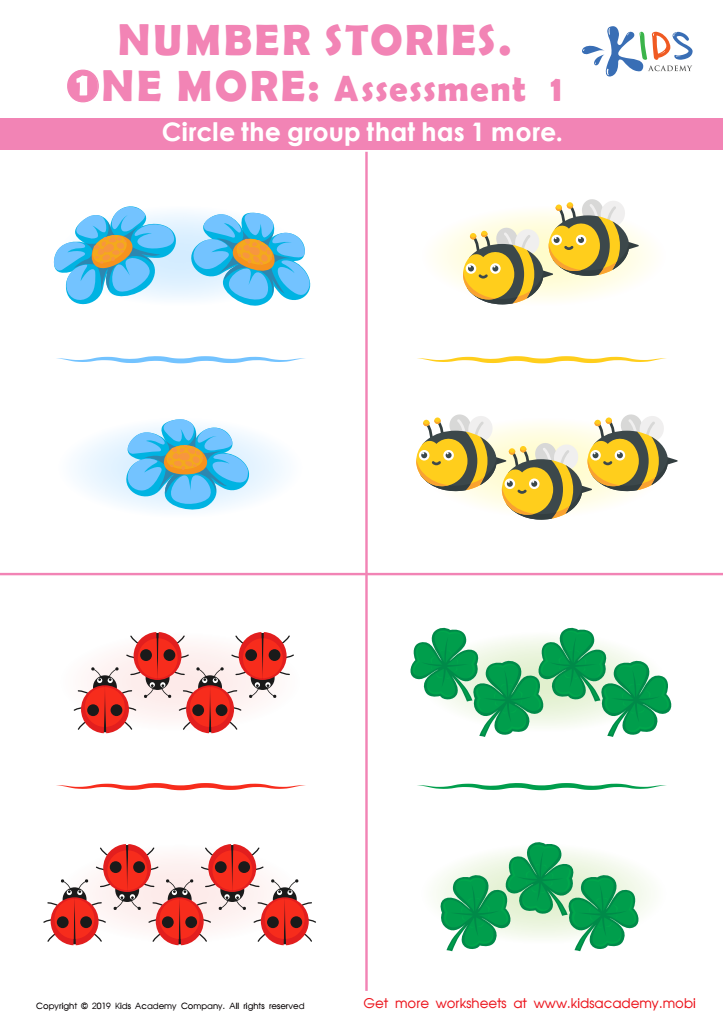
Number Stories One More – Assessment 1 Worksheet
 Assign to My Students
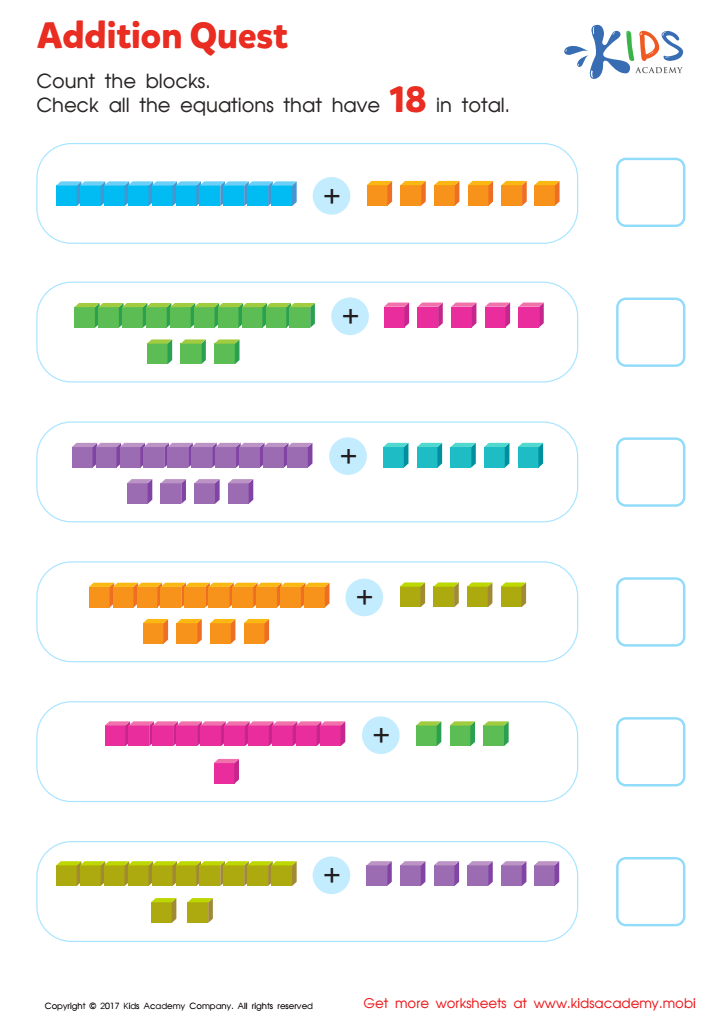
Addition Quest Worksheet: Part 2
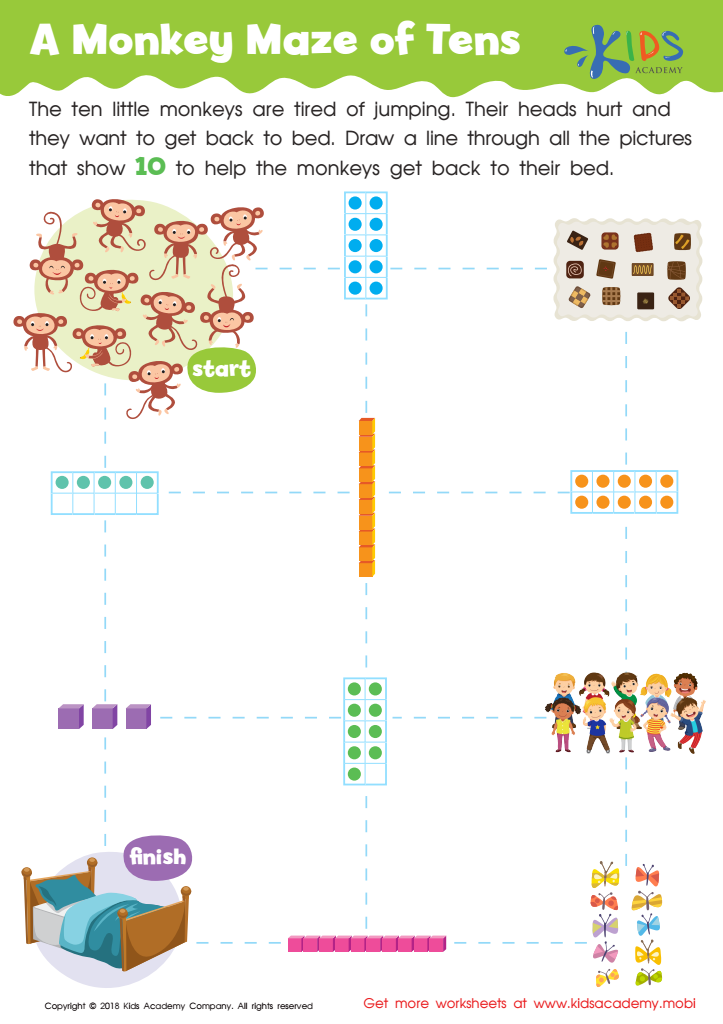
A Monkey Maze of Tens Worksheet
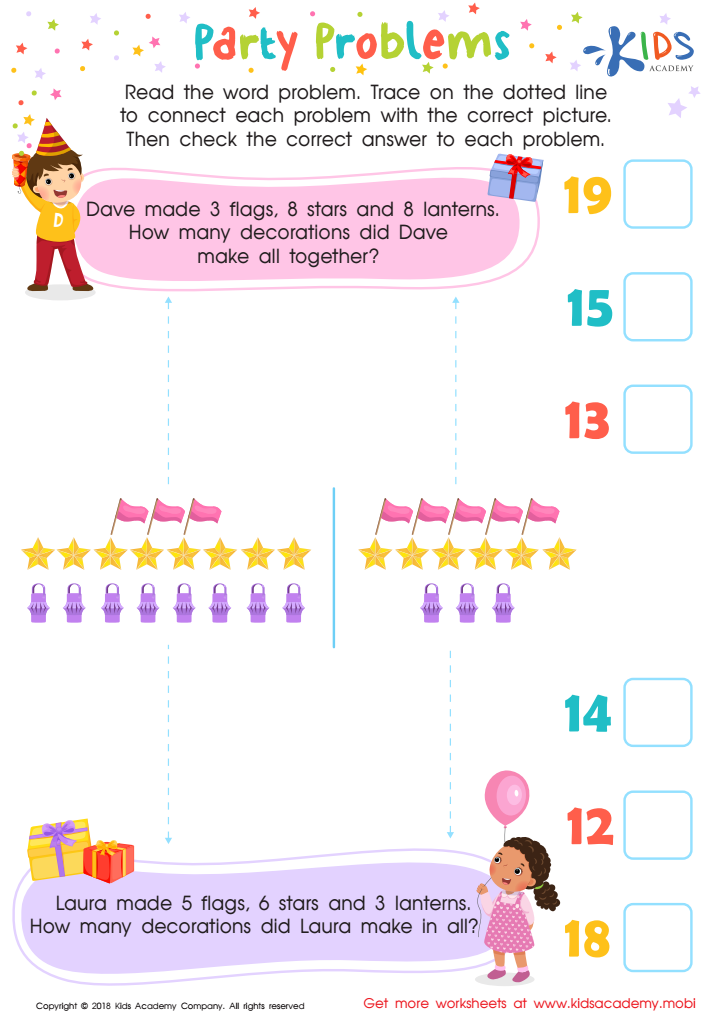
Party Problems Worksheet
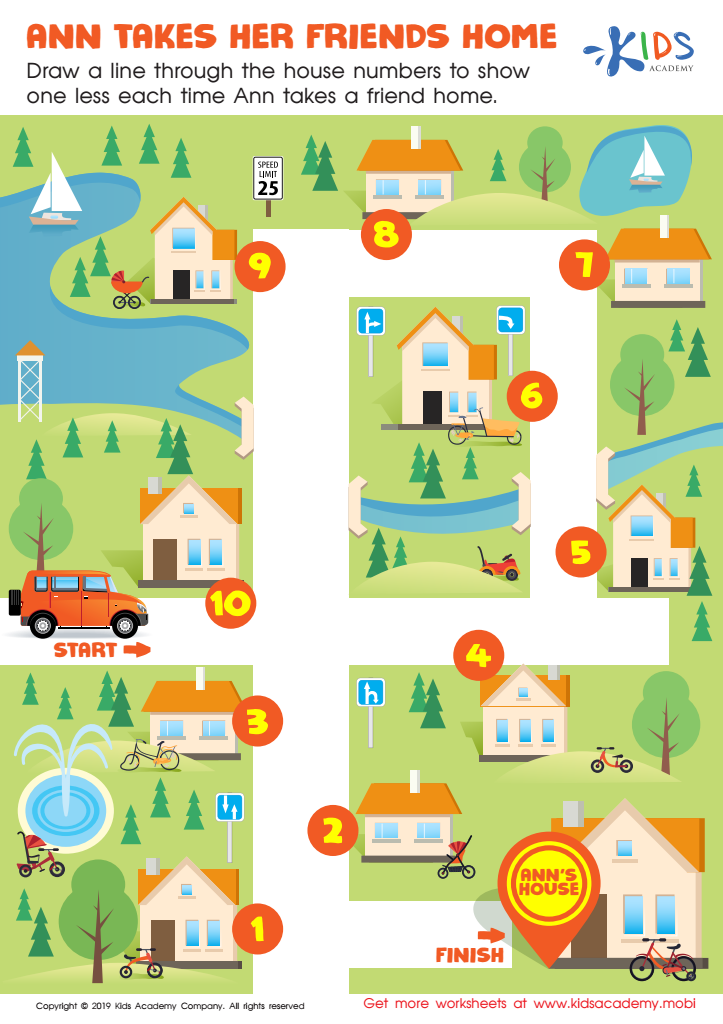
Ann Takes her Friends Home Worksheet








Problem Solving Numbers for ages 5-6 is crucial because it lays the foundation for a child's critical thinking and mathematical reasoning skills. At this developmental stage, children are naturally curious and eager to explore concepts through play and interaction. Teaching them to solve problems using numbers encourages logical thinking and helps them develop a sense of number sense, which is essential for all future math-related learning.
Furthermore, engaging children with problem-solving activities enhances their ability to approach challenges independently and creatively. When children learn to break down problems, consider different solutions, and evaluate their effectiveness, they are not only learning math but also essential life skills such as perseverance and adaptability.
Teachers and parents play an essential role in this process by providing supportive environments where children feel safe to experiment, make mistakes, and learn from them. Through fun activities that incorporate storytelling, games, and manipulatives, educators can motivate young learners and foster a love for math.
Ultimately, investing time in problem-solving numbers at this age cultivates confidence in young learners, instilling in them a growth mindset that empowers them to tackle more complex concepts as they progress in their education.








