Counting skills Math Worksheets for Ages 5-6 - Page 3
335 filtered results
-
From - To
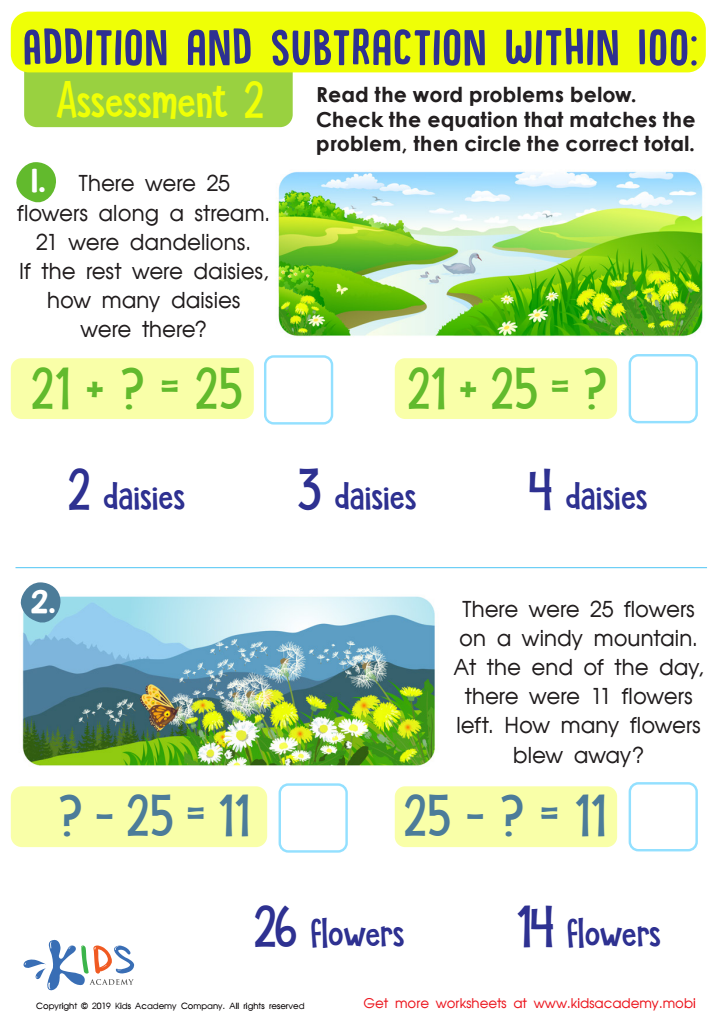
Assessment 2 Math Worksheet
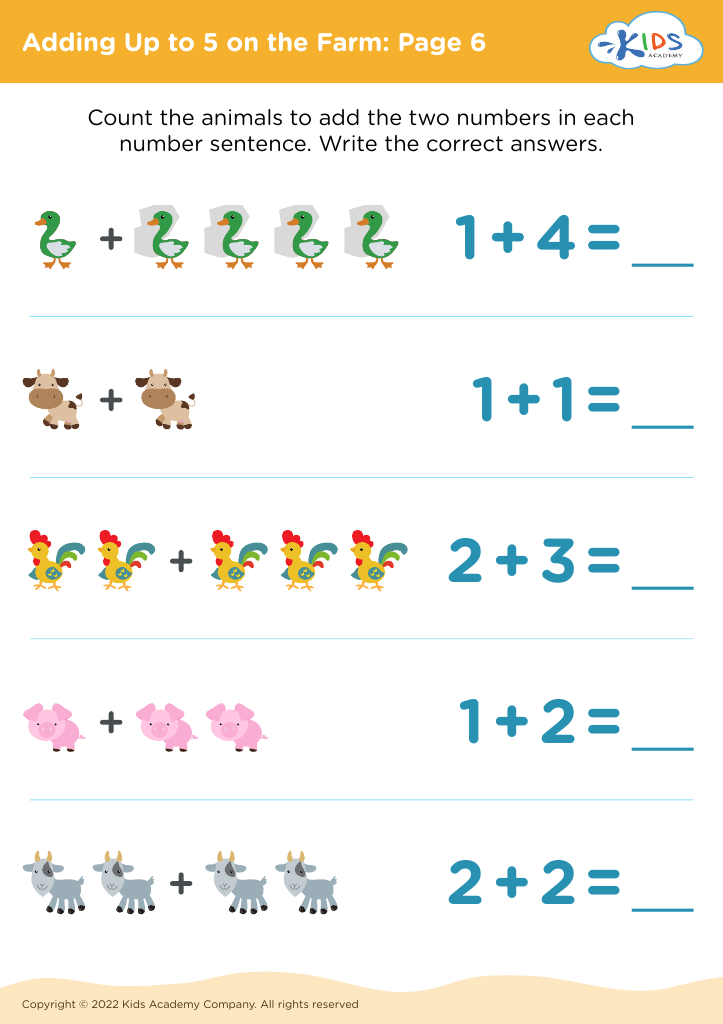
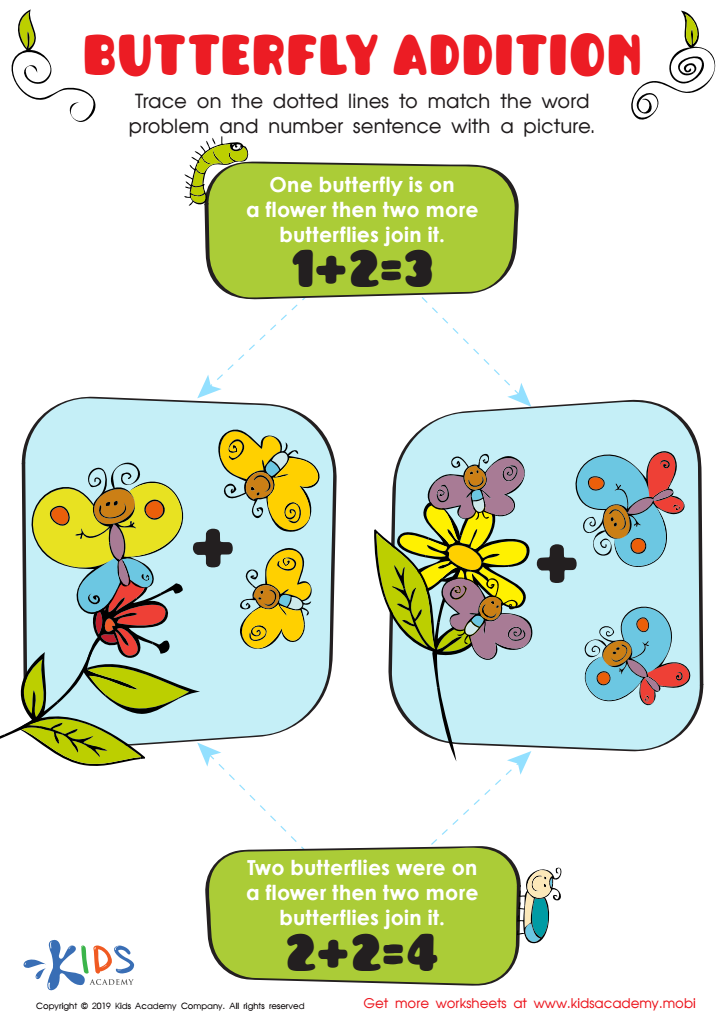
Butterfly Addition Worksheet
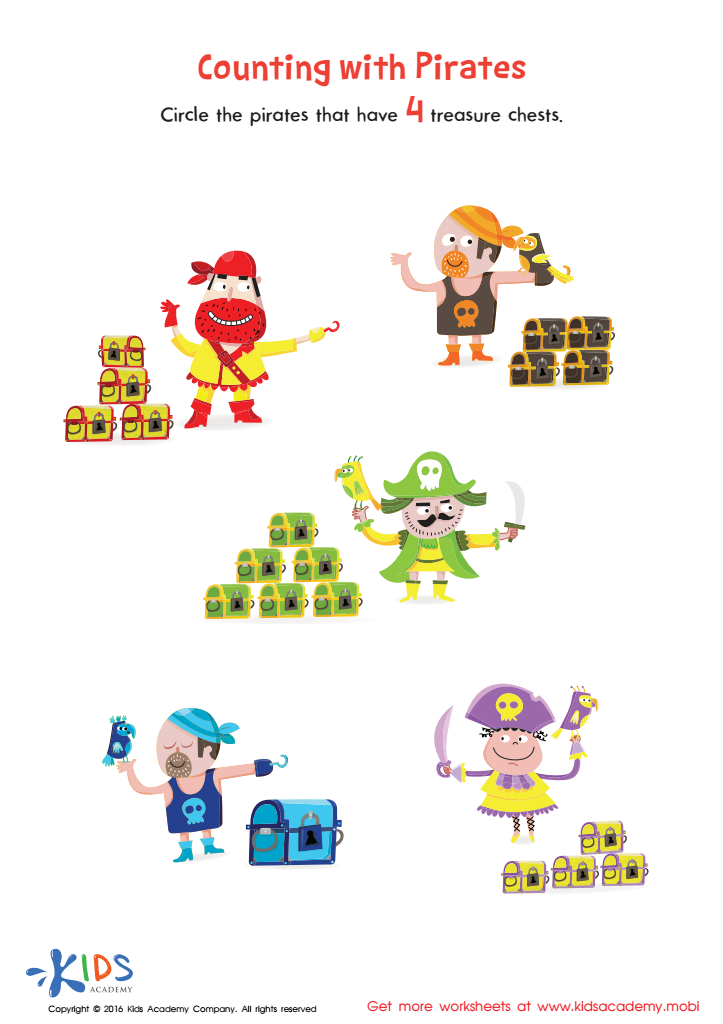
Counting With Pirates Worksheet
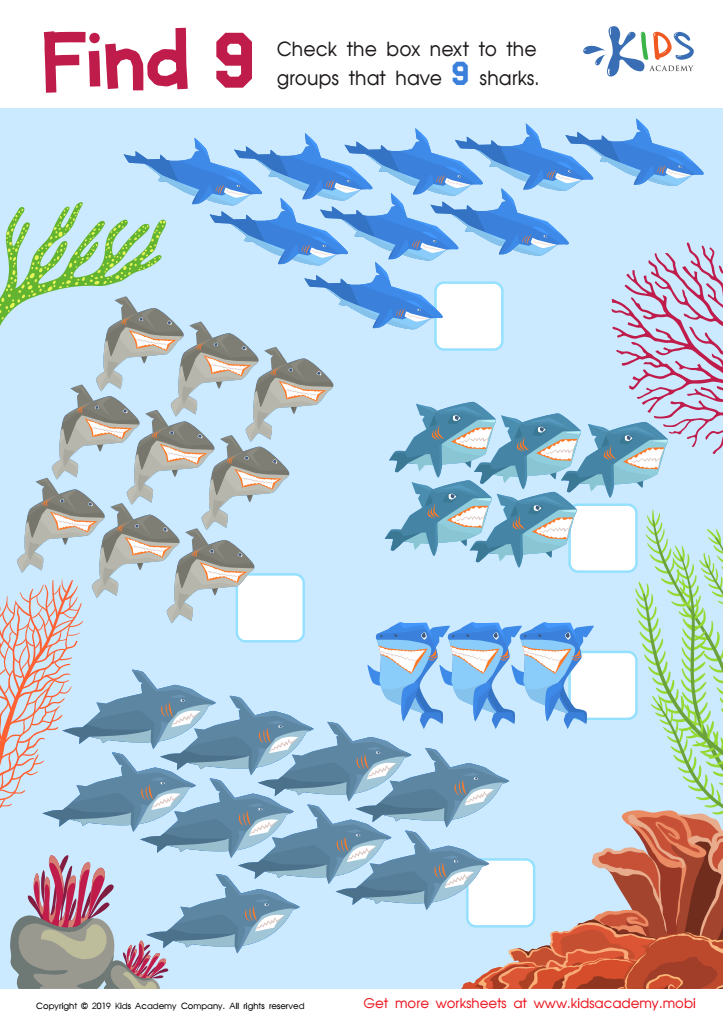
Find 9 Worksheet
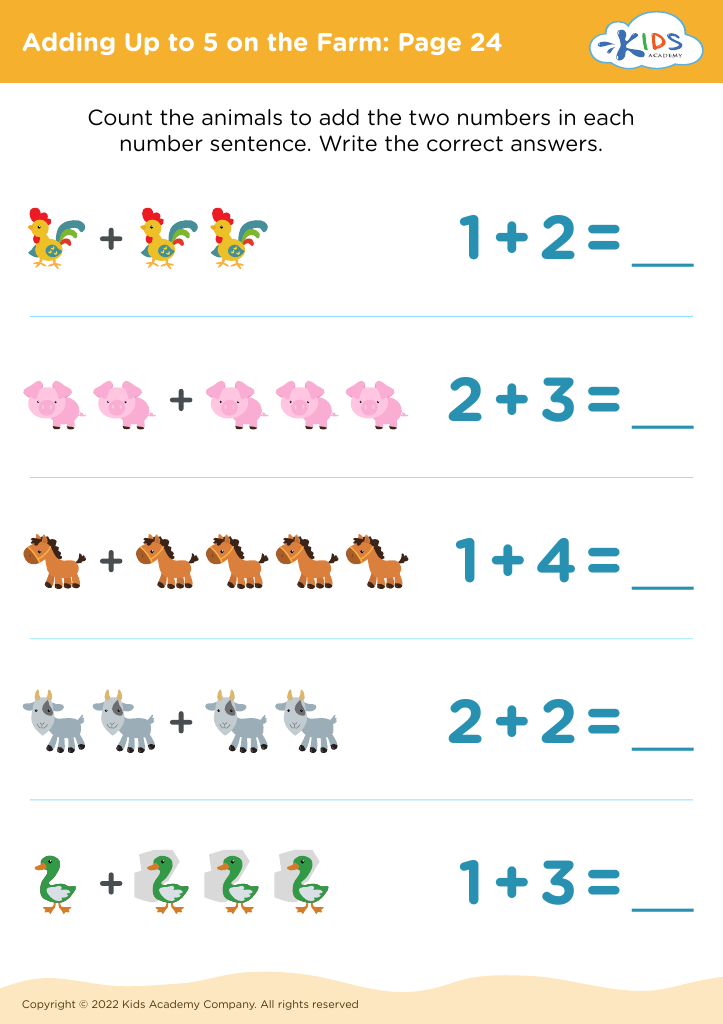
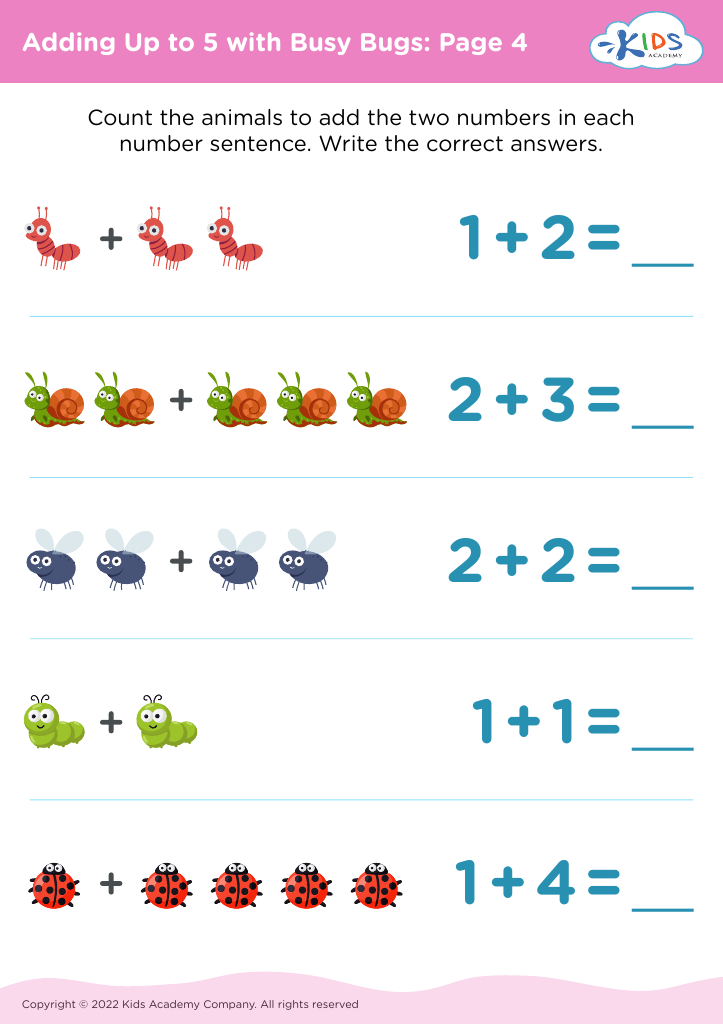
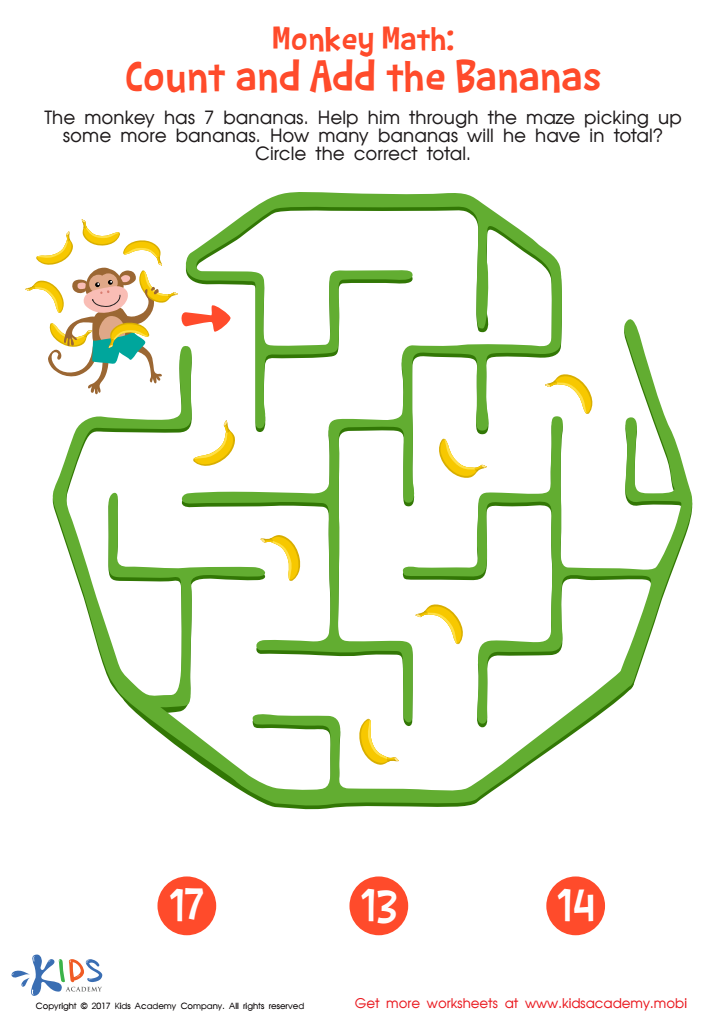
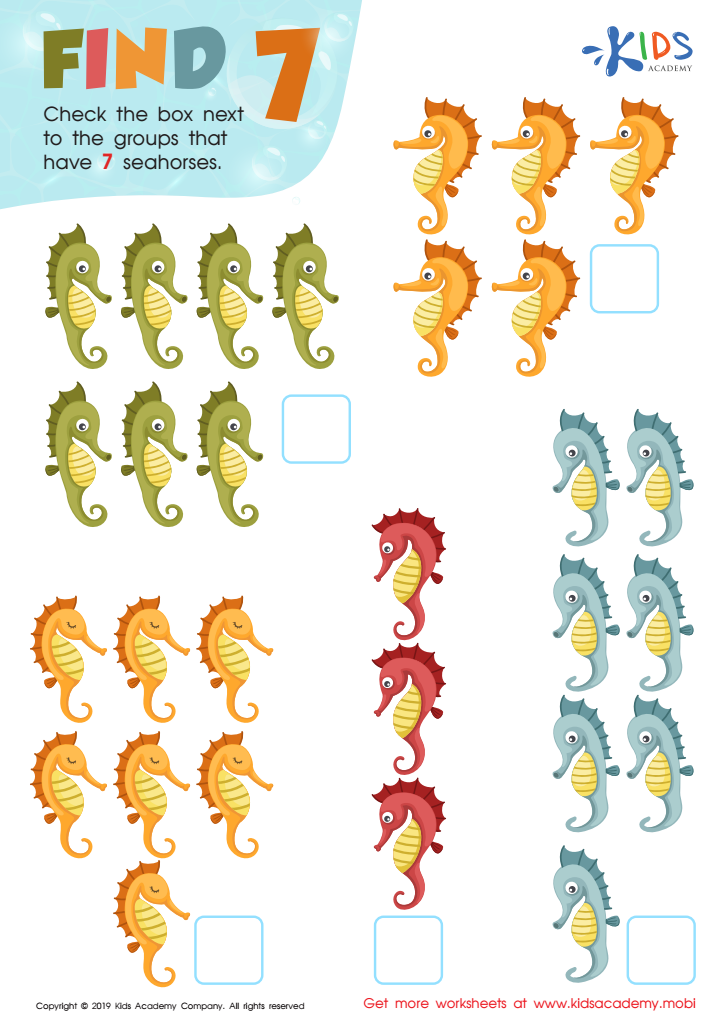
Find 7 Worksheet
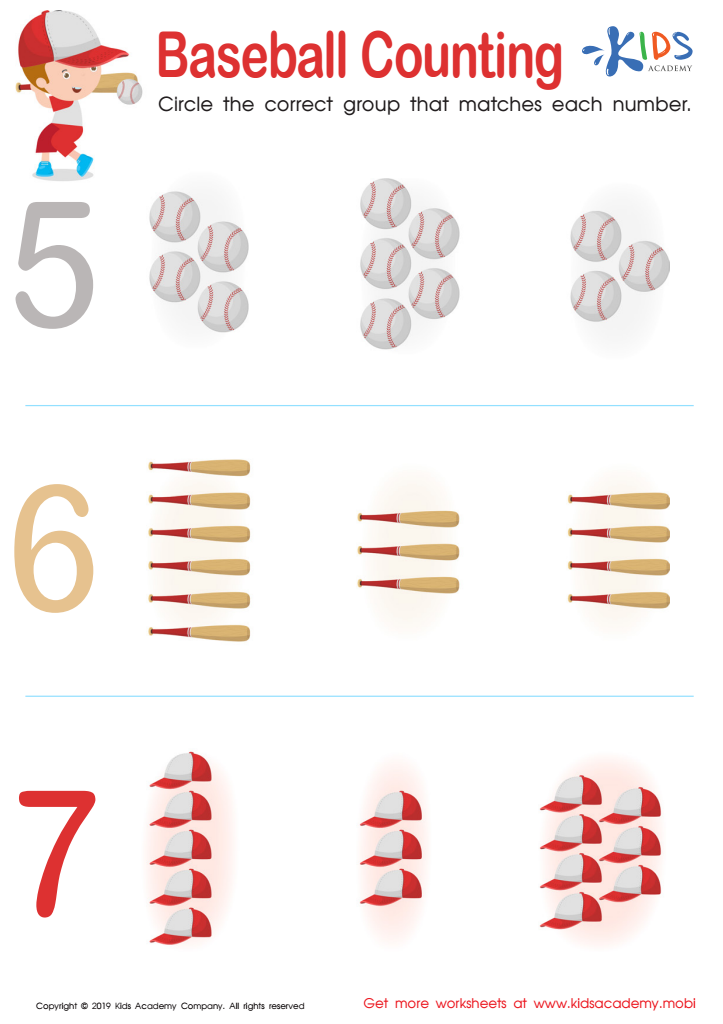
Baseball Counting Worksheet
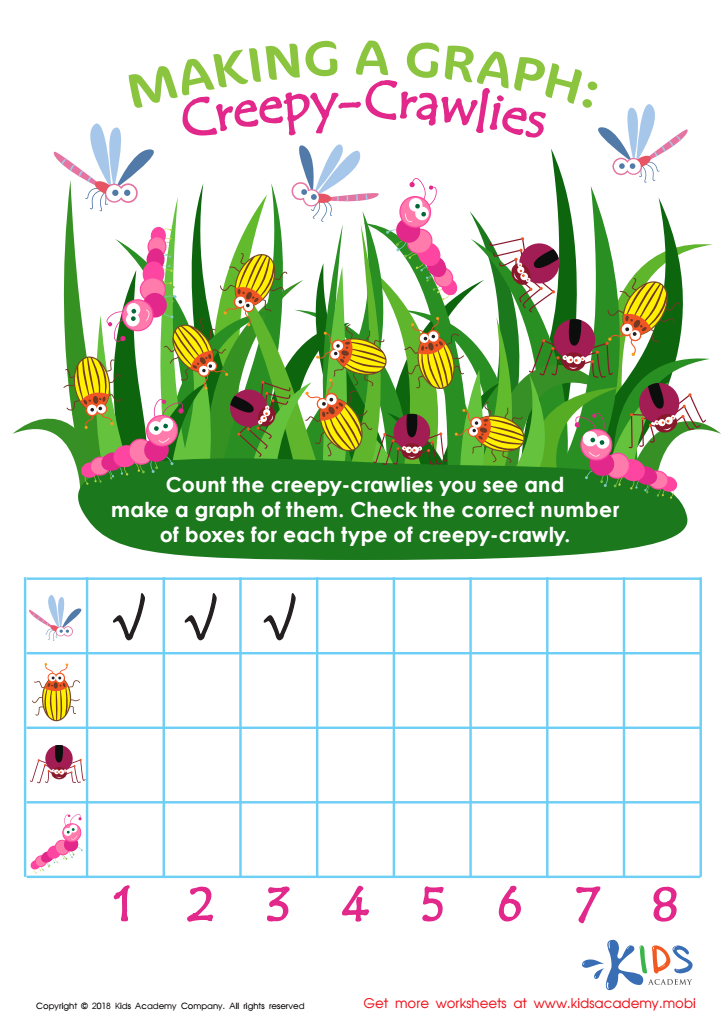
Making a Graph: Creepy Crawlies Worksheet
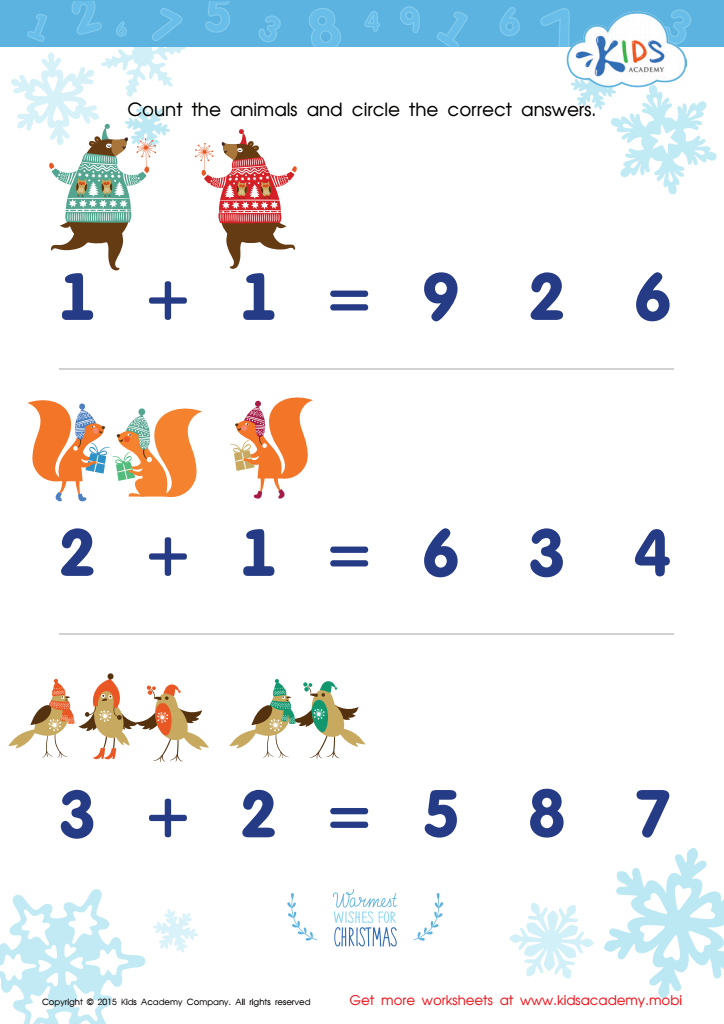
Count Funny Animals Worksheet
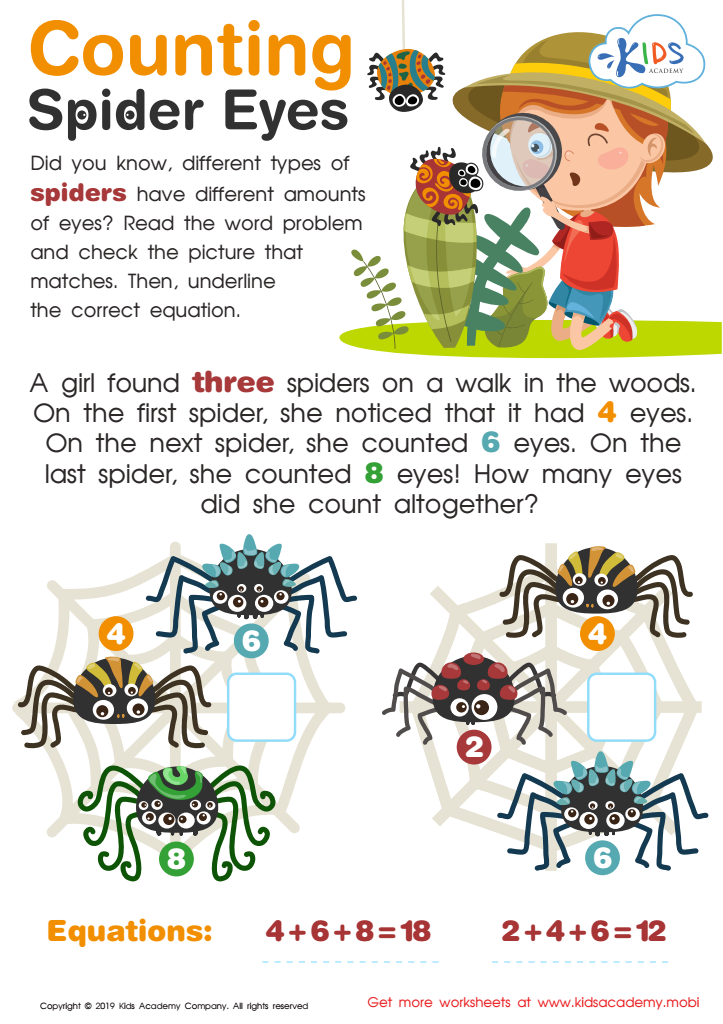
Counting Spider Eyes Worksheet
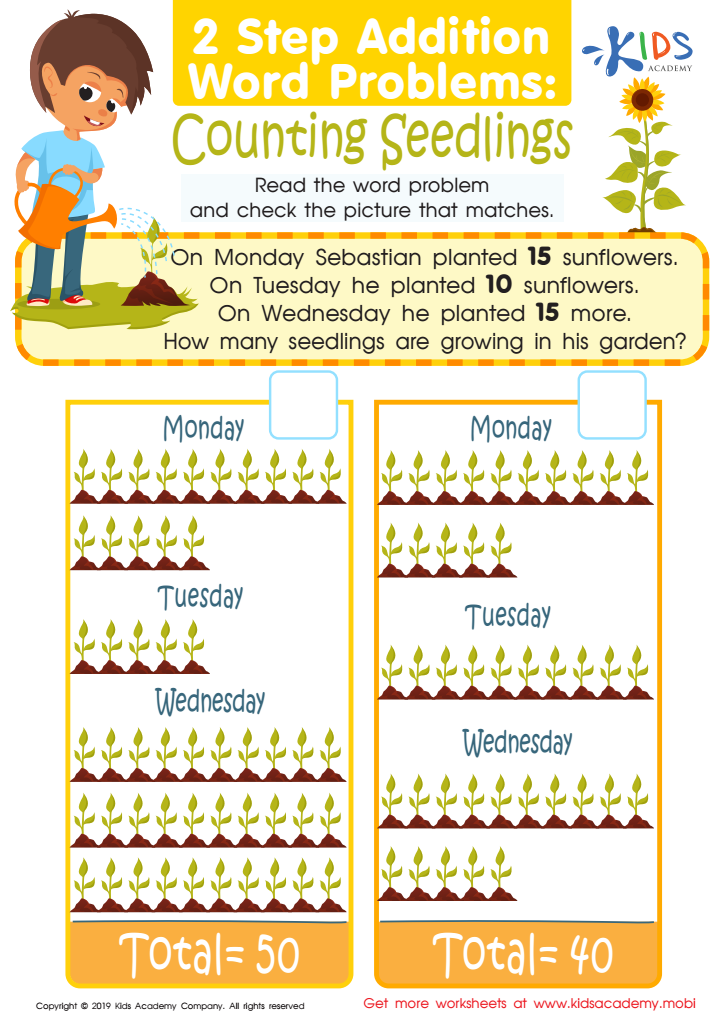
Counting Seedlings Worksheet
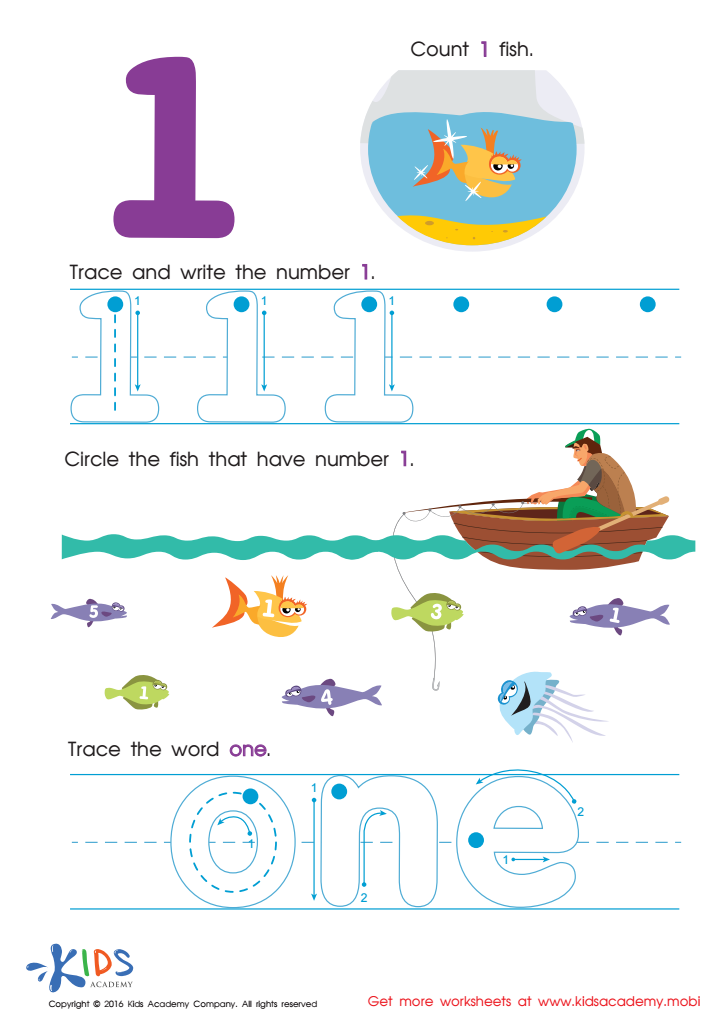
Learning to Write 1 Worksheet
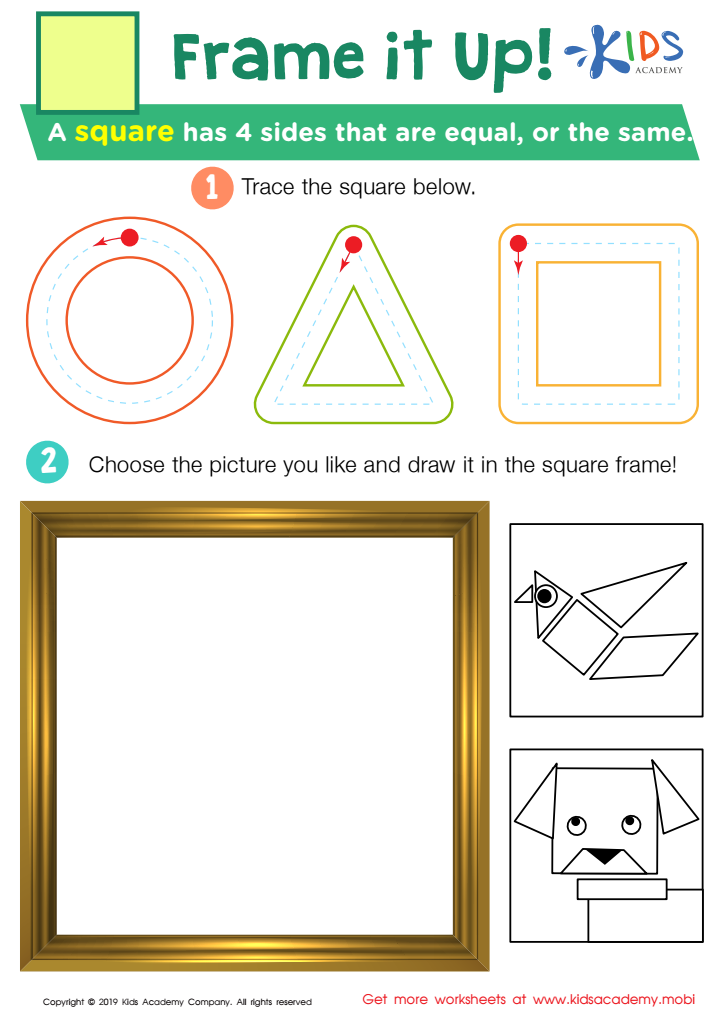
Frame it Up Worksheet
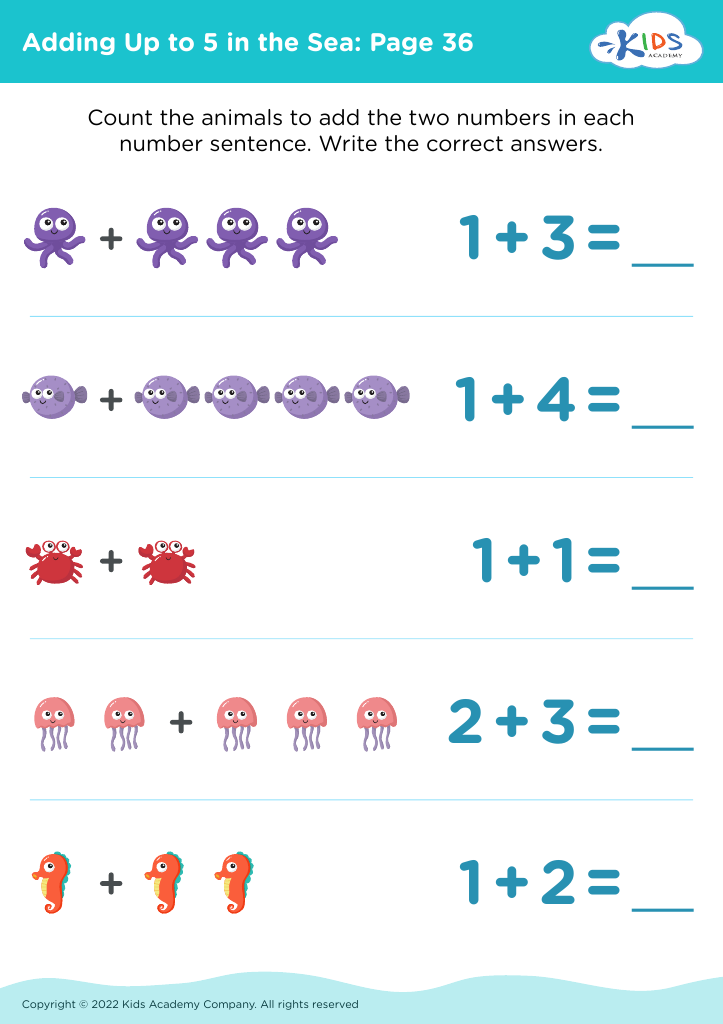
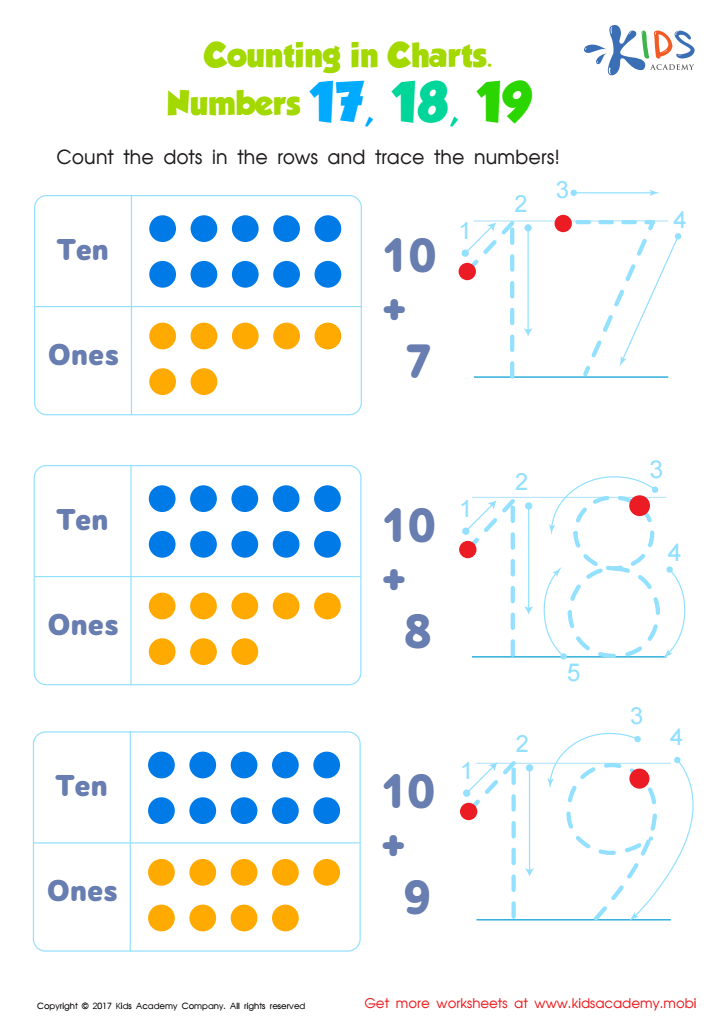
Kindergarten Number Tracing: Counting in Charts Worksheet
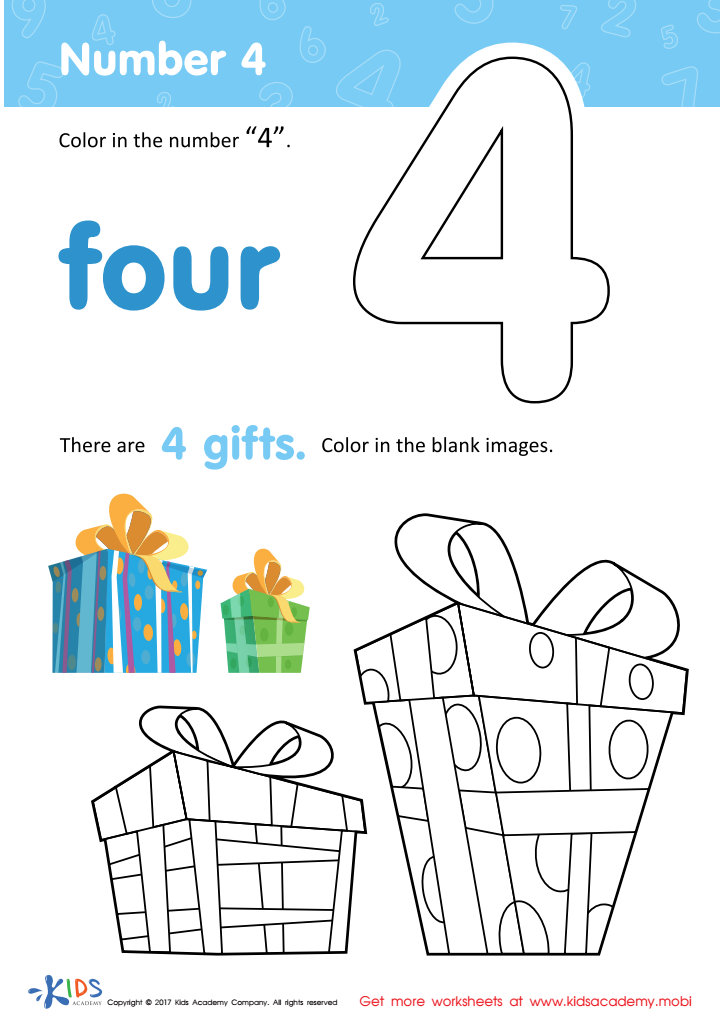
Number 4 Printable
 Assign to My Students
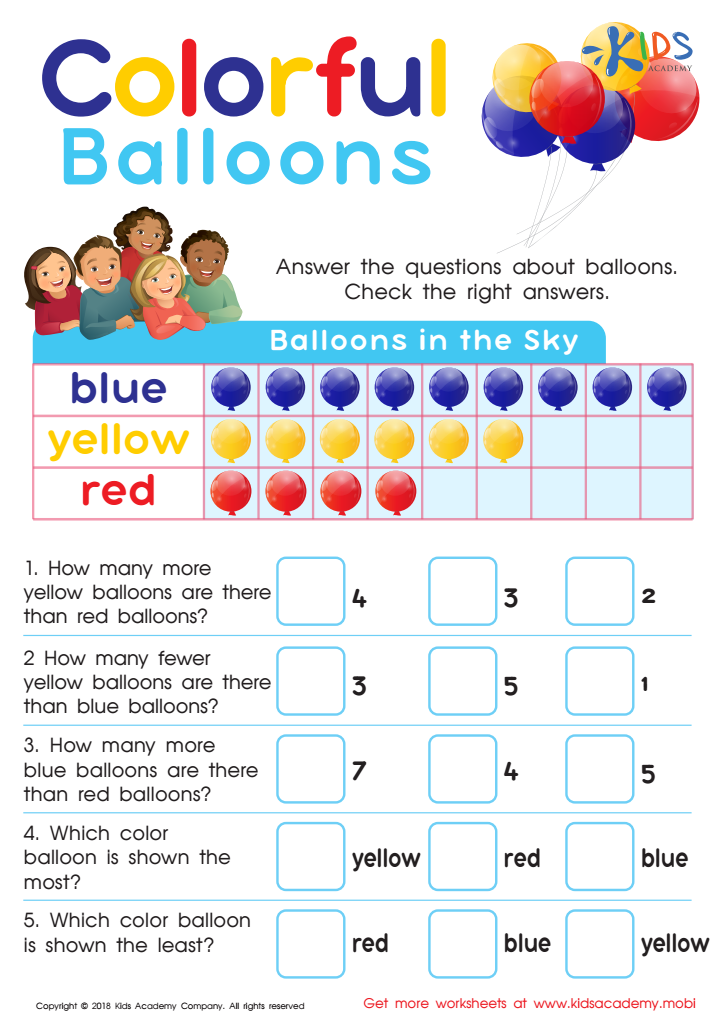
Picture Graphs: Colorful Balloons Worksheet
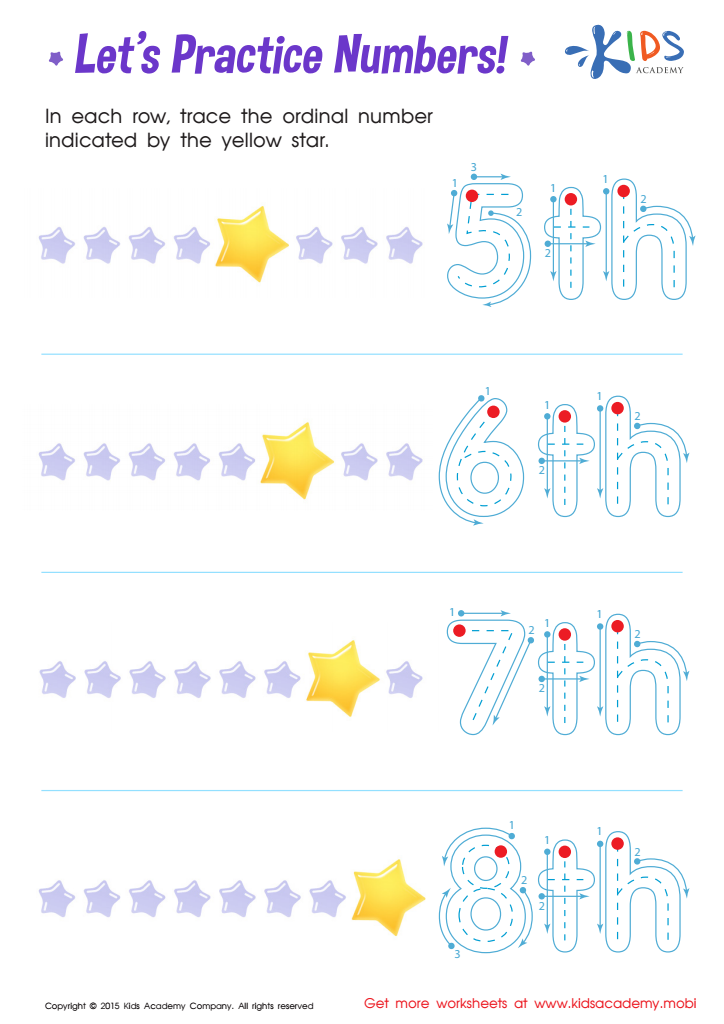
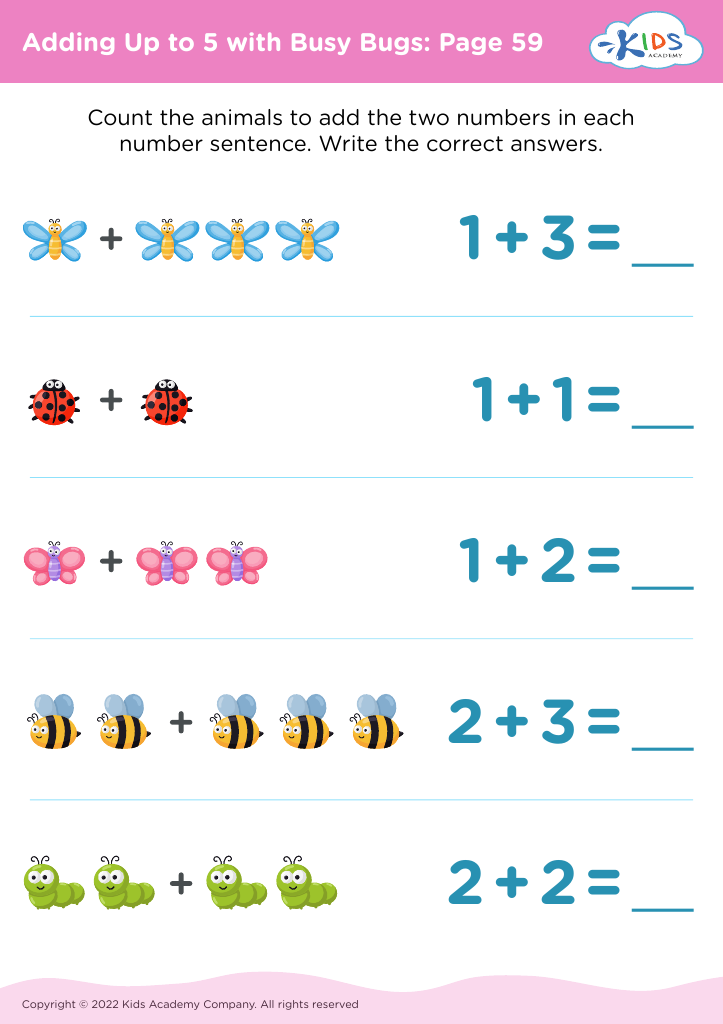






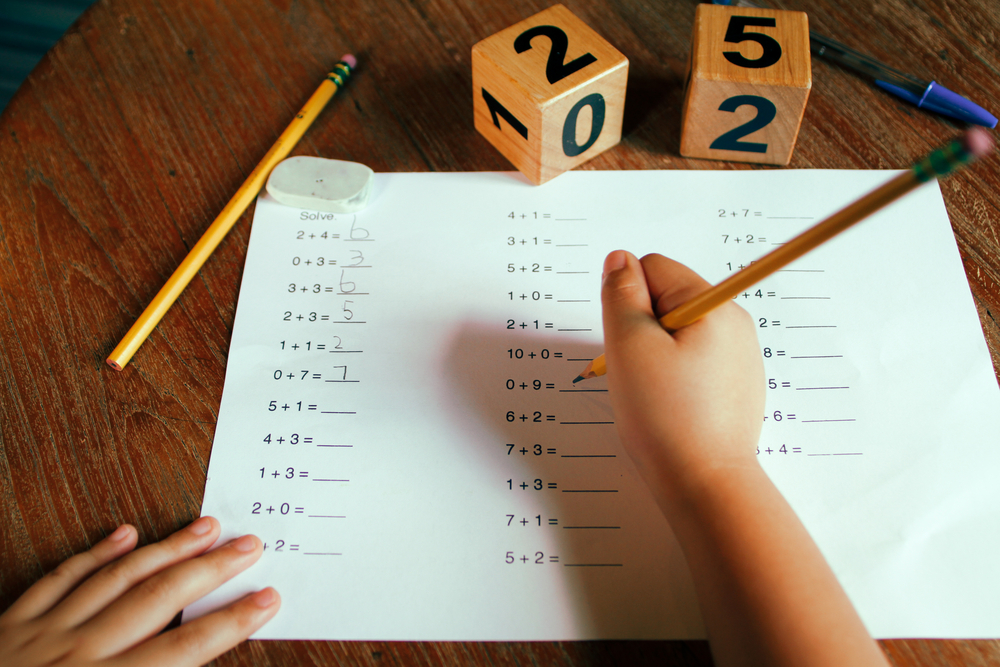

Counting skills in children aged 5-6 are foundational and significantly impact their future mathematical abilities and overall cognitive development. At this age, kids are in the early stages of formal education and are developing crucial skills that will support their academic growth. Counting helps them understand numbers, a core component of mathematics, and sets the stage for more complex mathematical concepts like addition, subtraction, and problem-solving.
When children learn to count, they also develop one-to-one correspondence, which means they can match one object to one number. This skill is essential for accuracy in counting and developing a good number sense. Moreover, counting stimulates brain activity, enhancing memory and promoting logical thinking.
For parents and teachers, actively engaging children in counting activities encourages a positive attitude towards math. Early success in counting can boost a child's confidence and interest in the subject, fostering a long-term love for learning. By incorporating counting in day-to-day activities, such as counting toys, steps, or pieces of fruit, adults can make learning fun and contextual.
Overall, counting skills are not just about understanding numbers but also enabling children to interact meaningfully with their environment. Prioritizing these skills offers a strong foundation for future academic achievements and everyday life applications.








