
Numeracy skills Math Worksheets for Ages 5-6
3 filtered results
Difficulty Level
Grade
Age
-
From - To
Subject
Activity
Standards
Help your child build a solid math foundation with our engaging numeracy skills math worksheets designed for ages 5-6. These expertly crafted worksheets inspire a love for numbers through fun, age-appropriate activities. Topics range from basic counting and simple arithmetic to recognizing shapes and understanding patterns. Each worksheet encourages cognitive development and enhances problem-solving abilities. Perfect for both classroom and at-home learning, they ensure children grasp essential math concepts with ease. Boost your 5-6-year-old's confidence and proficiency in math with Kids Academy's comprehensive numeracy skills worksheets. There’s never been a more exciting way to learn math fundamentals!
Favorites
With answer key
Interactive
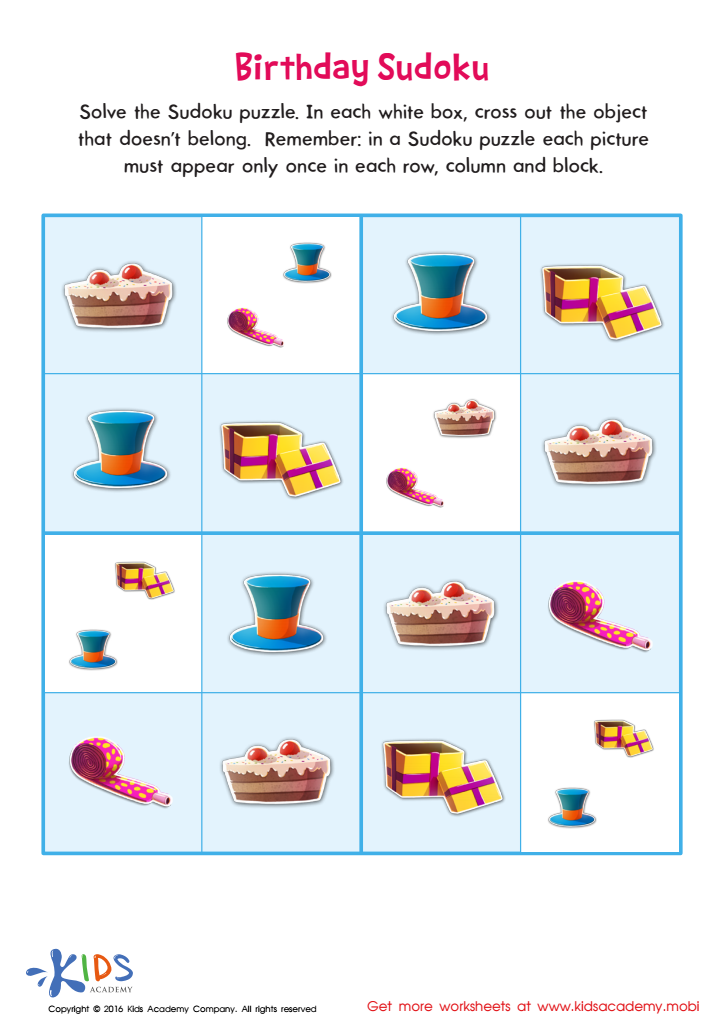
Birthday Sudoku Sorting Worksheet
With this Sudoku printable, your child will have fun and strengthen their problem-solving skills.
 Assign to My Students
Birthday Sudoku Sorting Worksheet
Worksheet
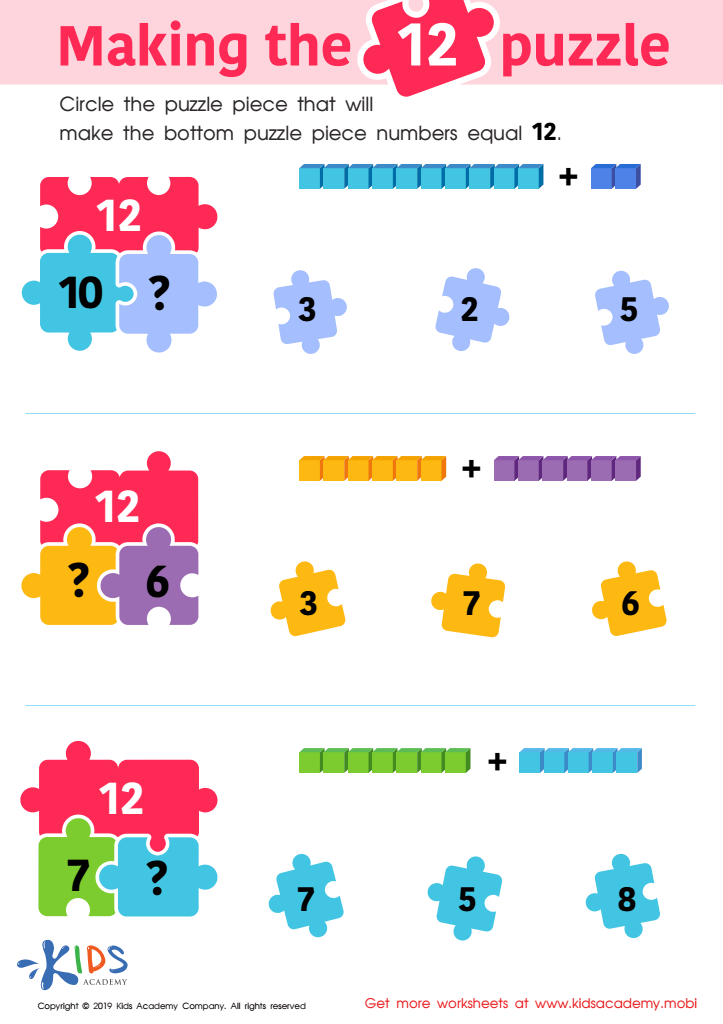
Making the 12 Puzzle Worksheet
Engage preschoolers in learning with this fun and colorful worksheet. Ask them to look at the picture and identify the missing equation on each puzzle piece; then help them solve the problems. When all the puzzle pieces make the bottom numbers equal 12, have them circle it. This is a great way to combine learning and fun!
Making the 12 Puzzle Worksheet
Worksheet
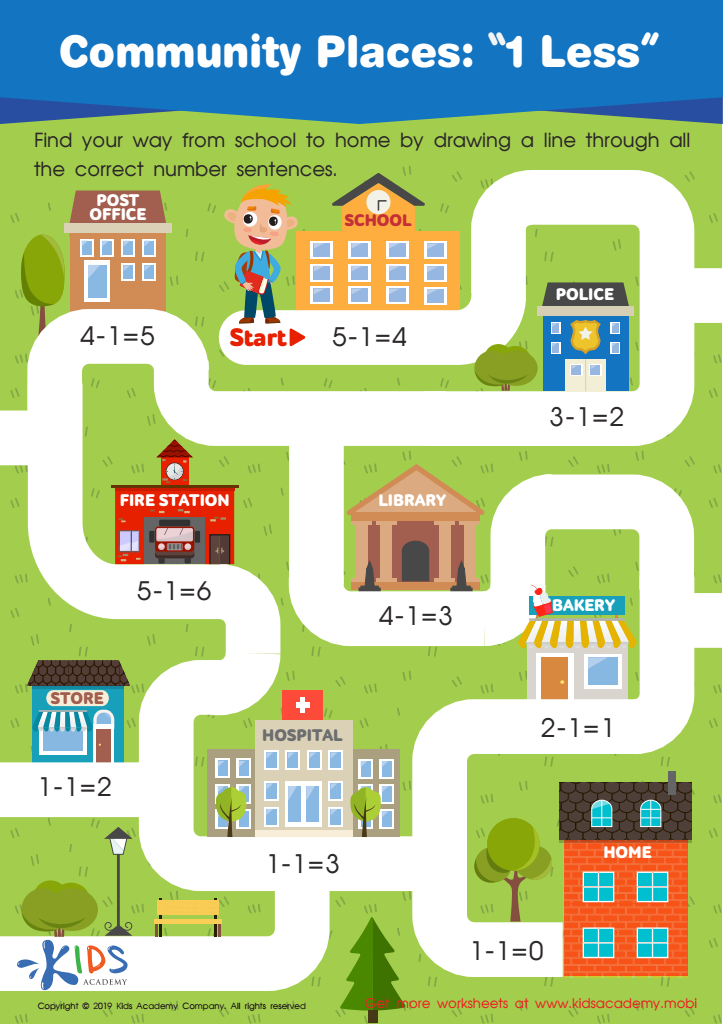
Community Places: 1 Less Worksheet
Have your kindergarteners draw a line through the correct number sentences as they find their way home from school. Ask them to identify the people, places, and buildings in their community and the jobs they do.
Community Places: 1 Less Worksheet
Worksheet
Join Kids Academy for Free
Who is primarily going to use this learning content?







%20(1).jpg)
Parents and teachers should care about numeracy skills for children aged 5-6 because early mathematical understanding forms the foundation for future educational success and everyday life skills. At this age, children are rapidly developing cognitive abilities and are highly receptive to new information. Numerical skills such as counting, recognizing numbers, understanding shapes, and basic addition and subtraction are crucial building blocks that prepare them for more complex mathematical concepts.
Numeracy contributes to a child's critical thinking, problem-solving, and logical reasoning abilities, which are essential not just in math class, but across all subjects and daily activities. For example, understanding numbers helps children tell time, handle money, measure ingredients for a recipe, and even follow instructions or complete tasks in an organized manner.
Moreover, early math skills are linked to better academic performance overall. Research shows that children with strong numeracy foundations are more likely to excel in school and develop a positive attitude towards learning. Teachers and parents play a critical role in fostering a supportive and engaging environment that makes learning math enjoyable. Activities like playing with number-based games, puzzles, and everyday interactions (such as counting items during grocery shopping) can make a significant difference in developing these skills effectively.








