Understanding patterns Math Worksheets for Ages 5-6
10 filtered results
-
From - To
Unlock your child's mathematical potential with our "Understanding Patterns Math Worksheets" tailored for ages 5-6! These engaging resources are designed to make learning fun and interactive, helping young learners recognize, create, and extend various patterns. From simple color sequences to more complex shapes, our worksheets encourage critical thinking and enhance problem-solving skills. Perfect for homeschooling or classroom activities, these printable worksheets promote early math skills while keeping children entertained. Dive into the world of patterns today and watch your child build confidence in math through hands-on practice and creative exploration! Get started now for a bright math future!
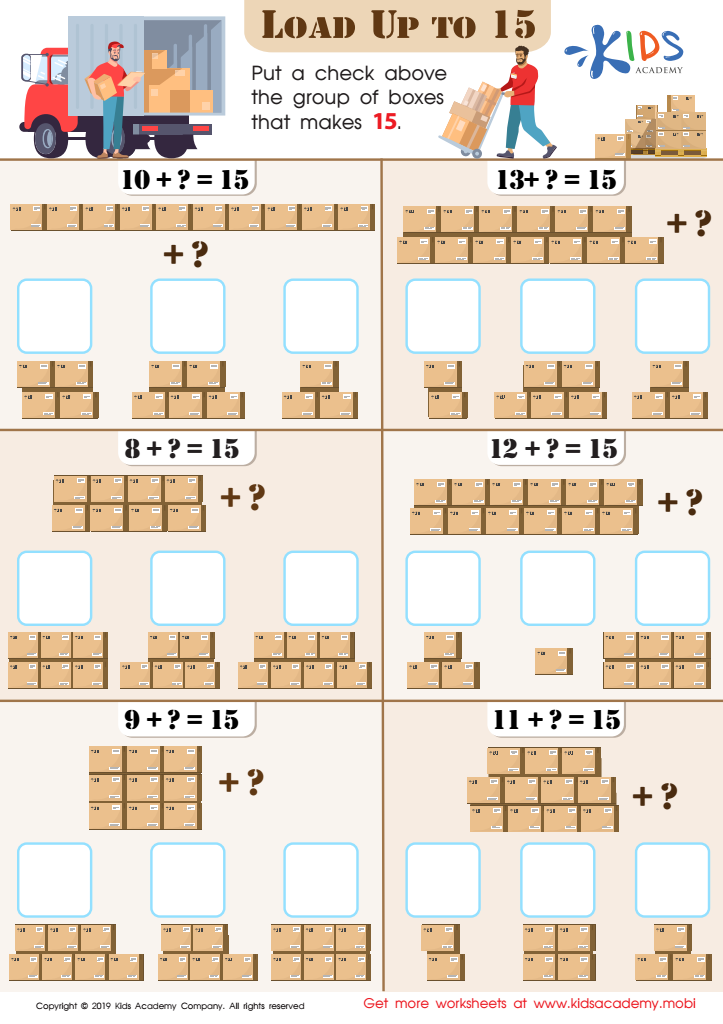
Load up to 15 Worksheet
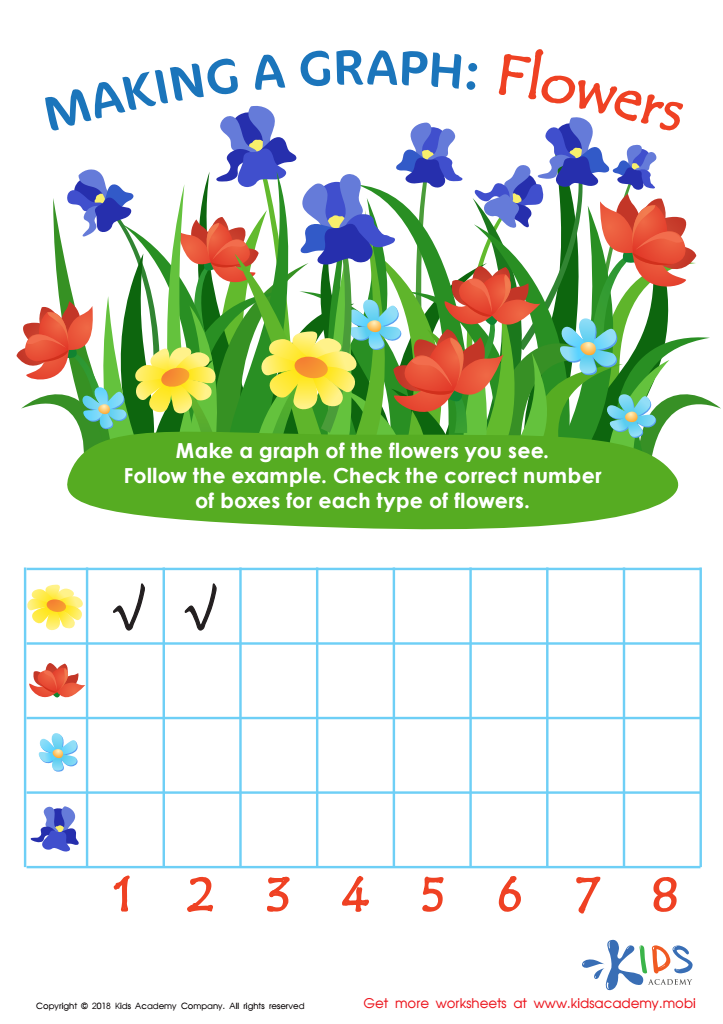
Making a Graph: Flowers Worksheet
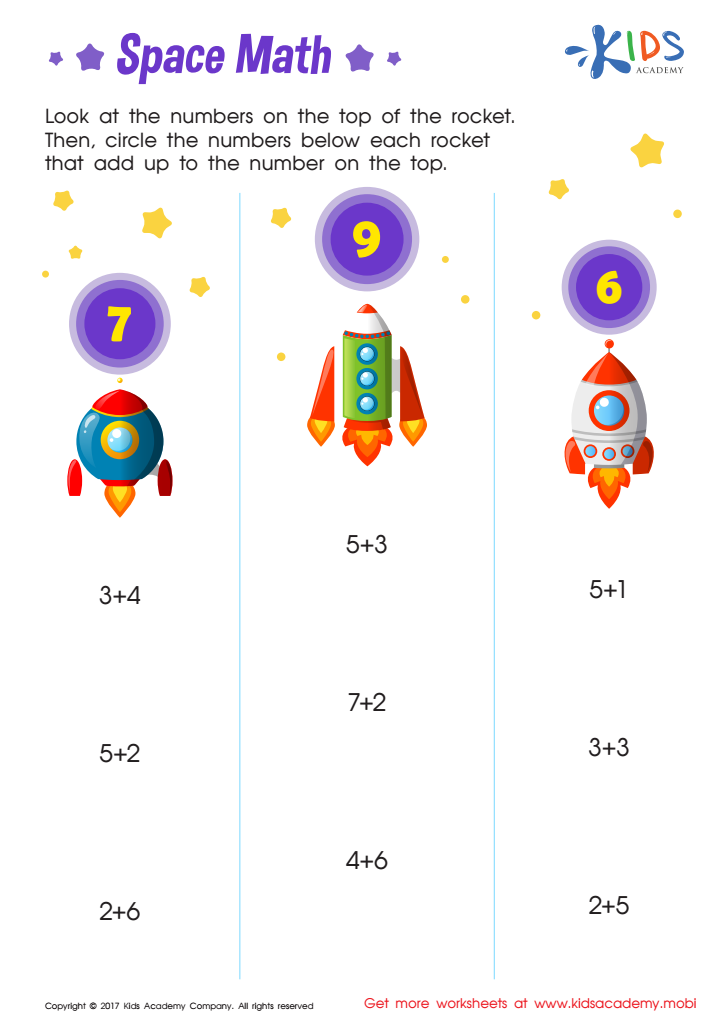
Addition: Space Math Worksheet
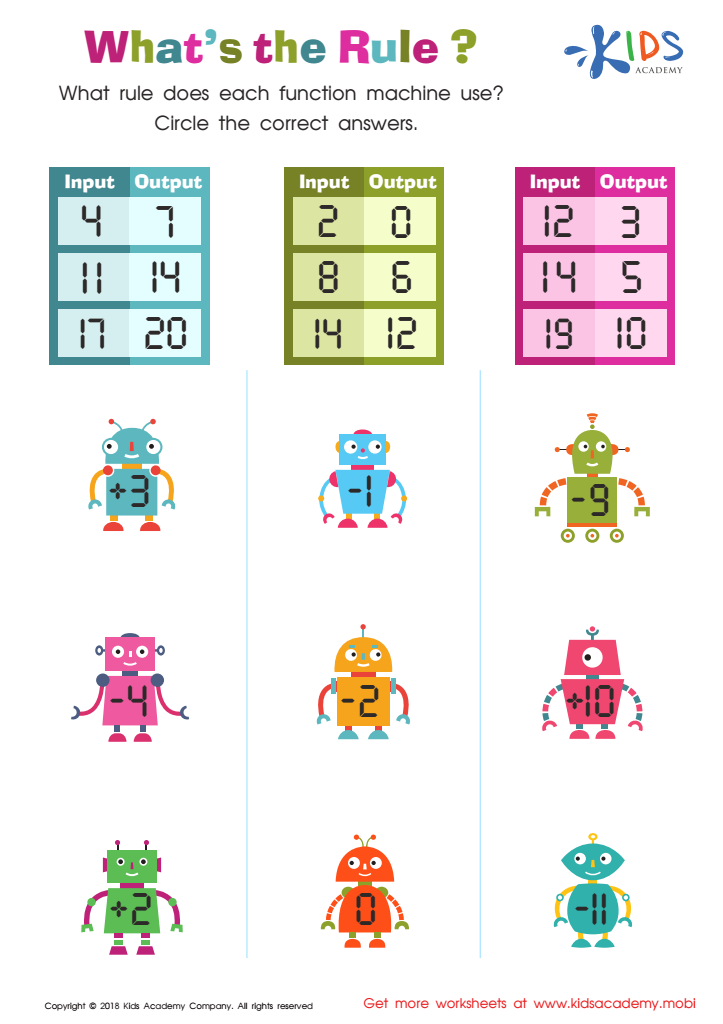
What's the Rule Worksheet
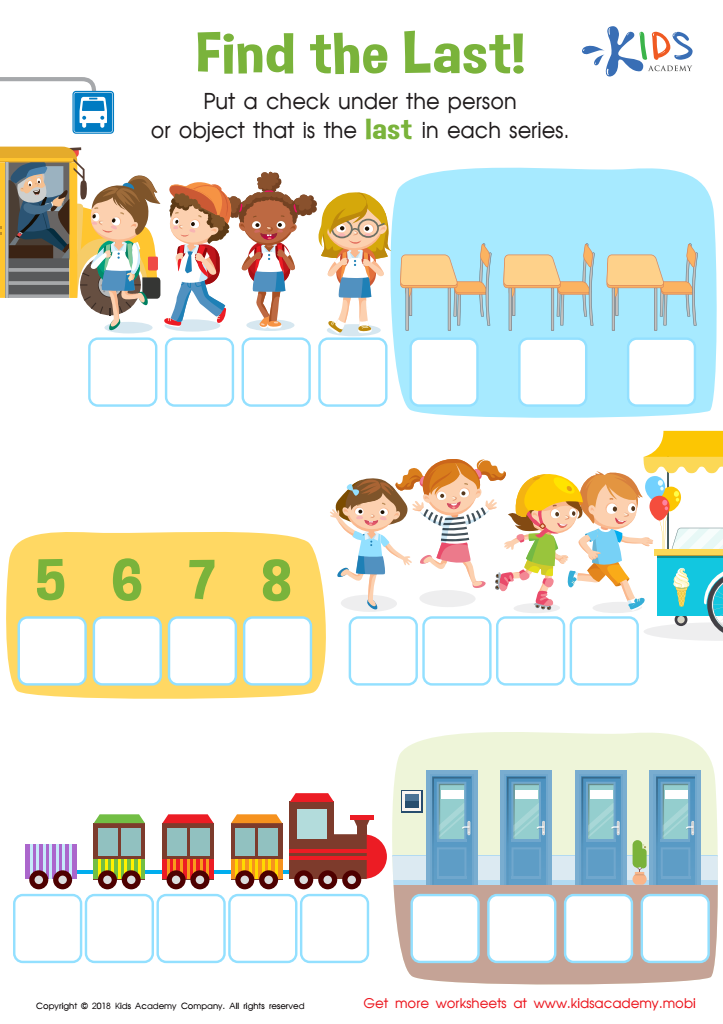
Find the Last! Worksheet
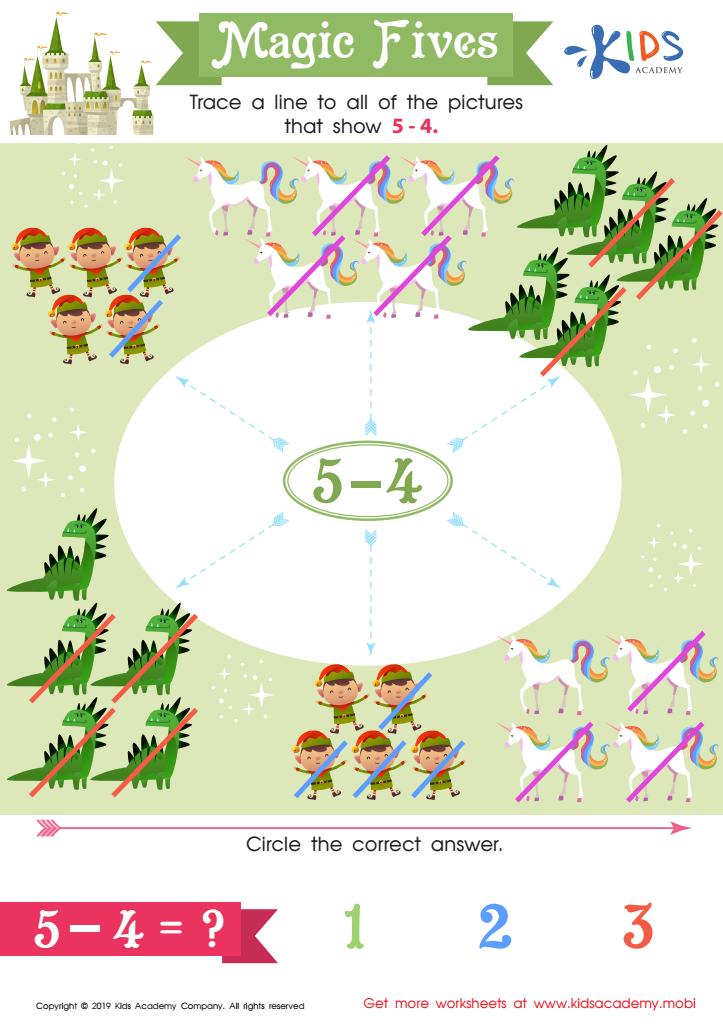
Magic Fives Worksheet
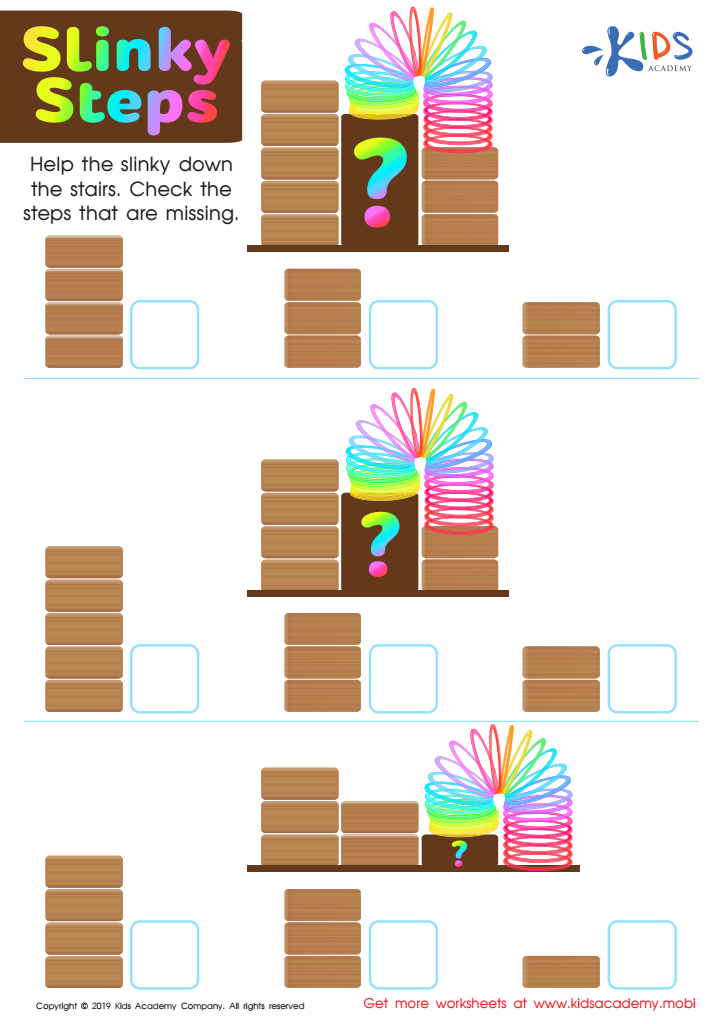
Slinky Steps Worksheet
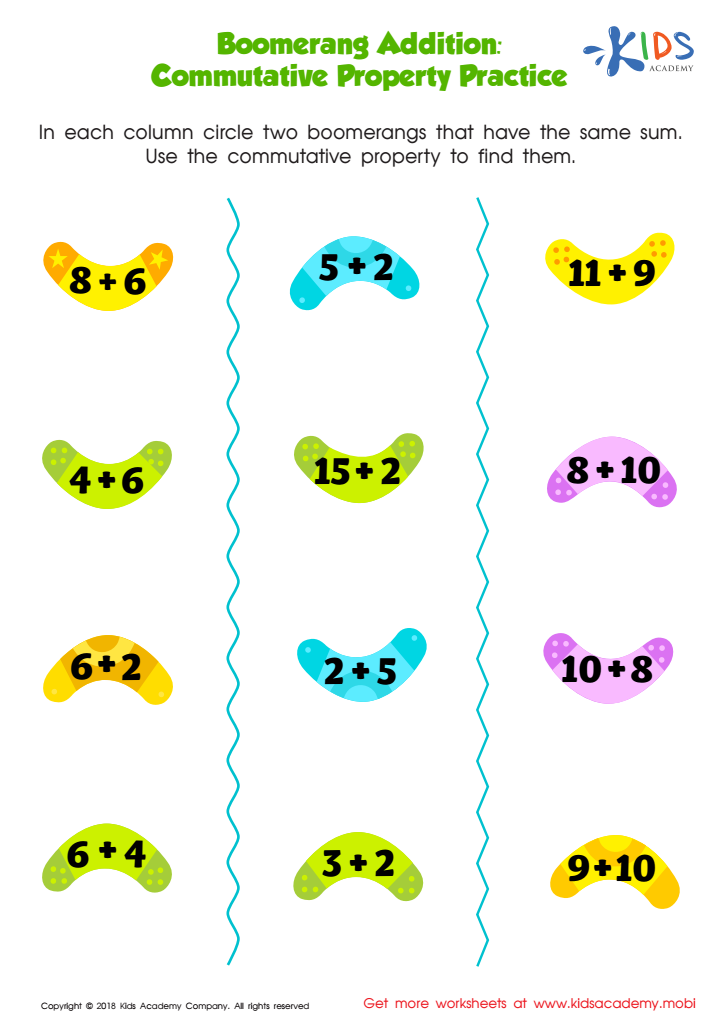
Boomerang Addition Worksheet
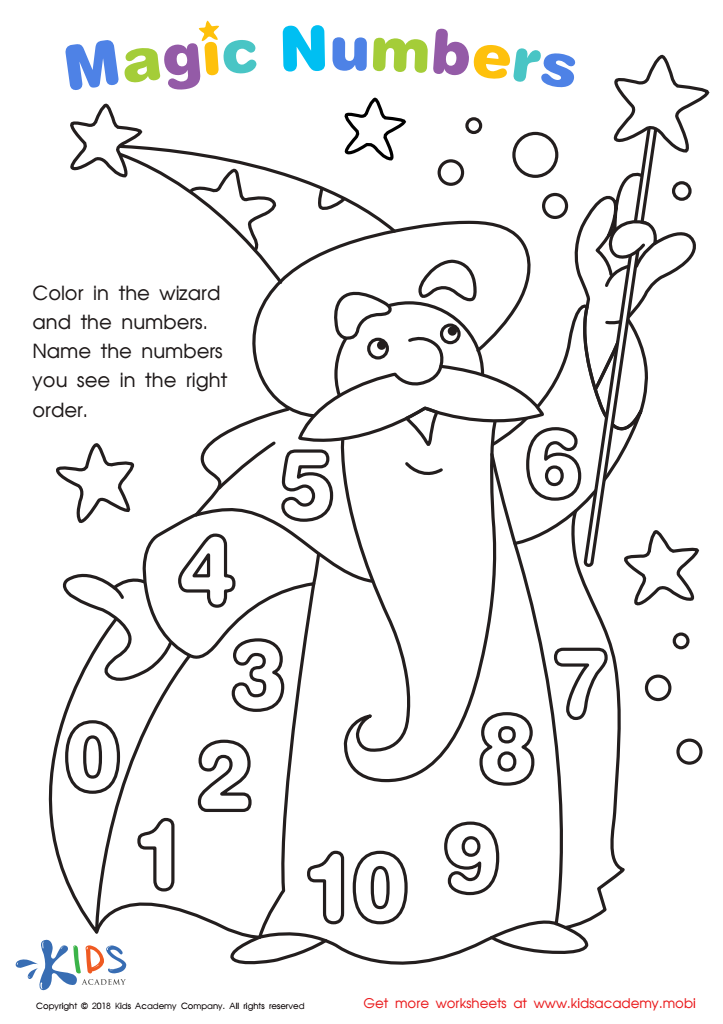
Magic Numbers Worksheet
 Assign to My Students
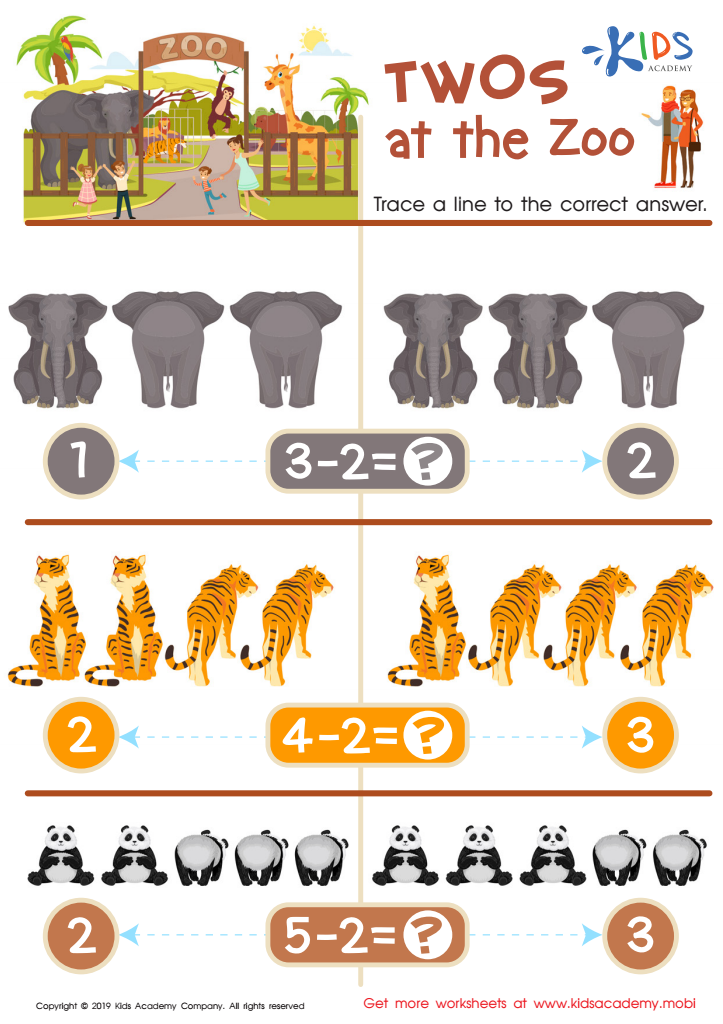
Twos at the Zoo Worksheet







Understanding patterns in mathematics is foundational for young learners, particularly for children aged 5-6. At this stage, children are naturally curious and attentive, making it an ideal time to introduce them to mathematical concepts through the lens of patterns. First, recognizing and creating patterns helps develop critical thinking and problem-solving skills. When children identify patterns, they learn to predict what comes next, which strengthens their logical reasoning abilities.
Moreover, understanding patterns is closely linked to other mathematical concepts, such as numbers, sequences, and even basic operations. For young learners, mastering these concepts early on creates a solid foundation for more complex mathematics in later years. Additionally, learning about patterns enhances children's physical coordination, linguistics, and classification skills as they engage in rhythmic actions or repetitious behaviors that promote cognitive development.
Collaboration with teachers and parents reinforces this learning at home, allowing for enriched experiences through everyday tasks and play. Ultimately, prioritizing pattern recognition in early education fosters confidence and a positive attitude toward mathematics, laying the groundwork for academic success and lifelong learning. Promoting understanding of patterns can inspire a generation of curious, capable problem solvers.








