Understanding quantity Math Worksheets for Ages 5-6
24 filtered results
-
From - To
Introduce your young learner to the exciting world of numbers with our "Understanding Quantity Math Worksheets for Ages 5-6"! These carefully designed worksheets help children grasp the fundamental concept of quantity in a fun and engaging way. Featuring colorful illustrations and interactive activities, each worksheet encourages kids to count, compare, and recognize different quantities. Ideal for fostering early math skills, our worksheets align with educational standards and are perfect for reinforcing classroom learning or extra practice at home. Boost your child’s confidence in math and lay a strong foundation for future success with Kids Academy resources!
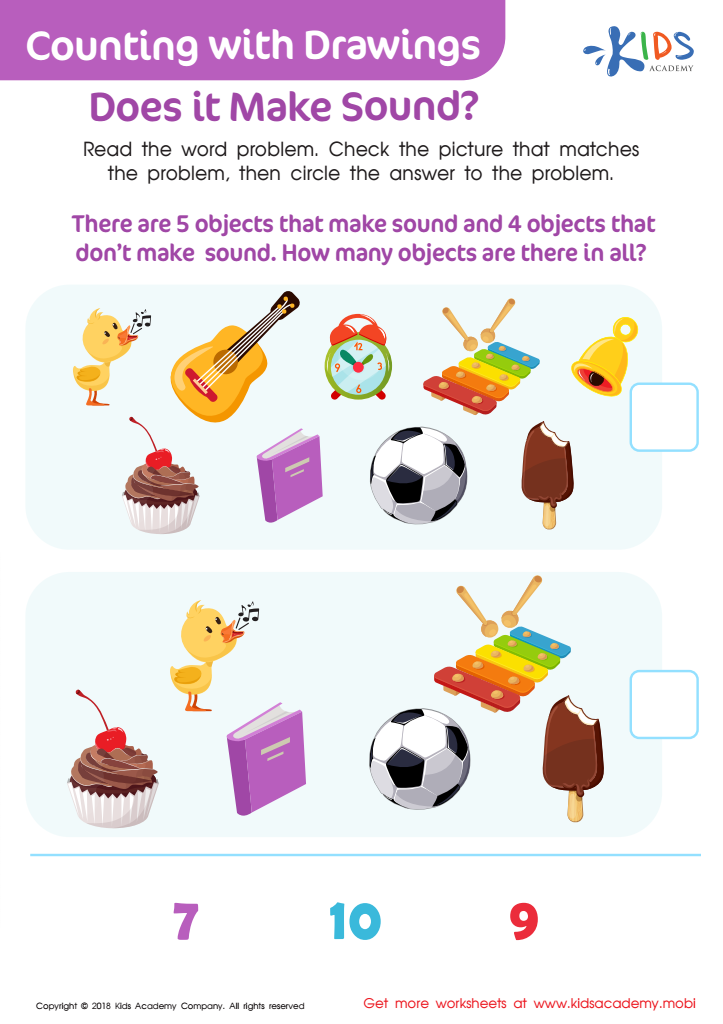
Counting With Drawings. Does It Make Sound? Worksheet
 Assign to My Students
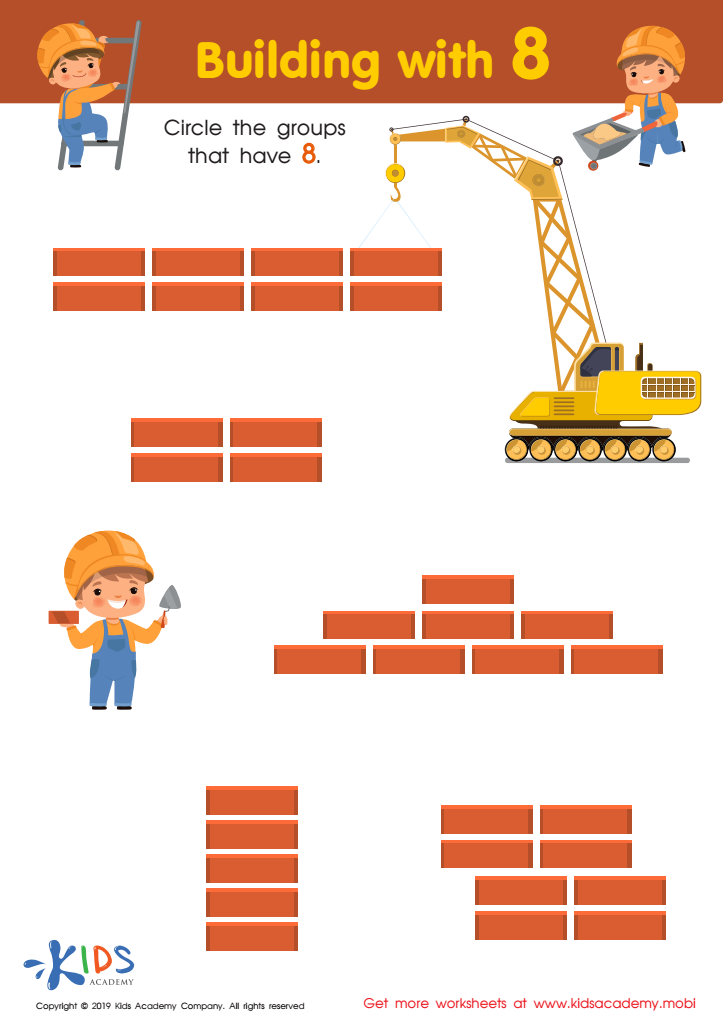
Building with 8 Worksheet
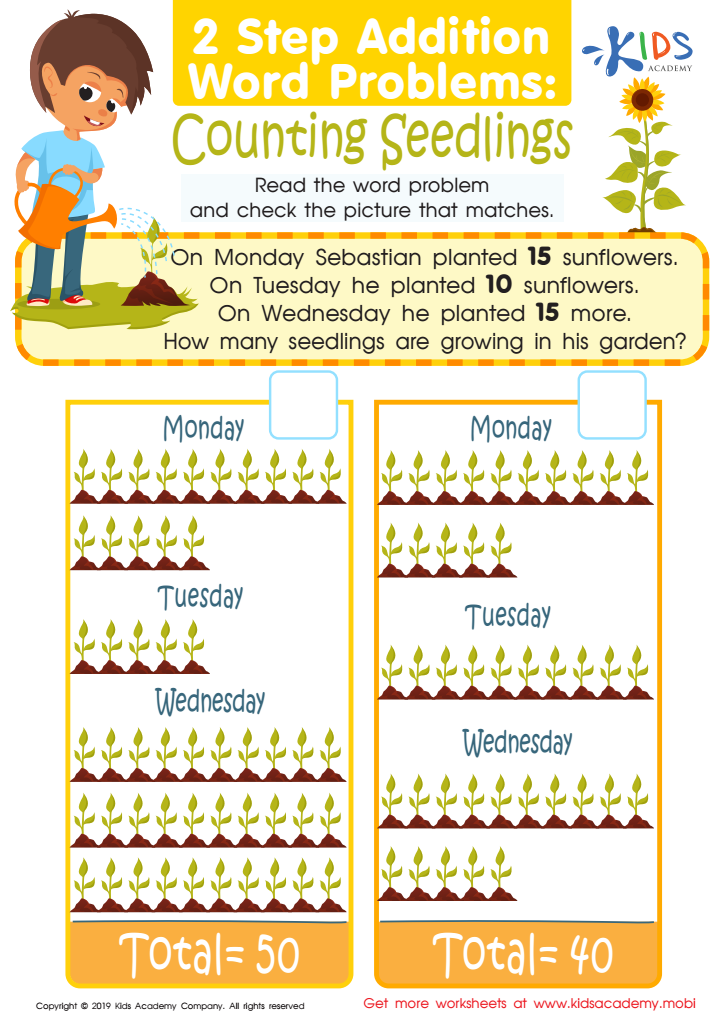
Counting Seedlings Worksheet
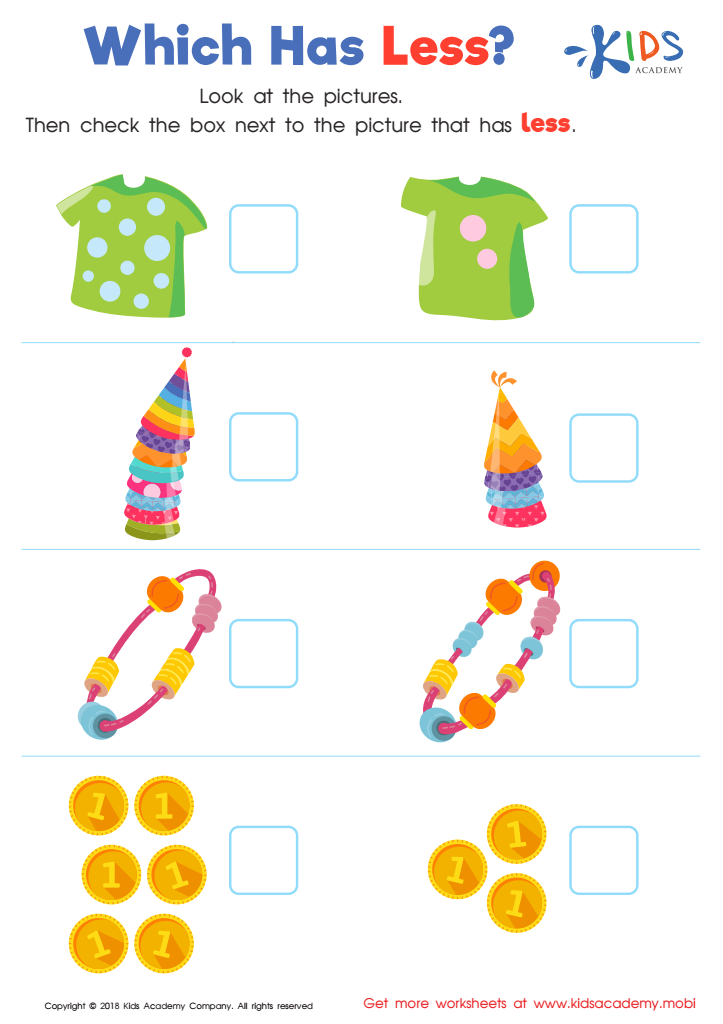
Which Has Less? Worksheet
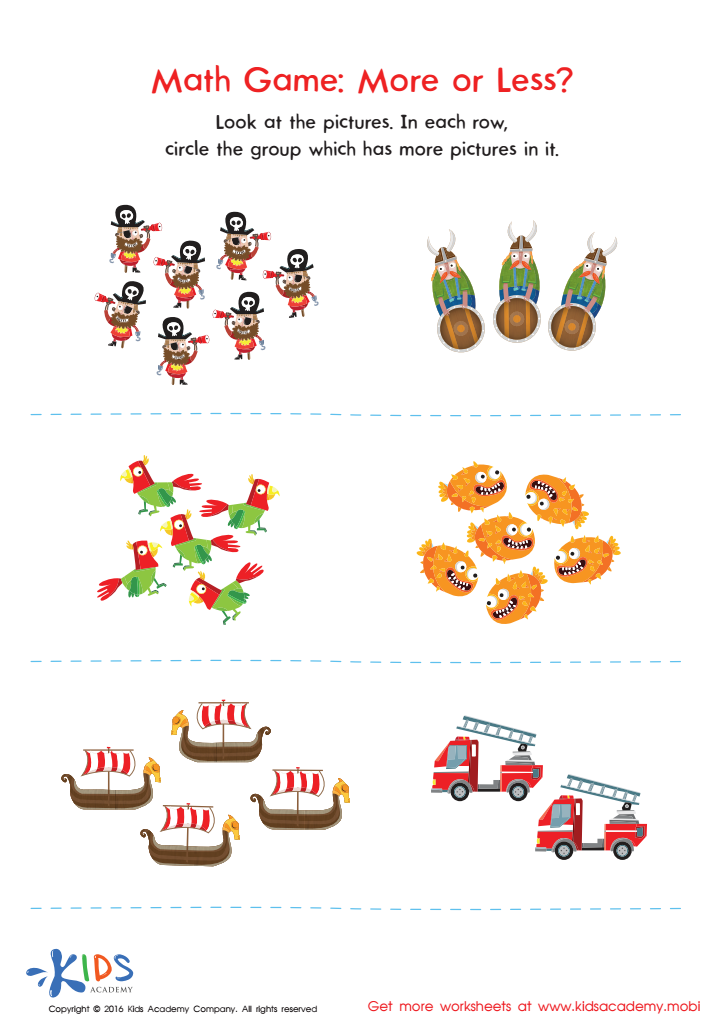
More or Less Worksheet
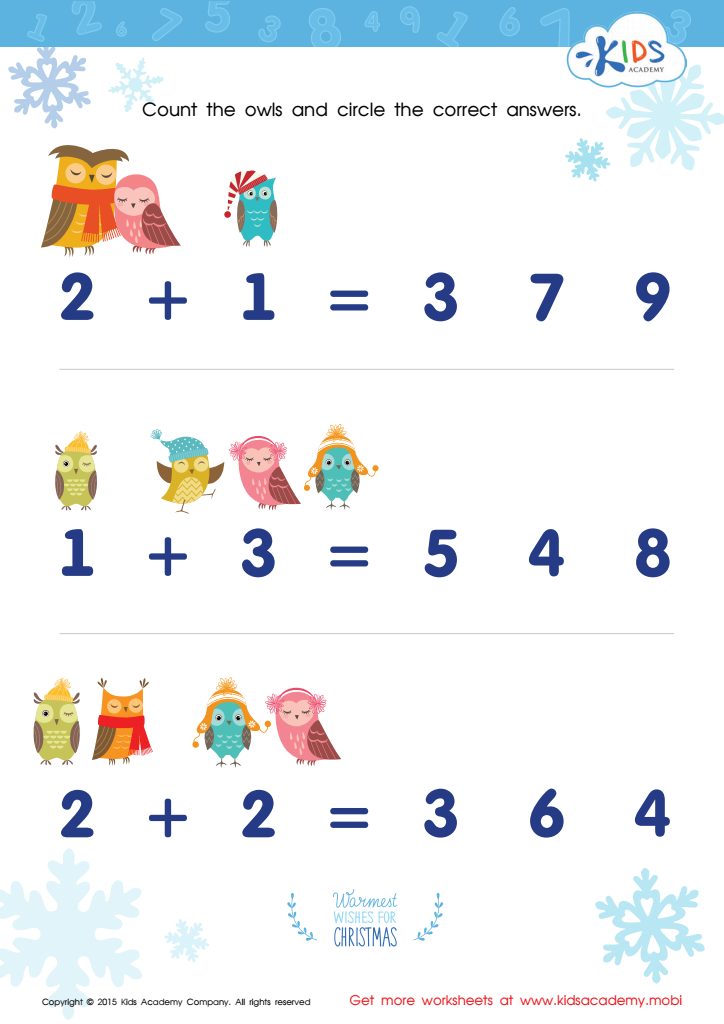
Count Little Owls Worksheet
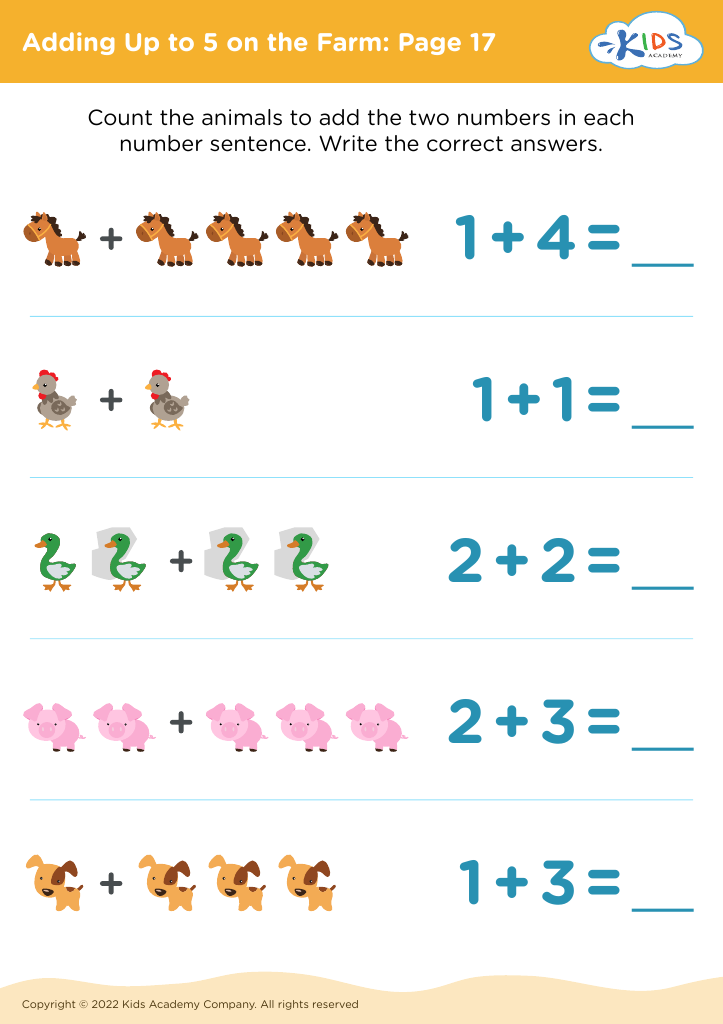
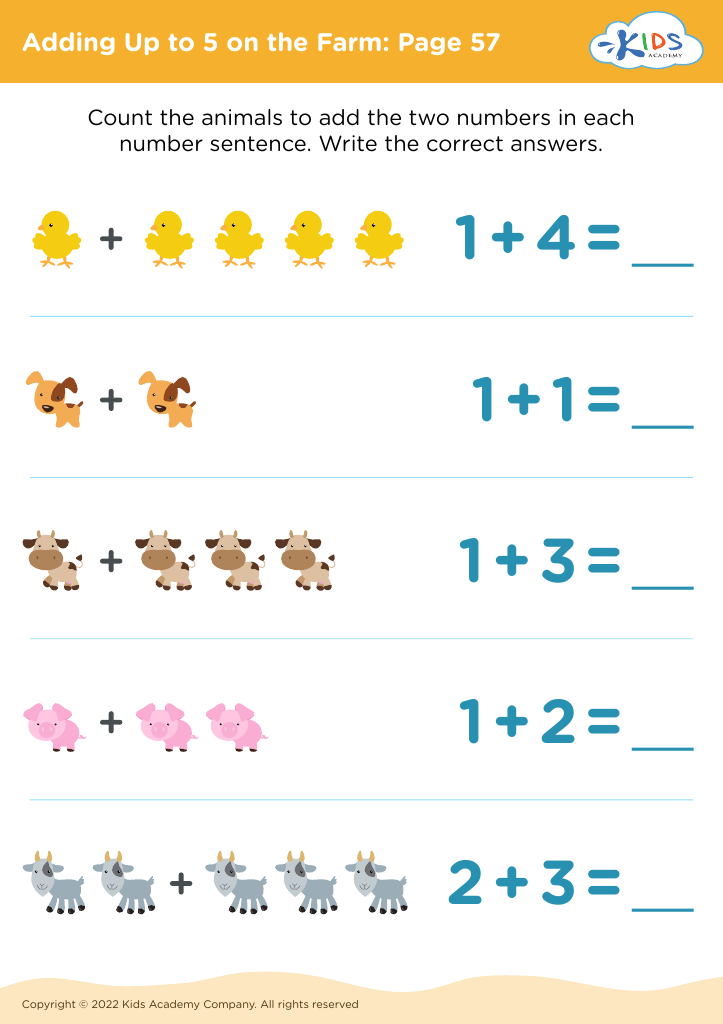
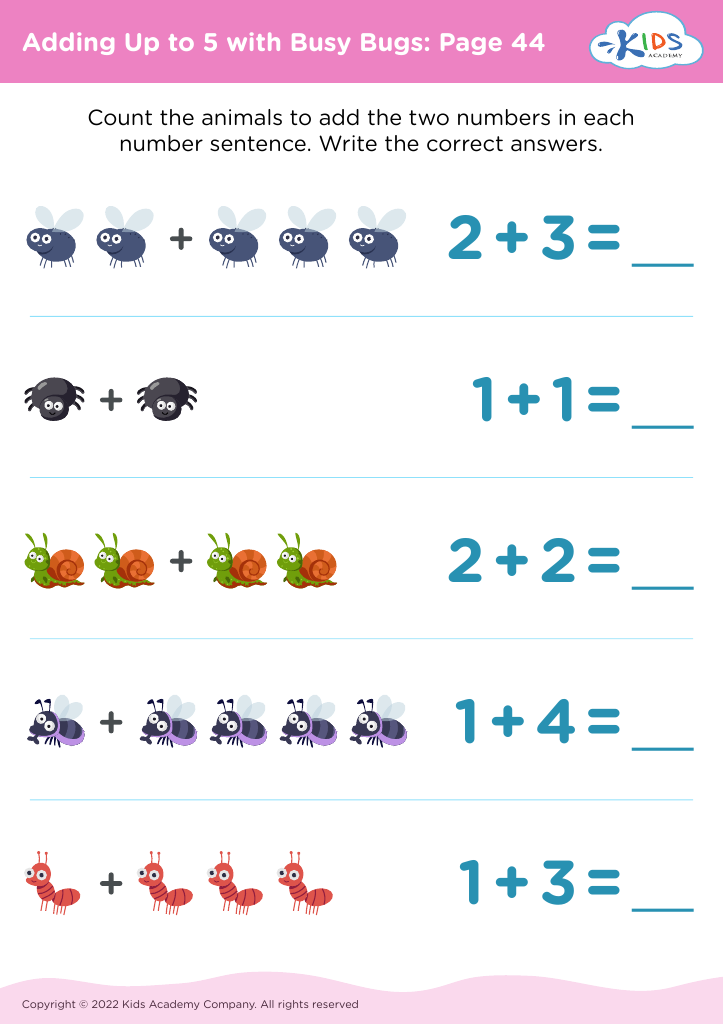
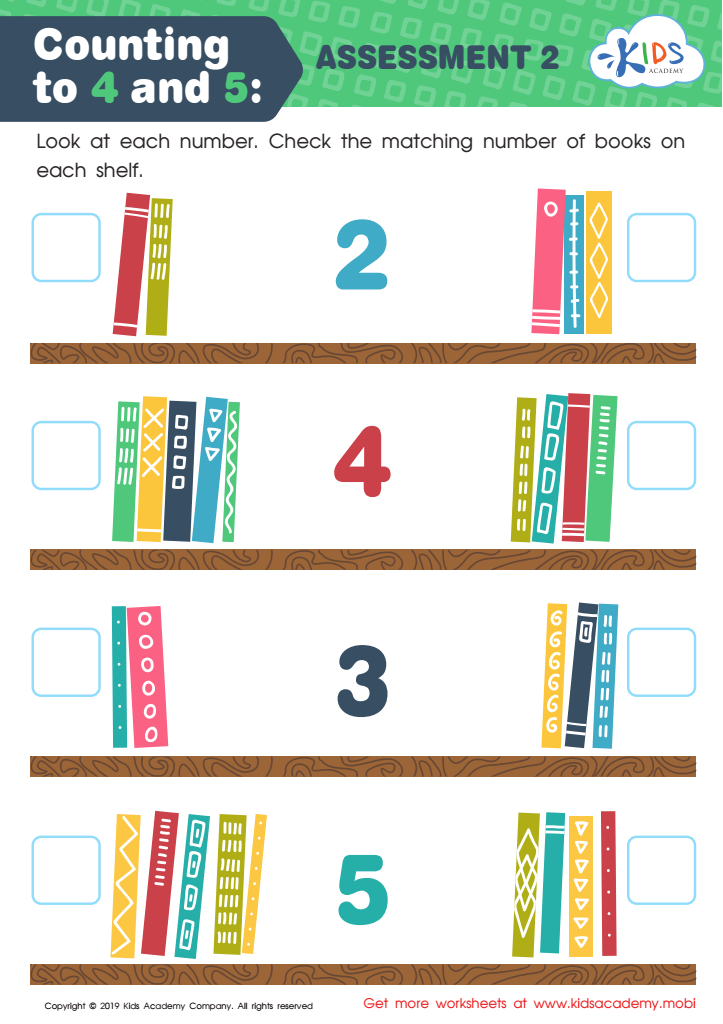
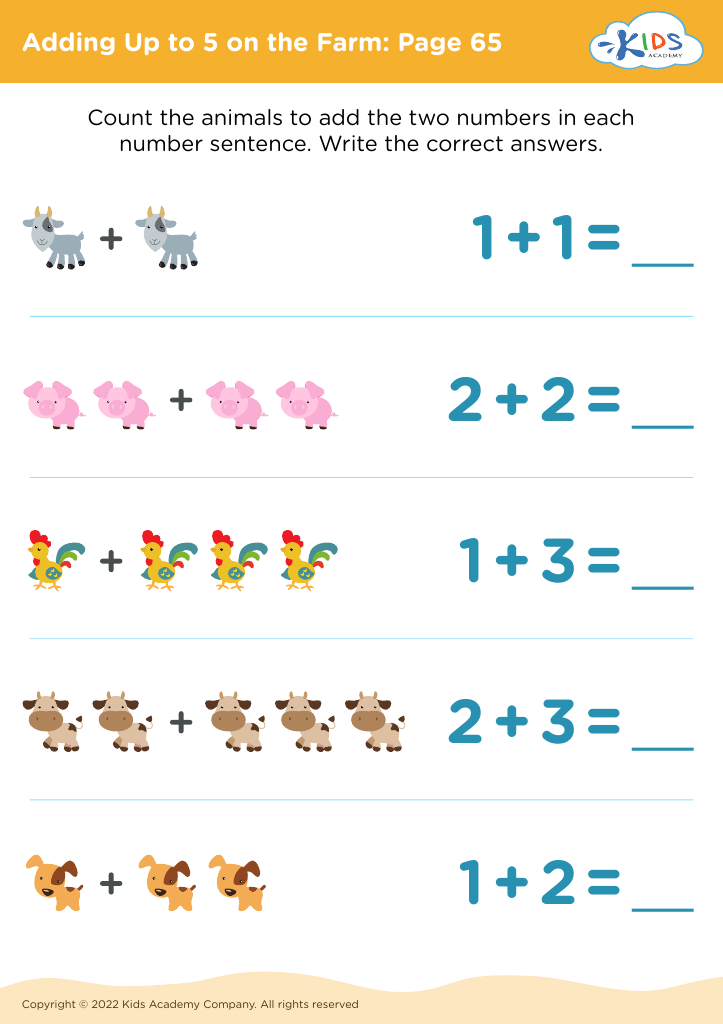
Counting to 4 and 5: Assessment 2 Worksheet
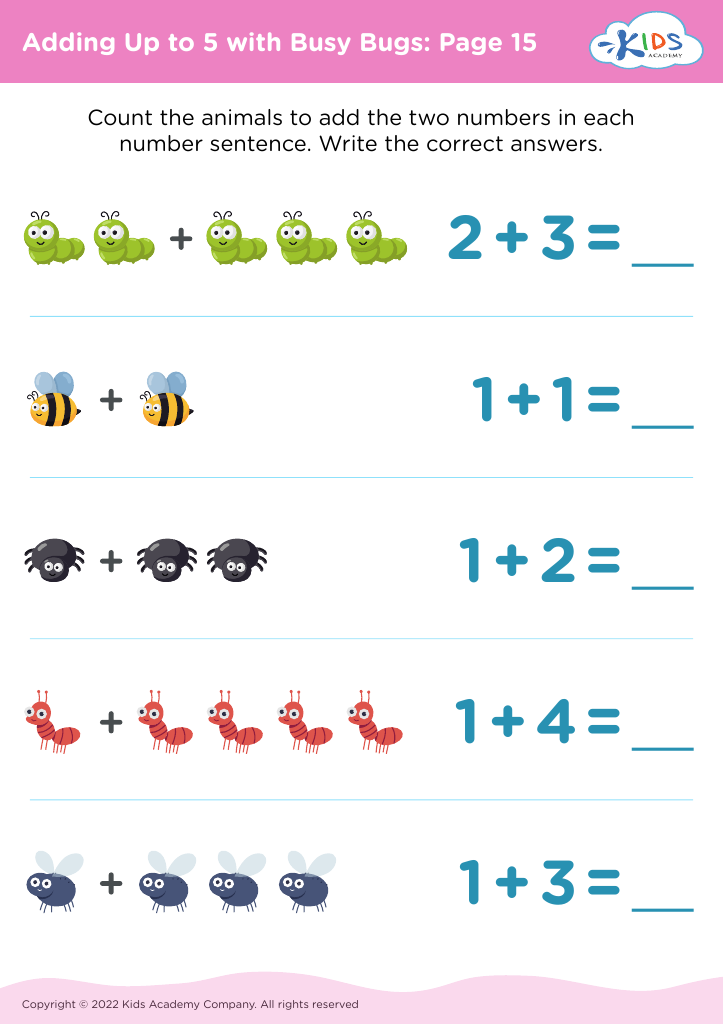


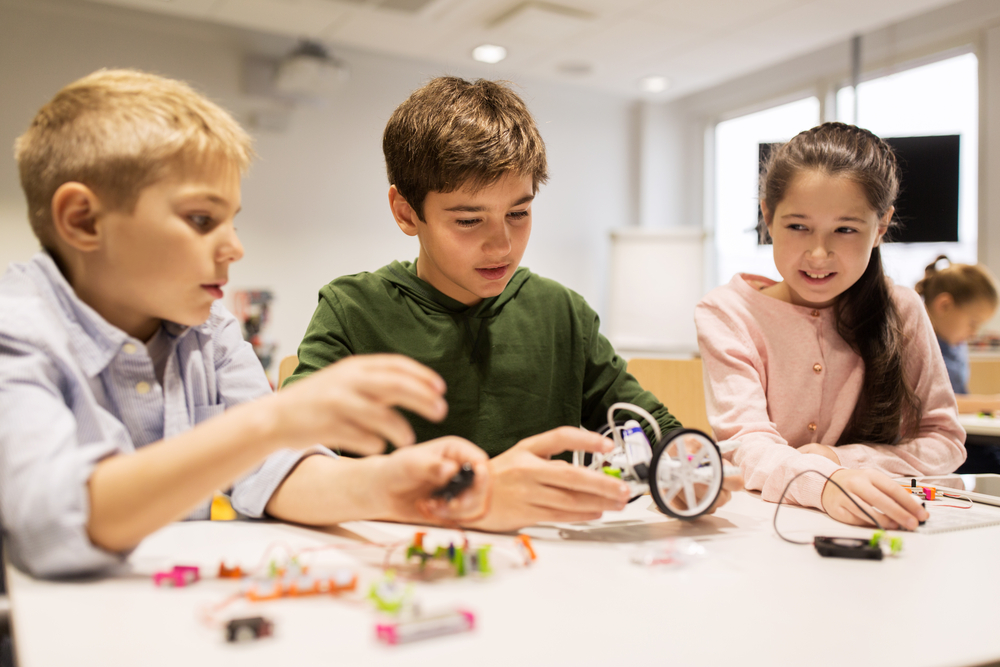





At ages 5-6, children are developing foundational skills for future academic success and daily life, and understanding quantity in math is a crucial component of this development. Grasping basic numerical concepts such as counting, recognizing numbers, and understanding quantity helps children make sense of the world around them. It also sets the stage for more complex math skills they will encounter later in their education.
When parents and teachers focus on these early math skills, they provide children with the tools they need to solve problems, understand patterns, and make informed decisions. This foundational knowledge not only aids in future mathematical understanding but also supports cognitive development, enhancing critical thinking and reasoning abilities.
Incorporating quantity math into everyday activities can make learning both fun and relevant: counting objects during play, cooking with measured ingredients, or recognizing numbers during a grocery trip. These everyday interactions not only reinforce learning but also demonstrate the practical applications of math in real life.
Overall, caring about quantity math for young children ensures they build a strong, positive relationship with numbers early on. This engagement fosters confidence and curiosity, laying a solid foundation for lifelong learning and academic achievement. By supporting these skills, parents and teachers empower children to navigate and understand their world.








