Filters

28 filtered results

Clear all filters
Favorites
With answer key
Interactive

28 filtered results

Difficulty Level

Grade


Check out this FREE Trial Lesson on Tracing Numbers for age 5-6!

Write 0 & 1

Favorites
With answer key
Interactive
  • 5-6
  • Number Recognition
  • Tracing Numbers
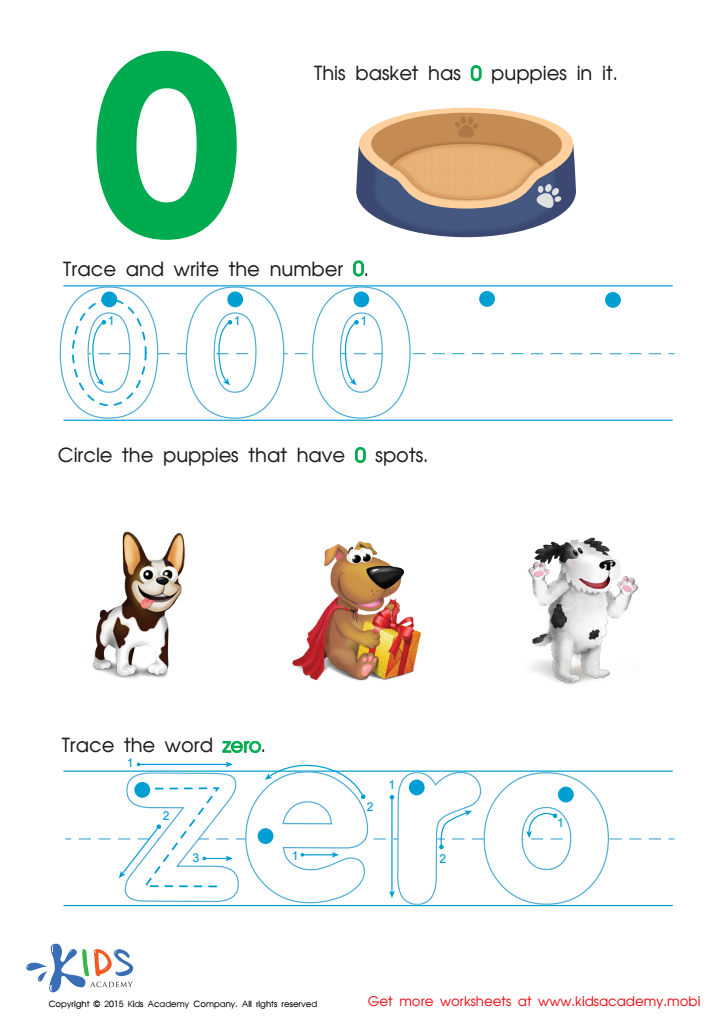
Learning Numbers Worksheets: Trace And Write Number 0 PDF Worksheet

Trace And Write Number 0 Worksheet

Let’s learn numbers together! Start with zero: practice writing, counting, matching spots. Tracing lines will help. Then move on to the collection of number worksheets. Enjoy learning with Kids Academy!
Trace And Write Number 0 Worksheet
Worksheet
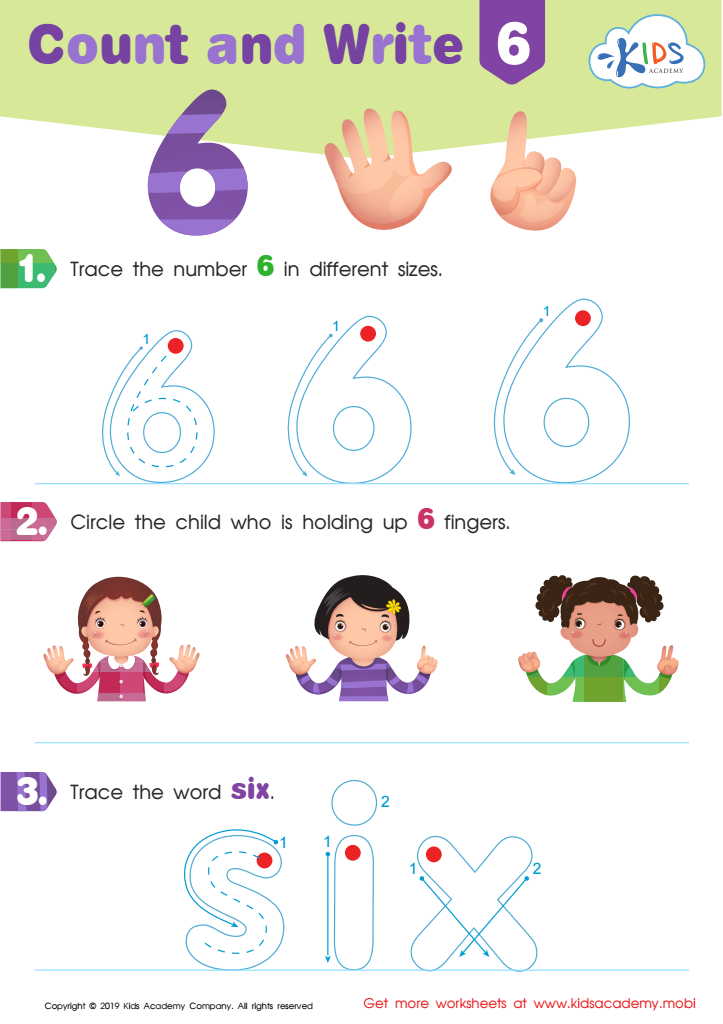
Count and Write 6 Worksheet

Count and Write 6 Worksheet

Kids begin math by mastering recognition skills. This worksheet helps with that by giving them practice writing "six" and the numeral 6, with guide dots and traceable lines. Giving kids multiple ways to learn the basics helps them build a strong math foundation.
Count and Write 6 Worksheet
Worksheet
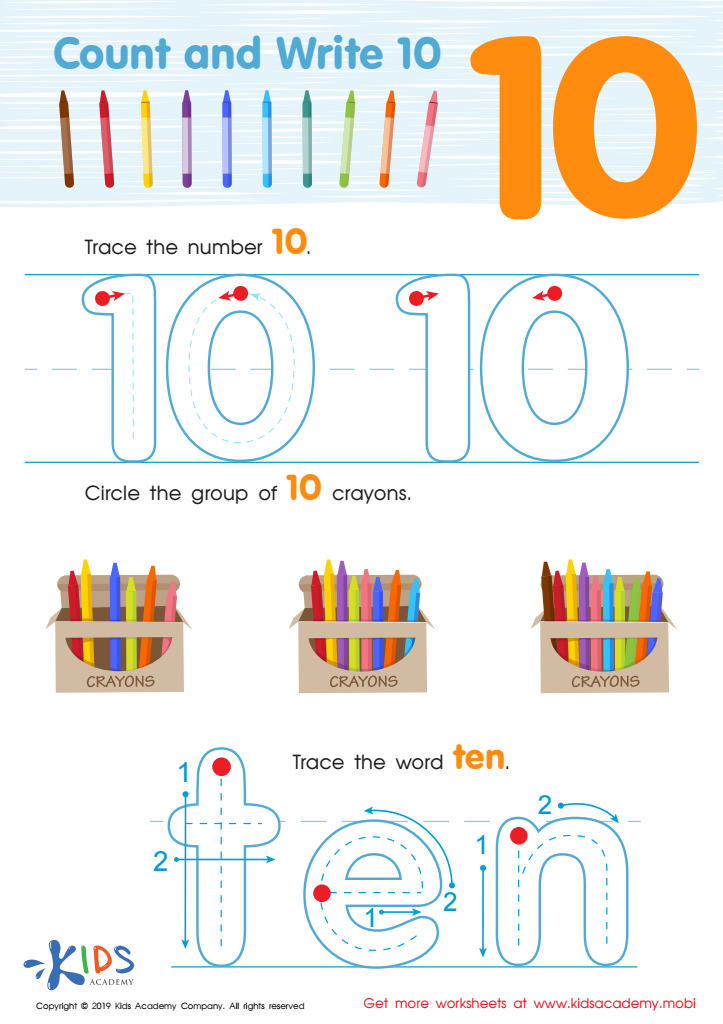
Count and Write 10 Worksheet

Count and Write 10 Worksheet

Help your child succeed by teaching them numbers! They should already know their 1,2,3s before their first day of school. This worksheet will give them the practice they need to write and count to 10. Get them to count and circle the 10 crayons, then trace the number 10. It's a great way to help them understand numbers and get a head start.
Count and Write 10 Worksheet
Worksheet
Kindergarten number tracing worksheet pdf

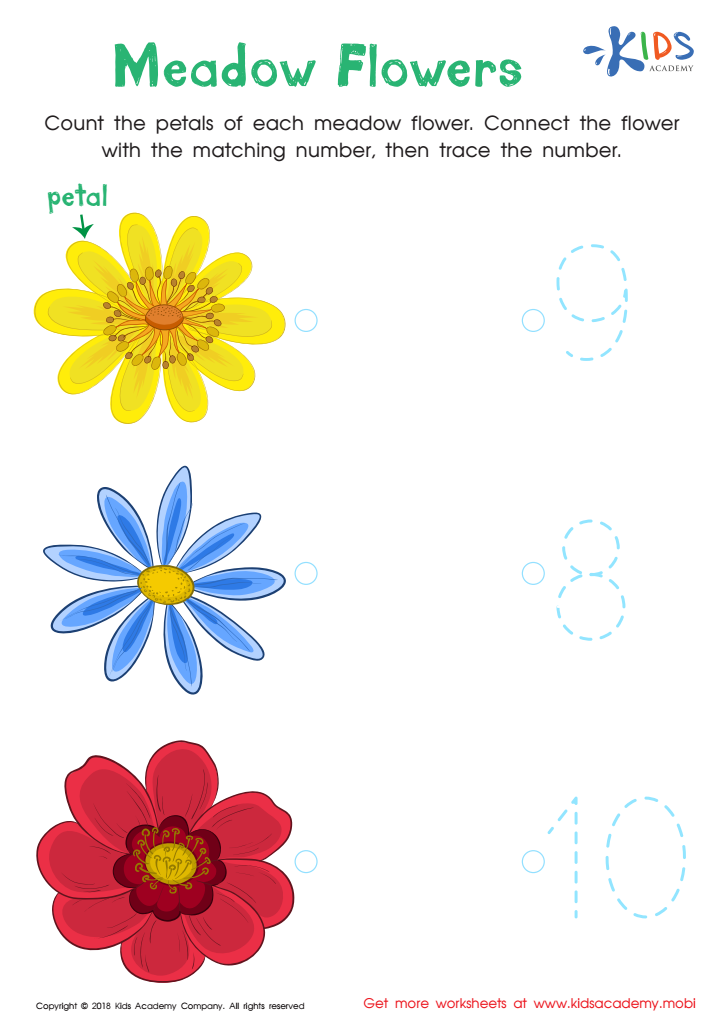
Kindergarten Number Tracing: Medow Flowers Worksheet

Take your child to the garden to count flower petals and trace numbers with this fun kindergarten PDF worksheet. They'll learn to count and write, all while enjoying the sweet scent of the flowers.
Kindergarten Number Tracing: Medow Flowers Worksheet

Worksheet


Number recognition and tracing numbers for children aged 5-6 are crucial skills that lay the groundwork for mathematical understanding. At this developmental stage, children begin to build their numerical fluency, which is essential not only for math but also for everyday problem-solving skills. By incorporating number tracing activities, parents and teachers can help children develop fine motor skills, enhancing their ability to write and manipulate objects — an important aspect of early childhood development.

Moreover, number recognition fosters confidence in young learners as they identify and differentiate between numbers. This skill shapes their ability to follow instructions, understand sequences, and even engage in simple calculations. When children can recognize numbers, they are better equipped to tackle more advanced math concepts in later grades.

Engaging young learners in tracing activities also provides a multi-sensory experience, reinforcing memorization through visual, tactile, and auditory cues. Integrating fun and interactive methods, such as games and songs, can further motivate children to embrace math. Ultimately, prioritizing number recognition and tracing in early education nurtures a lifelong interest in mathematics, empowering children to excel academically and apply these skills in their daily lives.