Problem-Solving Skills Word Problems Worksheets for Ages 5-6 - Page 2
39 filtered results
-
From - To
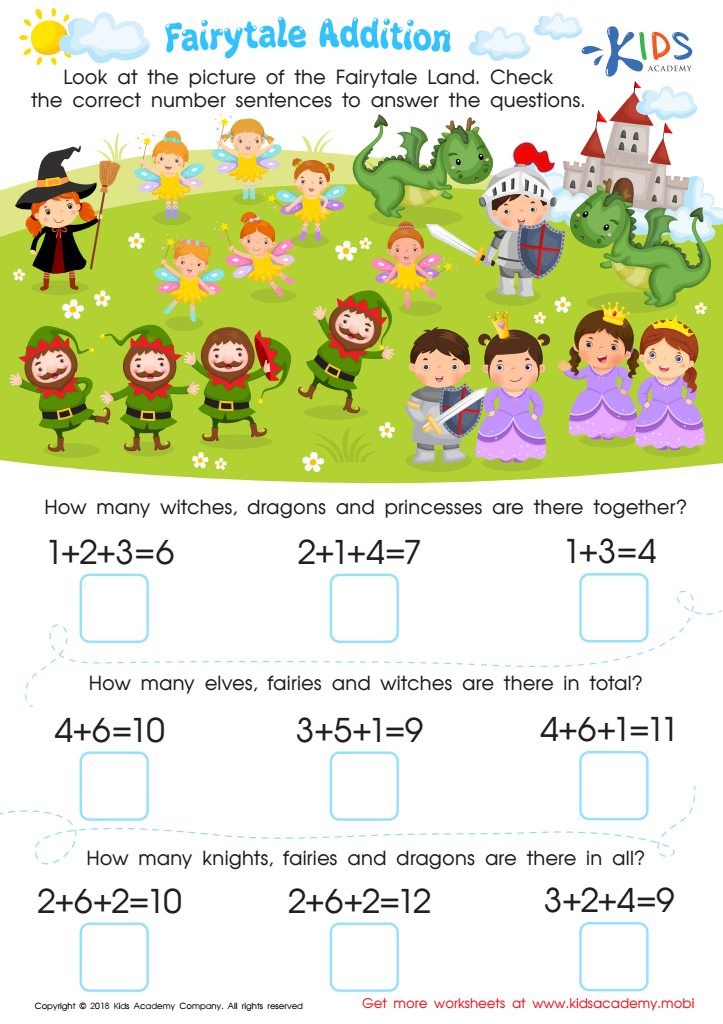
Fairytale Addition Worksheet
 Assign to My Students
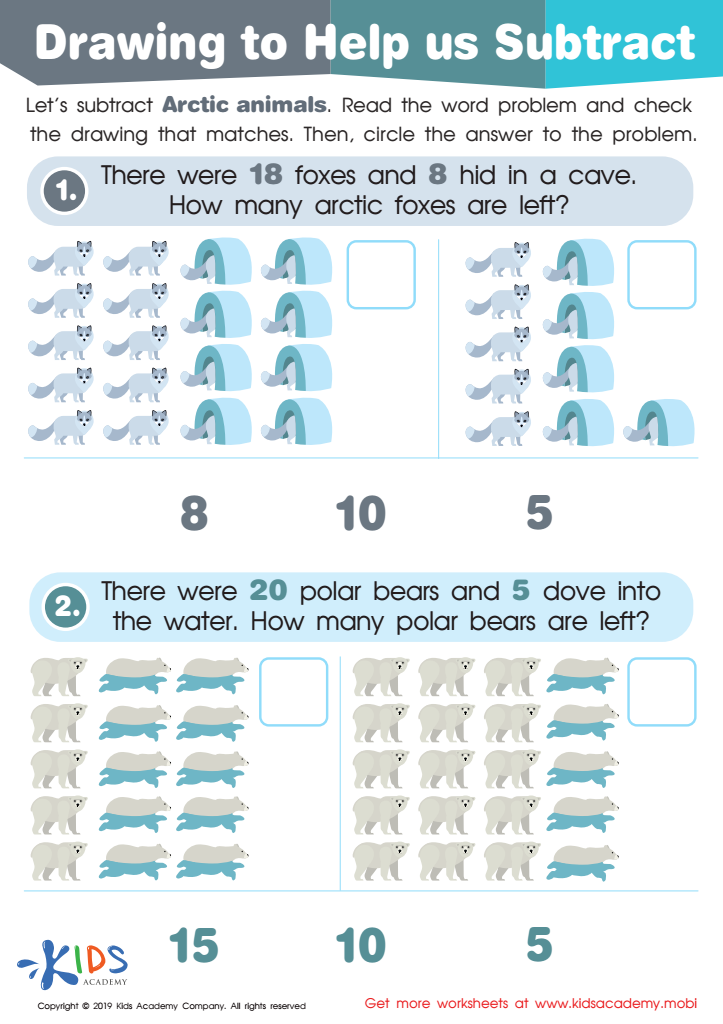
Drawing to Help Us Subtract Worksheet
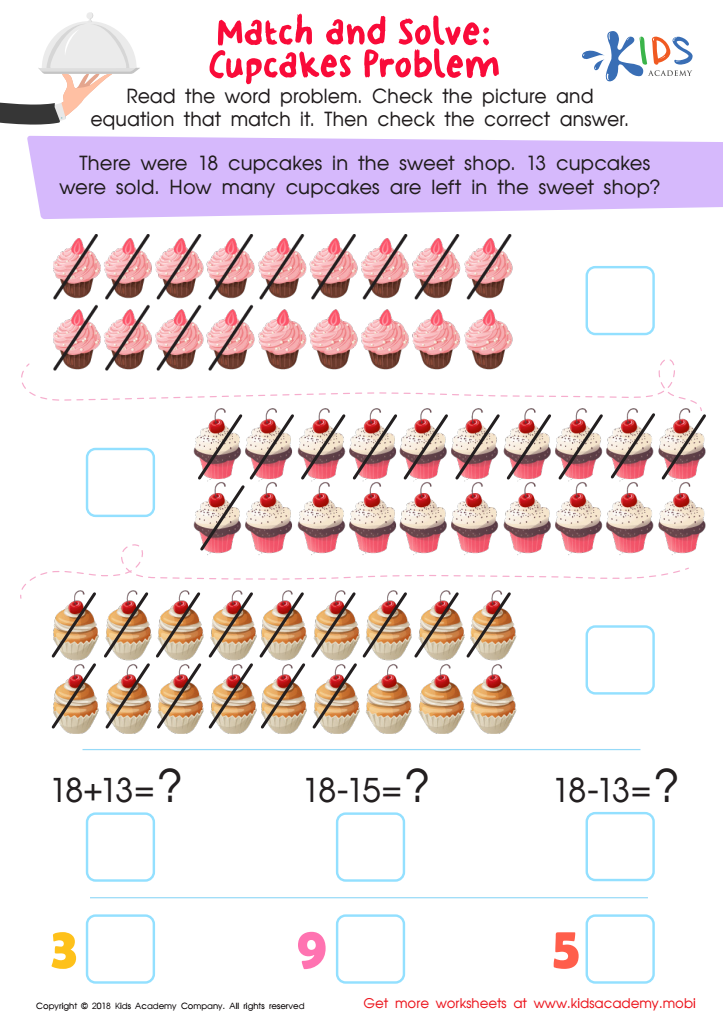
Match and Solve: Cupcakes Problem Worksheet
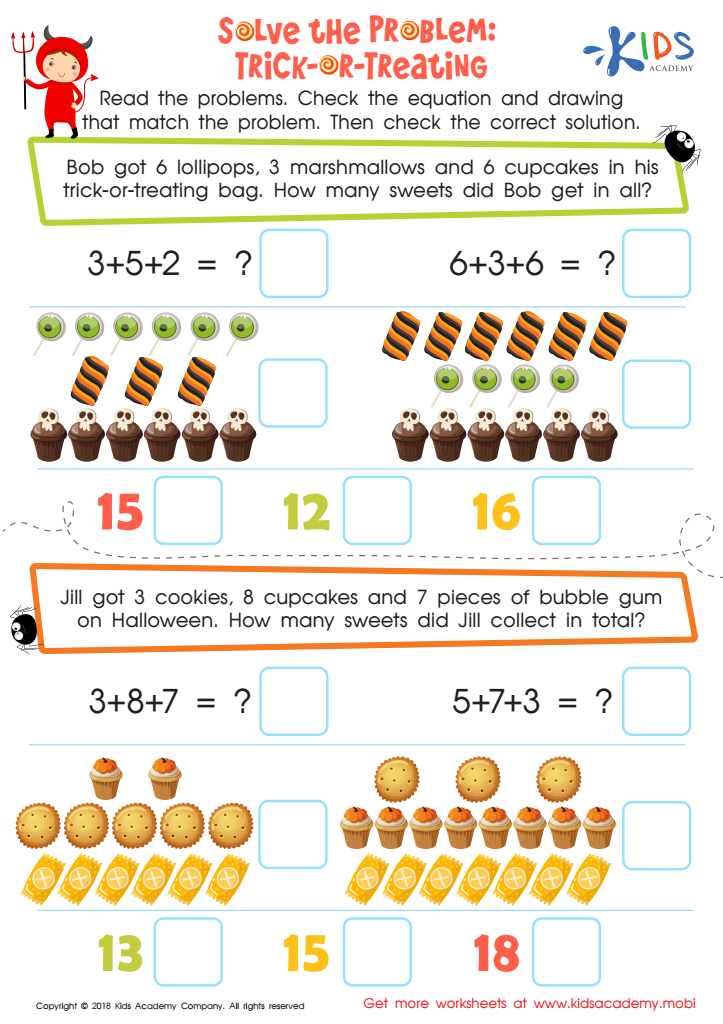
Solve the Problem: Trick–or–treating Worksheet
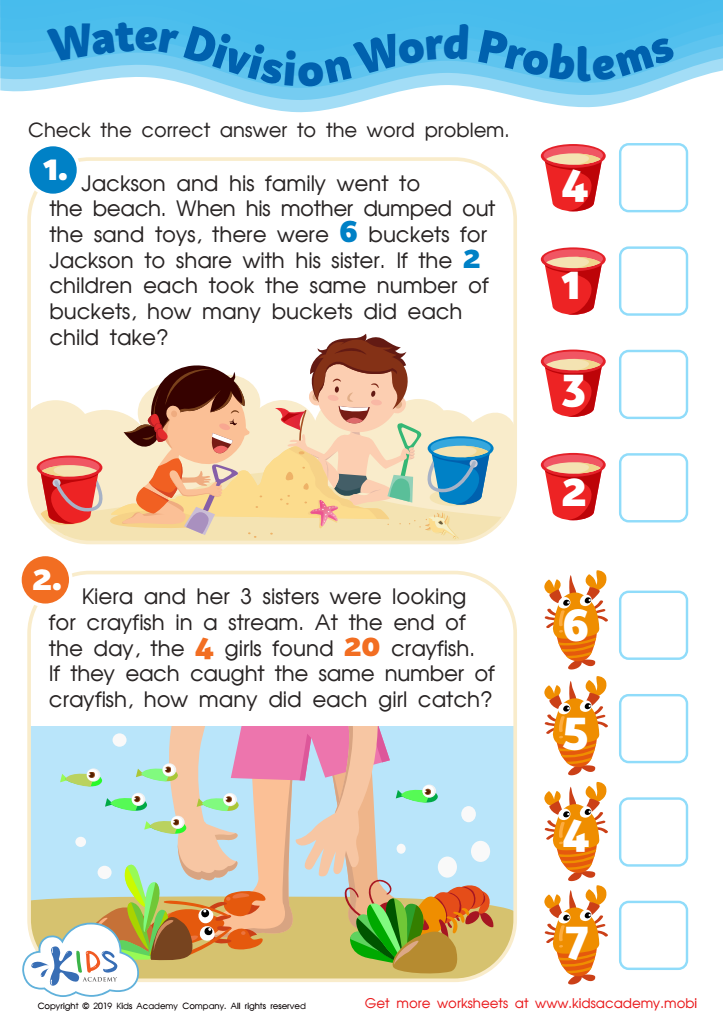
Water Division Word Problems Worksheet
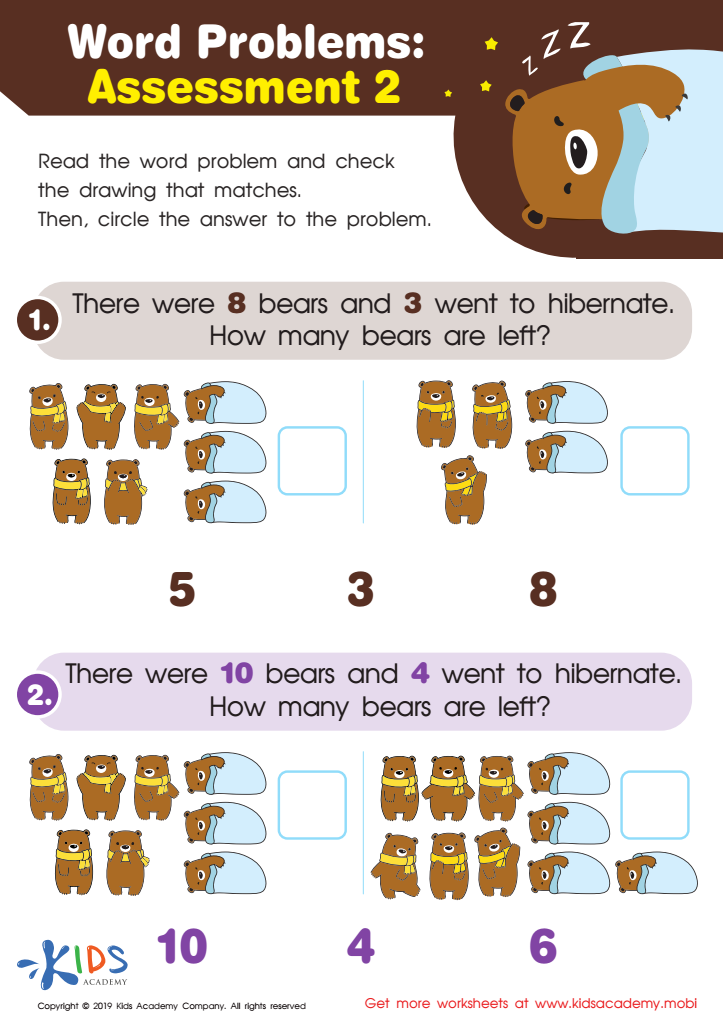
Word Problems: Assessment 2 Worksheet
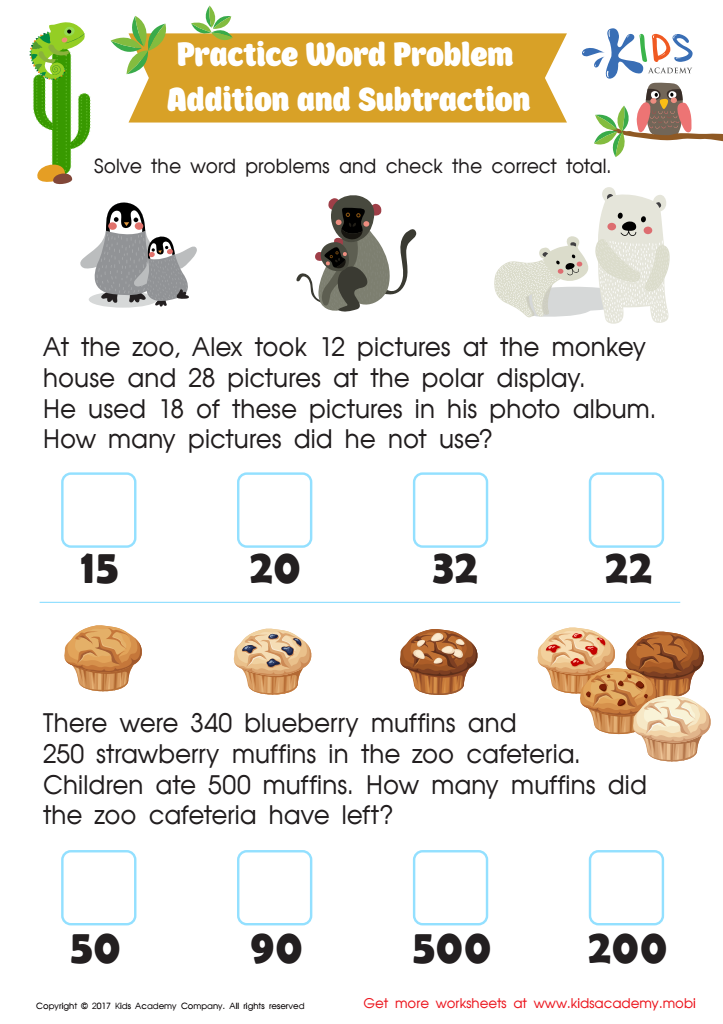
Addition and Subtraction: Word Problems Worksheet
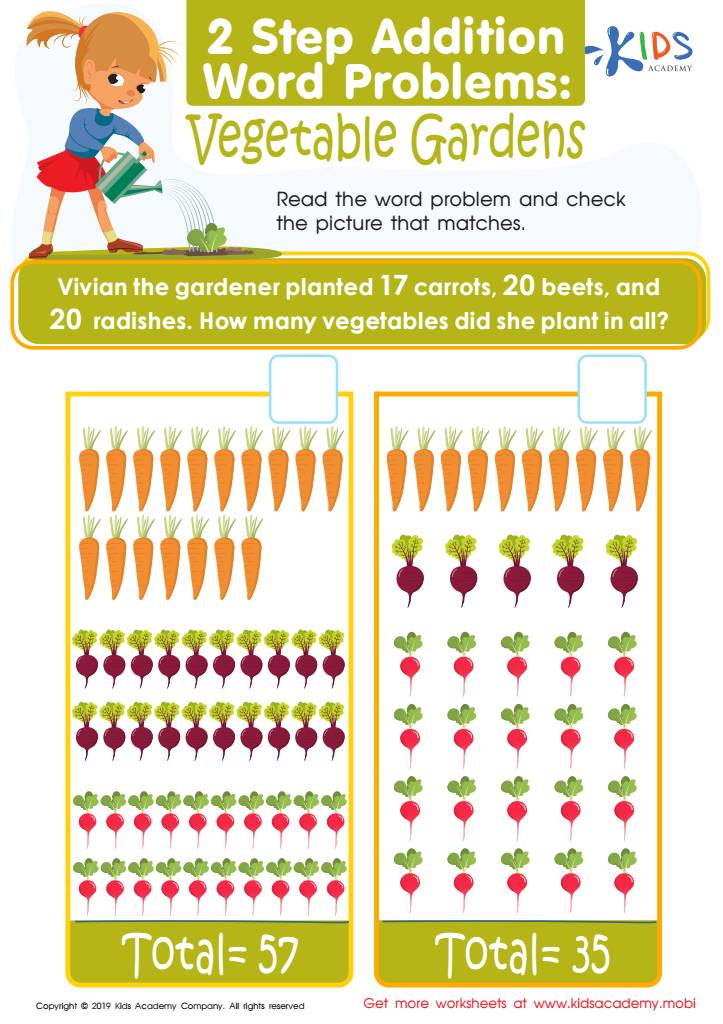
Vegetable Gardens Worksheet
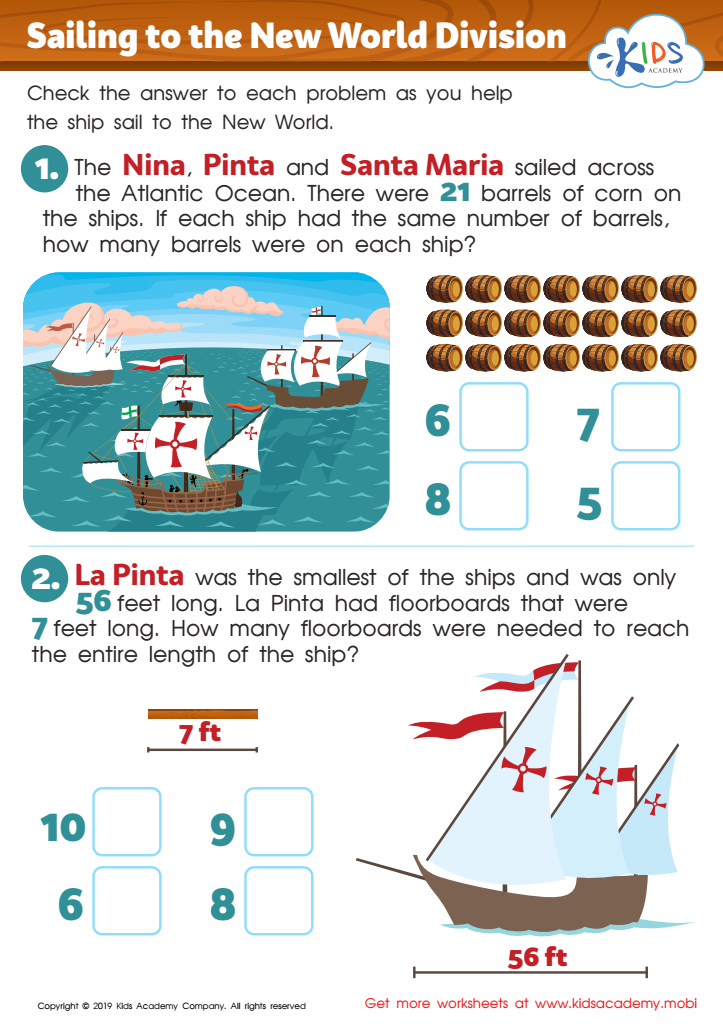
Sailing to the New World Division Worksheet
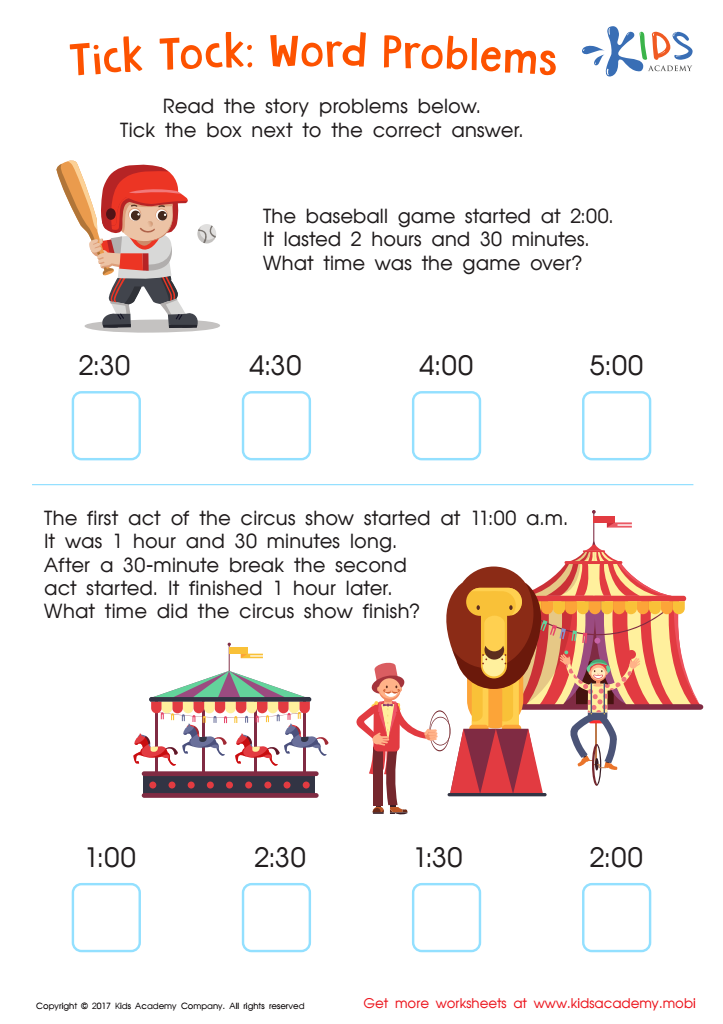
Tick Tock Word Problems Time Worksheet
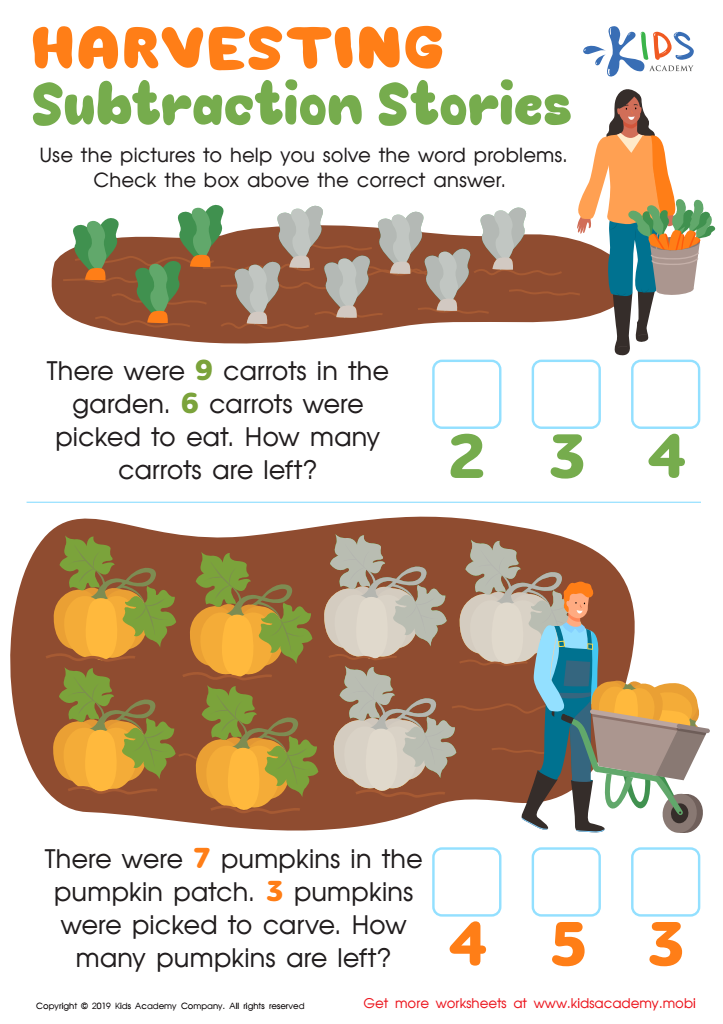
Harvesting Subtraction Stories Worksheet
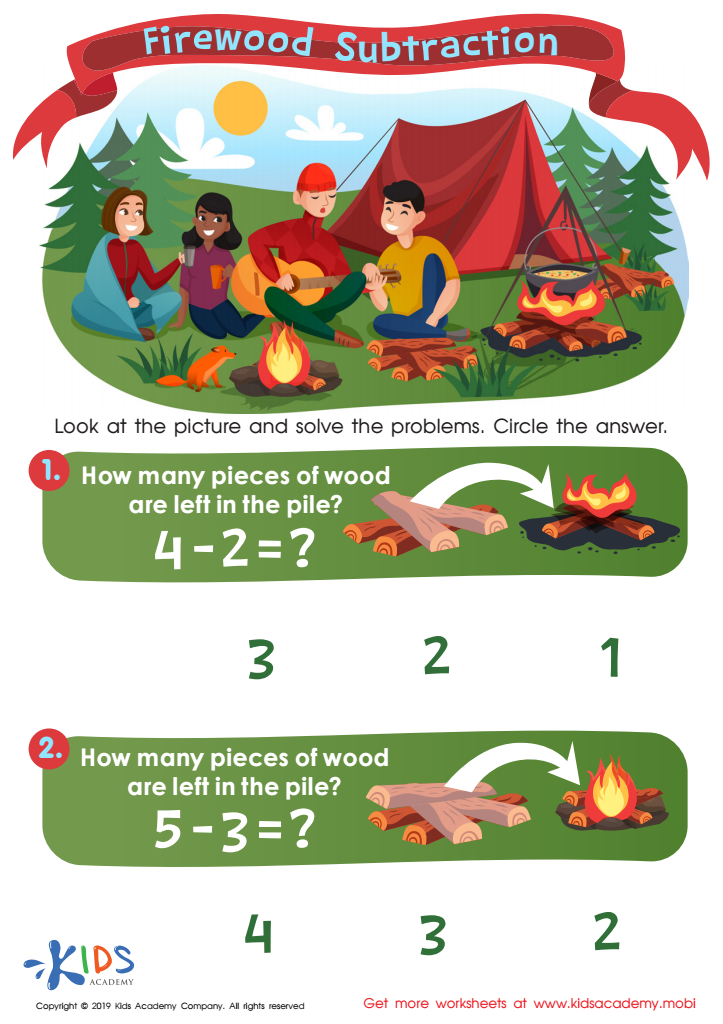
Firewood Subtraction Worksheet
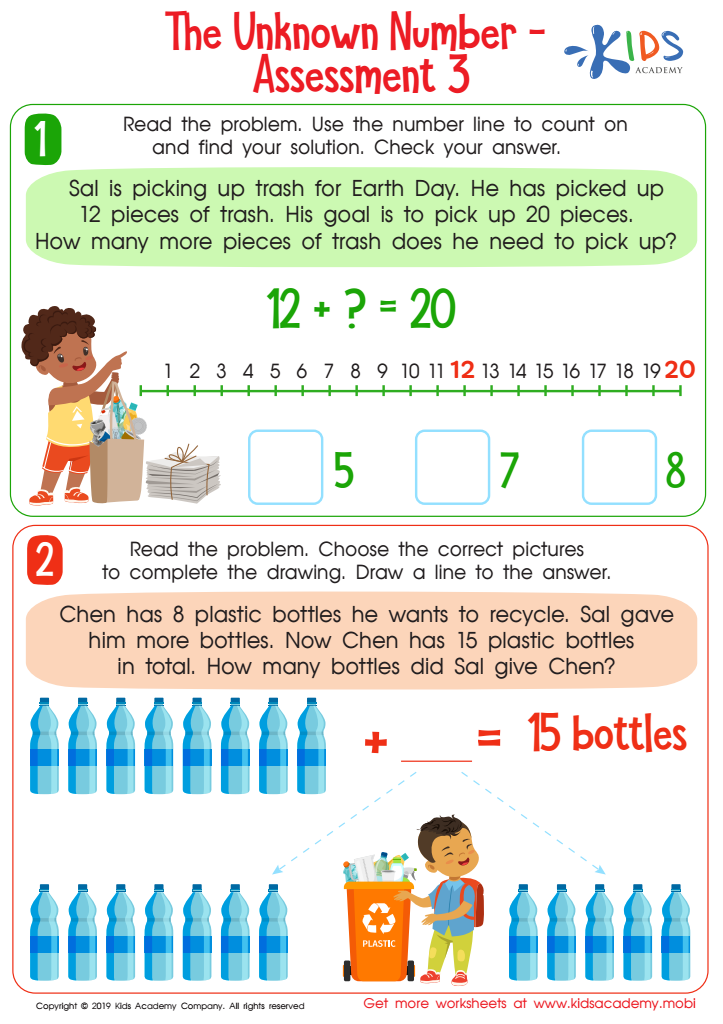
The Unknown Number - Assessment 3 Worksheet
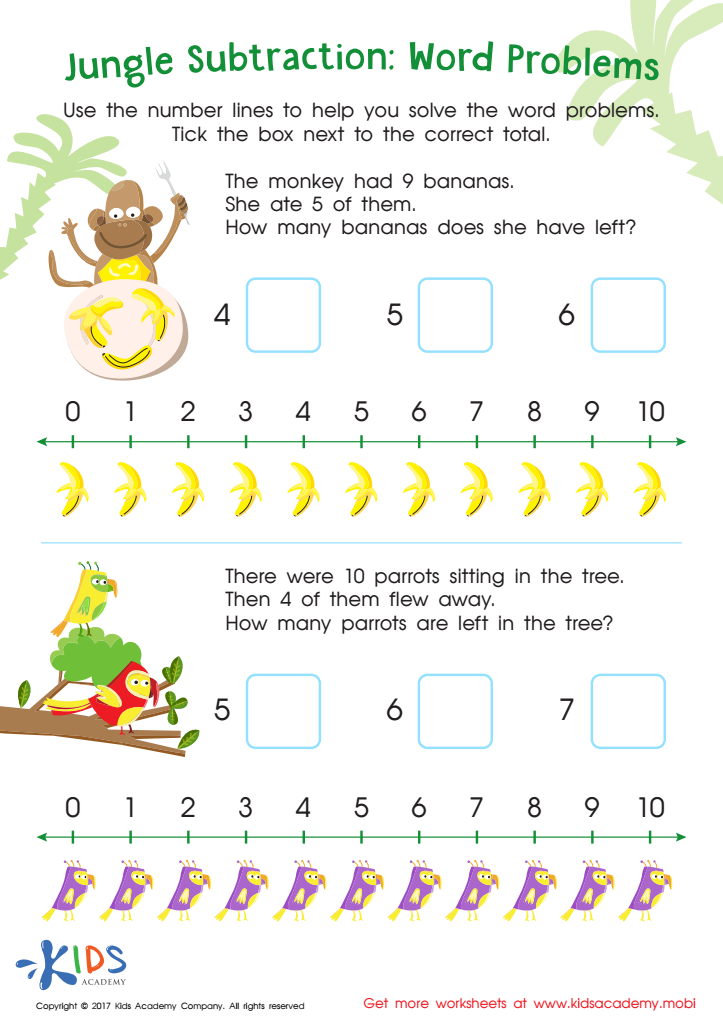
Jungle Subtraction Word Problems Substraction Worksheet
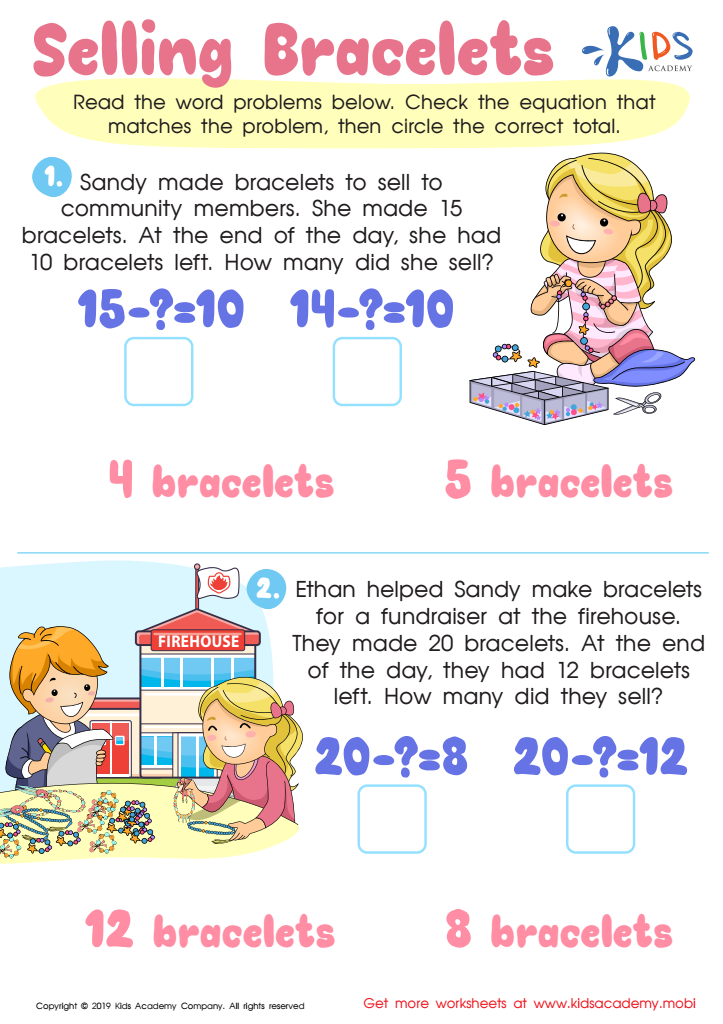
Selling the Bracelets Worksheet







Problem-solving skills are essential for young learners, especially for children aged 5 to 6, as they form the foundation for later academic success and everyday decision-making. At this stage, engaging children with word problems enhances critical thinking, encourages logical reasoning, and boosts their emotional resilience. When parents or teachers introduce problem-solving through age-appropriate word problems, they provide opportunities for children to merge their understanding of language with mathematical concepts, fostering a holistic educational experience.
Furthermore, practicing word problems helps children develop the ability to articulate their thought processes, understand different perspectives, and approach challenges methodically, skills that are crucial not only in mathematics but also across various disciplines. By putting problems into context, educators and parents can make learning more relatable, tapping into children’s innate curiosity and creativity.
Moreover, promoting problem-solving skills fosters confidence. As children work through difficulties and arrive at solutions, they are reinforcing their belief in their abilities. This not only motivates them but also encourages a love for learning. Ultimately, nurturing these skills at an early age sets the stage for future educational achievements and helps children become effective problem solvers in their daily lives.








