
Animal recognition Reading Worksheets for Ages 5-6
5 filtered results
Difficulty Level
Grade
Age
-
From - To
Subject
Activity
Standards
Discover fun and engaging Animal Recognition Reading Worksheets designed for ages 5-6. These printable worksheets from Kids Academy help young learners build essential reading skills while exploring the fascinating world of animals. Each worksheet features colorful illustrations, easy-to-read text, and interactive activities to keep your child intrigued and motivated. From identifying and naming animals to understanding their habitats, these worksheets provide a perfect blend of education and entertainment. Ideal for both classroom and home use, our Animal Recognition Reading Worksheets foster a love for reading and nature, supporting early literacy development in an enjoyable way.
Favorites
With answer key
Interactive
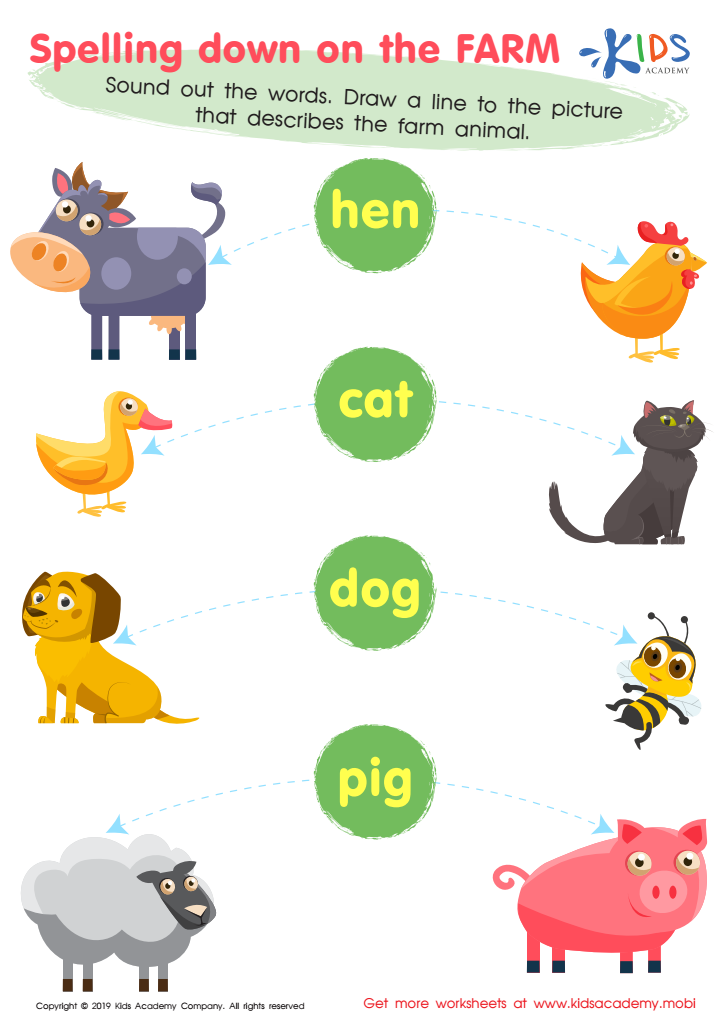
Spelling Down on the Farm Worksheet
Want to help your kids nail their spelling? Introduce them to this farm animal worksheet! Get them to look at the animals in the tracing sheet, name them and then sound out the words. Have them draw a line to the picture that describes it. You'll be surprised at how quickly their skills improve.
 Assign to My Students
Spelling Down on the Farm Worksheet
Worksheet
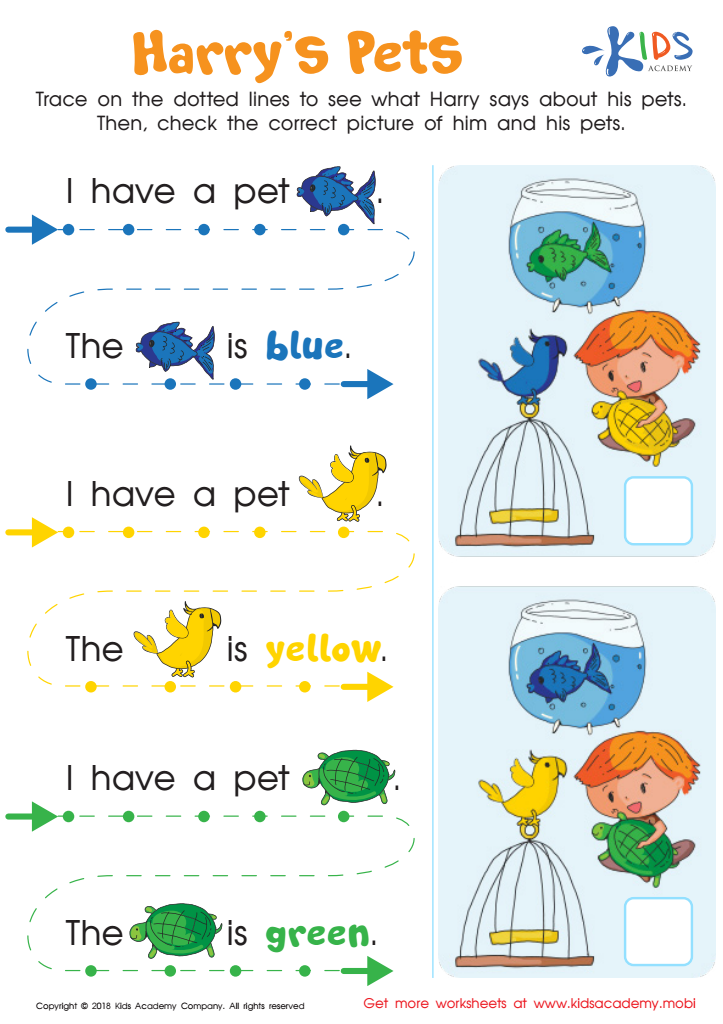
Read from Left to Right: Harry's Pets Worksheet
Help your child read the sentences on this tracing sheet about Harry and his pets. Point to the dotted lines and follow the sentences to the correct picture. Ask your child to identify which animal corresponds to which color. Check the picture to ensure accuracy. 80 words.
Read from Left to Right: Harry's Pets Worksheet
Worksheet
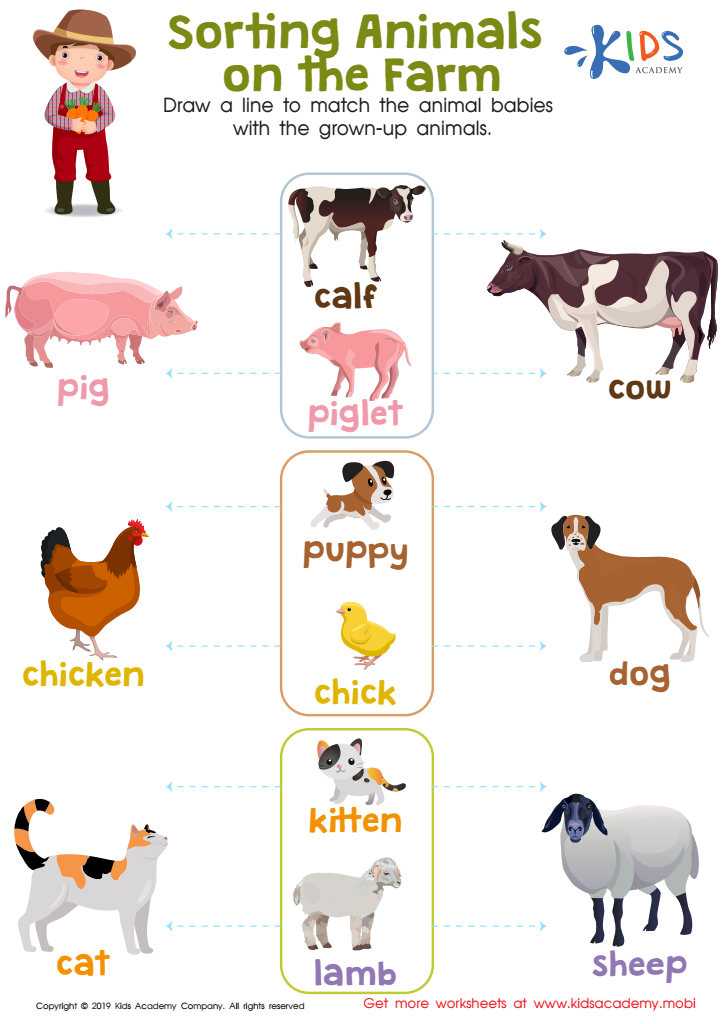
Sorting Animals on the Farm Worksheet
This PDF worksheet engages preschoolers in a fun activity to match Mama farm animals with their babies, strengthening their sorting and patterning skills. They'll learn to recognize rules and relationships, while gaining familiarity with animal-related words.
Sorting Animals on the Farm Worksheet
Worksheet
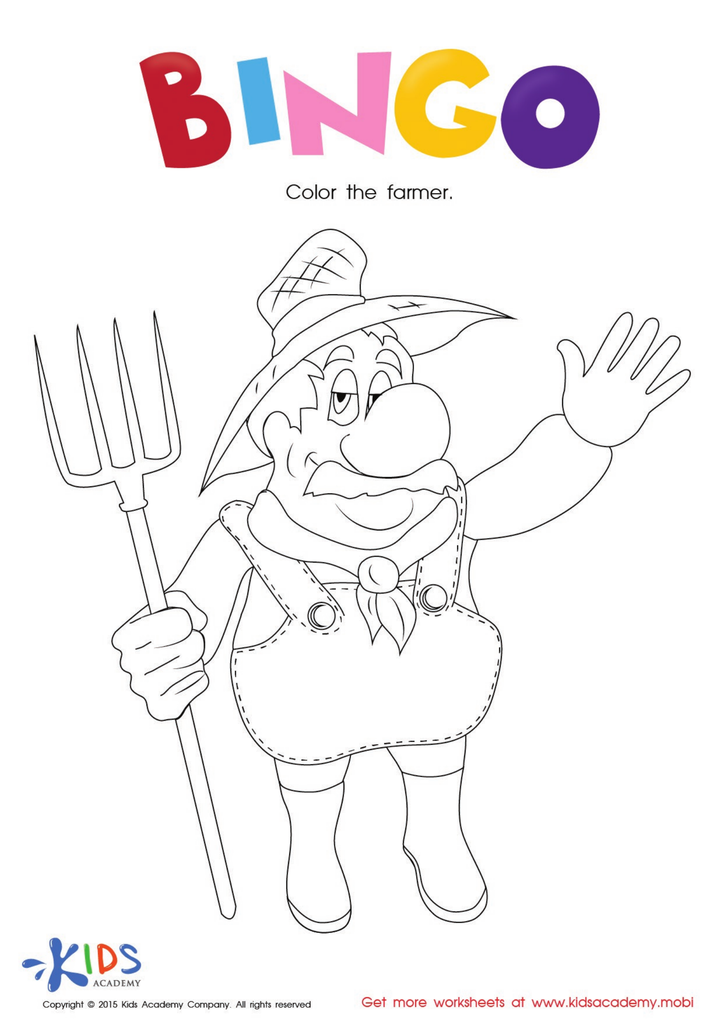
The Bingo Song: Coloring The Farmer Worksheet
Introduce The Bingo Song with concept questions then get your kids to color the free PDF coloring page. Visualize the characters while they sing and make the activity more fun with free nursery rhymes worksheets from our website. Clap along to The Bingo Song and enjoy!
The Bingo Song: Coloring The Farmer Worksheet
Worksheet
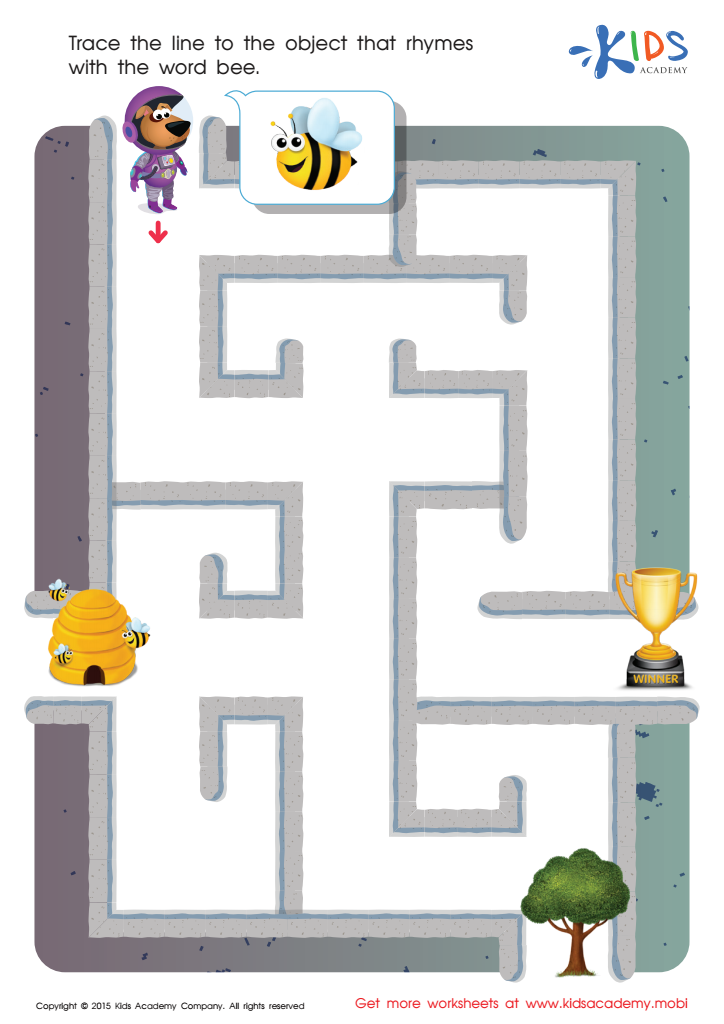
Bee Rhyming Words Worksheet
Download our new vocab builder worksheet and help our pup find rhymes. See how easy it is to trace the root between words! Make learning fun with our collection of English materials and worksheets. Get them now on our web site.
Bee Rhyming Words Worksheet
Worksheet
Join Kids Academy for Free
Who is primarily going to use this learning content?


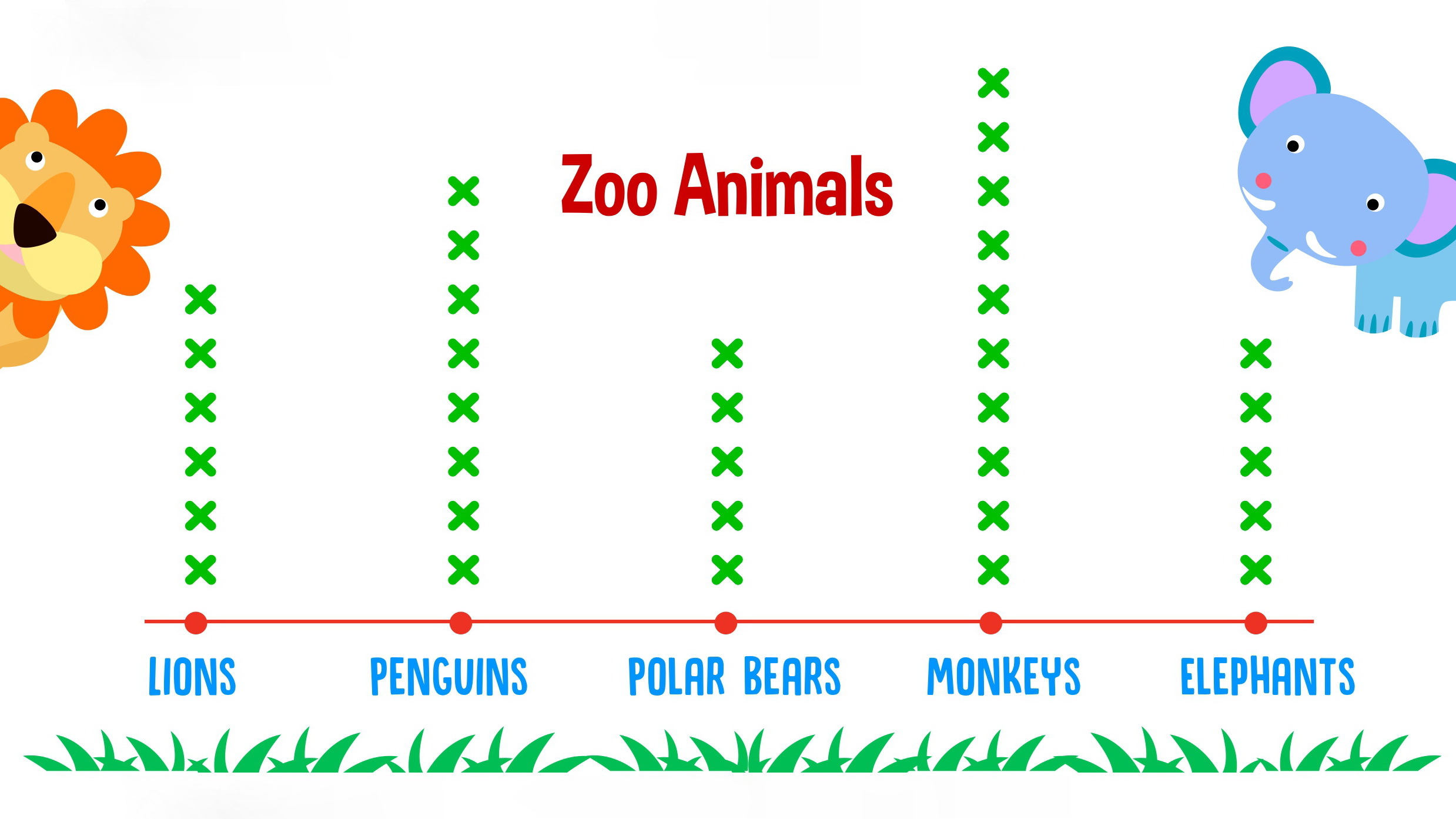




Animal recognition reading for ages 5-6 plays a crucial role in early childhood development in several key ways. It combines visual learning with textual information, helping bridge the gap between pictures and words. This type of reading enhances vocabulary by introducing children to a variety of animal names and characteristics. Moreover, it fosters curiosity and a sense of wonder about the natural world, encouraging observational skills and critical thinking.
Parents and teachers should care about animal recognition reading because it supports cognitive development. Engaging with stories and facts about animals stimulates memory and comprehension skills. It also promotes early literacy by associating words with familiar images, making it easier for children to recognize and understand the content.
In addition to cognitive benefits, this type of reading materials can nurture empathy and environmental awareness. Children who learn about different animals at a young age are more likely to appreciate and care for wildlife, fostering a sense of responsibility toward nature.
Furthermore, discussing animals can be a joyful, interactive activity that strengthens the bond between adults and children. By showing interest and enthusiasm in these topics, parents and teachers model positive attitudes towards learning and curiosity, laying a strong foundation for lifelong educational engagement.








