Improve counting skills Reading Worksheets for Ages 5-6
4 filtered results
-
From - To
Boost your child's counting abilities with our engaging "Improve Counting Skills" reading worksheets, specially designed for ages 5-6. These interactive worksheets combine fun and education to enhance numerical comprehension and encourage early math proficiency. Each worksheet features colorful illustrations and simple activities that make learning to count an exciting adventure. Perfect for young learners, these exercises also help develop essential reading skills as children follow instructions and combine visual and numerical cues. Empower your child's educational journey with these expertly crafted resources, making counting practice enjoyable and effective. Start building a solid math foundation today!
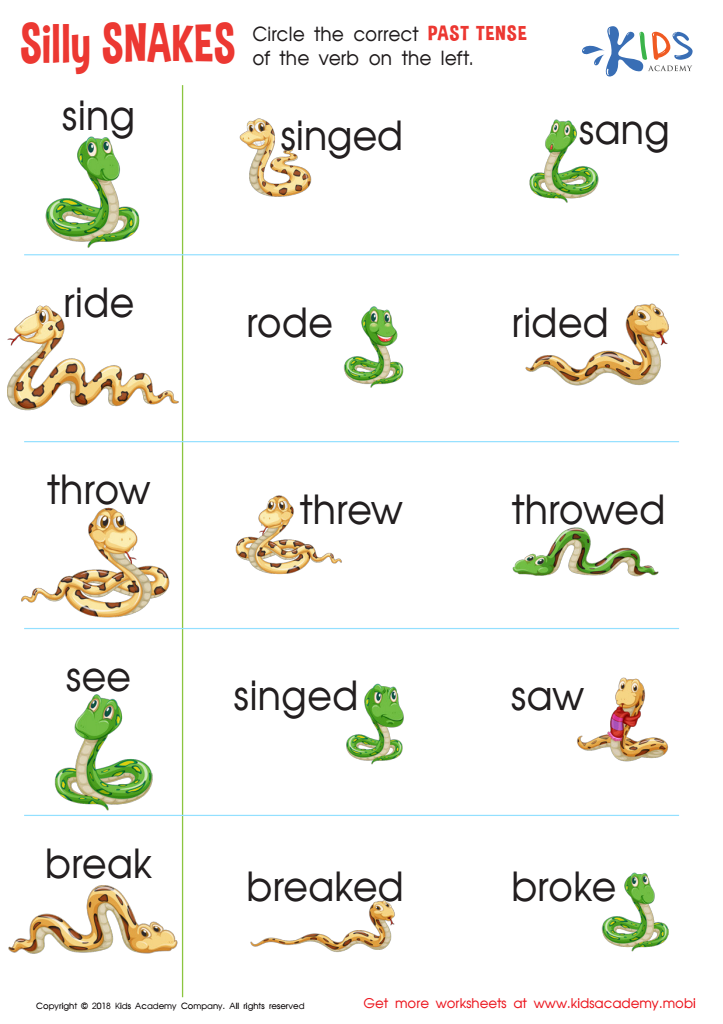
Silly Snakes Worksheet
 Assign to My Students
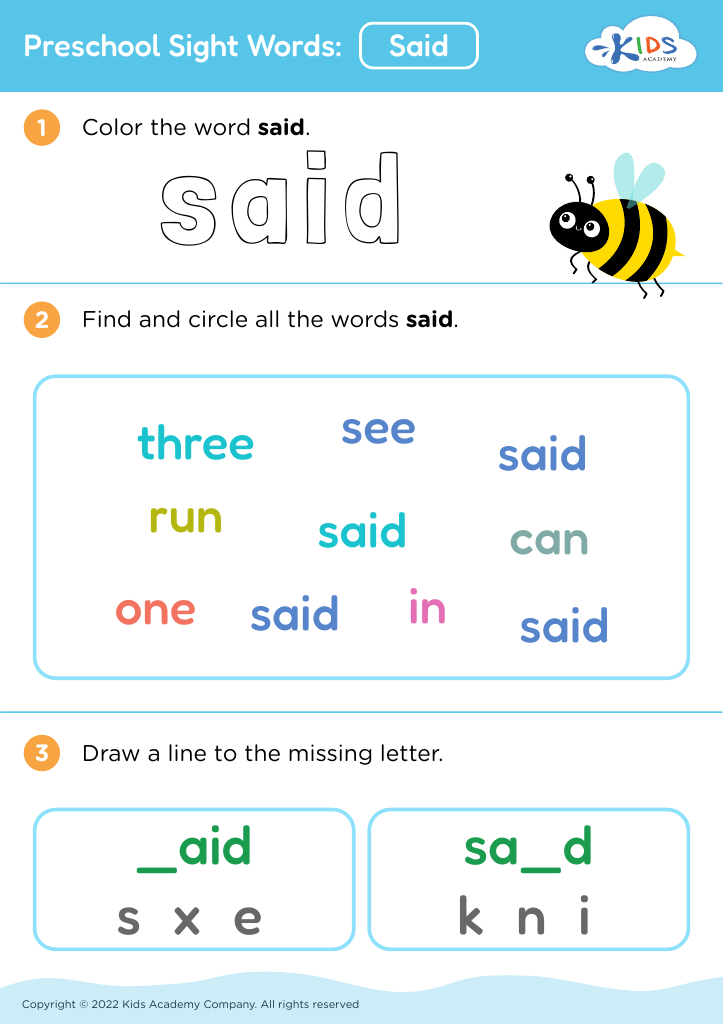
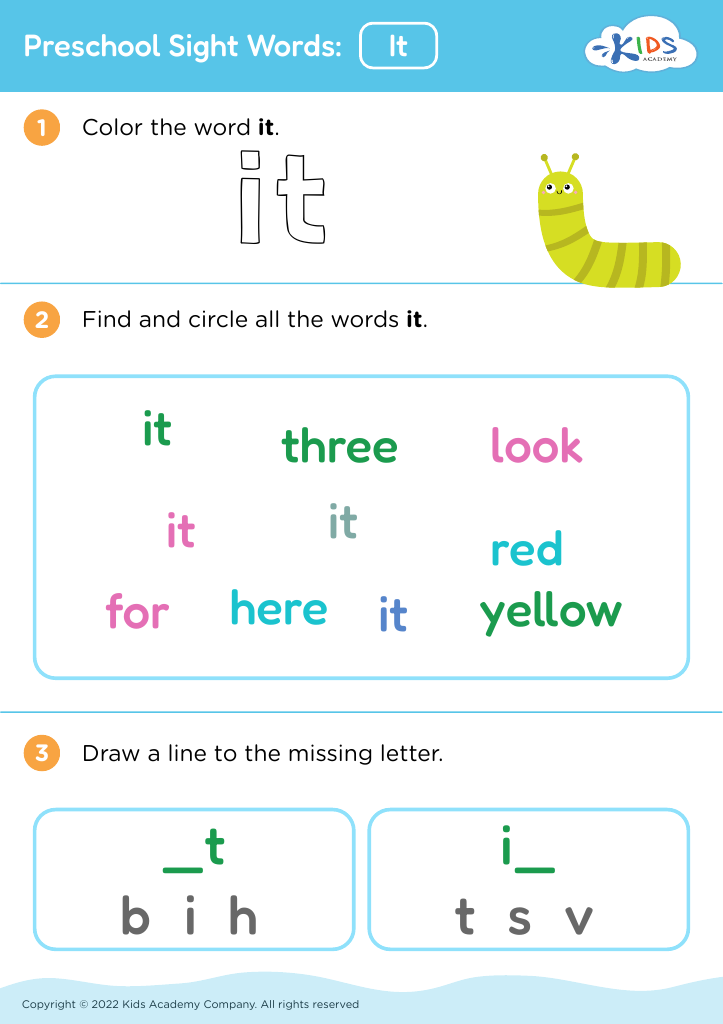
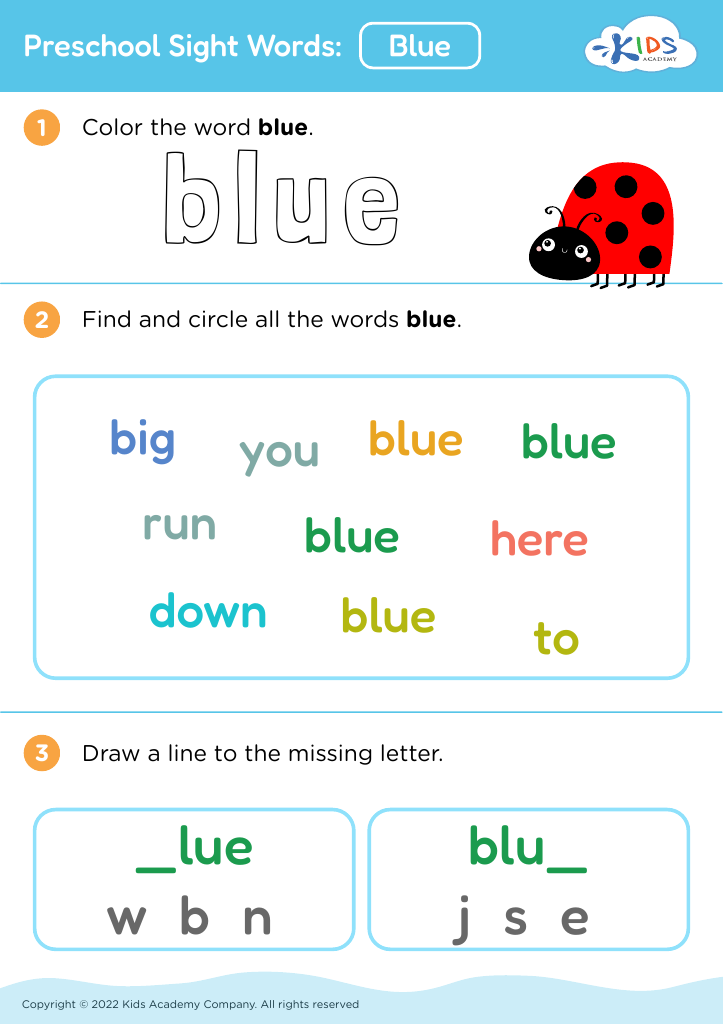







Improving counting skills and reading for ages 5-6 is fundamental for a child’s academic and personal development. At this age, children are in a critical period of cognitive growth, and mastering these skills lays a strong foundation for future learning. Counting is essential for numeracy, enabling young learners to understand concepts of quantity, order, and patterns, which are crucial for later mathematical reasoning and problem-solving abilities.
Reading, on the other hand, develops language proficiency and builds cognitive abilities such as concentration, comprehension, and critical thinking. A strong start in reading enables children to navigate and understand more complex material as they progress through school. It also fosters a love for learning, boosting imagination and innovation. Early literacy skills are directly linked to improved academic performance across all subjects.
For both skills, early intervention can identify potential learning difficulties, allowing educators and parents to provide targeted support. Moreover, competency in counting and reading increases a child’s confidence and independence, creating a positive attitude towards learning and school. Engaging with children in enjoyable counting and reading activities strengthens parent-child or teacher-student bonds, creating a nurturing environment that encourages curiosity and exploration. Therefore, focusing on these early skills equips children with essential tools for academic success and lifelong learning.








