Motor skills development Reading Worksheets for Ages 5-6
3 filtered results
-
From - To
Enhance your child's motor skills while making reading fun with our specially designed worksheets for ages 5-6! These engaging activities promote fine motor development through interactive tasks that help young learners grasp essential reading concepts. Each worksheet encourages hand-eye coordination, dexterity, and confidence as children practice tracing letters, forming words, and completing fun exercises. Ideal for early education settings or at-home learning, our resources provide a vibrant and supportive environment for skill-building. Foster a love for reading and empower your child to thrive academically with our comprehensive motor skills development worksheets. Start the journey to literacy today!
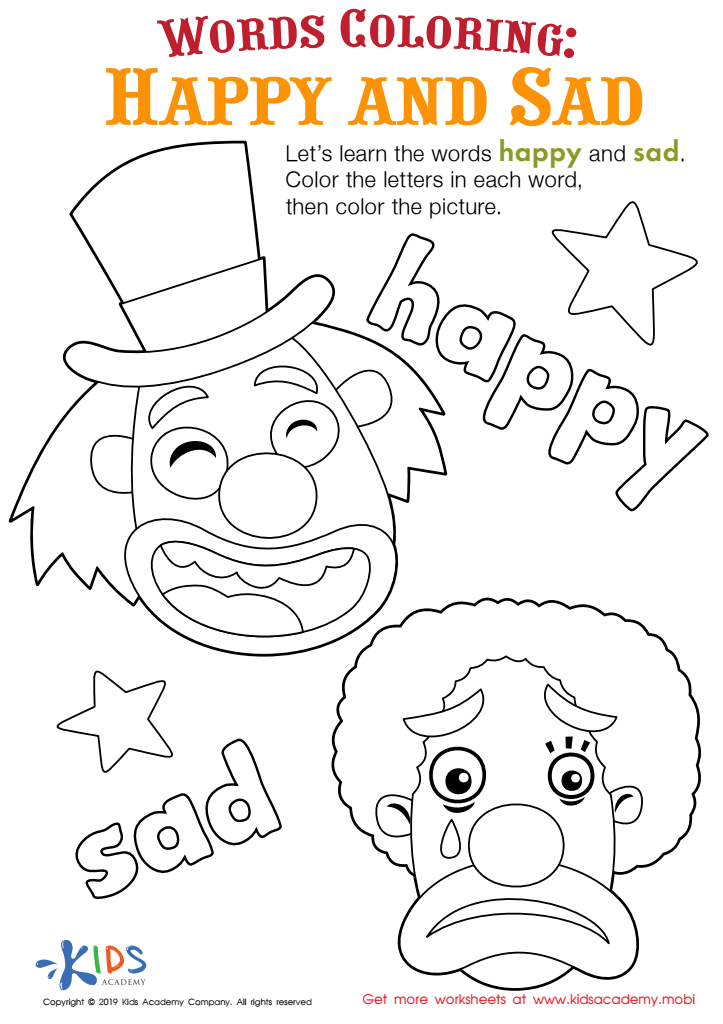
Happy and Sad Words Coloring Worksheet
 Assign to My Students

Boy and Girl Words Coloring Worksheet
Assign to My Students
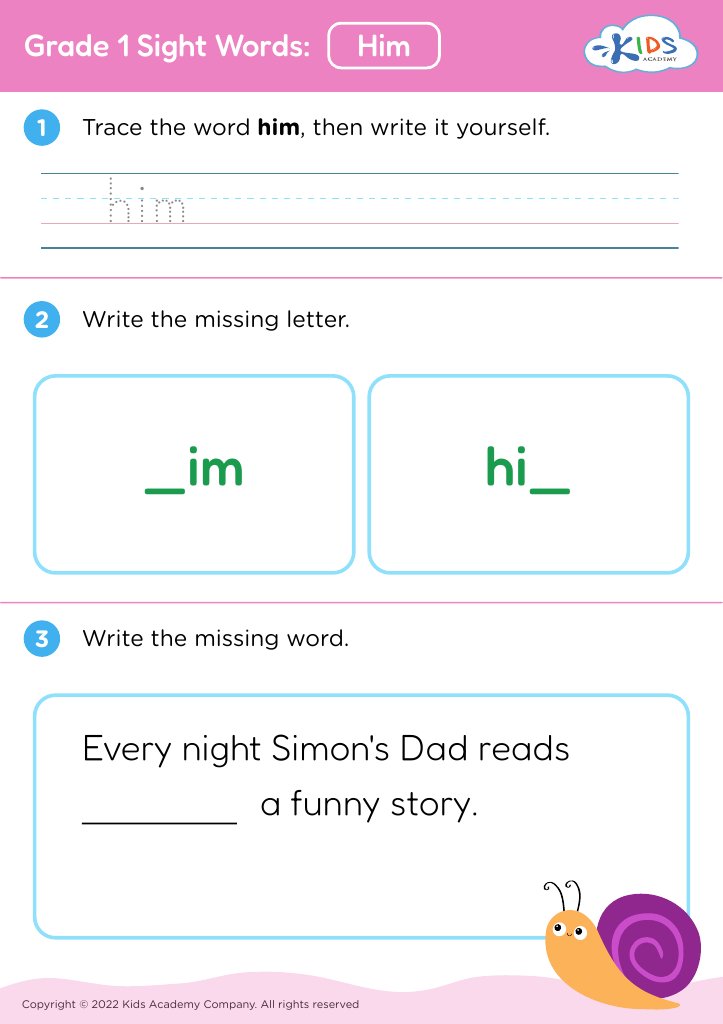







Motor skills development is crucial for children aged 5-6, as it lays the foundation for future learning and everyday activities. Parents and teachers should pay close attention to this area of development for several reasons.
Firstly, strong motor skills, both fine and gross, directly impact a child’s ability to participate fully in school. Fine motor skills, such as holding a pencil, cutting with scissors, and completing puzzles, are essential for early writing tasks and various classroom activities. If these skills are underdeveloped, children may struggle with schoolwork, leading to frustration and a lack of confidence.
Secondly, motor skills are linked to cognitive development. Activities that engage and refine these skills enhance brain function and promote focus, attention, and problem-solving abilities. For instance, using manipulatives in math helps solidify understanding of concepts, while art projects can foster creativity and critical thinking.
Finally, motor skills contribute to social development. Activities that involve coordination and collaboration, like team sports or group games, teach children valuable social skills and teamwork. By nurturing motor skill development, parents and teachers can set children up for a positive future in academics, social interactions, and overall well-being. Investing time and resources in this aspect is vital in supporting holistic growth in young children.








