Number identification Reading Worksheets for Ages 5-6
3 filtered results
-
From - To
Welcome to our Number Identification Reading Worksheets for Ages 5-6! Designed to foster early numeracy skills, these engaging worksheets help young learners recognize and understand numbers through fun activities. Your child will enjoy tracing, matching, and coloring, making learning interactive and enjoyable. Each worksheet is tailored to build confidence while reinforcing number recognition in a captivating way. Perfect for preschool and kindergarten classrooms or at-home learning, our resources support your child's developmental milestones. Explore a variety of colorful and educational worksheets that will keep your little ones excited about numbers and reading during these crucial early years!
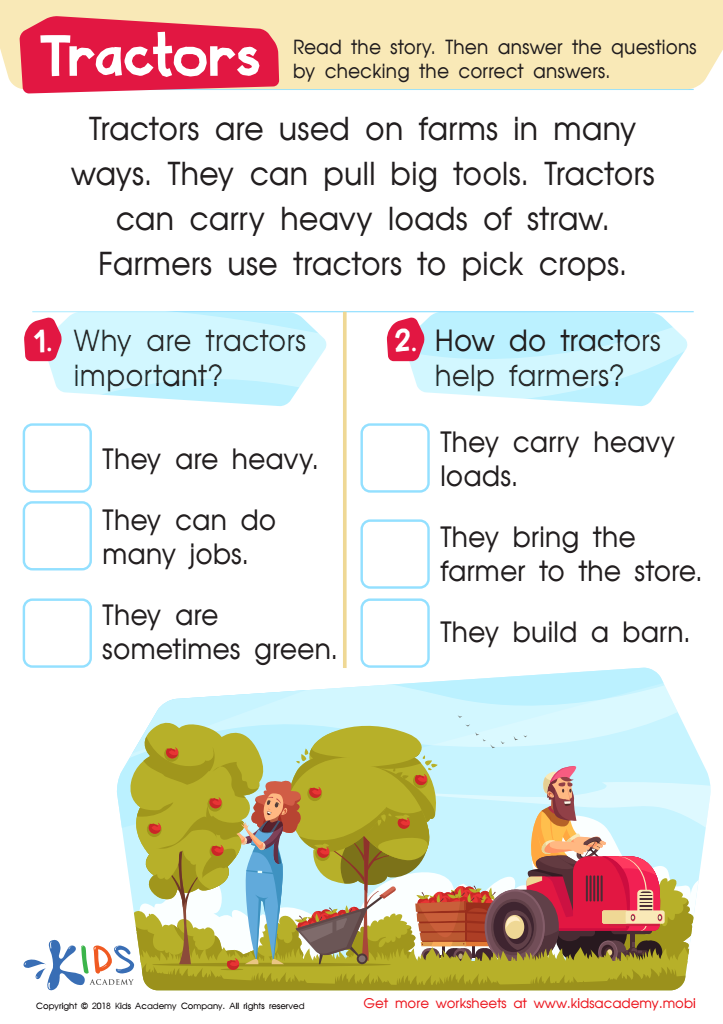
Tractors Worksheet
 Assign to My Students
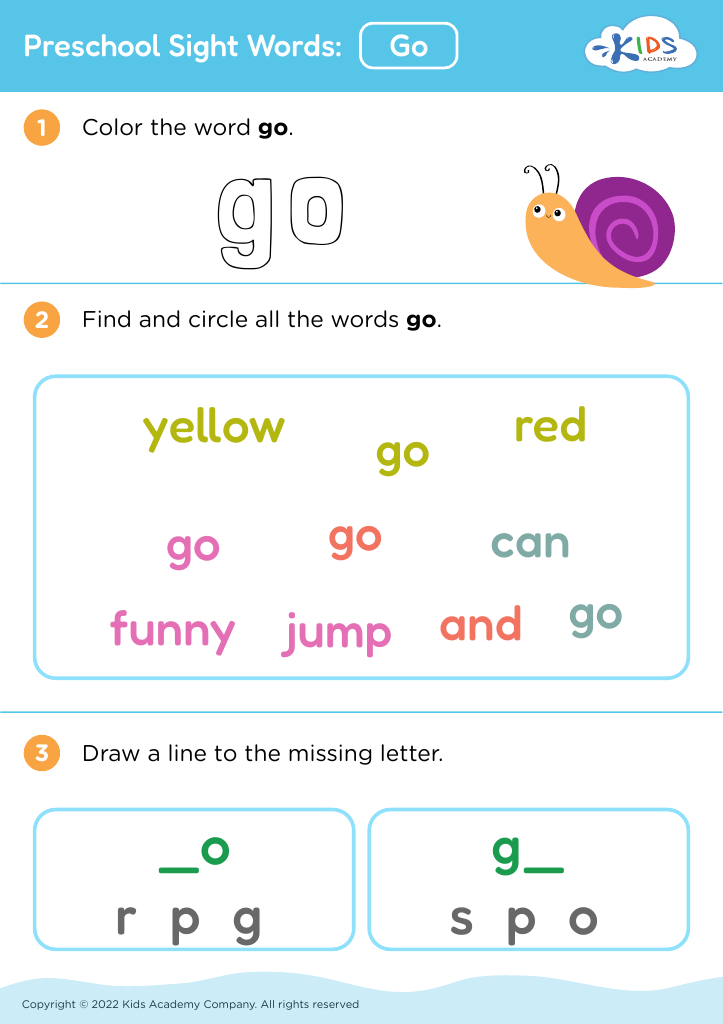
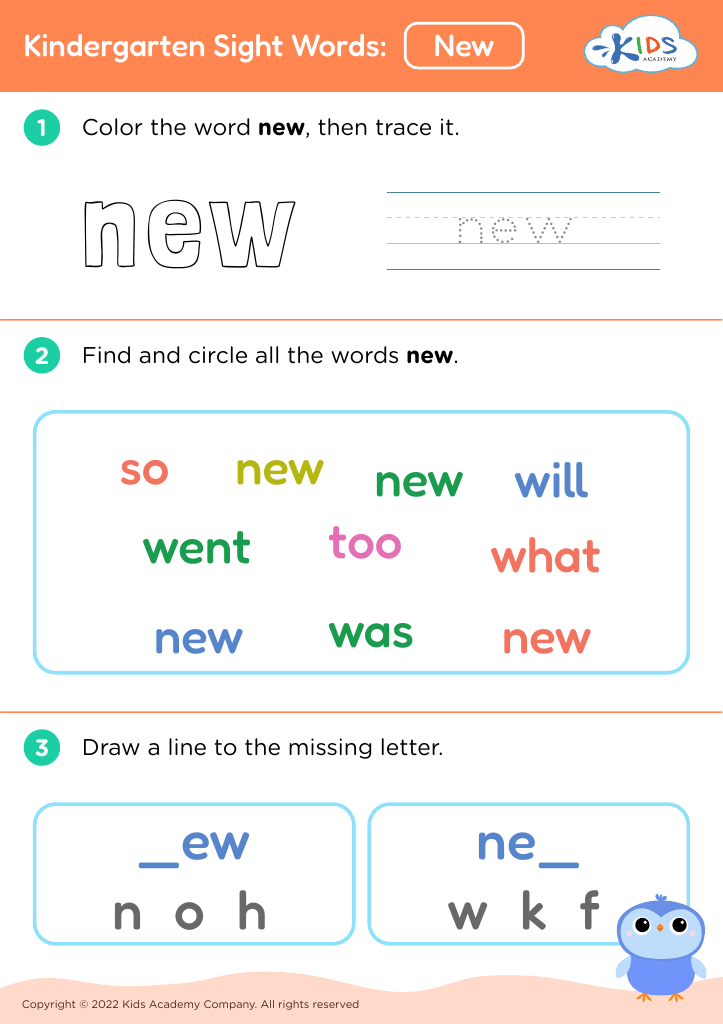








Number identification skills are crucial for children aged 5-6, as they lay the foundation for future mathematical understanding and overall academic success. During this developmental stage, children begin to interact with numbers, fostering cognitive skills that extend beyond mathematics. Learning to recognize and identify numbers helps in building countless essential competencies, including counting, basic addition, and problem-solving abilities.
Moreover, early number identification enhances a child’s confidence in handling numerical tasks, which is vital for everyday scenarios—such as telling time or counting change. When parents and teachers focus on number recognition, they engage children’s curiosities and make learning fun, often incorporating games, stories, or hands-on activities. Positive early experiences with numbers can reshape a child's attitude towards math, reducing anxiety that can develop later in school.
Additionally, strong number identification skills support language development through conversations about quantity and problem-solving scenarios. Both parents and teachers are instrumental in creating a nurturing environment where children feel motivated to explore mathematical concepts. By collaborating to reinforce these skills, they foster lifelong learning habits and a sense of accomplishment, setting children up for a successful academic journey ahead. Encouraging children to identify numbers is investing in their foundational skills for the future.








