Shape Recognition Reading Worksheets for Ages 5-6
8 filtered results
-
From - To
Explore our engaging Shape Recognition Reading Worksheets designed for children aged 5-6! These worksheets focus on enhancing early literacy through interactive shape-related activities that help young learners identify, describe, and categorize shapes. Perfect for at-home learning or classroom use, our carefully crafted lessons encourage creativity and critical thinking, making learning fun. Each worksheet includes vibrant visuals and simple instructions, promoting a deeper understanding of shapes while developing reading skills. Help your child build a solid foundation in literacy with these essential resources that foster a love for learning and boost confidence in reading and writing. Get started today!
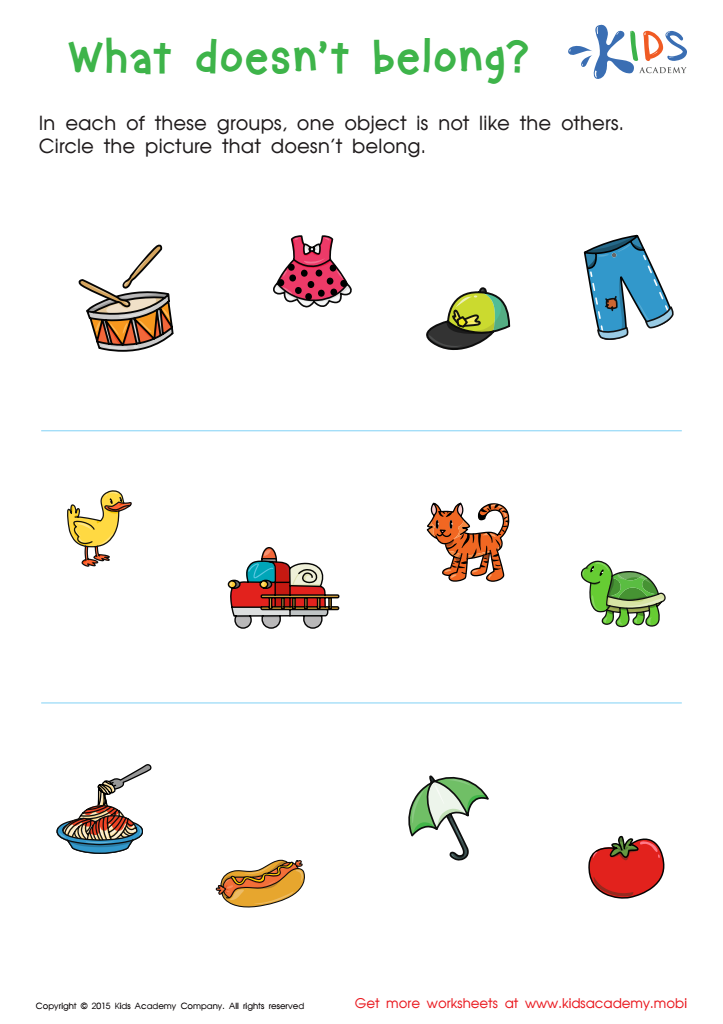
First Words: What Doesn't Belong Worksheet
 Assign to My Students
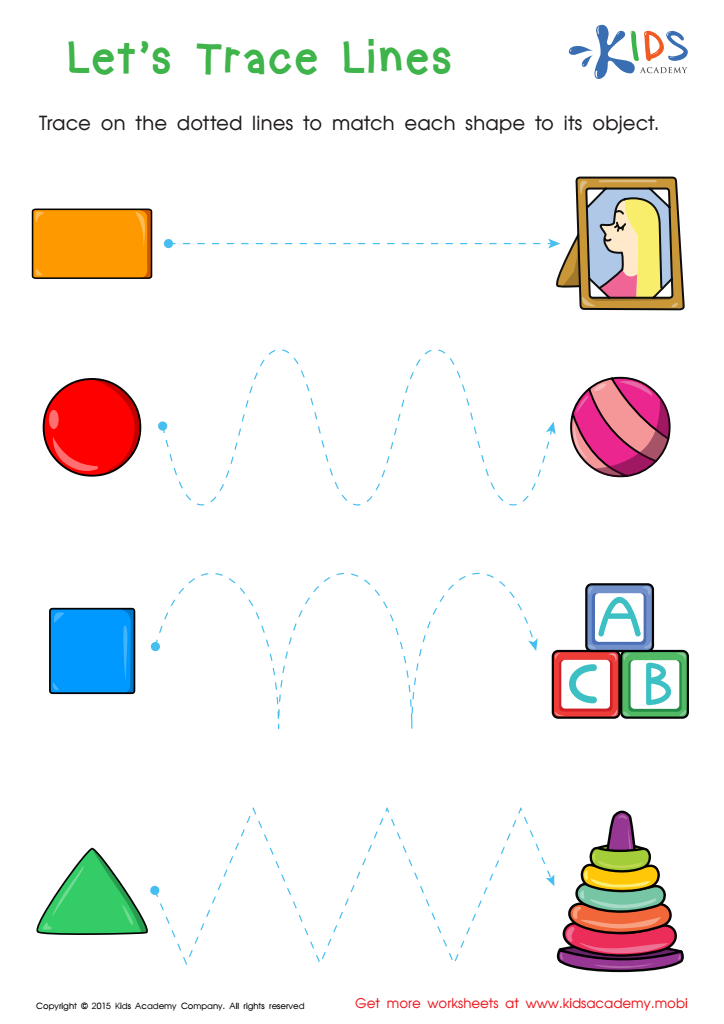
First Words: Let's Trace Lines Worksheet
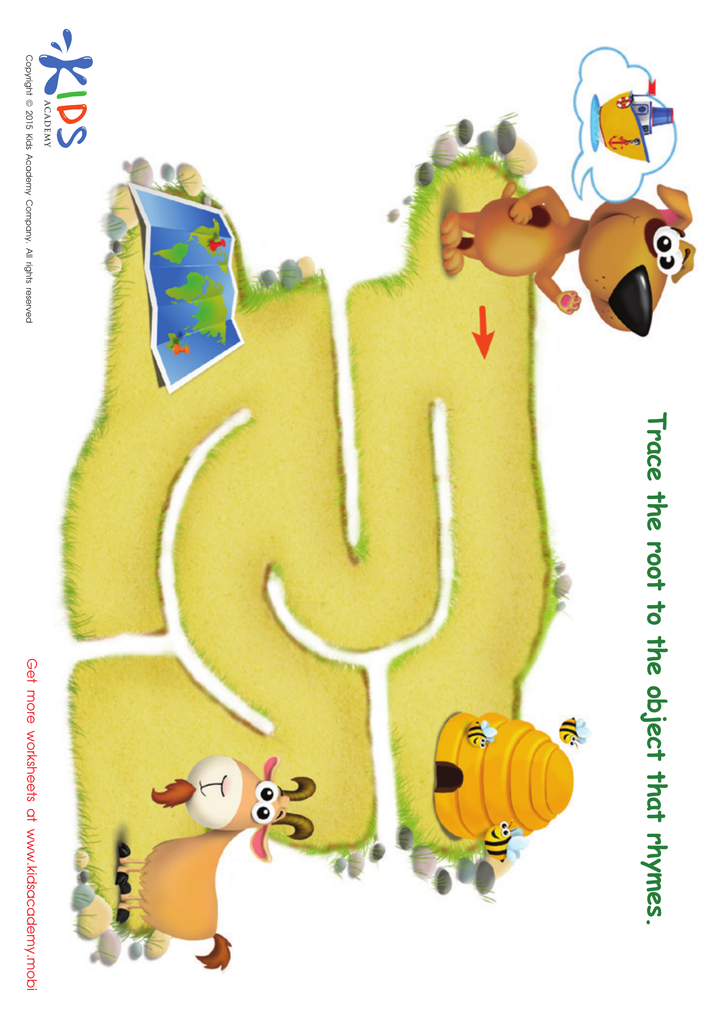
Boat Rhyming Words Worksheet
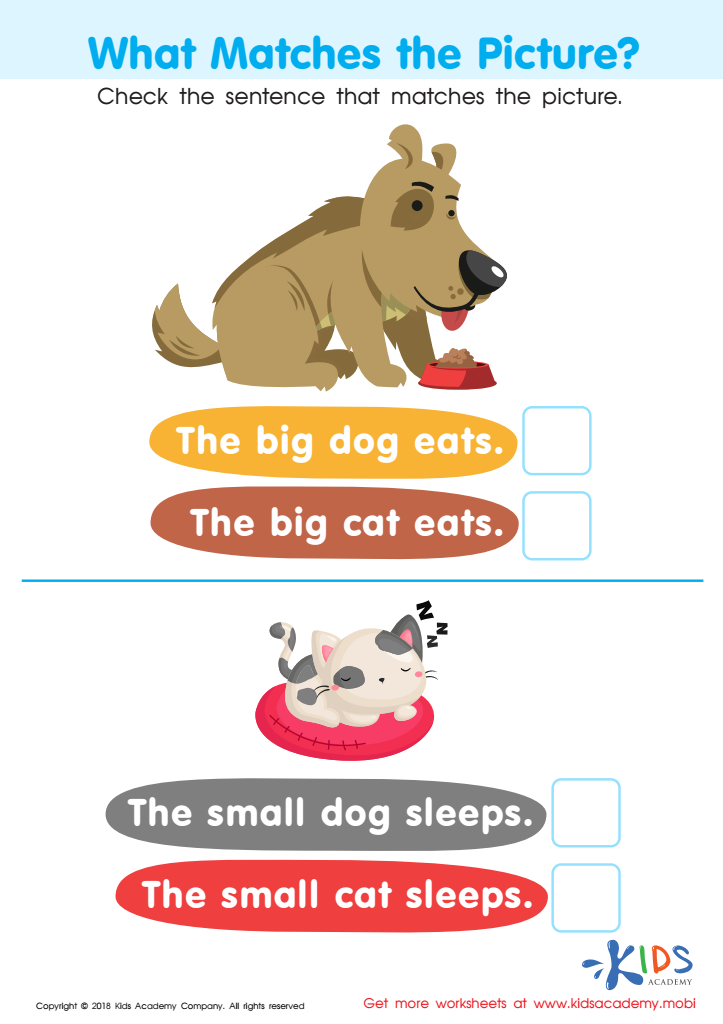
What Matches the Picture? Worksheet
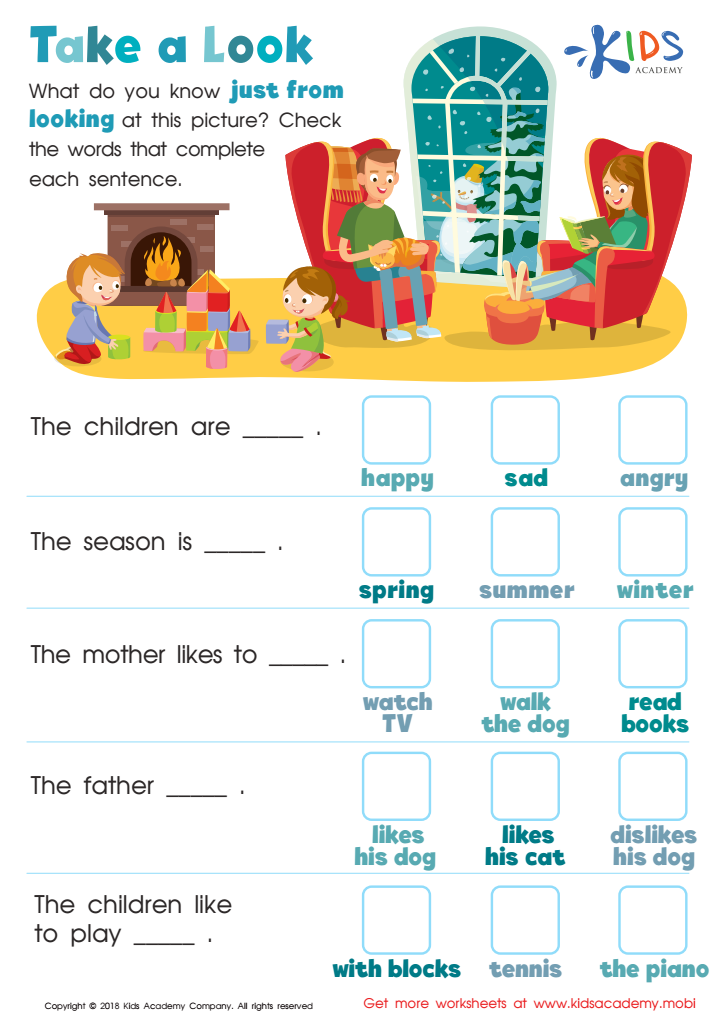
Take a Look - Part 1 Worksheet
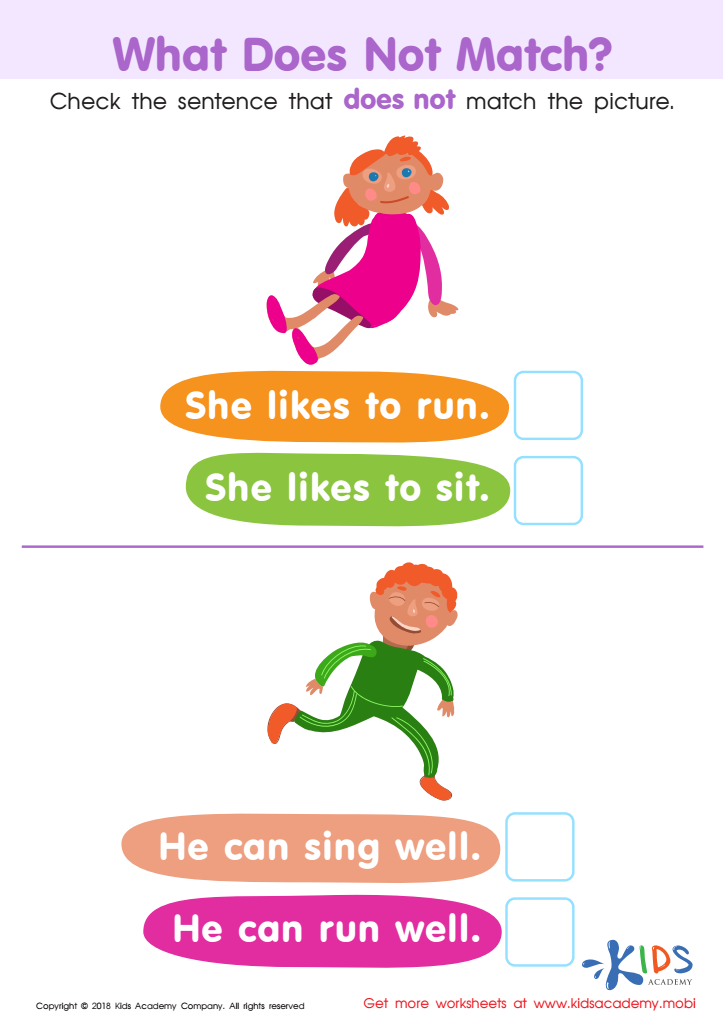
What Does Not Match? Worksheet







Shape recognition is a fundamental skill in early childhood education that plays a vital role in cognitive development. For children ages 5-6, understanding shapes not only enhances their visual perception but also lays the groundwork for essential math skills, including geometry and measurement. When parents and teachers prioritize shape recognition, they are actively participating in shaping a child's ability to categorize and make sense of the world around them.
Learning about shapes helps children develop critical thinking and problem-solving skills as they differentiate between various geometric forms. This knowledge translates into improved spatial awareness—key for many activities such as drawing, building, or even writing. Moreover, engaging with shapes can boost vocabulary as children learn to describe characteristics and relationships between different forms and objects.
Incorporating shape recognition into reading can also enhance literacy skills, as many children's books feature shapes in their illustrations and texts. This dual-focus fosters a love for learning and encourages children to explore and ask questions, making reading a multi-dimensional experience. Ultimately, when parents and teachers unite in promoting shape recognition, they equip children with the foundational skills necessary for future academic success and lifelong learning.








