
Understanding patterns Reading Worksheets for Ages 5-6
6 filtered results
Difficulty Level
Grade
Age
-
From - To
Subject
Activity
Standards
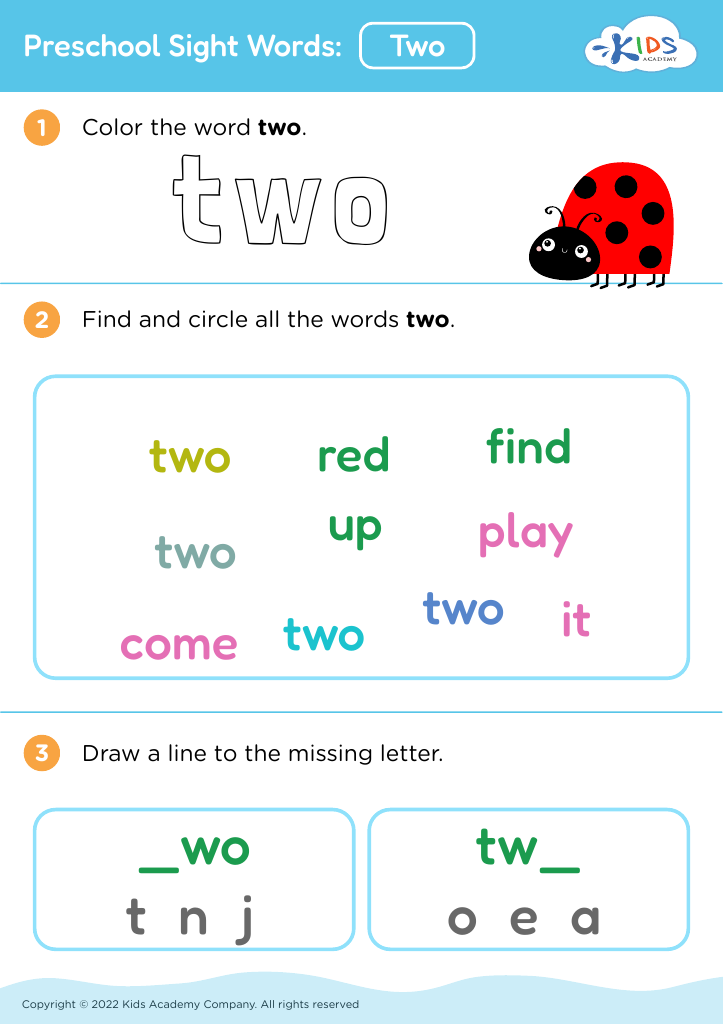
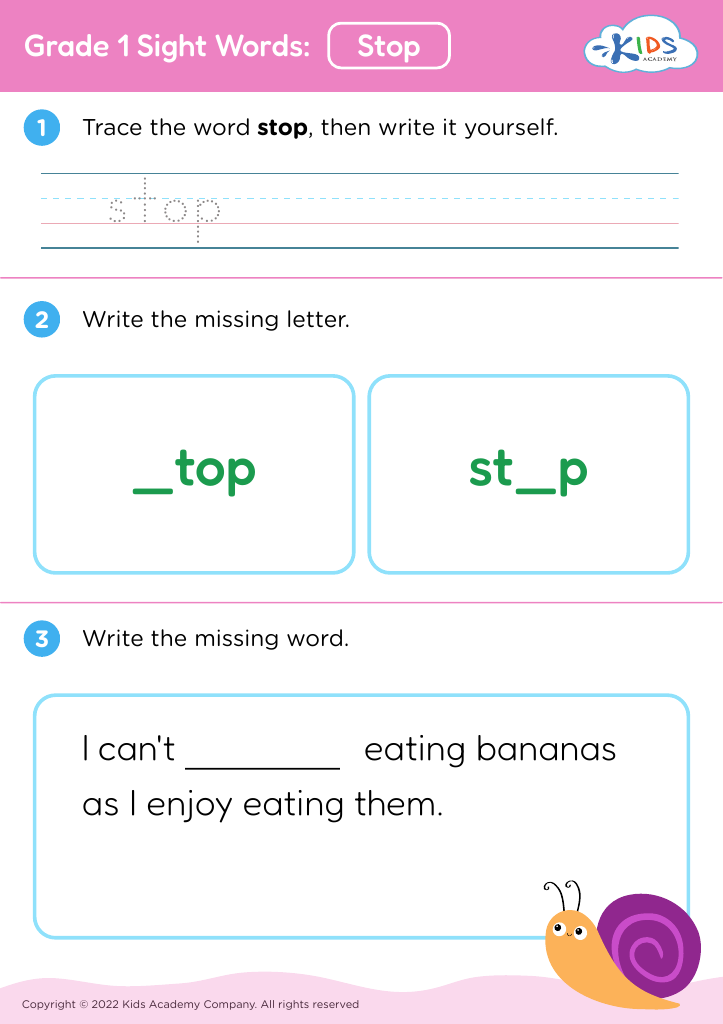
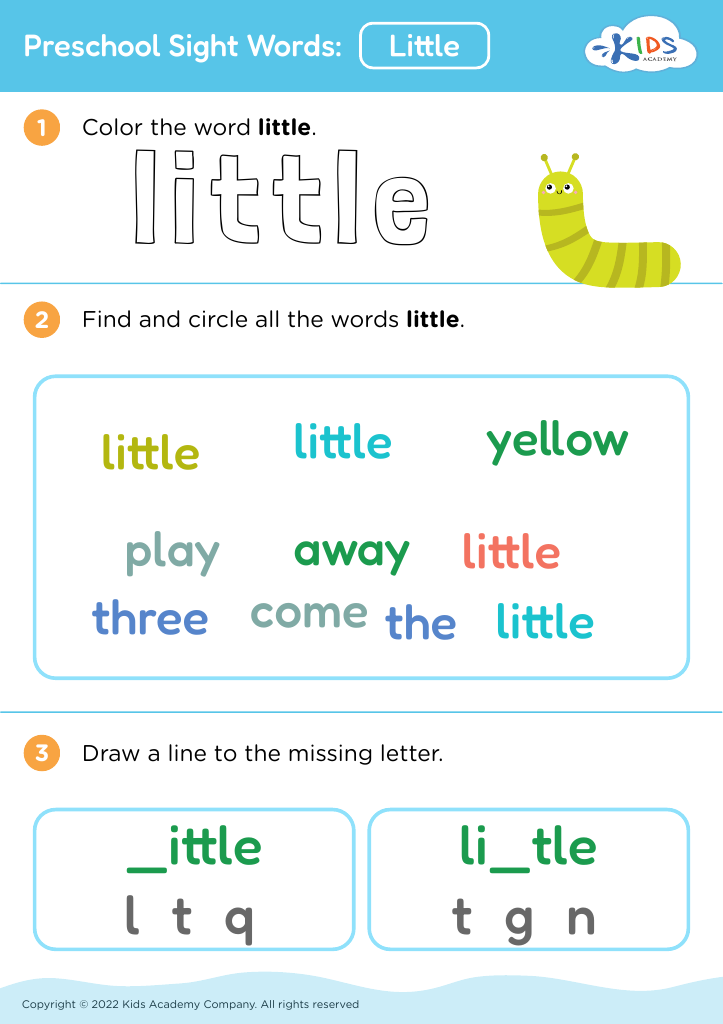
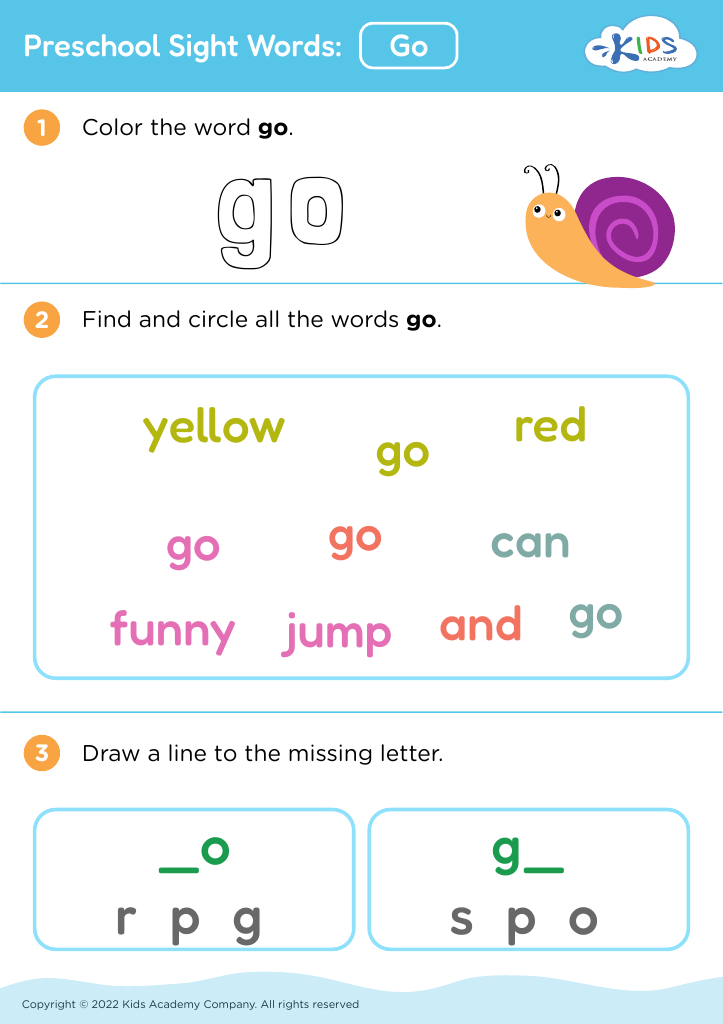
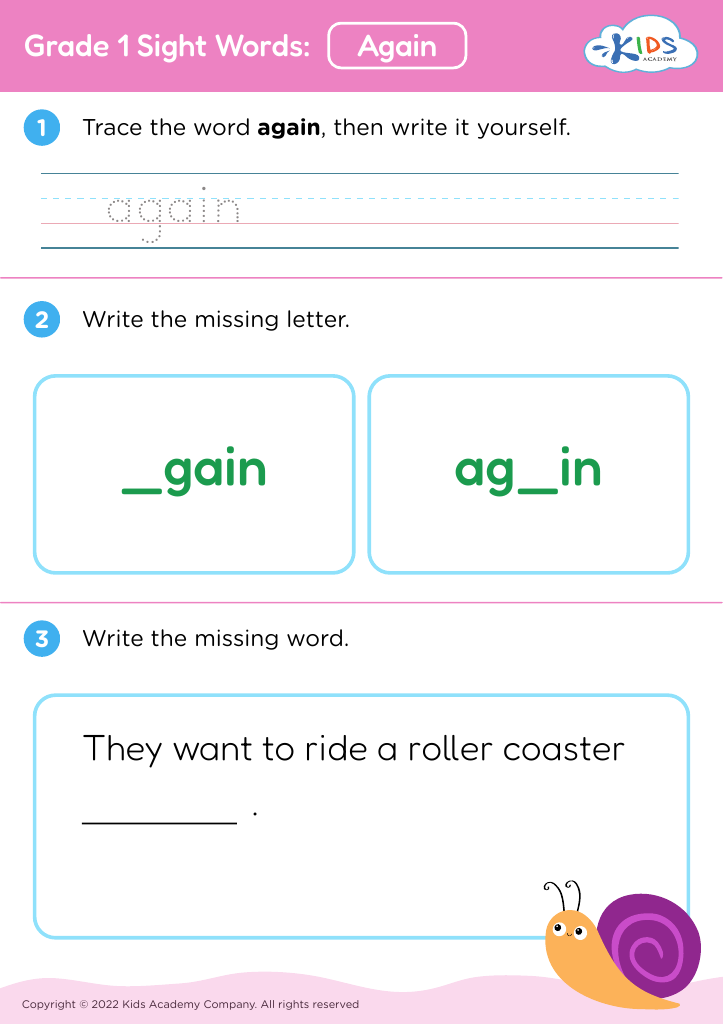
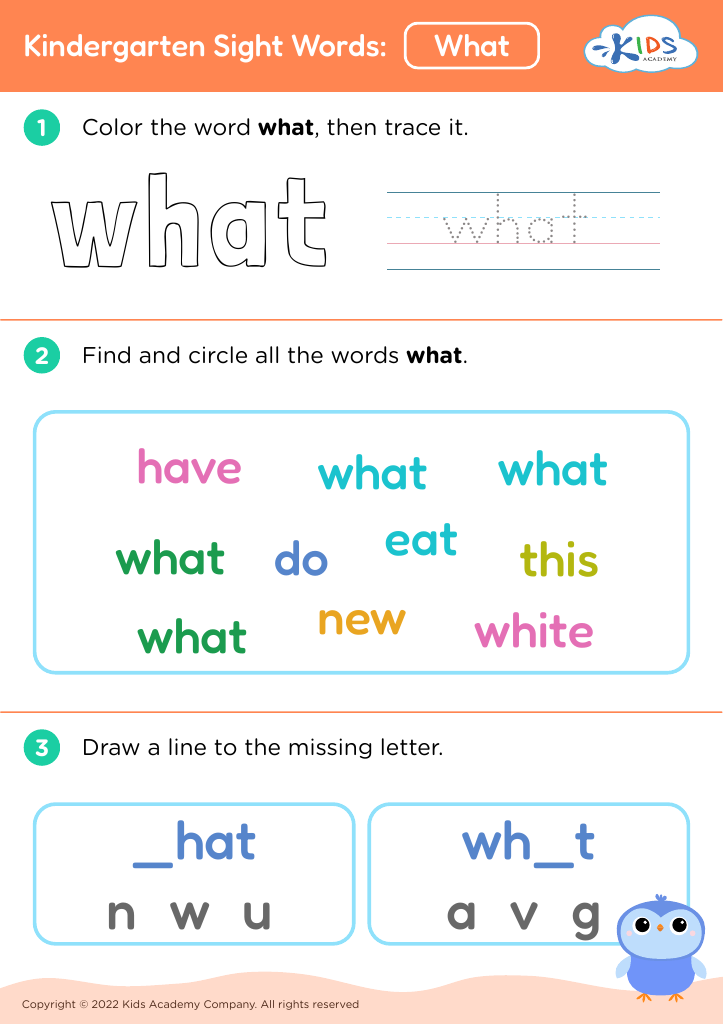
Introduce your young learner to the magic of patterns with our "Understanding Patterns Reading Worksheets for Ages 5-6." These engaging worksheets are specially designed to enhance pattern recognition and reading skills, making early learning fun and effective. Through colorful illustrations and simple exercises, children will learn to identify, predict, and create patterns. This foundational skill not only boosts their reading ability but also prepares them for future math concepts. Perfect for classroom use or at-home practice, these worksheets will keep your child entertained while building critical cognitive skills. Start exploring now to support their educational journey!
Favorites
With answer key
Interactive
Join Kids Academy for Free
Who is primarily going to use this learning content?



.jpg)

Understanding patterns in reading is crucial for children aged 5-6 for several reasons. Firstly, recognizing patterns helps with decoding words, which is fundamental in early reading. When children notice that certain letter combinations produce specific sounds (like "th" or "ing"), they begin to read more fluently. This foundational skill builds their confidence and enhances their reading skills overall.
Secondly, patterns aid in language comprehension. By understanding narrative patterns, such as story structures (beginning, middle, and end) and sequence of events, children can better grasp the storyline and predict what might happen next. This boosts their critical thinking skills and allows them to engage more deeply with the text.
Additionally, pattern recognition supports future learning in other areas, such as math, where recognizing numerical patterns is essential. It nurtures logical thinking, which is beneficial across all subjects.
Lastly, fostering an early love and skill in reading through pattern recognition opens the door to lifelong learning. It ensures that children develop strong literacy foundations, crucial for academic success and effective communication.
Therefore, parents and teachers should prioritize activities that reinforce pattern recognition. This can be through phonics games, reading aloud, and encouraging children to identify and create their own patterns. Early emphasis on patterns in reading sets a strong groundwork for the complex literacy skills they will need in the future.








