Filters

34 filtered results

Clear all filters
Favorites
With answer key
Interactive

34 filtered results

Difficulty Level

Grade


Check out this FREE Trial Lesson on Reading Comprehension for age 5-6!

Compare and Contrast the Experiences of Characters in Familiar Stories

Favorites
With answer key
Interactive
  • 5-6
  • Critical Thinking
  • Reading Comprehension
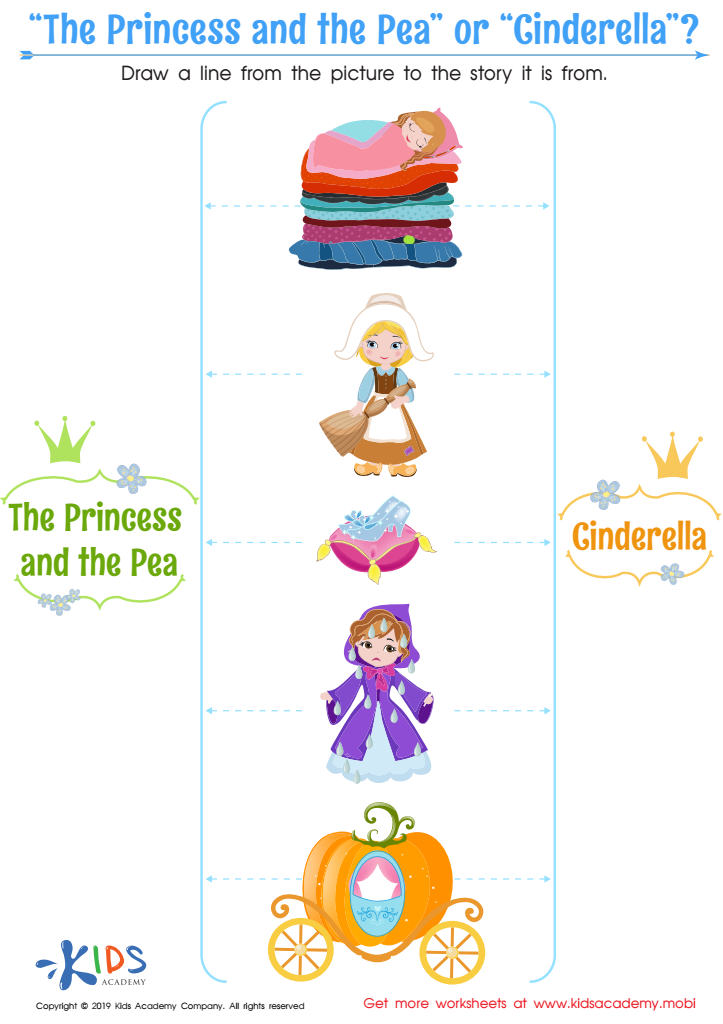
“The Princess and the Pea” or “Cinderella” Worksheet

“The Princess and the Pea” or “Cinderella” Worksheet

Help your child identify the characters and objects from both the Princess and the Pea and Cinderella. Ask them to draw a line from the pictures to the story it's from on the tracing sheet. Encourage them to tell you the similarities between the two stories. Enjoy the tale with your daughter and watch her be fascinated by these two classic children's stories.
“The Princess and the Pea” or “Cinderella” Worksheet
Worksheet
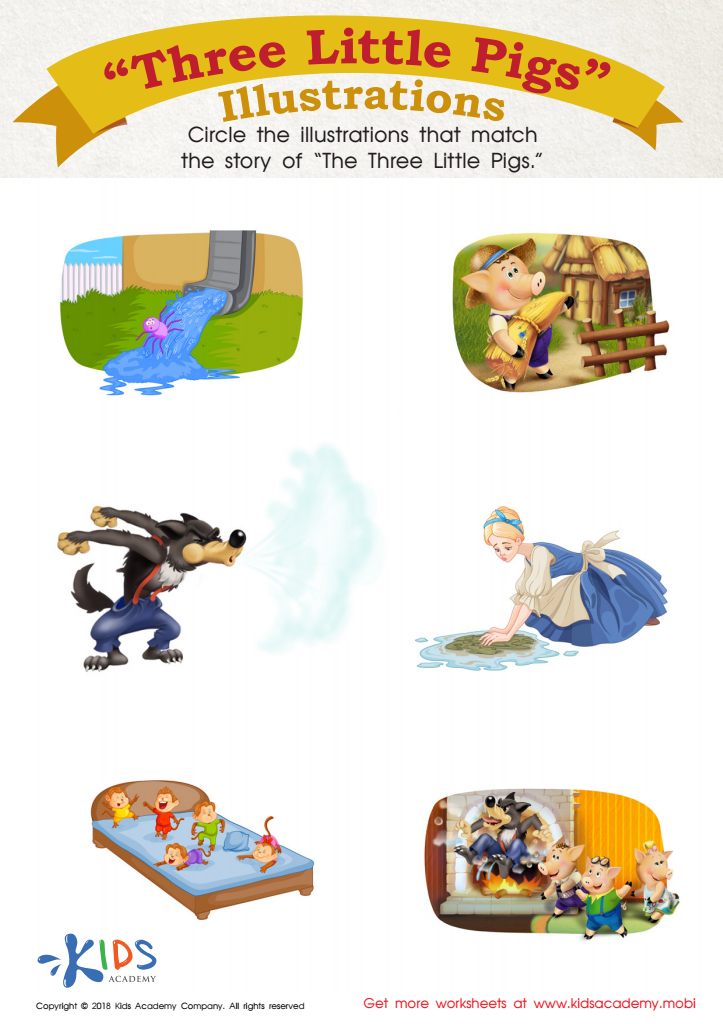
Three Little Pigs: Illustrations Worksheet

Three Little Pigs: Illustrations Worksheet

Fairy Tales are a great way for young children to learn about settings, characters and other fiction elements. This worksheet has illustrations from The Three Little Pigs, and lets your student use what they know and the visuals to match the story. It's a fun way for them to practice story recall and comprehension with illustrations.
Three Little Pigs: Illustrations Worksheet
Worksheet
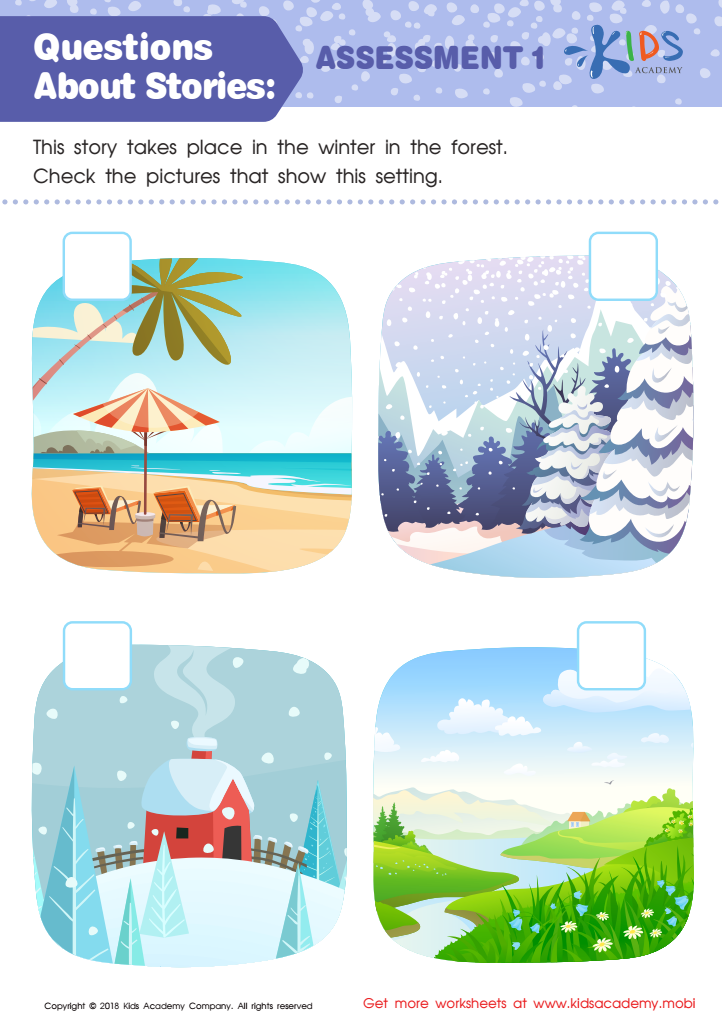
Questions About Stories: Assessment 1 Worksheet

Questions About Stories: Assessment 1 Worksheet

Winter brings snow, cold, short days, and darkness. Schools can even close due to heavy snow. Ask your child what their favourite winter activities are and what color they associate with 'winter'. This worksheet takes place in a winter forest. Look at the 4 pictures with your child, and help them identify which one shows the correct setting.
Questions About Stories: Assessment 1 Worksheet
Worksheet
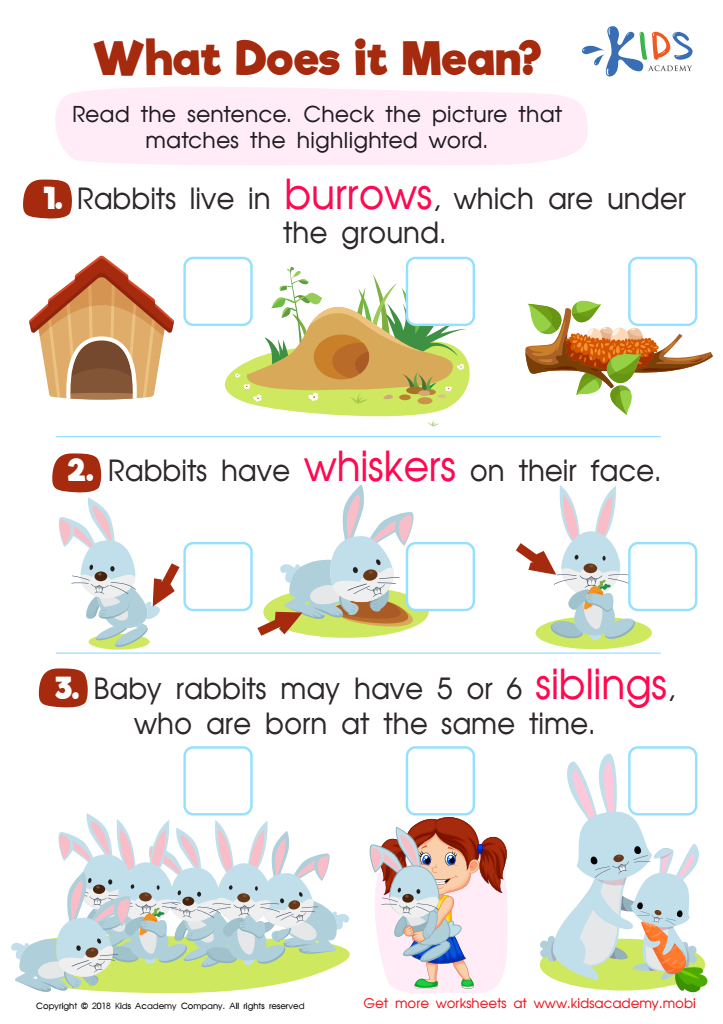
What Does It Mean? Worksheet

What Does It Mean? Worksheet

Teach your child to use context clues with this engaging Kids Academy worksheet. Read the sentences and find the pink-highlighted word. Use the other words in the sentence to figure out the meaning, then check the box next to the picture that represents it.
What Does It Mean? Worksheet
Worksheet
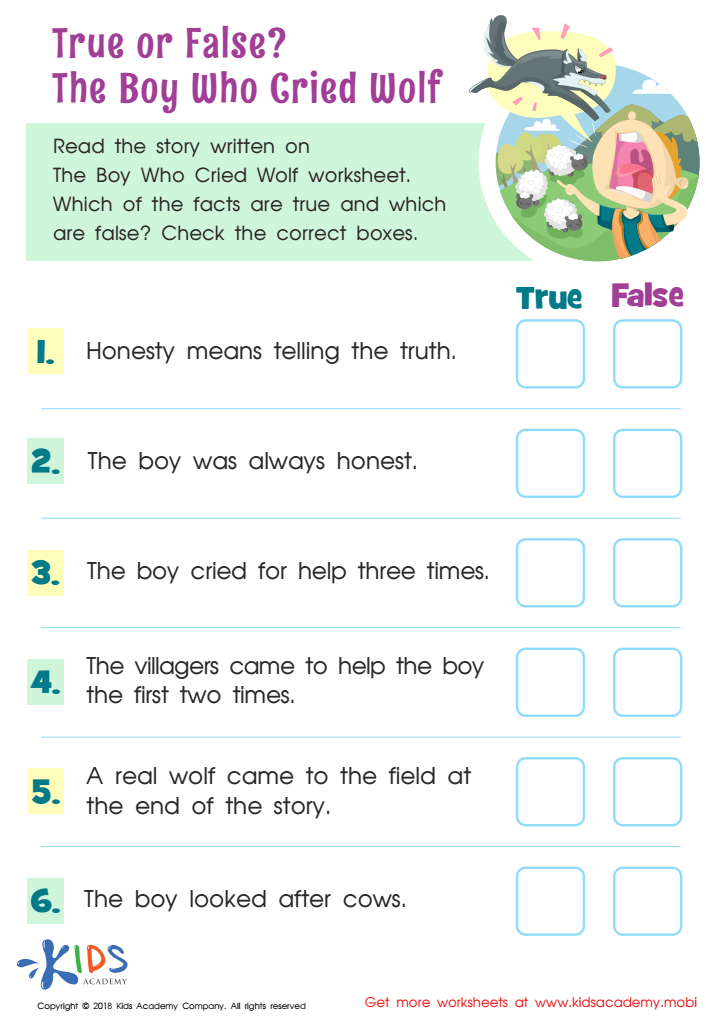
True or False? The Boy Who Cried Wolf Worksheet

True or False? The Boy Who Cried Wolf Worksheet

Test students' understanding of The Boy Who Cried Wolf with this free downloadable worksheet. It contains true/false questions to assess comprehension of key events. Easy to complete, it checks students can recall facts from the story. Try it and see!
True or False? The Boy Who Cried Wolf Worksheet
Worksheet
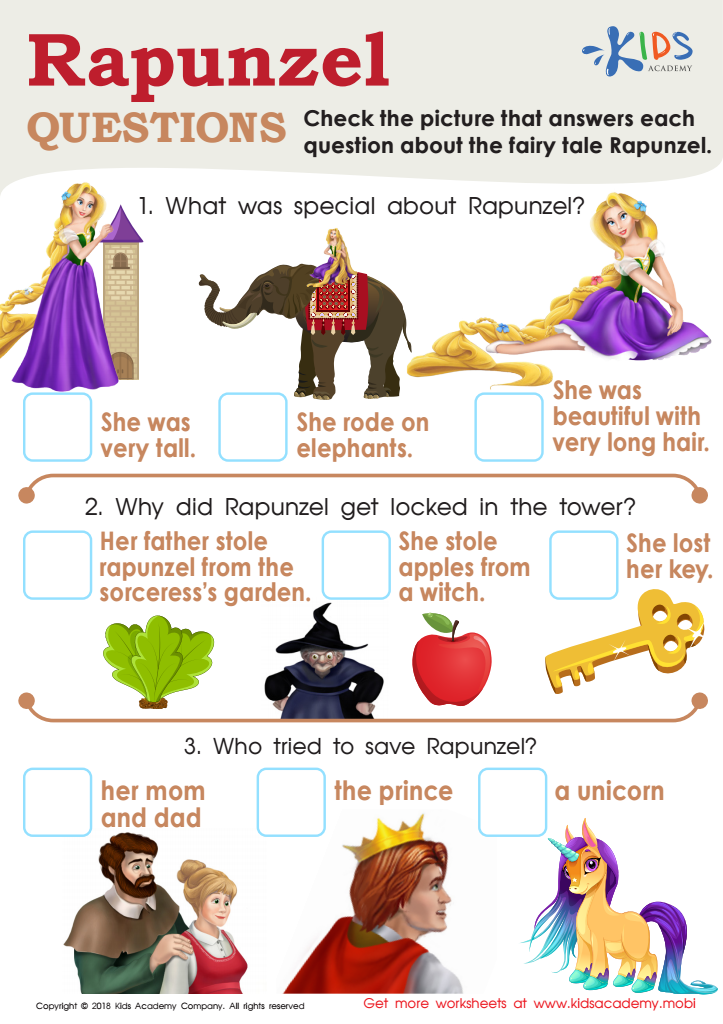
Rapunzel Questions Worksheet

Rapunzel Questions Worksheet

Read the fairy tale 'Rapunzel' to your kids. For those who really enjoyed it, read it twice and ask questions to test their understanding. Then, get them to check the pictures related to the questions to test their comprehension of the story.
Rapunzel Questions Worksheet
Worksheet
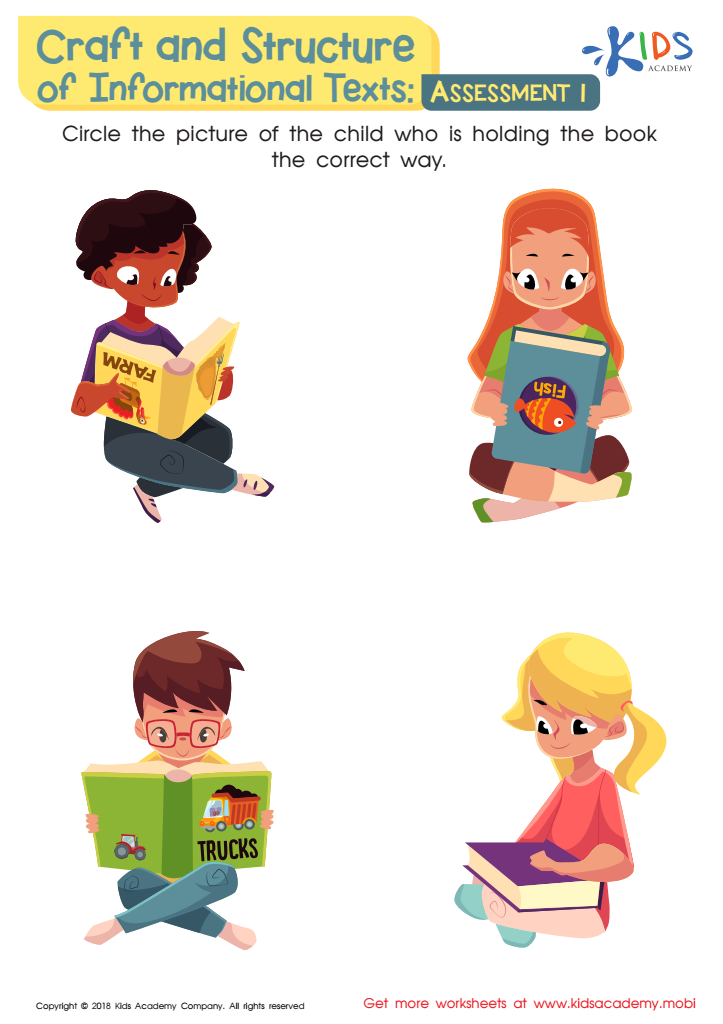
Craft and Structure of Informational Texts: Assessment 1 Worksheet

Craft and Structure of Informational Texts: Assessment 1 Worksheet

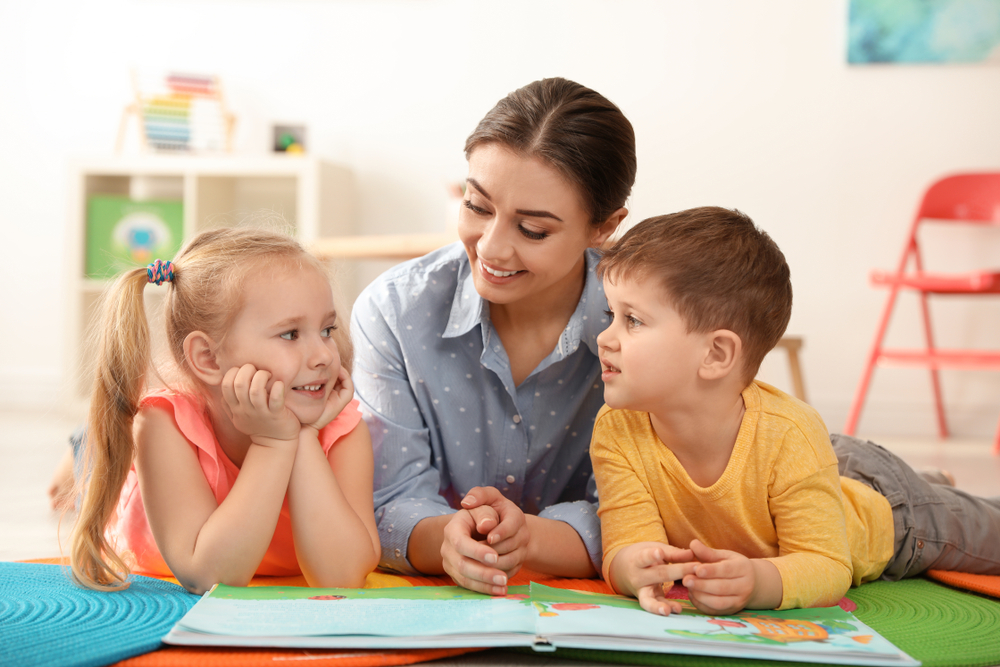
Young children need to know how to hold books correctly when they start reading. This assessment worksheet helps them show they know what to do. They'll look at the pictures and circle the child who is holding the book correctly. It's a great way to tell they are well on their way to becoming lifetime readers!
Craft and Structure of Informational Texts: Assessment 1 Worksheet
Worksheet
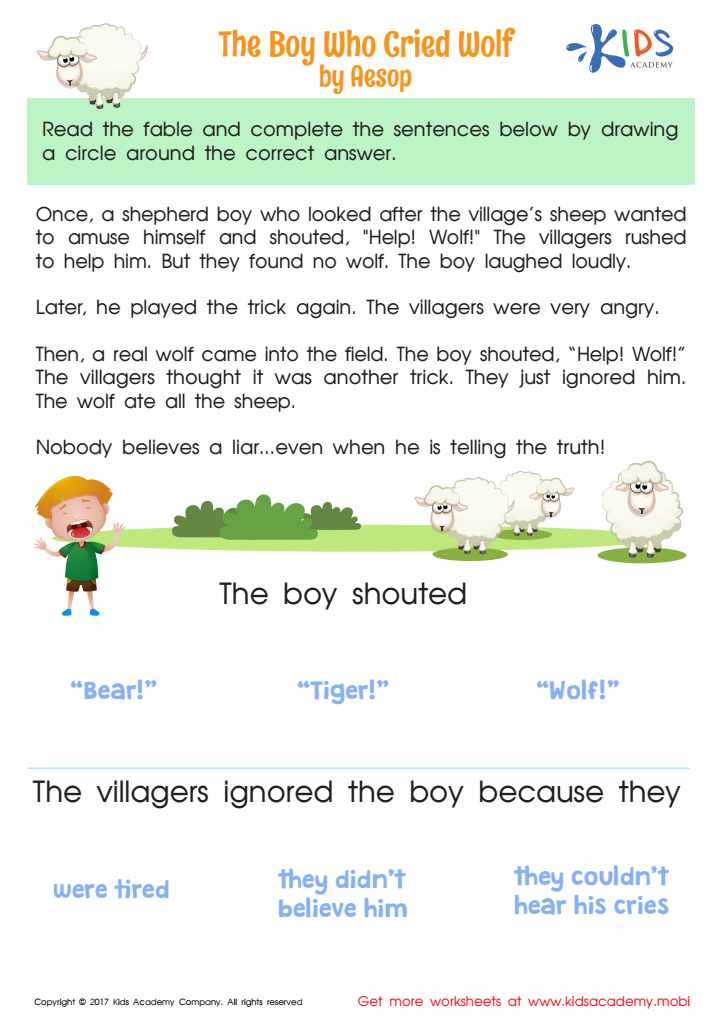
Worksheet: The Boy Who Cried Wolf

The Boy Who Cried Wolf Worksheet

Test your child's reading comprehension with The Boy Who Cried Wolf worksheet. Read the fable, then answer the questions. Use the text to help your child check their answers are correct. Boost reading skills in a fun, interactive way!
The Boy Who Cried Wolf Worksheet
Worksheet
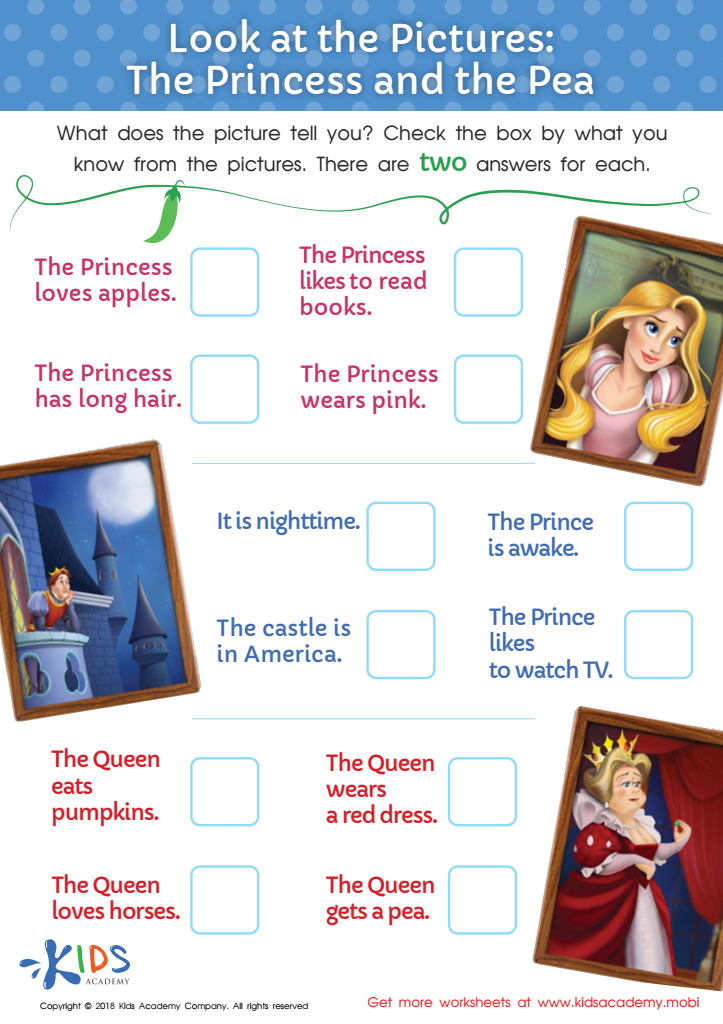
Look at the Pictures: The Princess and the Pea Worksheet

Look at the Pictures: The Princess and the Pea Worksheet

Early readers can benefit from picture clues to understand stories and text. Looking at images helps them learn the meaning of words and comprehend events. Use this worksheet on The Princess and the Pea to let students observe and learn from the pictures. It's a great way to help them comprehend early reading materials.
Look at the Pictures: The Princess and the Pea Worksheet
Worksheet
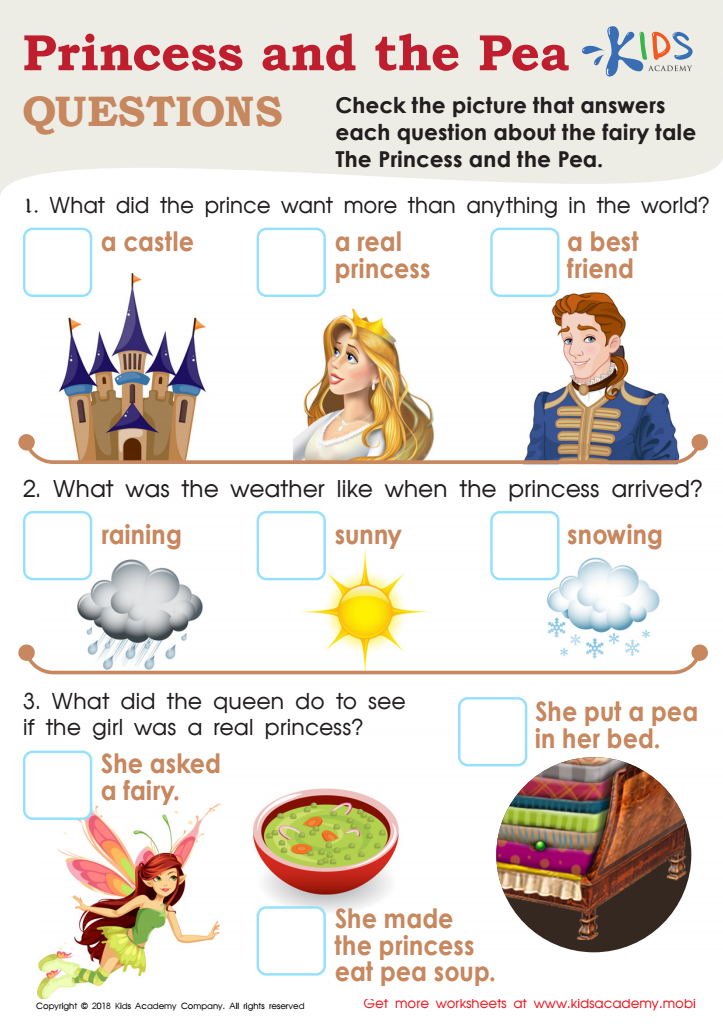
Princess and the Pea Questions Worksheet


Princess and the Pea Questions Worksheet

Your kid knows The Princess and the Pea inside-out? Test their knowledge with this worksheet. Ask your little one to read the questions and match each one to the picture. It's a fun way to see just how much attention they've paid to their bedtime story.
Princess and the Pea Questions Worksheet

Worksheet


Critical Thinking Reading Comprehension for children aged 5-6 is foundational for their academic and personal development. At this early age, children’s brains are incredibly receptive to new information, making it an ideal period to cultivate essential skills. Critical thinking enables young learners to go beyond mere recitation of facts. It encourages them to analyze, evaluate, and synthesize information, fostering a deeper understanding of the material they read.

Involving children in exercises that promote critical thinking enhances their cognitive abilities and boosts their problem-solving skills. It helps them to ask questions, make connections between concepts, and understand the world around them in a more nuanced way. This early skill development is crucial as it lays the groundwork for future success in more complex subjects like math and science where critical thinking is essential.

Furthermore, strong reading comprehension paired with critical thinking fosters a love of learning and curiosity. This promotes lifelong reading habits and academic engagement. It also builds confidence as children learn to articulate their thoughts and reason effectively. Enhanced comprehension skills enable children to follow instructions accurately, improving their performance across all subjects. Therefore, instilling critical thinking and reading comprehension skills in early learners is vital, benefiting their academic journey and personal growth in diverse, meaningful ways.