Developing observation skills Science Worksheets for Ages 5-6
3 filtered results
-
From - To
Enhance your child's natural curiosity with our 'Developing Observation Skills' science worksheets for ages 5-6. Tailored to nurture critical thinking, these engaging resources help young learners focus on details, identify patterns, and make scientific observations. From identifying living organisms to exploring natural phenomena, our worksheets encourage children to become keen observers of their environment. Boost their confidence in recognizing the world around them while laying a strong foundation for future scientific inquiry. Perfect for classroom or home use, these printable worksheets transform learning into a fun, interactive experience, setting the stage for lifelong discovery and exploration.
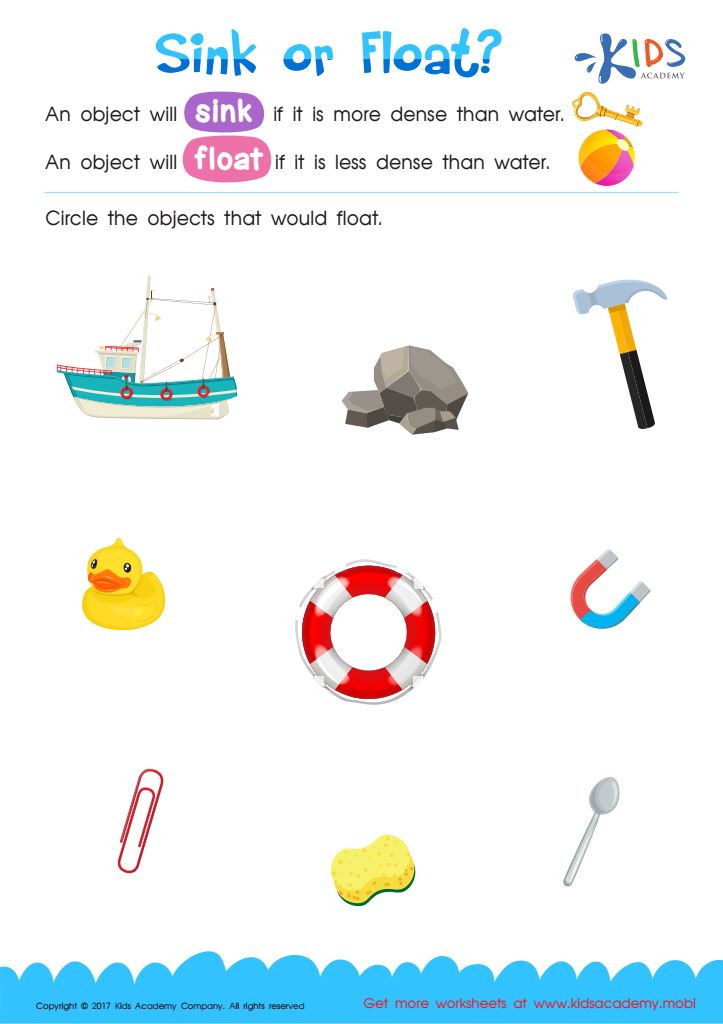
Sink or Float Printable
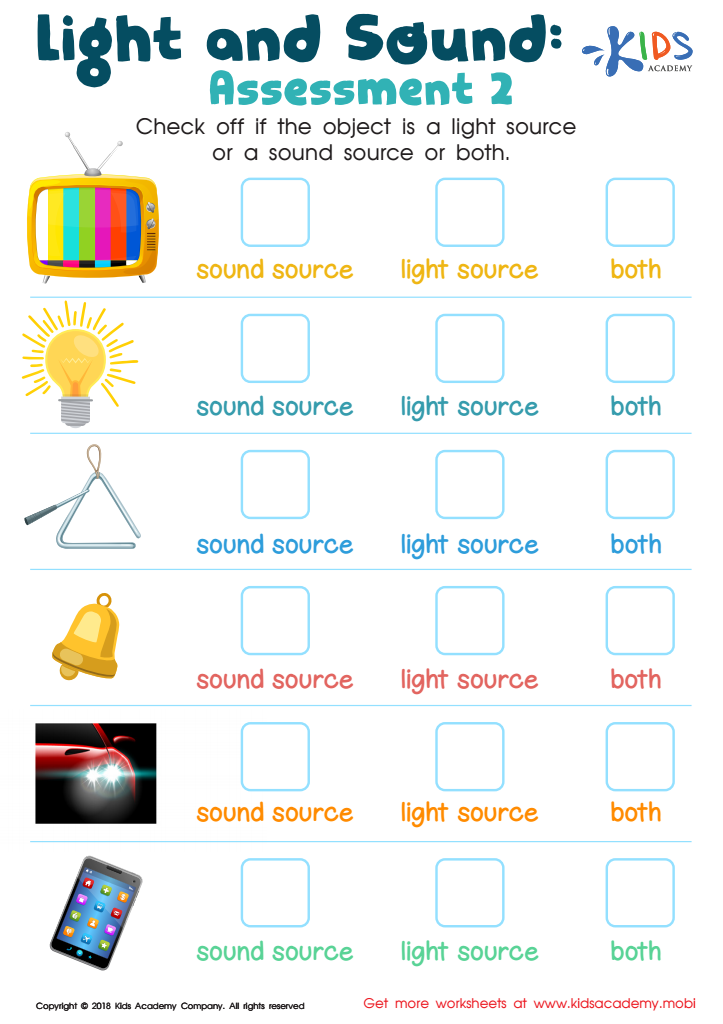
Light and Sound: Assessment 2 Worksheet
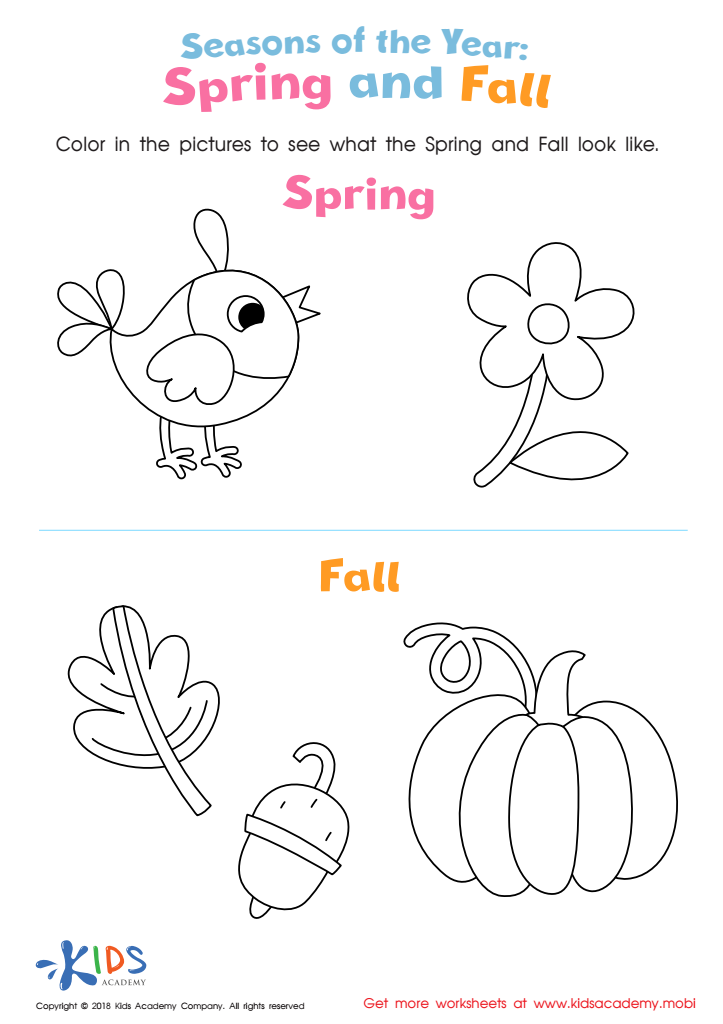
Spring and Fall Worksheet
 Assign to My Students




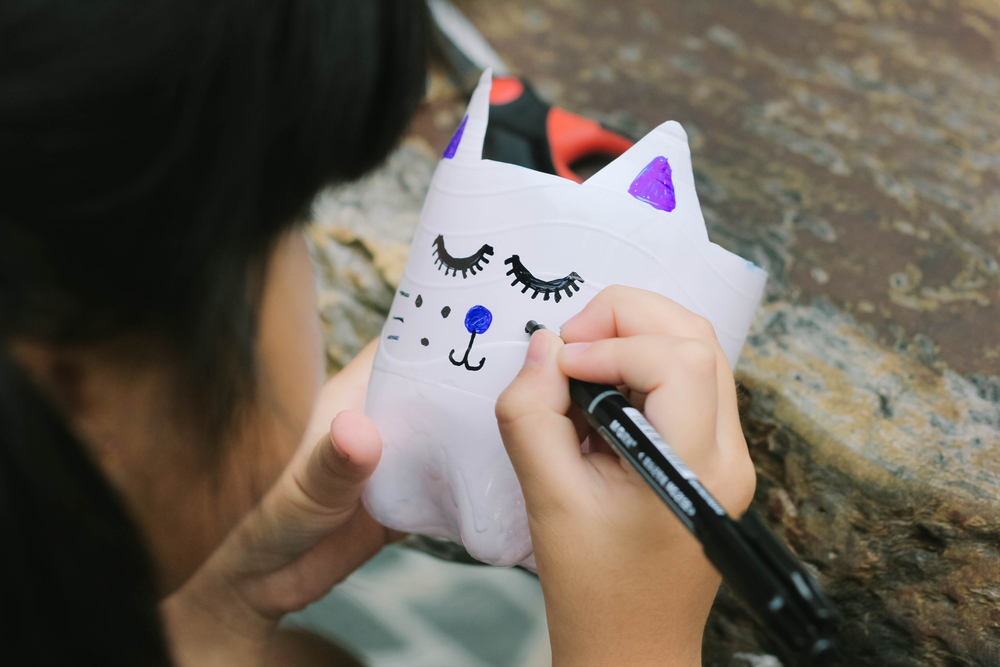
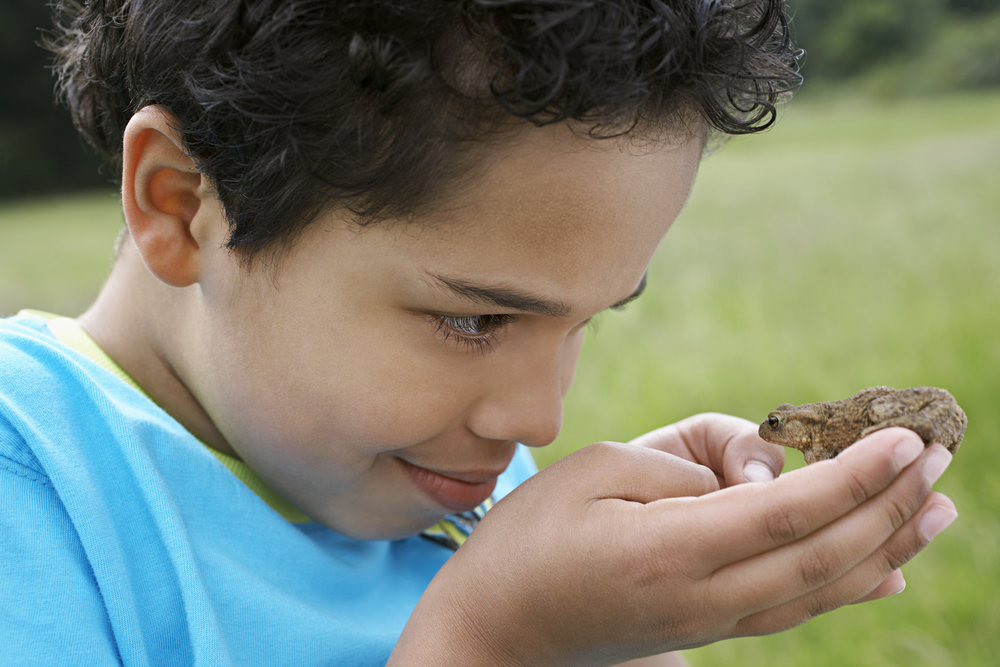

Developing observation skills in science for children ages 5-6 is essential because it lays the foundation for critical thinking and scientific inquiry. At this early age, children are naturally curious and eager to explore the world around them. Encouraging them to observe closely helps them to become more aware of details, patterns, and differences in their environment. This heightened awareness is the first step in the scientific method—making observations, asking questions, and seeking answers.
For parents and teachers, fostering these skills means equipping children with the tools to become independent learners. When young children practice observing, they start to notice details, ask questions, and make connections. These processes nurture their cognitive development, enhance vocabulary, and improve their ability to describe and categorize what they see. Observation also strengthens concentration and patience, as children must focus and take their time to notice subtleties.
Additionally, robust observation skills are foundational for academic success across various disciplines, not just science. They aid in literacy, as children learn to recognize shapes and letters, and in math, where identifying patterns and relationships is key. By caring about and actively developing observation skills, parents and teachers support a child's overall development and set the stage for lifelong learning.







