Enhancing categorization skills Science Worksheets for Ages 5-6
3 filtered results
-
From - To
Explore our engaging "Enhancing Categorization Skills Science Worksheets" designed for young learners aged 5-6! These fun and interactive worksheets focus on helping children develop crucial categorization skills through colorful visuals and relatable themes. By sorting objects, identifying differences, and classifying various items, kids will strengthen their understanding of science concepts while enhancing their cognitive abilities. Perfect for at-home study or classroom use, these worksheets encourage creativity and critical thinking, laying a strong foundation for future learning. Download today and watch your child's categorization skills soar as they explore the fascinating world of science!
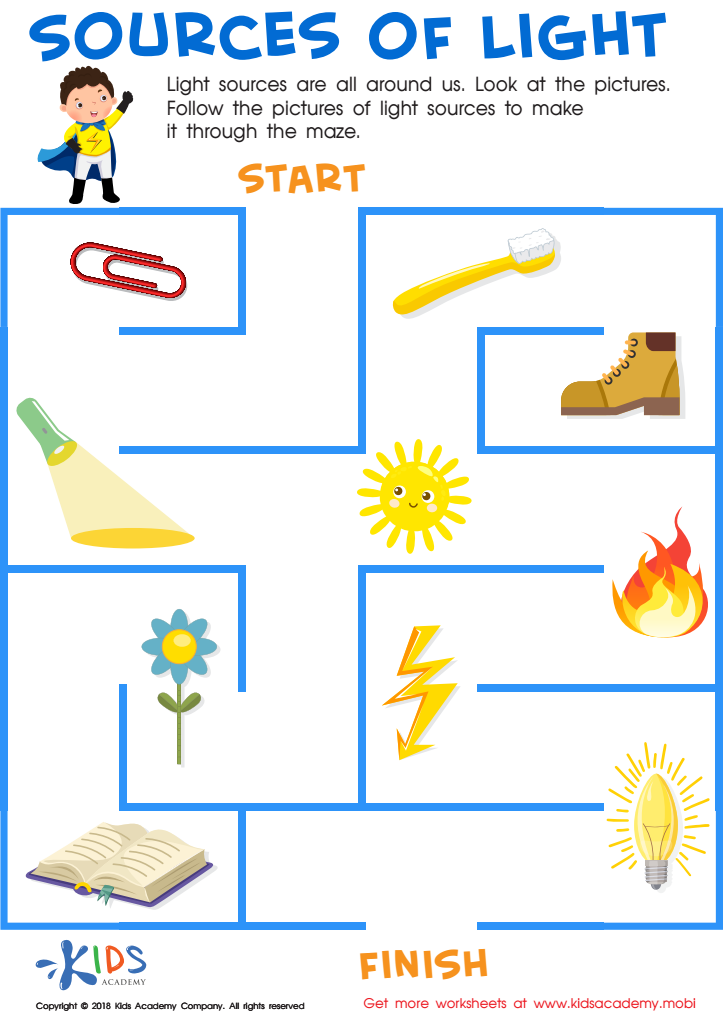
Sources of Light Worksheet
 Assign to My Students
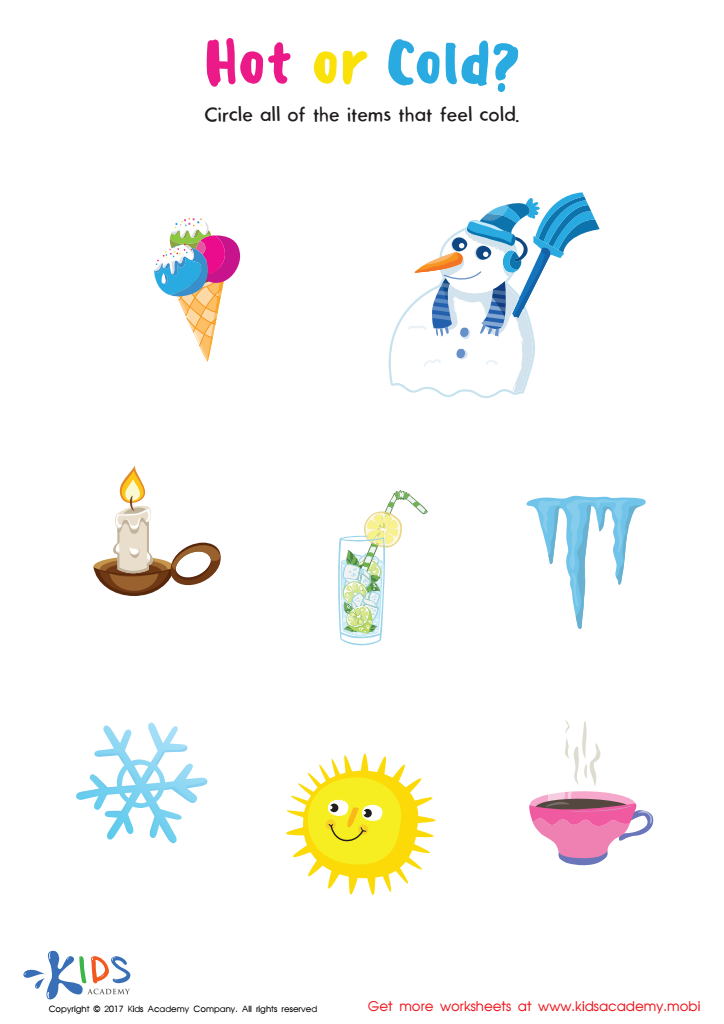
Hot or Cold Printable
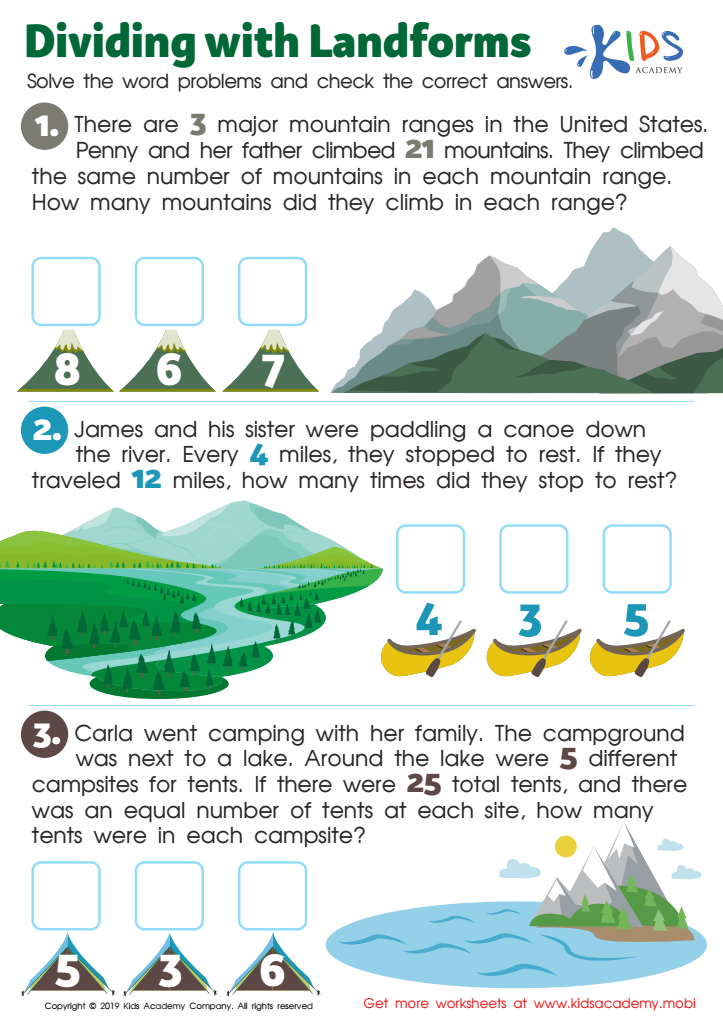
Dividing with Landforms







Enhancing categorization skills in young learners, specifically ages 5-6, is crucial for their cognitive development and foundational understanding of science. At this age, children are naturally curious and eager to make sense of the world around them. By teaching them how to categorize objects, animals, or phenomena, we enable them to develop critical thinking skills and boost their observational abilities.
When parents and teachers focus on categorization, they are empowering children to identify similarities and differences, recognize patterns, and organize information. These skills are essential for scientific reasoning, as they lay the groundwork for children to classify living things, understand habitats, and explore scientific concepts such as weather or ecosystems.
Moreover, strong categorization abilities promote language development; children learn vocabulary related to various categories, enhancing their ability to communicate ideas effectively. Engaging in categorization activities also fosters collaboration and social interaction, as children discuss and negotiate their classifications with peers.
Ultimately, nurturing categorization skills in young learners cultivates a love for science and a deeper understanding of the natural world, preparing them for more complex concepts in the future. As role models, parents and teachers play a vital role in facilitating these essential skills in early education.







