
Color recognition Geography Worksheets for Ages 5-6
3 filtered results
Difficulty Level
Grade
Age
-
From - To
Subject
Activity
Standards
Discover engaging "Color Recognition Geography Worksheets for Ages 5-6" designed to captivate young minds and enhance learning. These fun and educational worksheets help children identify colors while exploring various geography-themed activities. Ideal for early learners, each worksheet combines vibrant imagery with interactive tasks to build color recognition and geographical knowledge. Perfect for enhancing fine motor skills, cognitive development, and curiosity about the world, our carefully crafted resources support foundational learning in a captivating way. Empower your child’s educational journey and bring excitement to geography with our expertly designed printable worksheets today!
Favorites
With answer key
Interactive
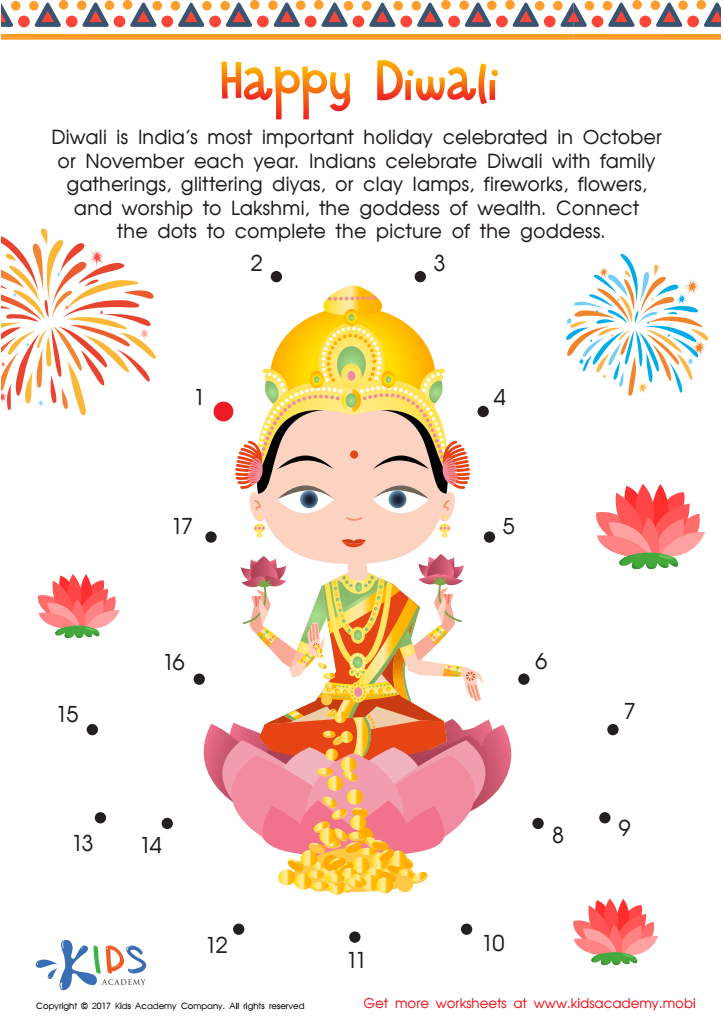
Happy Diwali Printable
Explore India this Diwali! Learn about India's most significant holiday, Diwali, with this fun-filled printable activity for kids. Your child can gain an appreciation for Indian culture with this Diwali dot to dot worksheet.
Happy Diwali Printable
Worksheet
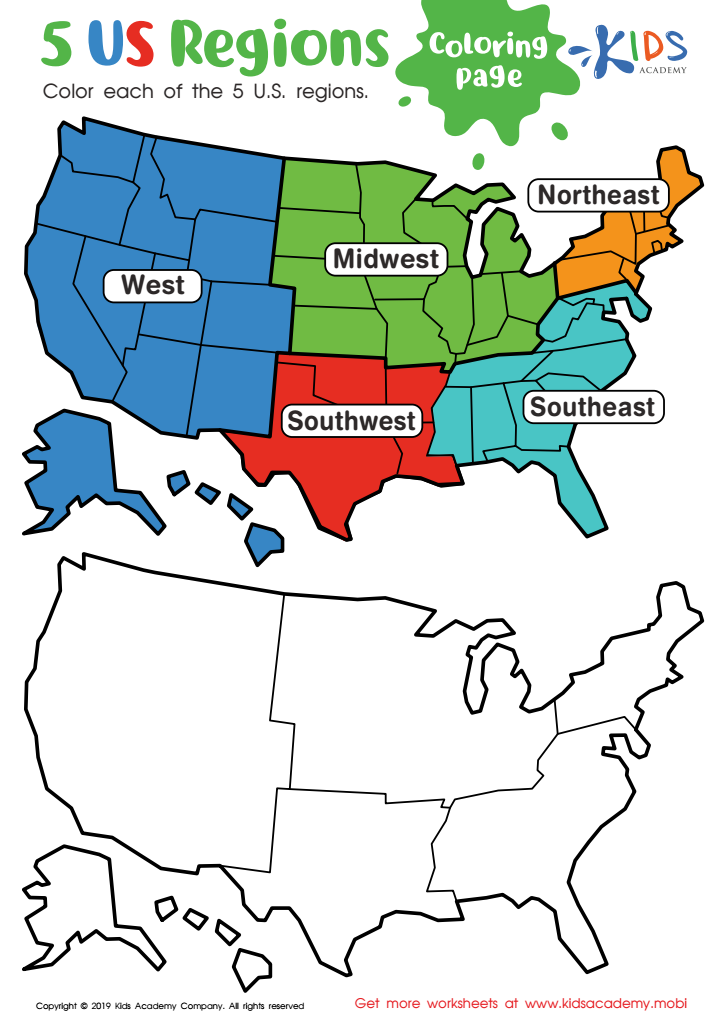
US Regions Coloring Page Worksheet
Our great nation is split into five distinct regions: Southeast, Southwest, West, Midwest, and Northeast. Each is known for its own special offerings and states. Let your kids have fun learning about the regions with a coloring activity! It's a great way for them to understand where each region stands on the map.
Download (PDF)
 Assign to My Students
Assign to My Students
US Regions Coloring Page Worksheet
Worksheet
Globe Coloring Page Worksheet
Kids love coloring! Save yourself stress by giving them coloring sheets instead of letting them color on furniture and walls. This worksheet has a fun activity that engages their hands and mind - ask them to color the globe picture, and help them pick the colors.
Download (PDF)
Assign to My Students
Assign to My Students
Globe Coloring Page Worksheet
Worksheet
Join Kids Academy for Free
Who is primarily going to use this learning content?





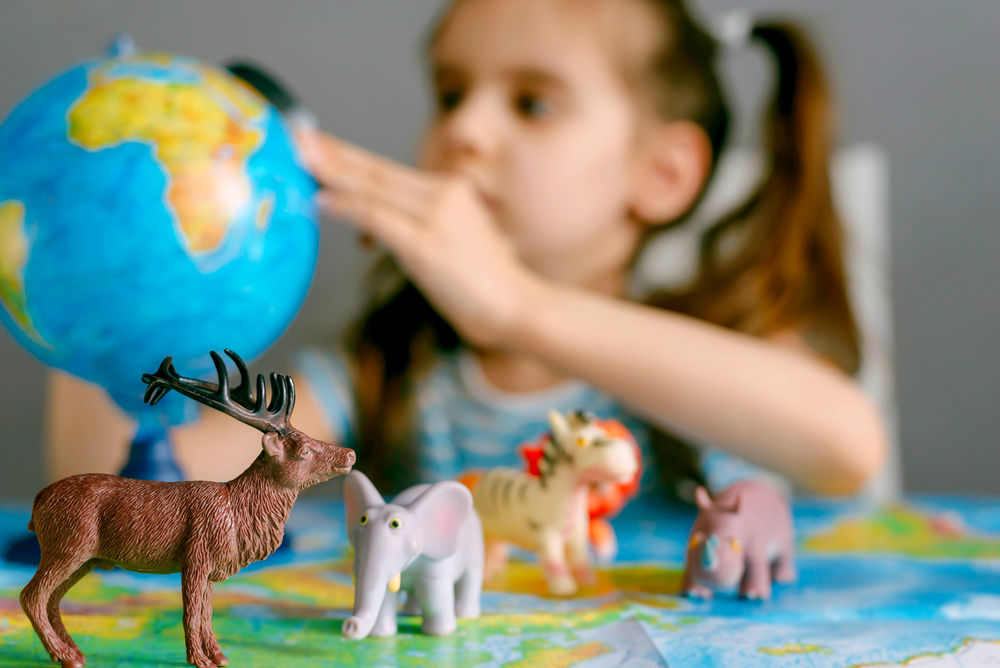

Color recognition and understanding basic geography are foundational skills that contribute to a child's holistic development, making them essential areas of focus for parents and teachers of children aged 5-6.
Firstly, color recognition is a building block for cognitive development. It enhances a child’s ability to identify and sort information, a key skill for learning in general. By knowing colors, children can better describe the world around them, communicate more effectively, and start to enjoy and engage more deeply in the process of learning, fostering creativity and confidence.
Geography for young children introduces concepts about the spatial relationships of the world they live in. It fosters an early appreciation for different cultures, places, and environments. By learning about maps, globes, and geographical terms, children can develop a spatial awareness that is critical for skills in science, mathematics, and general problem-solving. The understanding of basic geography helps children make connections between their immediate environment and the wider world, making abstract concepts more tangible.
Together, color recognition and geography encourage observational skills, boost memory retention, and promote inquisitive learning. They pave the way for future academic pursuits and support the growth of well-rounded, informed individuals. Parents and teachers play a crucial role in nurturing these skills through engaging and age-appropriate activities.








