Critical Thinking Social Studies Worksheets for Ages 5-6
14 filtered results
-
From - To
Our "Critical Thinking Social Studies Worksheets for Ages 5-6" foster young minds through engaging activities designed to stimulate curiosity and develop analytical skills. Tailored for early learners, these printable worksheets cover essential social studies topics while encouraging critical thinking. Children will explore communities, traditions, and basic geography, enhancing their understanding of the world. Each worksheet is crafted to promote problem-solving and independent thought, laying a solid foundation for future academic success. Perfect for both classroom and home use, these resources provide a fun and interactive way for kids to build important critical thinking skills. Download now to start the adventure!
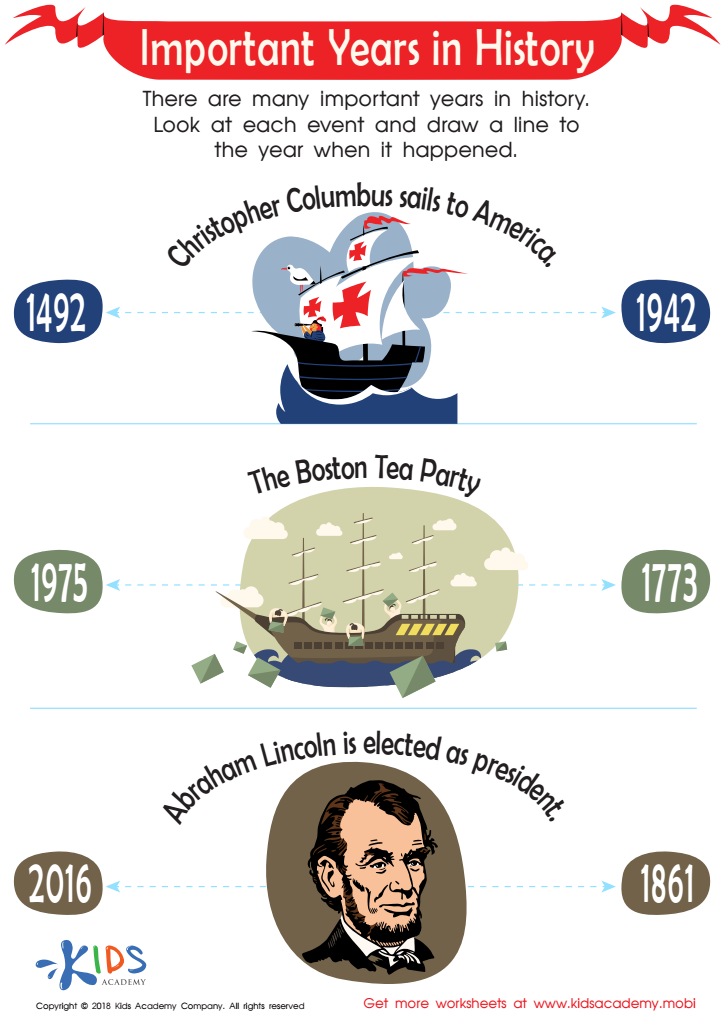
Important Years in History Worksheet
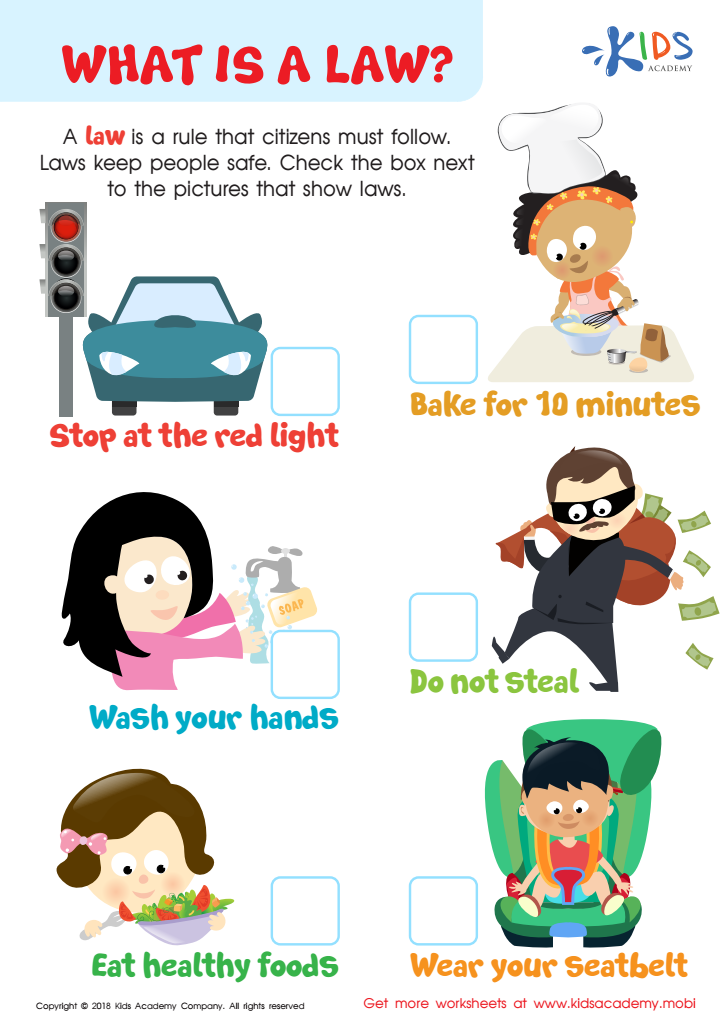
What is a Law? Worksheet
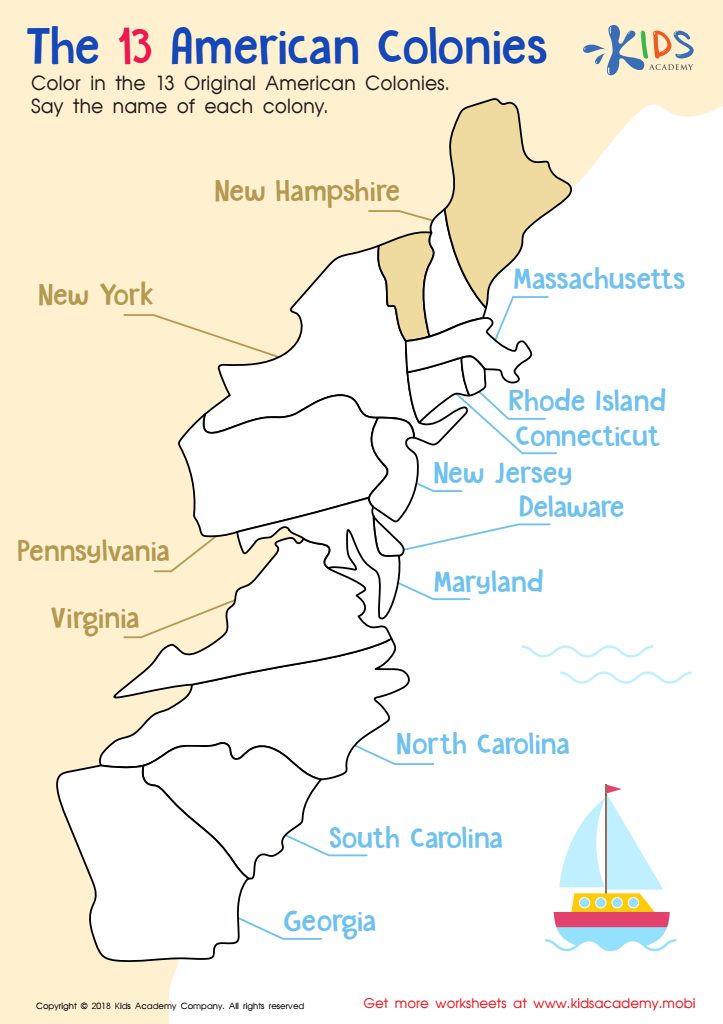
The 13 American Colonies Worksheet
 Assign to My Students
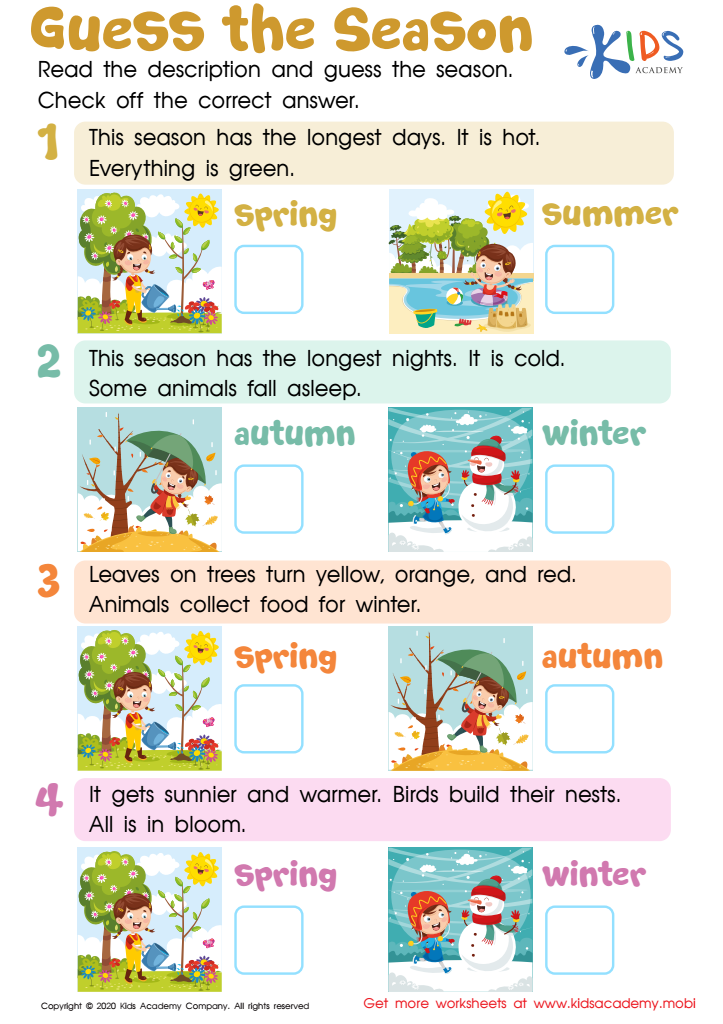
Guess the Season Worksheet
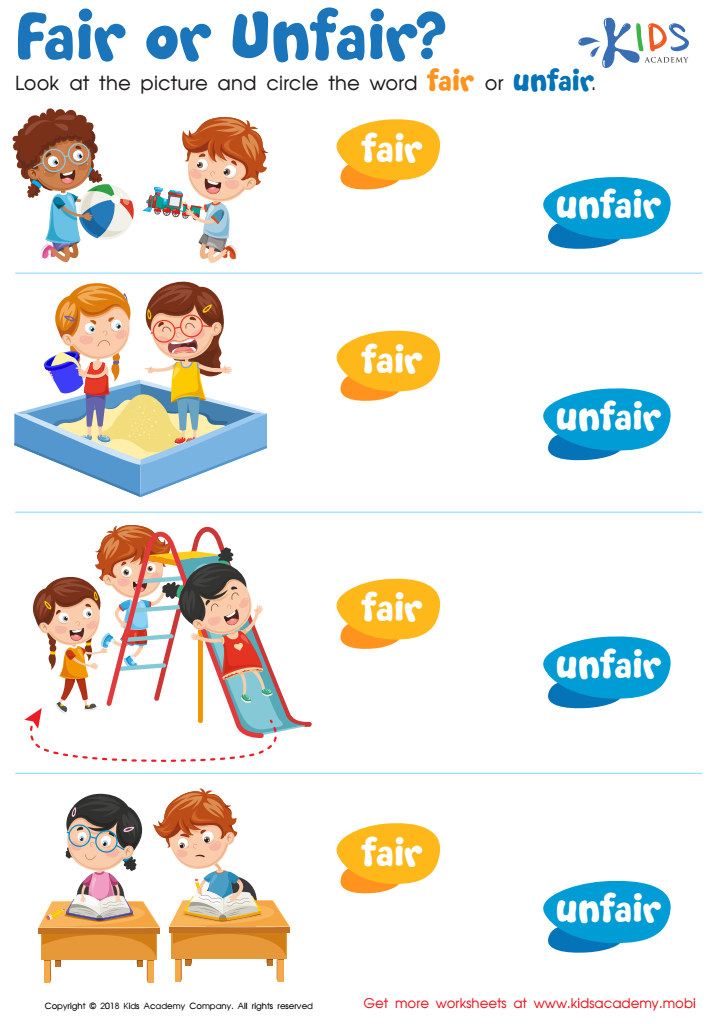
Fair or Unfair Worksheet
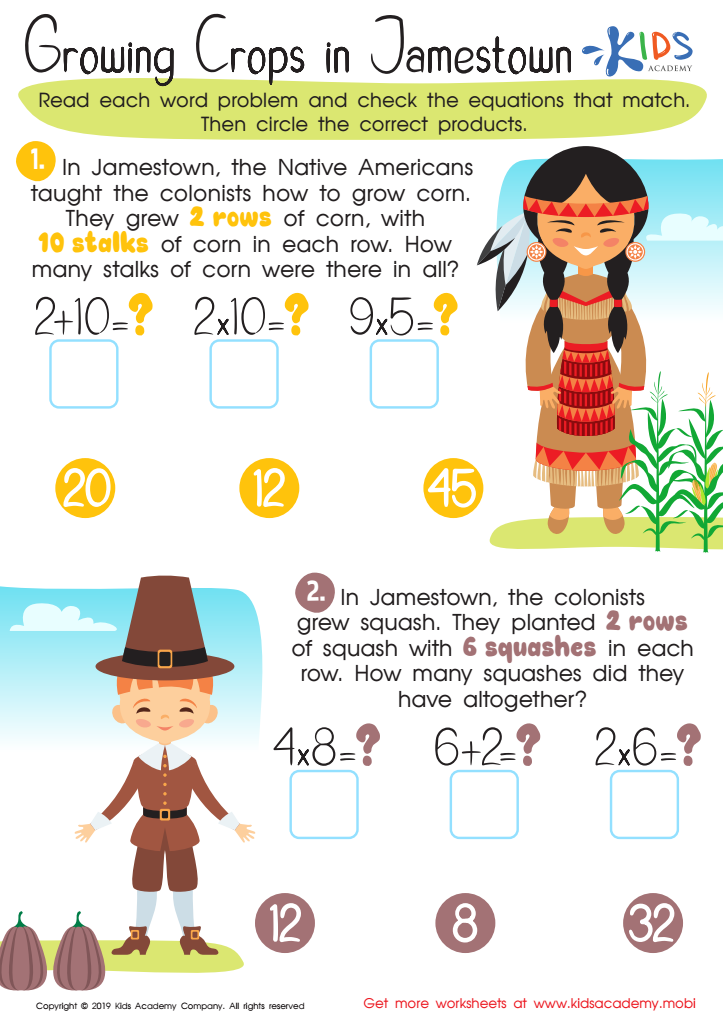
Growing Jamestown Worksheet
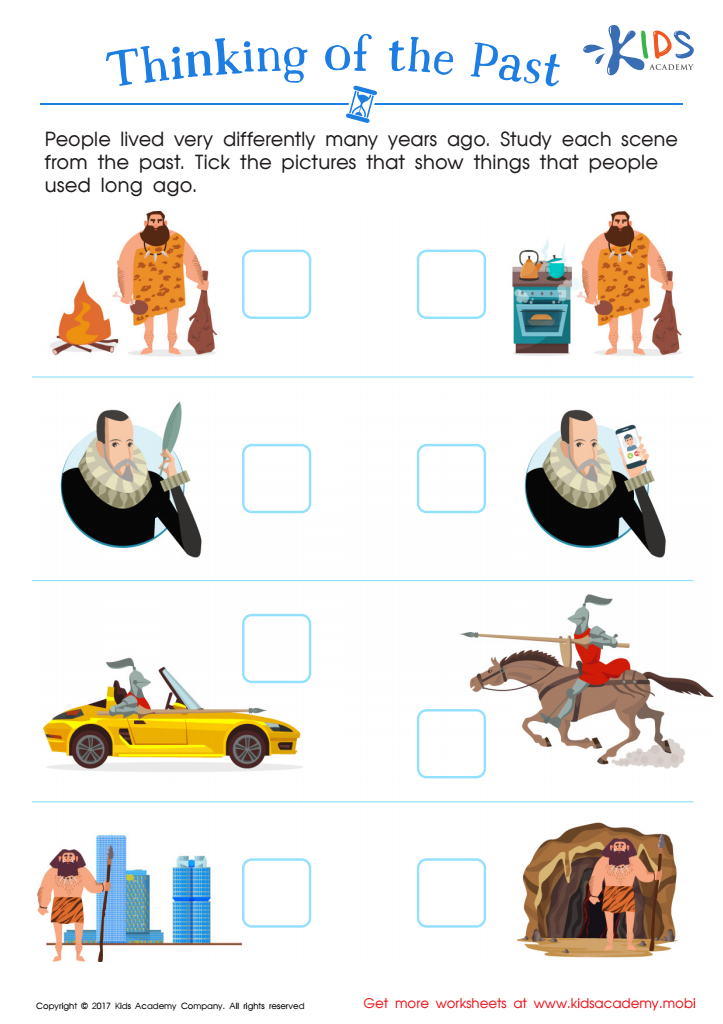
Thinking Past Printable

Thanksgiving Holiday Printable
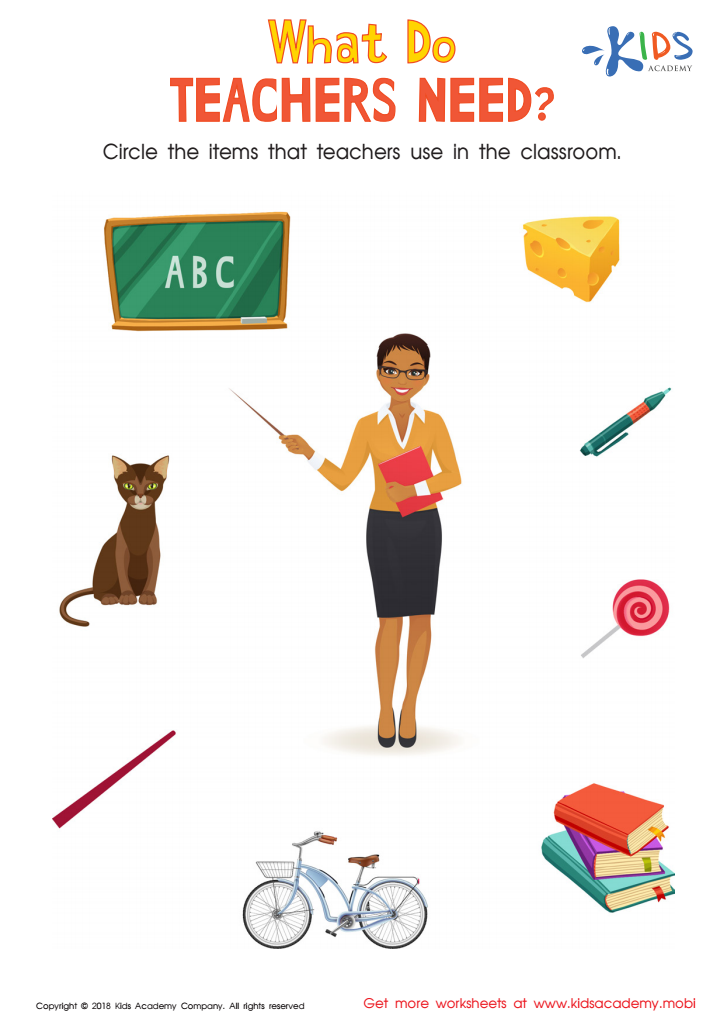
What Do Teachers Need Worksheet
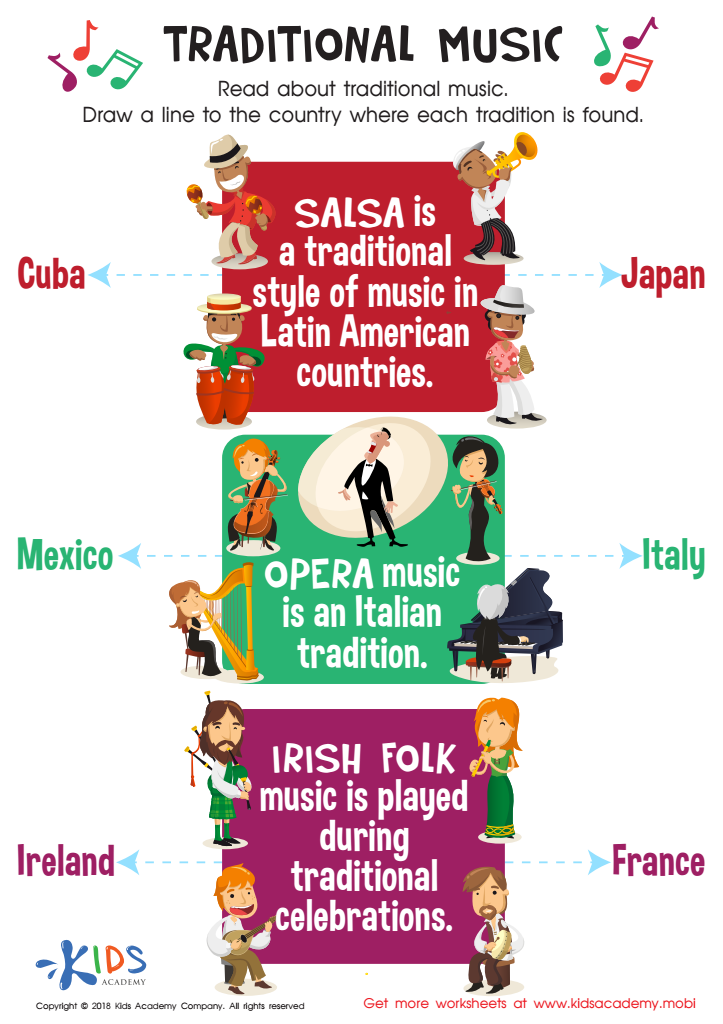
Traditional Music Worksheet
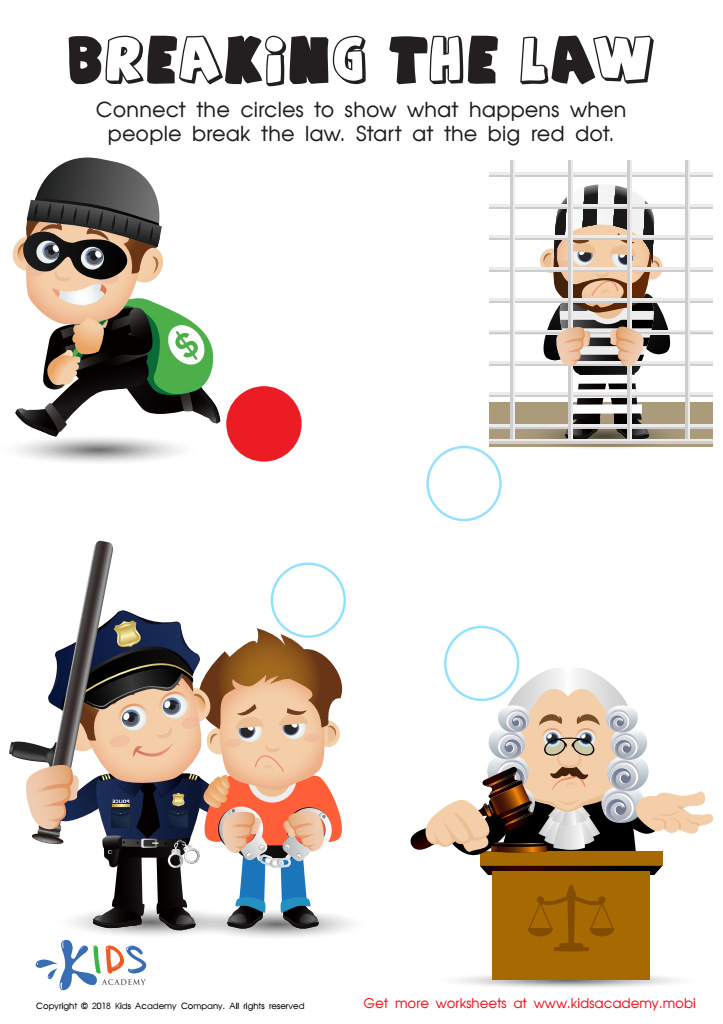
Breaking the Law Worksheet
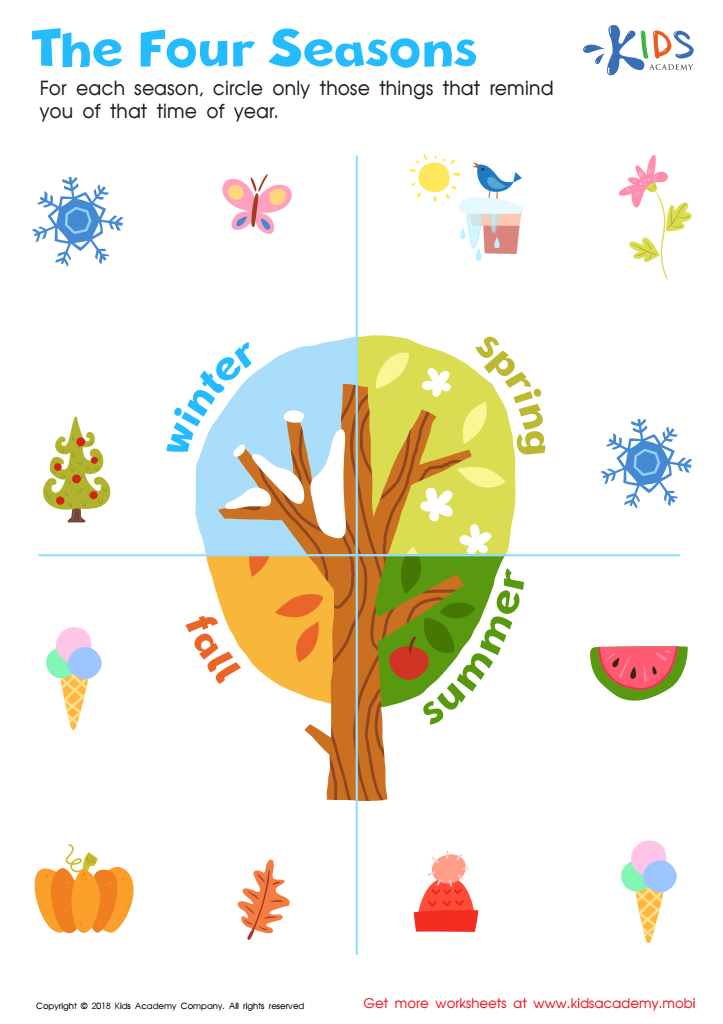
The Four Seasons Worksheet
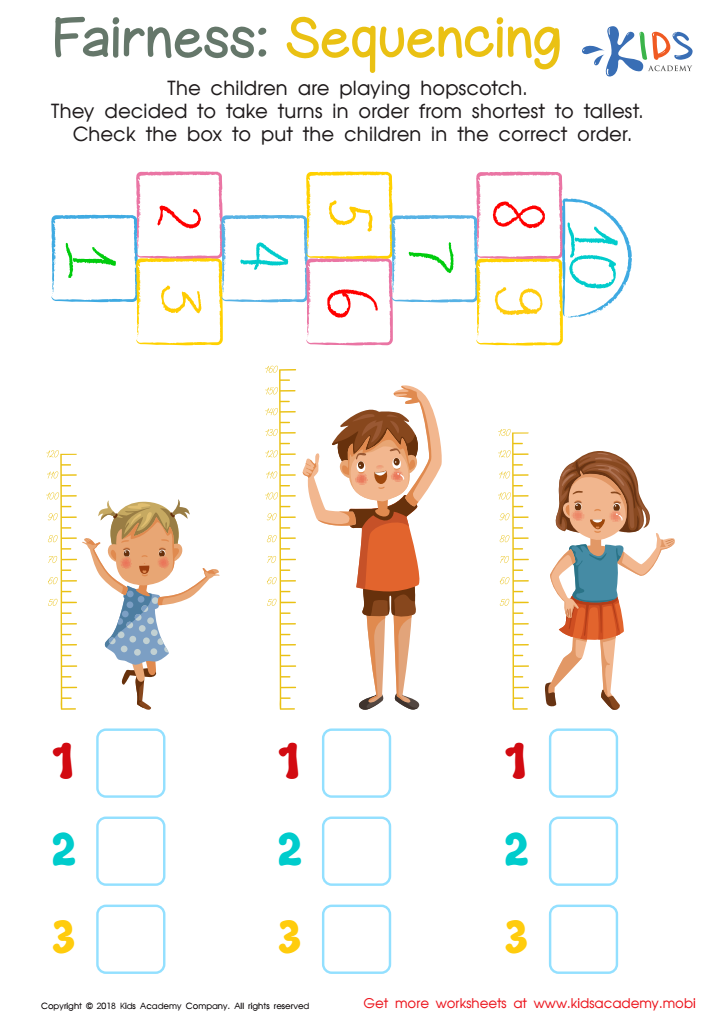
Fairness: Sequencing Worksheet
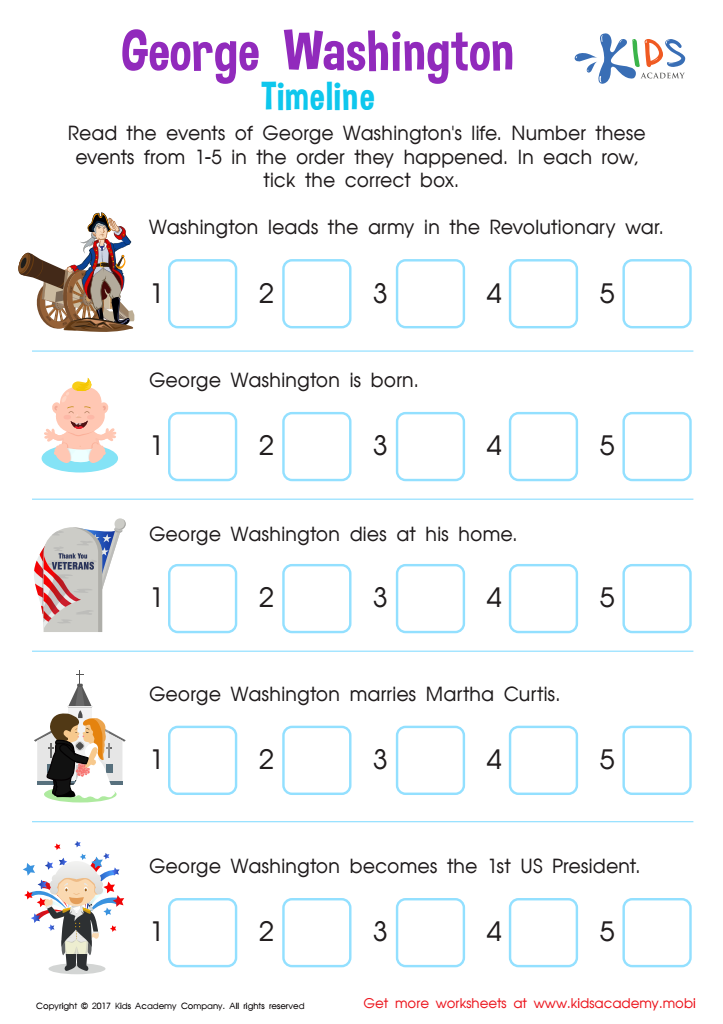
George Washington Timeline Worksheet








Parents and teachers should highly value Critical Thinking Social Studies for children ages 5-6 because it lays the foundation for essential lifelong skills and nurtures an informed, empathetic, and engaged future citizenry. At this formative stage, young minds are particularly receptive to exploring new ideas and ways of thinking. Introducing them to social studies encourages curiosity about the world, diverse cultures, and community dynamics.
Critical thinking in social studies encourages young children to question, analyze, and reflect rather than passively accept information. This nurtures their cognitive development and fosters independent thinking. By evaluating different viewpoints and considering various hypotheses, children strengthen their problem-solving and decision-making skills, which are crucial in and out of the classroom.
Moreover, social studies teach core values such as fairness, cooperation, and respecting different perspectives. Learning about history, geography, and community roles helps young children develop empathy and social awareness. These lessons contribute to emotional and social intelligence by understanding their place in the world and how their actions can impact others.
Embedding critical thinking into social studies at an early age doesn't just prepare children academically. It helps them grow into thoughtful, open-minded, and responsible adults who are capable of contributing positively to their communities and larger society. In essence, it's an investment in creating a well-rounded, reflective, and proactive future generation.








