Filters

6 filtered results

Clear all filters
Favorites
With answer key
Interactive

6 filtered results

Difficulty Level

Grade


Enhance your child's vocabulary and social studies knowledge with our engaging Vocabulary Building Worksheets for Ages 5-6. Designed to captivate young learners, these worksheets introduce essential vocabulary related to community, geography, history, and culture. With fun, age-appropriate activities, children will connect words to concepts, reinforcing their understanding of the world around them. Our printable resources are perfect for homeschooling or classroom use, promoting literacy and critical thinking skills in an interactive way. Let your little ones explore diverse topics while building their vocabulary effortlessly. Start their learning journey today with these delightful worksheets that make education exciting and enjoyable!

Check out this FREE Trial Lesson on Social Studies for age 5-6!

What Is a Community?

Favorites
With answer key
Interactive
  • 5-6
  • Vocabulary Building
  • Social Studies
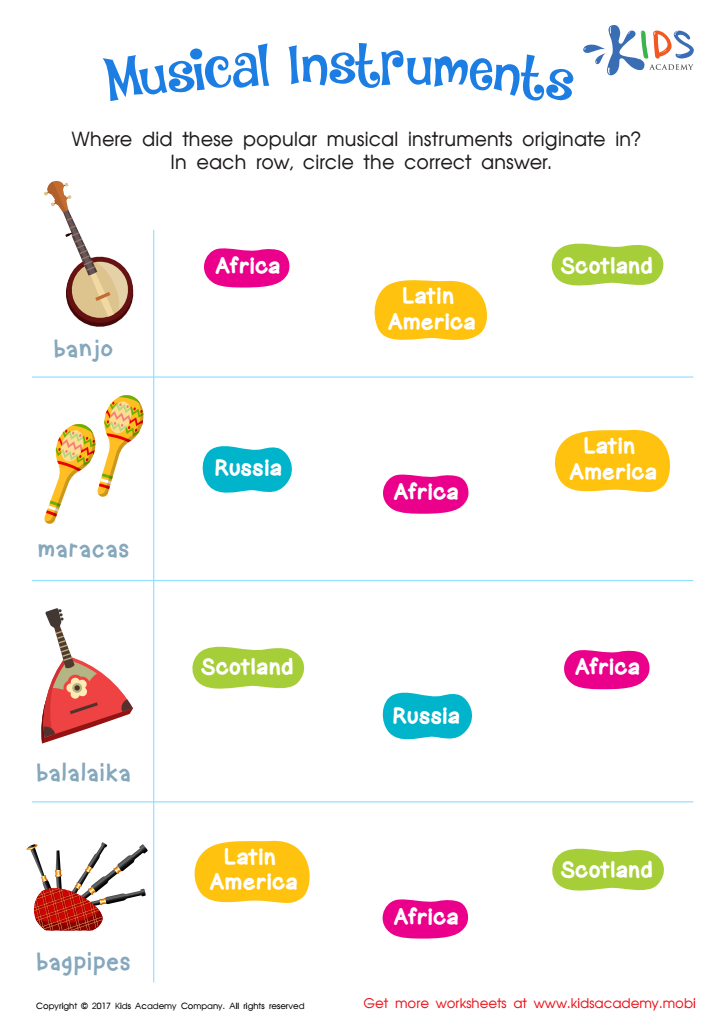
Musical Instruments Worksheet PDF

Musical Instruments Printable

Love for music is universal! Help your child explore this with this musical instruments worksheet PDF. From learning about different cultures to discovering new sounds, your child will gain a deeper appreciation for music and culture.
Musical Instruments Printable
Worksheet
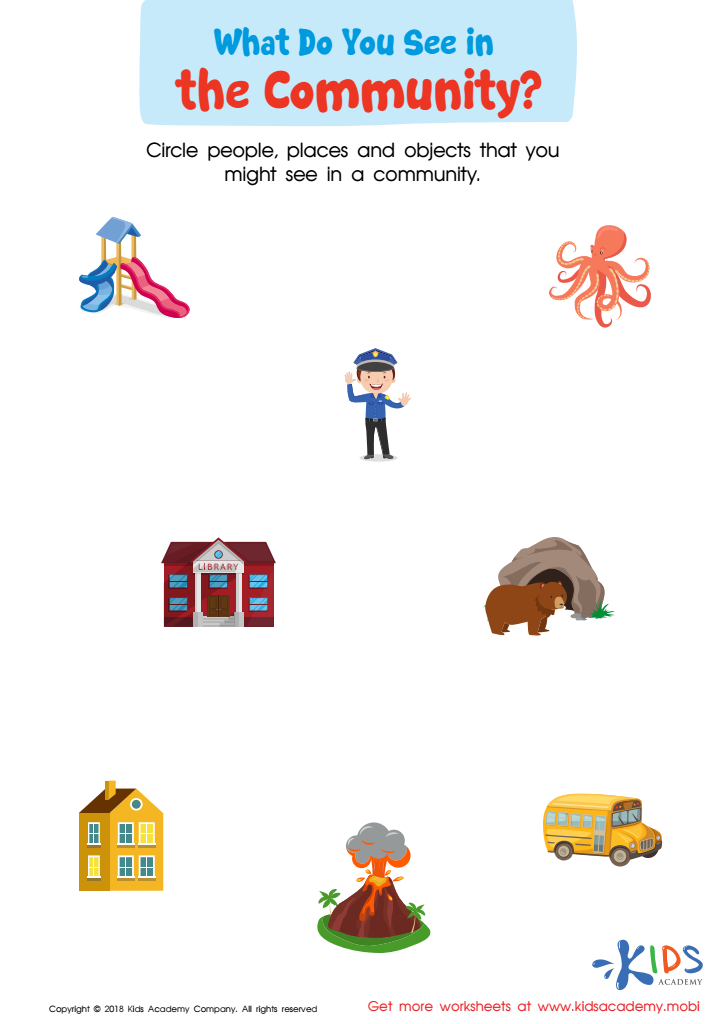
What Do You See in the Community Worksheet

What Do You See in the Community Worksheet

This free social studies PDF can help your children learn about their local community. They'll identify its members, places and objects using engaging and recognizable pictures. As they trace circles around them, they'll also practice fine motor skills. It's a great way to introduce social science concepts and help them understand the importance of community.
What Do You See in the Community Worksheet
Worksheet
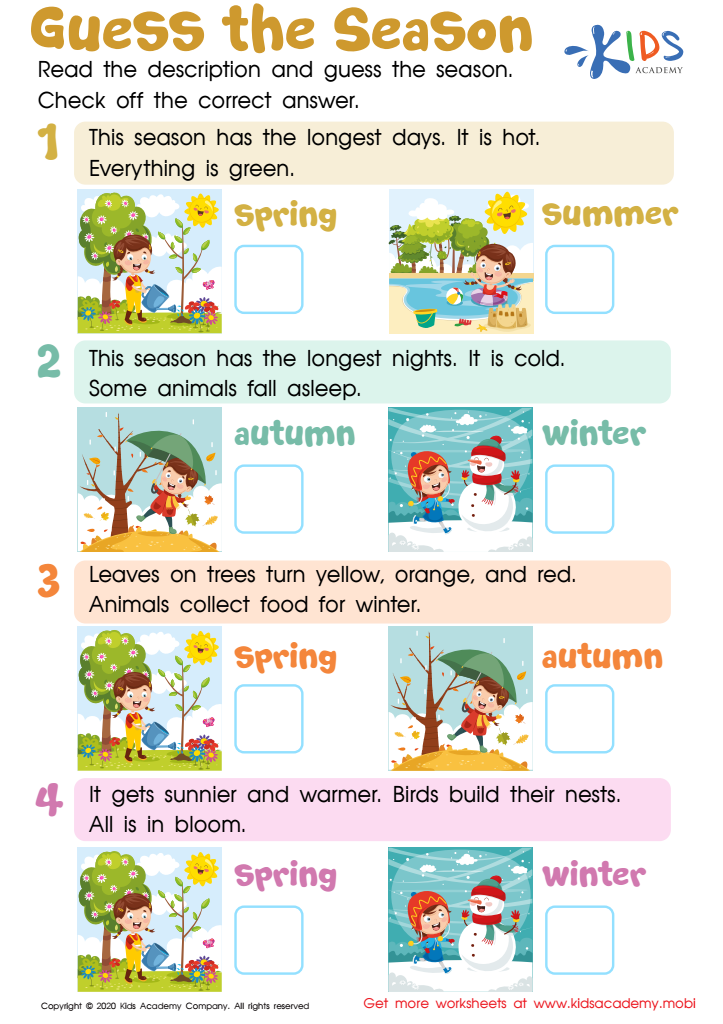
Guess the Season Worksheet

Guess the Season Worksheet

Winter and summer bring different weather! Help kids recognize the changes with this free Kids Academy PDF worksheet. Students read each description, look at the pictures, and check the box next to the season depicted. Make learning fun and easy with interactive activities.
Guess the Season Worksheet
Worksheet
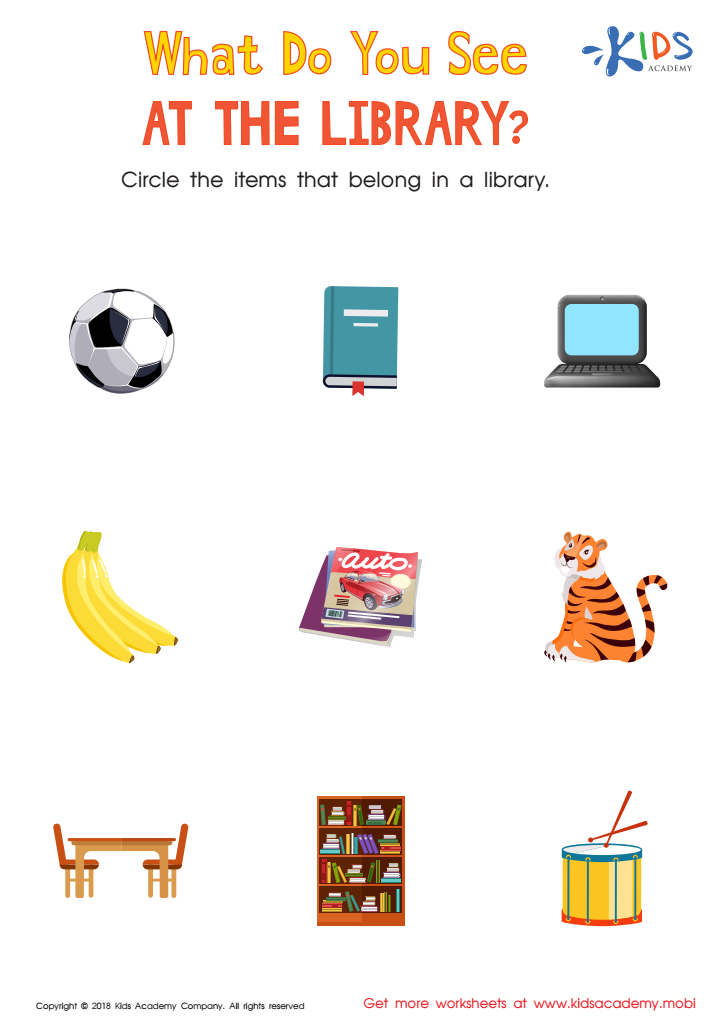
What Do you See at the Library? Worksheet

What Do you See at the Library? Worksheet

Let your kids look at the worksheet with pictures of objects found in libraries and those that don't. Ask them to list some, then circle the ones that belong in a library. Can they identify them? See if you can spot any they miss!
What Do you See at the Library? Worksheet
Worksheet
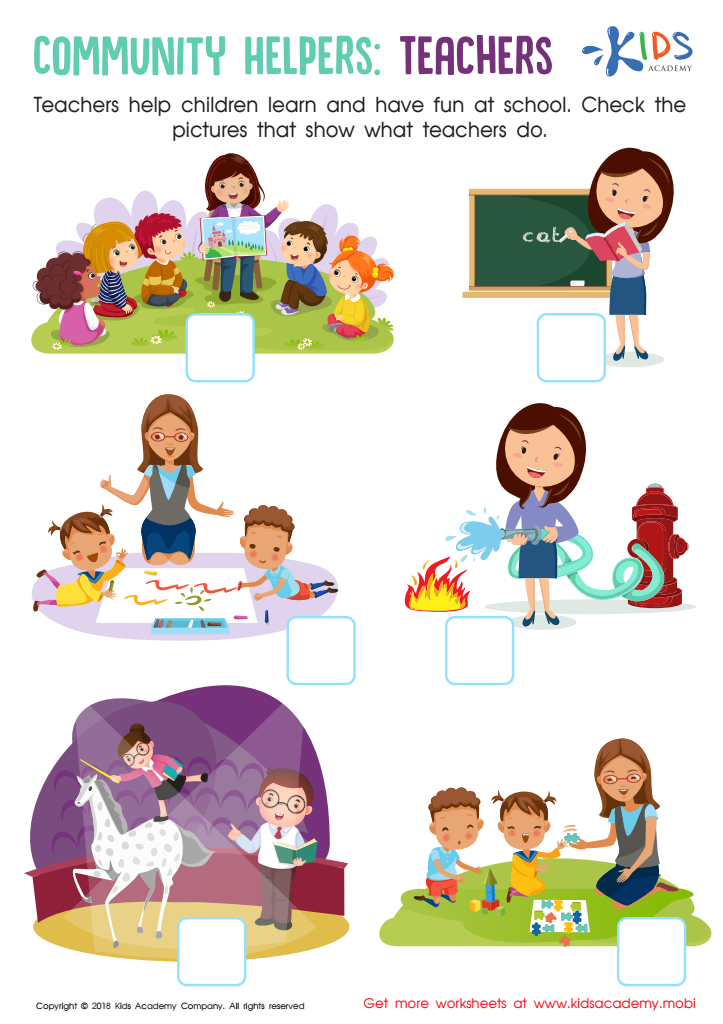
Teachers Community Helpers Worksheet

Teachers Community Helpers Worksheet

Ask your students to name some of the ways a teacher helps. Then, use this worksheet to show the right ways teachers can help. Have them check the boxes of the pictures that accurately depict what a teacher does. This is a great exercise to show your students how you help them learn and contribute to their community.
Teachers Community Helpers Worksheet
Worksheet
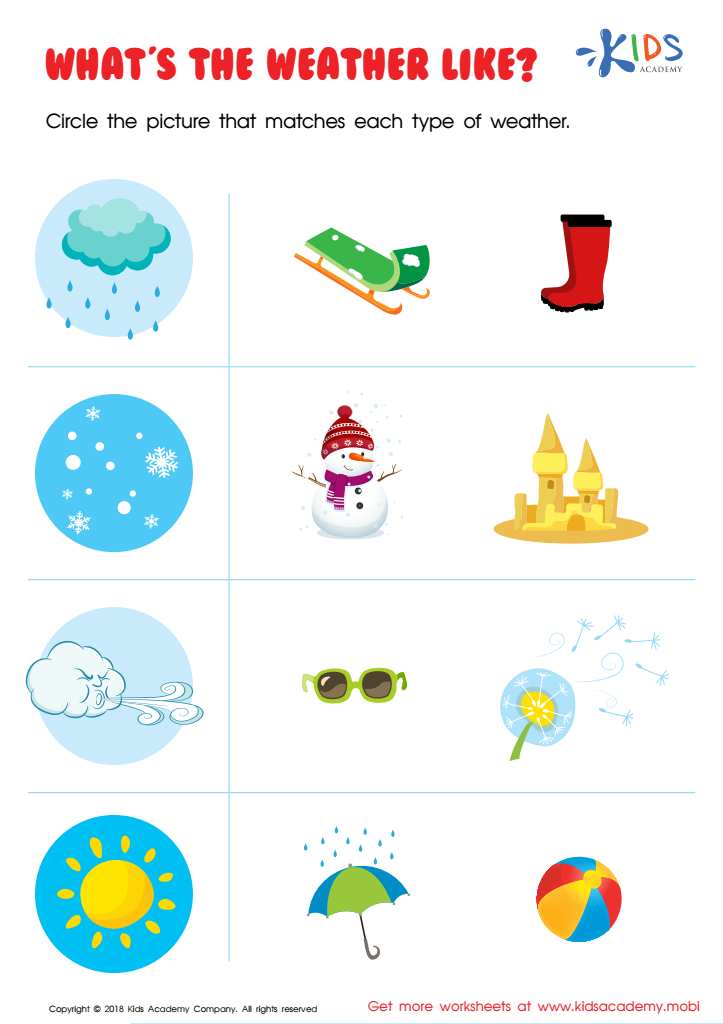
What's the Weather Like? Worksheet


What's the Weather Like? Worksheet

Help budding meteorologists practice matching weather to seasons with this PDF worksheet. Picture clues help identify seasons and fine motor skills are practiced circling the correct weather patterns. Bright and engaging characters make learning fun and reinforce weather knowledge.
What's the Weather Like? Worksheet

Worksheet


Vocabulary building in social studies for young learners aged 5-6 is crucial as it lays the foundation for their comprehension of the world around them. This developmental stage is where children begin to explore concepts of community, culture, and history. By engaging with rich vocabulary tied to social studies themes, they not only enhance their language skills but also their cognitive skills, social understanding, and critical thinking.

Parents and teachers should prioritize vocabulary development because it supports literacy skills that are essential for academic success. A robust vocabulary enables children to express their thoughts and ideas clearly and understand their surroundings better. For example, terms like "family," "neighborhood," or "celebration" helps children connect personal experiences to broader social concepts.

Furthermore, early exposure to social studies vocabulary fosters curiosity about different cultures and ways of life, promoting empathy and inclusivity. As they learn new words, children are encouraged to ask questions, engage in discussions, and develop a sense of identity and belonging. This, in turn, prepares them for further learning in history and geography, making vocabulary building an essential pillar of early education. In summary, investing in vocabulary growth is vital for cultivating informed, thoughtful, and engaged future citizens.