Number Recognition World Around Us Worksheets for Ages 5-6
3 filtered results
-
From - To
Discover our engaging Number Recognition World Around Us Worksheets designed specifically for children ages 5-6! These fun, interactive worksheets guide young learners in recognizing, writing, and understanding numbers through familiar themes in their daily lives. With colorful visuals and relatable scenarios, children will explore numbers in context—like counting objects and identifying them in their environment. Ideal for preschool and kindergarten classes, our worksheets promote essential math skills while fostering a love for learning. Dive into the joy of number exploration today, and give your child a head start on their mathematical journey! Perfect for home or classroom use!
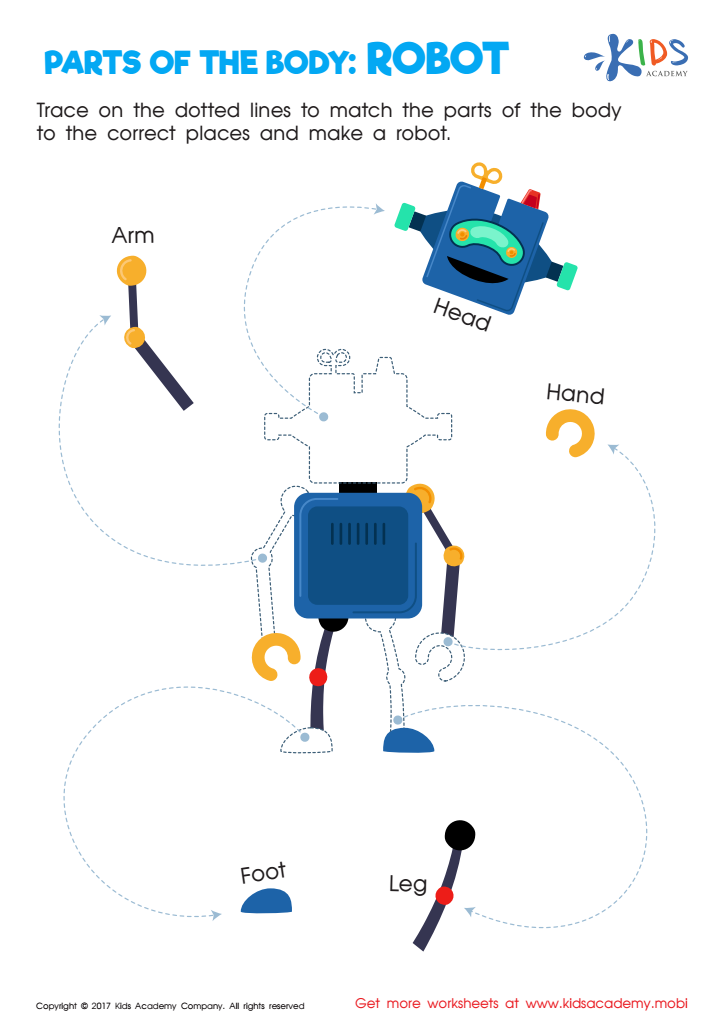
Robot Printable
 Assign to My Students
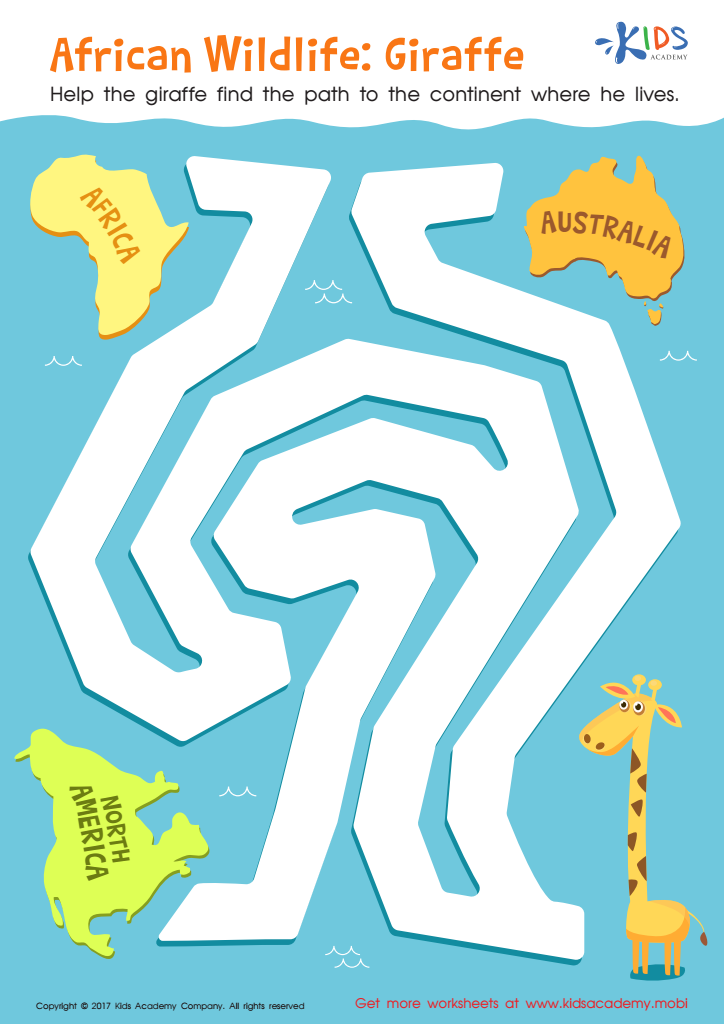
African Wildlife: Giraffe Worksheet
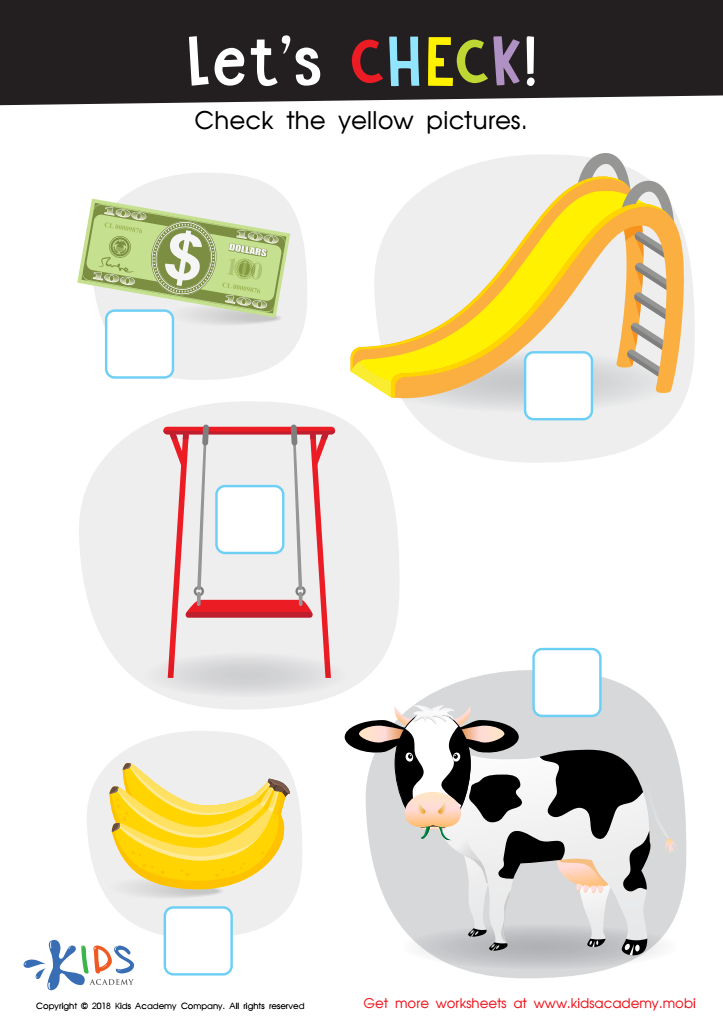
Let's Check! Worksheet








Number recognition is a foundational skill that plays a crucial role in early childhood education, particularly for children aged 5-6. Both parents and teachers should prioritize this skill as it extends beyond the classroom and into everyday life. Recognizing numbers is essential for developing literacy in mathematics, enabling children to identify quantities, compare sizes, and understand basic math concepts such as addition and subtraction.
By instilling number recognition through engaging activities, parents and teachers help children make connections between numbers and the world around them. For instance, observing numbers on street signs, clocks, or in grocery stores enhances their understanding of numerical concepts in practical situations. This familiarity not only contributes to cognitive development but also boosts confidence as children learn to navigate their environment.
Additionally, strong number recognition lays the groundwork for future success in more advanced mathematics. When children are comfortable with numbers, they are more willing to explore mathematical concepts, solve problems, and engage in logical thinking. Encouraging number recognition fosters a positive attitude toward math, shaping lifelong learners who view mathematics as an accessible and integral part of their lives. Thus, parents and teachers actively support children's growth and enhance their preparedness for future academic challenges.