Letter recognition Letter D Worksheets for Ages 5-7
3 filtered results
Difficulty Level
Grade
Age
-
From - To
Subject
Activity
Standards
Explore our engaging Letter D Worksheets designed for children ages 5-7 to solidify letter recognition skills! These fun, educational printables are perfect for young learners just beginning their literacy journey. With varied activities such as tracing, matching, and identifying the letter D across different contexts, these worksheets foster a comprehensive understanding of this essential building block. Ideal for both classroom use and homeschooling, our expertly crafted materials ensure an enjoyable and productive learning experience. Enhance your child’s alphabet knowledge and kickstart their reading success with our innovative and easy-to-use Letter D Worksheets!
Favorites
With answer key
Interactive
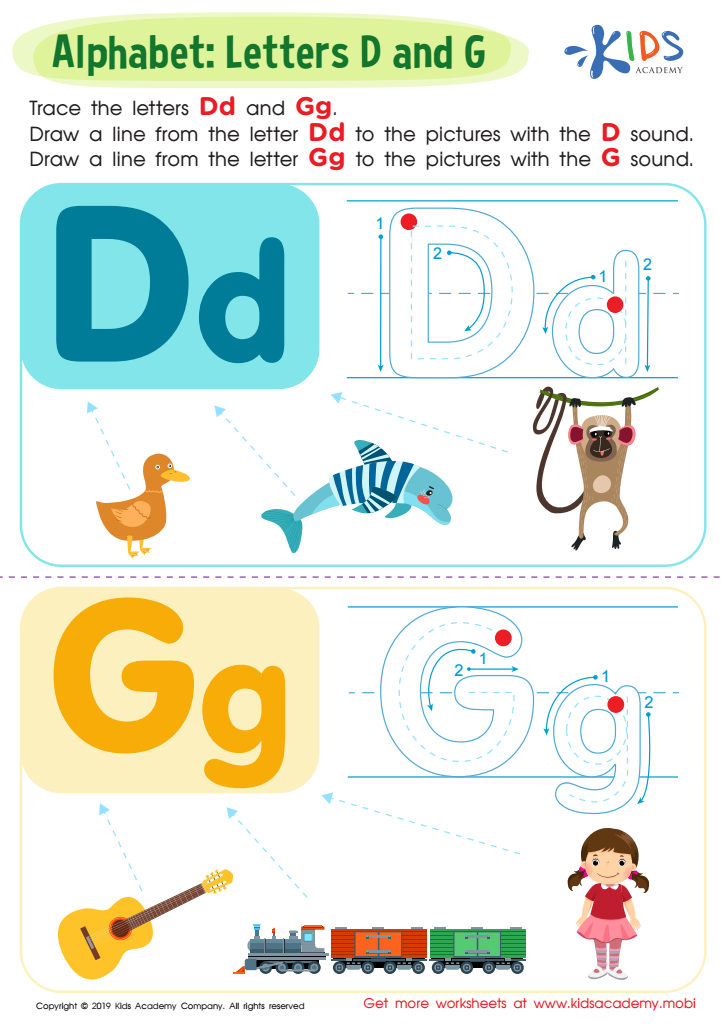
Letter D and G Tracing Worksheet
Kids can explore their imagination with the 'Alphabet: Letters D and G' worksheet! They'll trace capital and lowercase "D" and "G" and trace a line from the words. Colorful animals and objects make the task more fun and entertaining!
 Assign to My Students
Letter D and G Tracing Worksheet
Worksheet
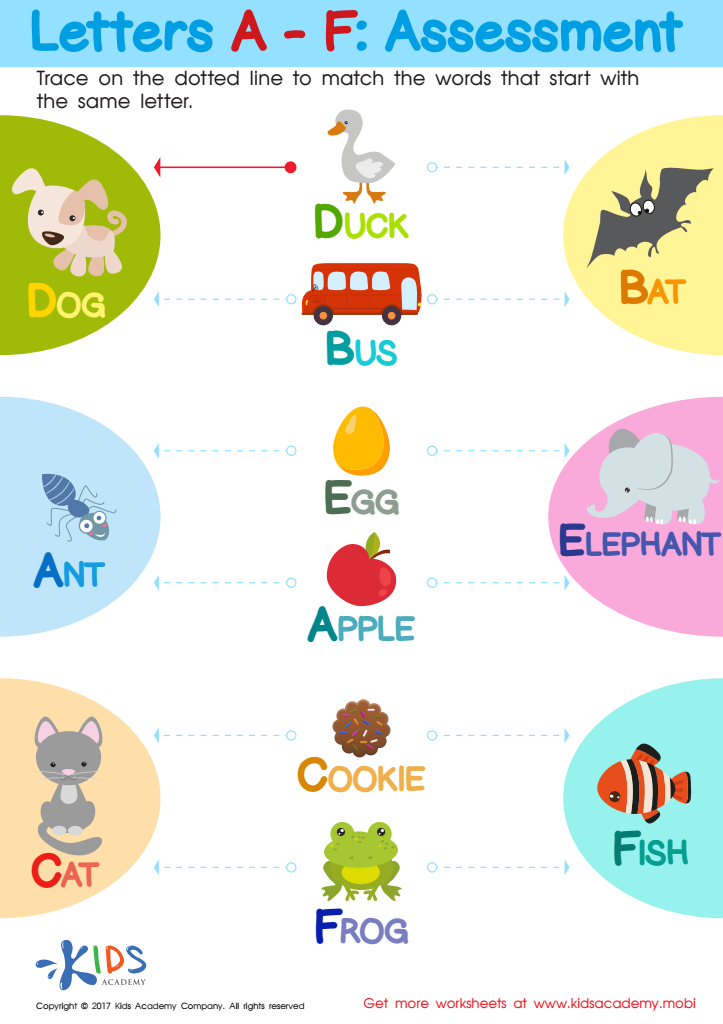
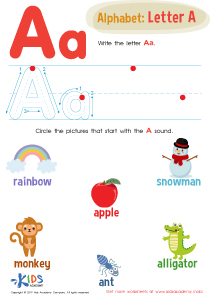
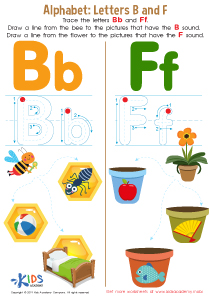
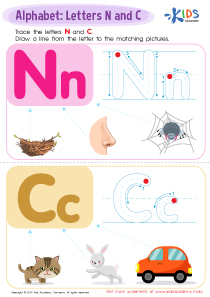
Letters A - F Worksheet
Help your child develop their reading skills with this fun phonics worksheet aimed at preschoolers. They can match letters A-F using colorful words and pictures. Assist your child by sounding out the letters and words - it's a great way to learn!
Letters A - F Worksheet
Worksheet

Letter D Tracing Page
Trace and write capital and lowercase letter "D" with our free printable alphabet worksheet! Be careful not to mix up "b" and "d" - just look at the ducks and write their first letter. The dolphin wants to join the fun too - do you like dolphins? Get more fun worksheets and activities at Kids Academy!
Letter D Tracing Page
Worksheet
Join Kids Academy for Free
Who is primarily going to use this learning content?






Letter recognition is a fundamental stepping stone in early literacy, and focusing on the letter "D" holds particular importance for children aged 5-7. At this crucial developmental stage, recognizing and understanding letters sets the groundwork for reading and writing proficiency. By familiarizing children with the letter "D", parents and teachers can facilitate better alphabetic knowledge, a key predictor of later reading success.
The letter "D" is frequently encountered in everyday language, appearing in common words such as "dog", "dad", and "door". Recognizing the letter equips children to decode these familiar terms, boosting their confidence and motivating further learning. Moreover, differentiating the letter "D" from similar-looking letters, like "B" and "P", enhances visual discrimination skills, which are essential for accurate reading and spelling.
Engaging activities like tracing, singing alphabet songs, and incorporating "D" words in conversation make learning interactive and enjoyable, reinforcing this key concept. As children become confident in identifying the letter "D", they also refine motor skills by writing the letter and connect phonetic sounds, foundational elements of phonemic awareness.
Ultimately, a strong grasp of letter recognition, including the crucial letter "D", sets young learners on a path of academic confidence, equipping them with the early skills required for literacy development and overall educational success.