Motor skills development Letter Recognition Worksheets for Ages 5-7
5 filtered results
-
From - To
Unlock your child's potential with our engaging "Motor Skills Development Letter Recognition Worksheets" tailored for ages 5-7. Designed to blend fun and learning, these worksheets enhance fine motor skills while reinforcing letter recognition. Kids will enjoy tracing, coloring, and engaging in hands-on activities that foster coordination and dexterity alongside literacy. Each interactive worksheet encourages active participation, making learning enjoyable and effective. Perfect for home or classroom use, our resources support early literacy development and prepare young learners for academic success. Explore our collection today and watch as your child builds confidence in their writing and letter identification skills!

Letter H Tracing Page
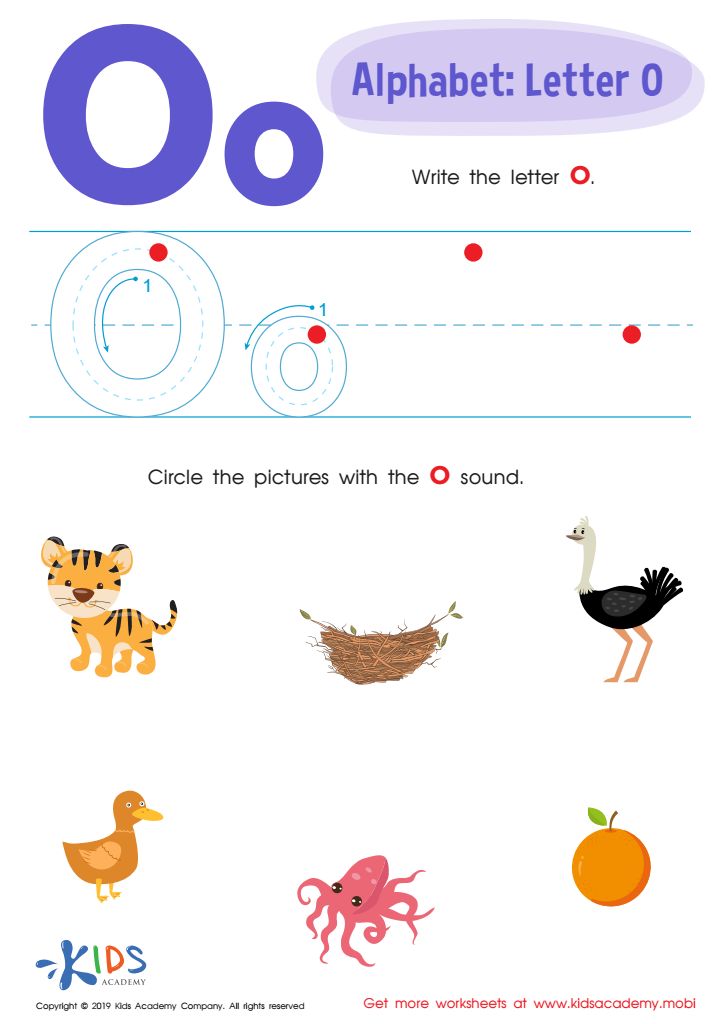
Letter O Tracing Worksheet
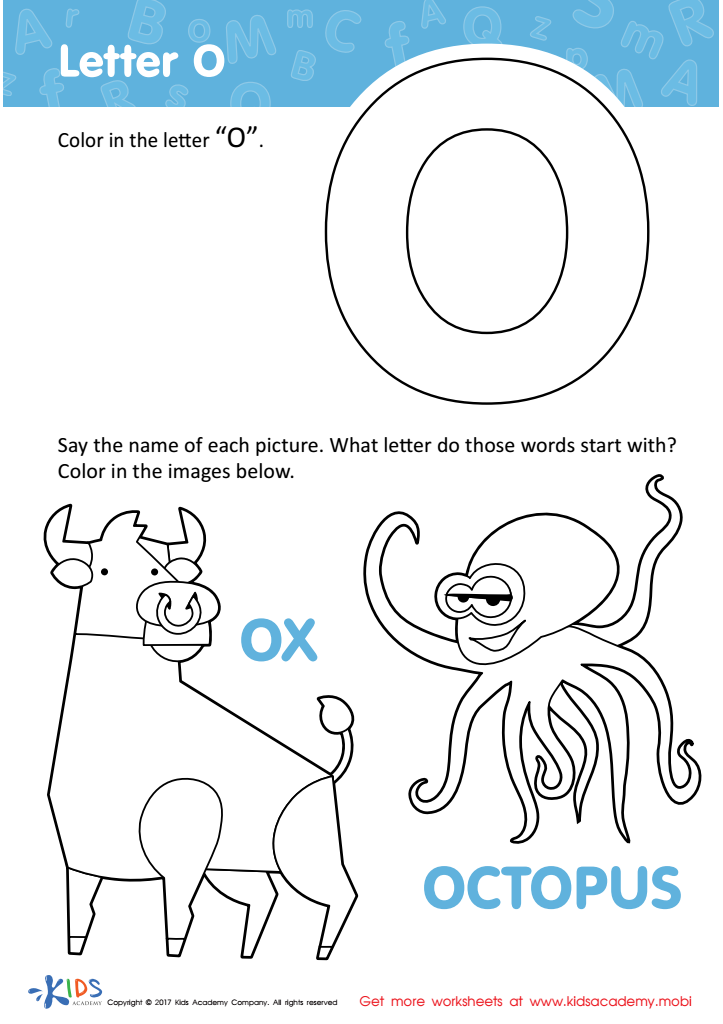
Letter O Coloring Sheet
 Assign to My Students
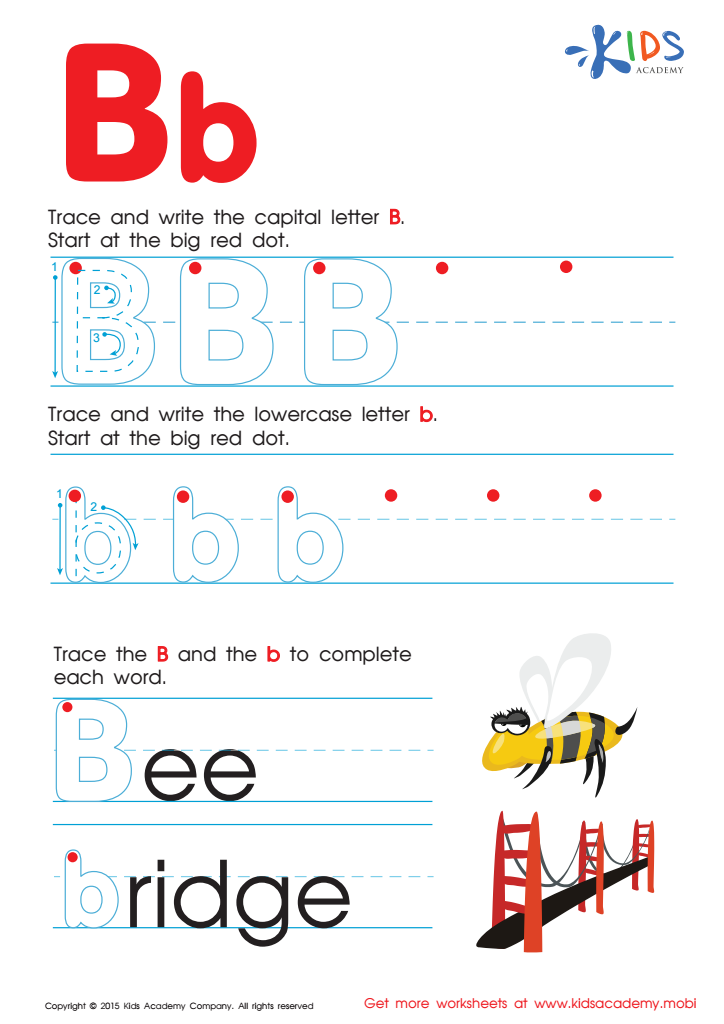
Letter B Tracing Page
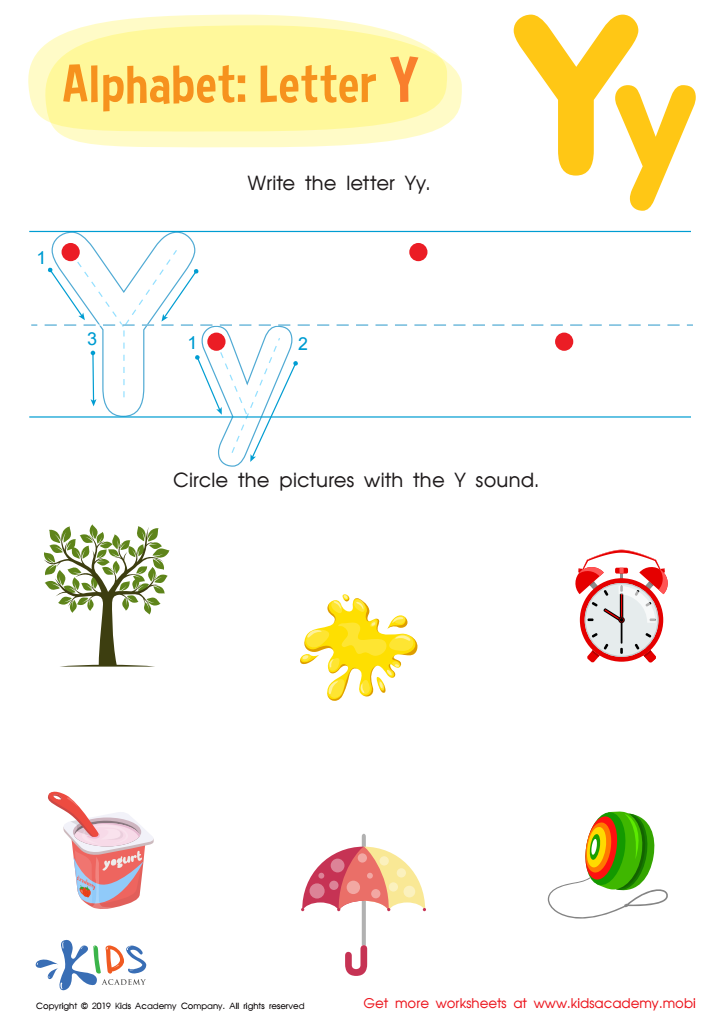
Letter Y Tracing Worksheet








Motor skills development and letter recognition are critical elements in early childhood education for children ages 5-7. Parents and teachers should be invested in these areas because they form the foundation for academic success and overall cognitive development.
Fine motor skills involve the small muscles of the hands and fingers, which are essential for writing, typing, and other educational tasks. As children learn to manipulate objects, they enhance their coordination and dexterity, empowering them to confidently engage in learning activities. This fine motor control not only supports better handwriting but also fosters independence through self-care tasks like buttoning clothes and using utensils.
Concurrent with motor skills, letter recognition is vital for literacy development. Familiarity with letters enables children to decode words and fosters reading fluency. As they connect sounds to letters, they develop essential reading strategies that will contribute to their comprehension and writing abilities.
By focusing on these developmental areas, parents and teachers can create a rich learning environment that encourages exploration and communication. Investing in motor skills and letter recognition sets the stage for lifelong learning, helping children establish the confidence and tools necessary to navigate academic challenges in the future.







