Uppercase identification Upper & Lowercase Letters Worksheets for Ages 5-7
5 filtered results
-
From - To
Discover our engaging Uppercase Identification Worksheets designed for children ages 5-7! These interactive resources focus on helping young learners distinguish between uppercase and lowercase letters in a fun and educational way. Each worksheet features colorful illustrations and child-friendly activities that promote letter recognition and enhance early literacy skills. As kids practice identifying uppercase letters through various exercises, they'll build confidence and a strong foundation for reading and writing. Perfect for classrooms or at-home learning, these worksheets make mastering letter identification enjoyable and effective! Spark your child's love for learning with our Uppercase Identification Worksheets today!
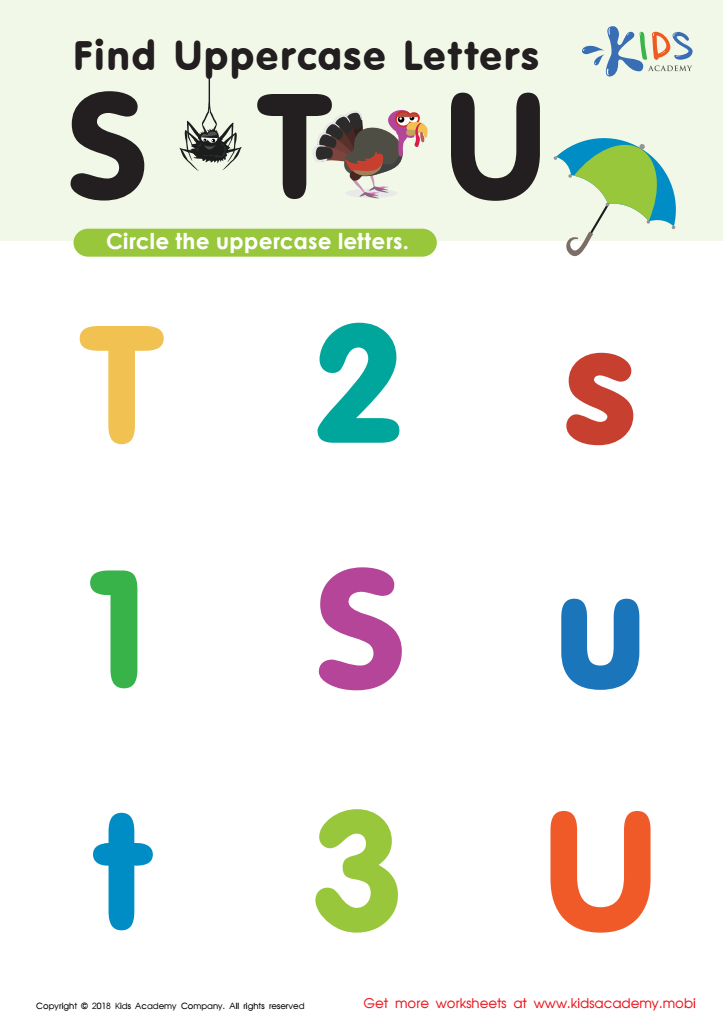
Find Uppercase Letters Worksheet
 Assign to My Students

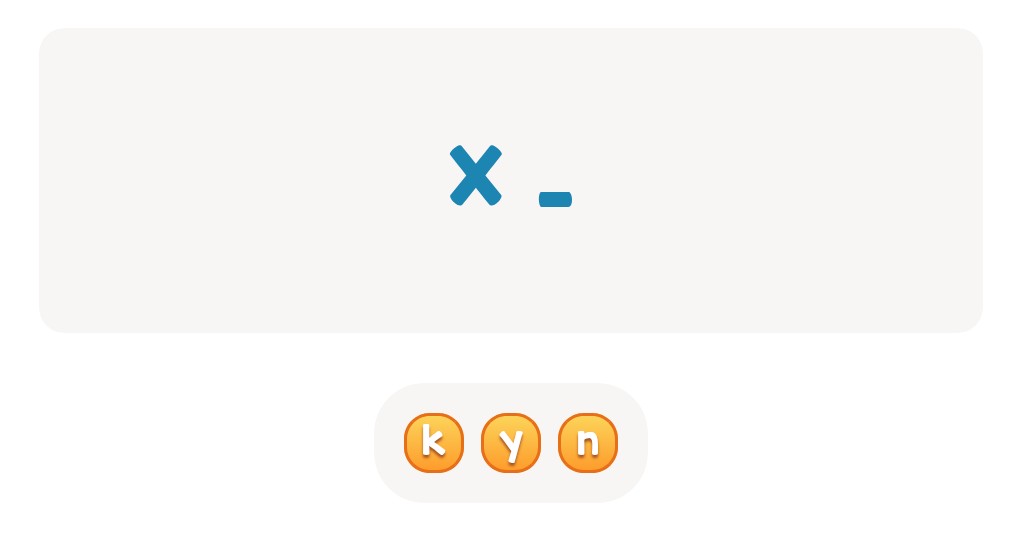
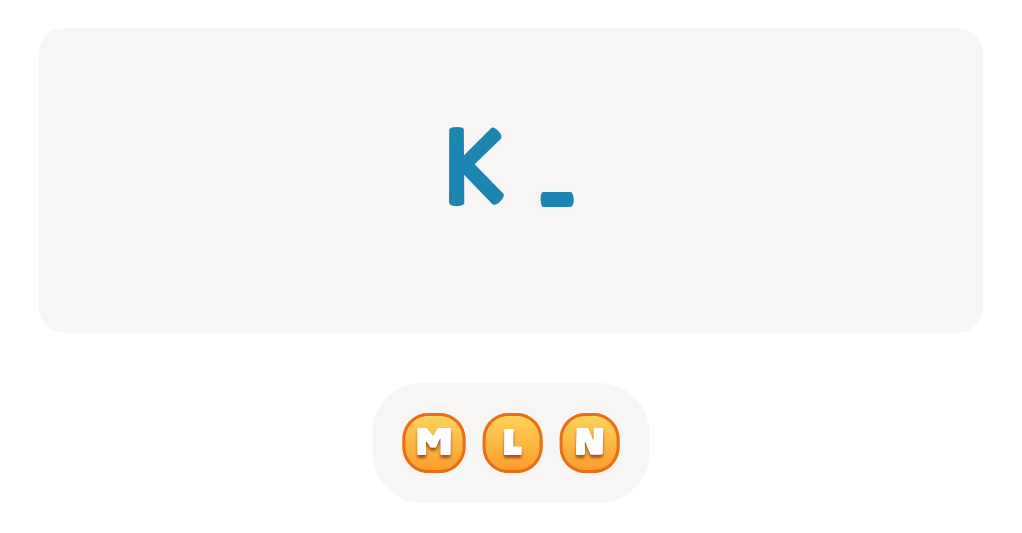
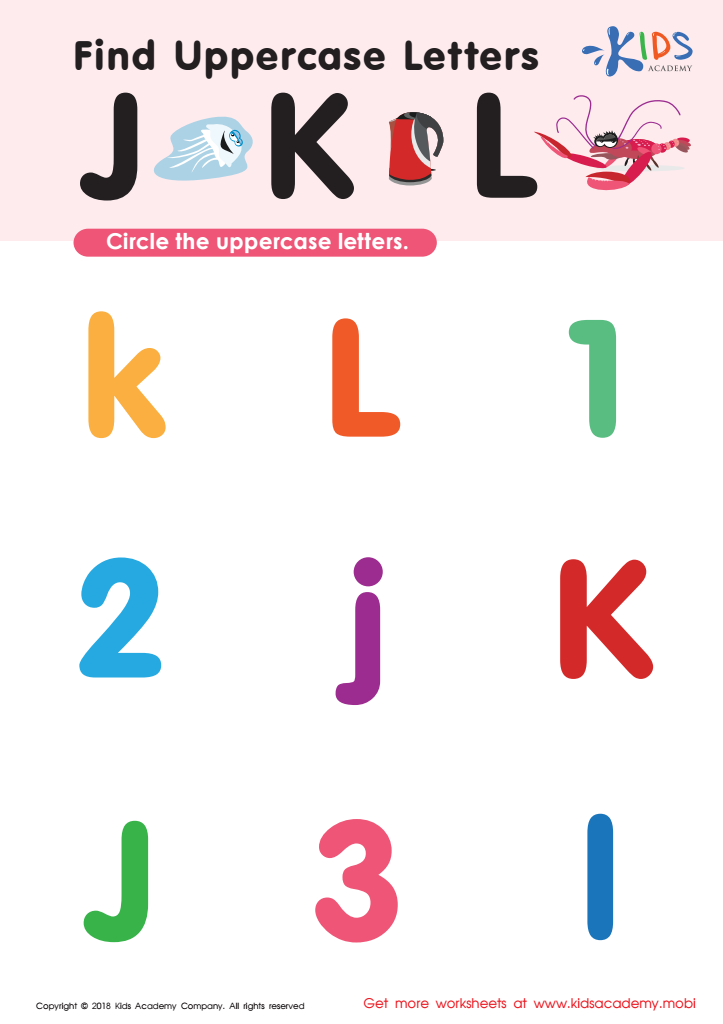
Find Uppercase Letters J, K, and L Worksheet

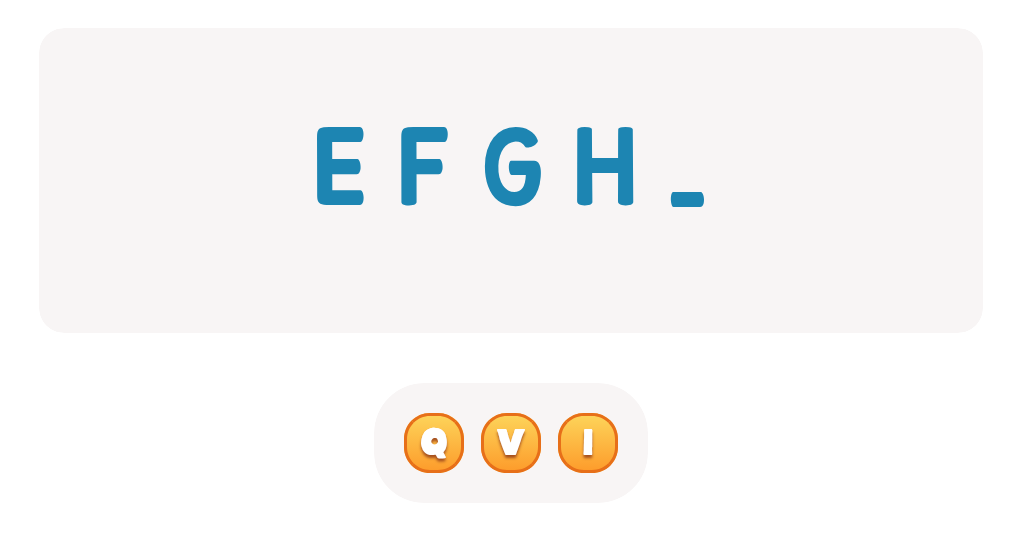
Find Uppercase Letters A, B, and C Worksheet
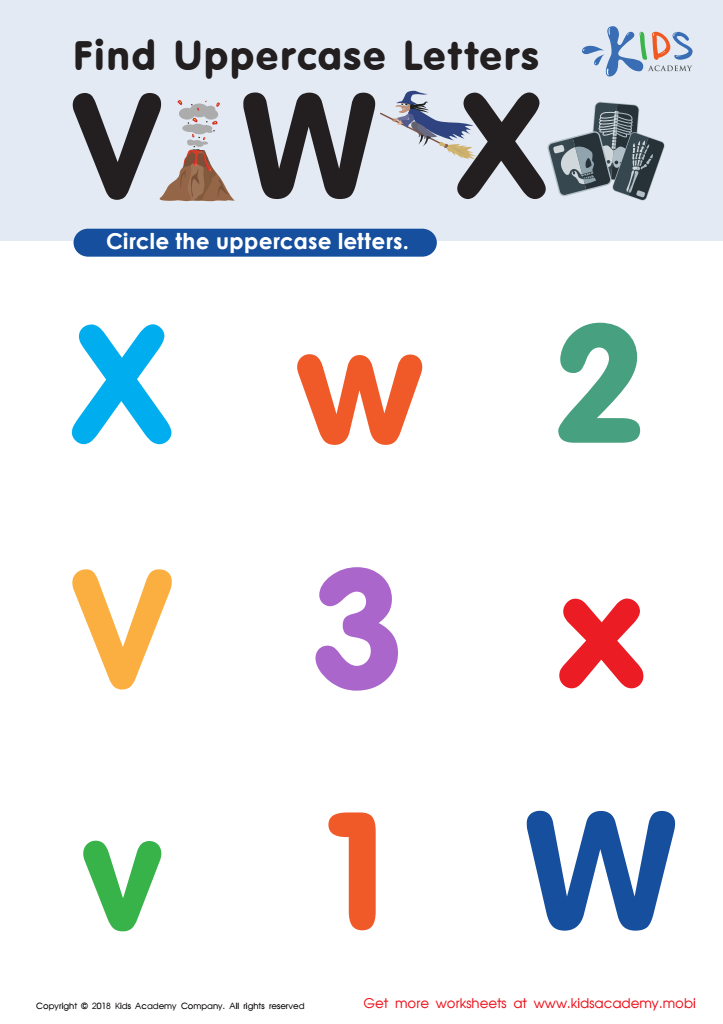
Find Uppercase Letters V, W, X Worksheet
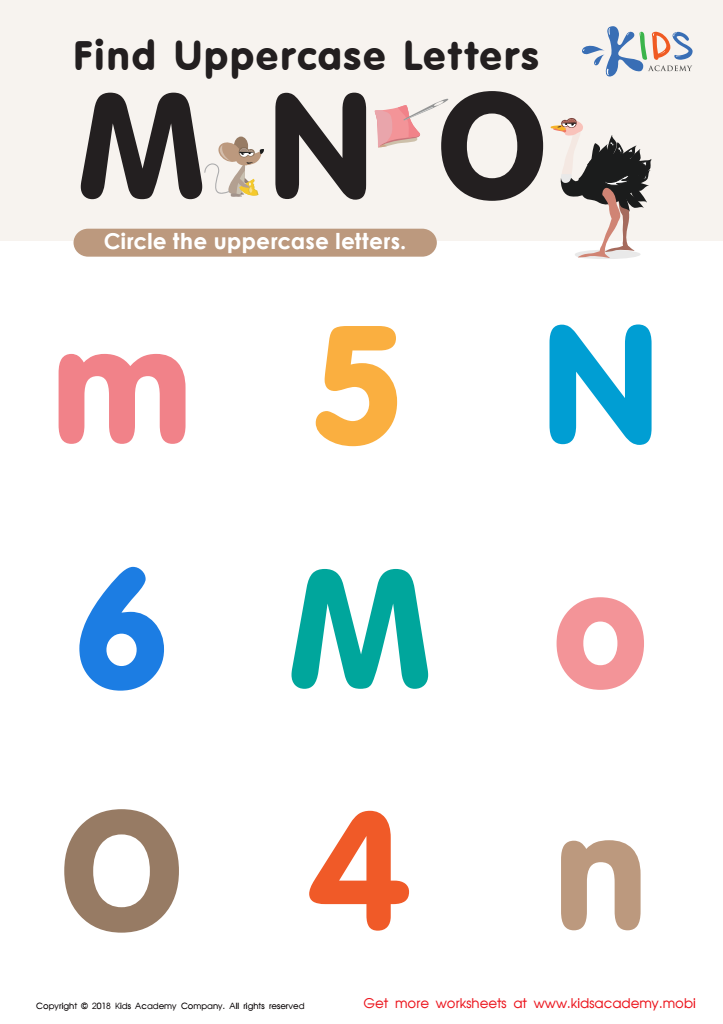
Find Uppercase Letters M, N, and O Worksheet






Uppercase and lowercase letter identification is crucial for children aged 5-7, as it lays the foundation for literacy development. Understanding the difference between uppercase and lowercase letters is essential for reading and writing skills, which are vital in their educational journey.
Firstly, uppercase letters signal the beginning of sentences and proper nouns, providing meaning and structure in reading. Recognizing these letters helps students understand punctuation and sentence formation, which is essential for effective communication.
Secondly, both forms of letters appear frequently in texts that children encounter, making it essential for them to recognize and differentiate between the two. This knowledge aids in developing phonemic awareness—a key skill needed for spelling and decoding unfamiliar words.
From a teaching perspective, mastering uppercase and lowercase letters reinforces other concepts such as alphabetization and word recognition, which are critical as children progress through their schooling.
Moreover, proficiency in letter recognition builds confidence, allowing children to express themselves through writing and gain engagement in reading activities. By focusing on these alphabetic principles early on, parents and teachers can encourage a love for literacy, setting the stage for academic success and lifelong learning.







