Visual discrimination Upper & Lowercase Letters Worksheets for Ages 5-7
4 filtered results
-
From - To
Boost your child's reading skills with our "Visual Discrimination Upper & Lowercase Letters Worksheets" designed for ages 5-7. These engaging activities help young learners identify and differentiate between uppercase and lowercase letters, enhancing their visual discrimination abilities. By recognizing letter shapes and distinguishing their differences, kids build a strong foundation for reading and writing. Our worksheets are perfect for both classroom and home use, providing interactive, educational fun. Encouraging hands-on learning, they support children in mastering the alphabet with confidence. Explore our range of printable worksheets to help your child achieve literacy success.
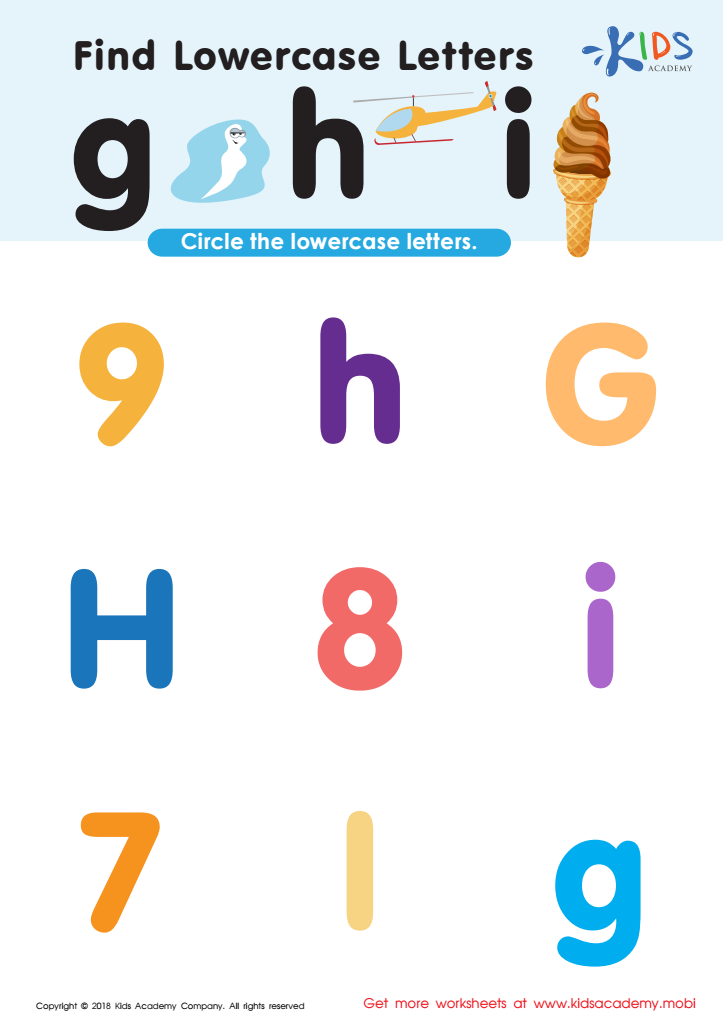
Find Lowercase Letters g h i Worksheet
 Assign to My Students







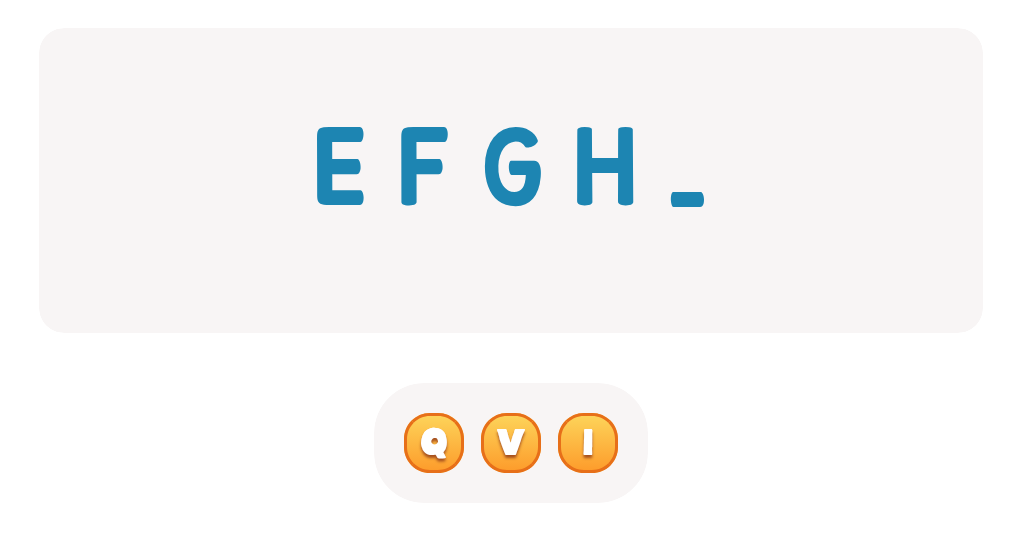
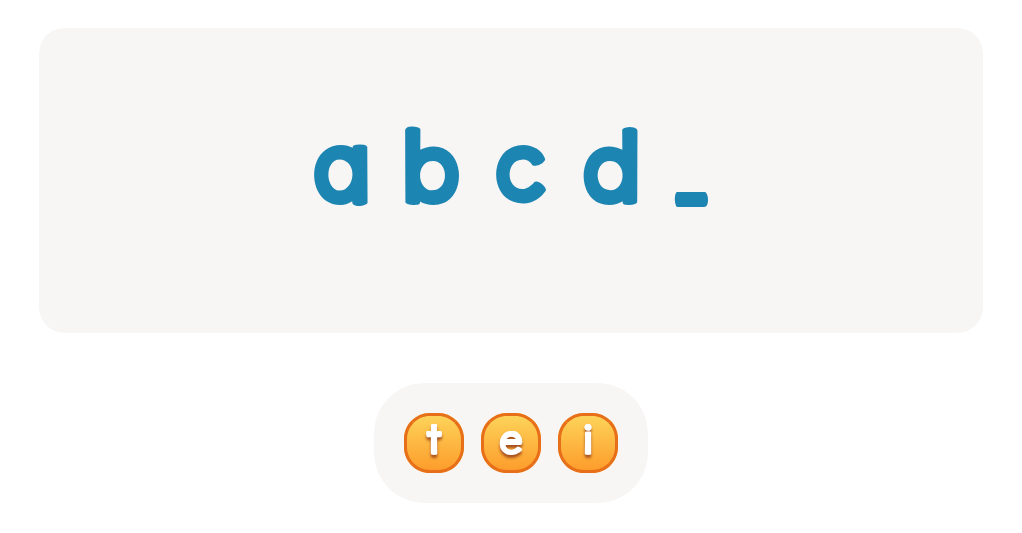

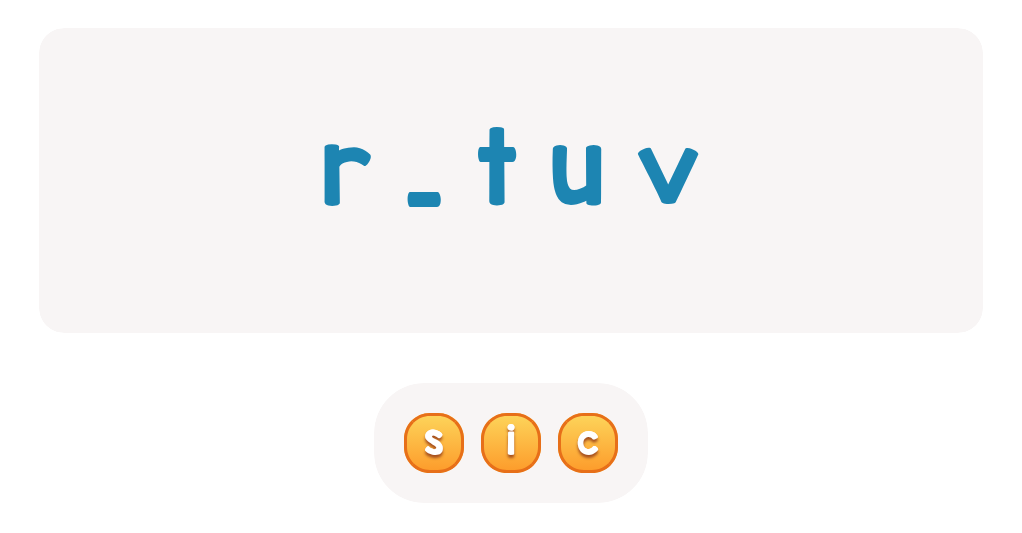
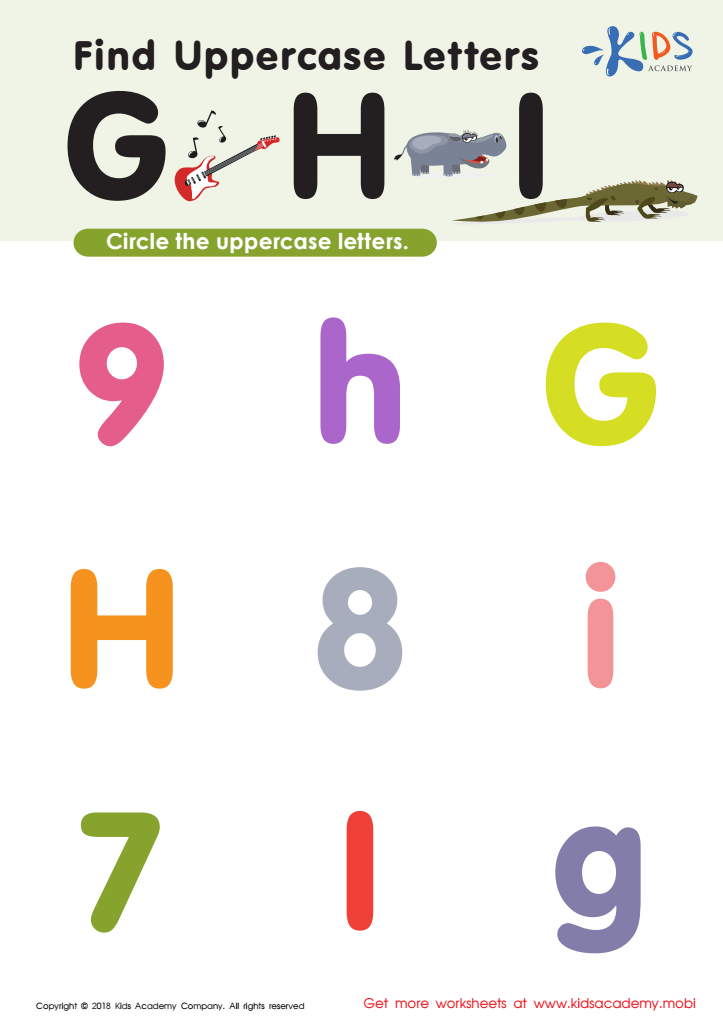
Find Uppercase Letters G, H, and I Worksheet
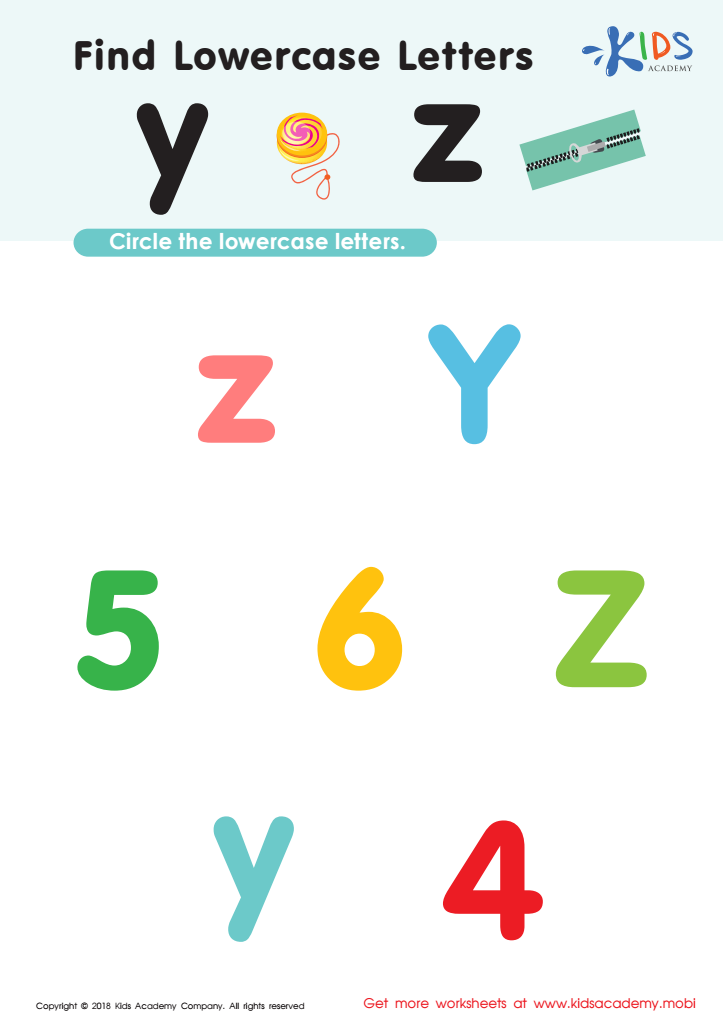
Find Lowercase Letters y z Worksheet
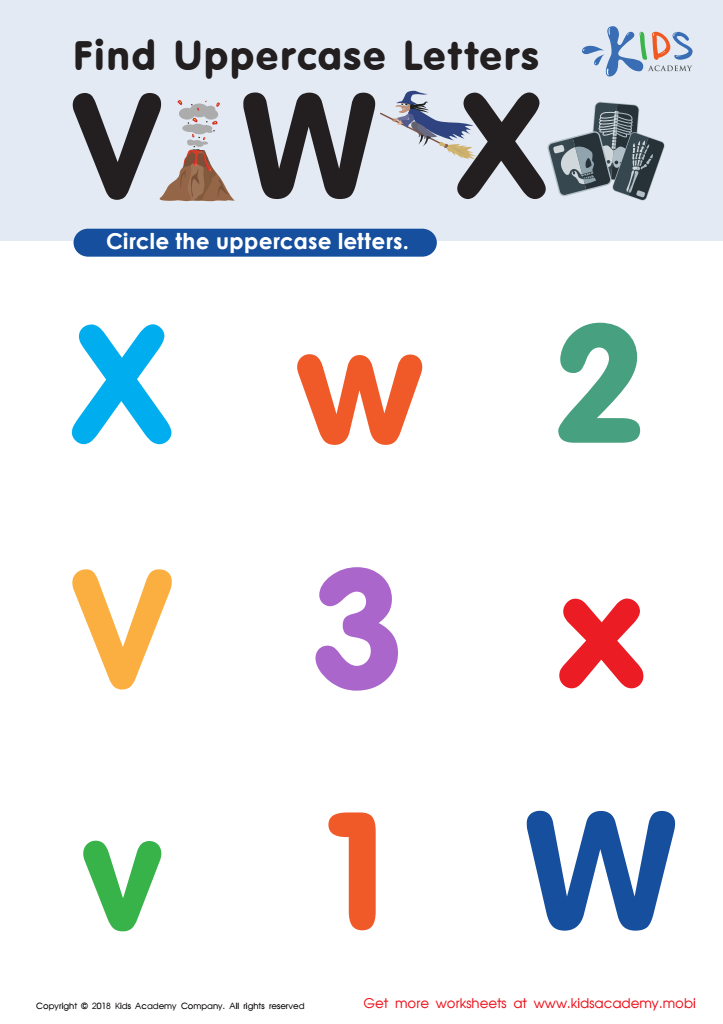
Find Uppercase Letters V, W, X Worksheet






Parents and teachers should prioritize teaching visual discrimination of uppercase and lowercase letters for children ages 5-7 because it is fundamental to their literacy development. At this critical stage, children are beginning to recognize and differentiate between the shapes, sizes, and orientations of letters. Understanding the difference between uppercase and lowercase letters helps children to read and write accurately by ensuring they can distinguish between letters like "b" and "D" or "p" and "P," which have different shapes and meanings in these forms.
Leveraging engaging activities such as matching games, capital/lowercase chart exercises, and letter-sorting tasks can strengthen this essential skill. Visual discrimination directly impacts a child's ability to correctly sound out words, recognize patterns in text, follow rules for proper nouns and sentence beginnings, and adhere to grammar conventions. Strong visual discrimination aids in reducing reading and writing errors, leading to improved comprehension and overall academic success. Additionally, mastering these skills builds a child’s confidence and encourages them to engage more thoroughly with reading and writing tasks, setting a solid foundation for lifelong learning. Thus, dedicating time to this aspect of literacy during early childhood can offer significant educational benefits and foster a positive early academic experience.







