Following instructions English for Beginners Worksheets for Ages 5-7
6 filtered results
-
From - To
Discover our "Following Instructions English for Beginners Worksheets" designed specifically for children aged 5-7. These engaging worksheets help young learners develop essential listening and comprehension skills as they practice following simple instructions in English. Each activity is thoughtfully crafted to make learning enjoyable, fostering creativity and critical thinking. Ideal for ESL classrooms or homeschool settings, our printables cater to various learning styles while ensuring that foundational English concepts are covered. Encourage your child’s ability to interpret directions, enhance their vocabulary, and build confidence in their English-speaking abilities. Start their language journey today with our fun and educational worksheets!
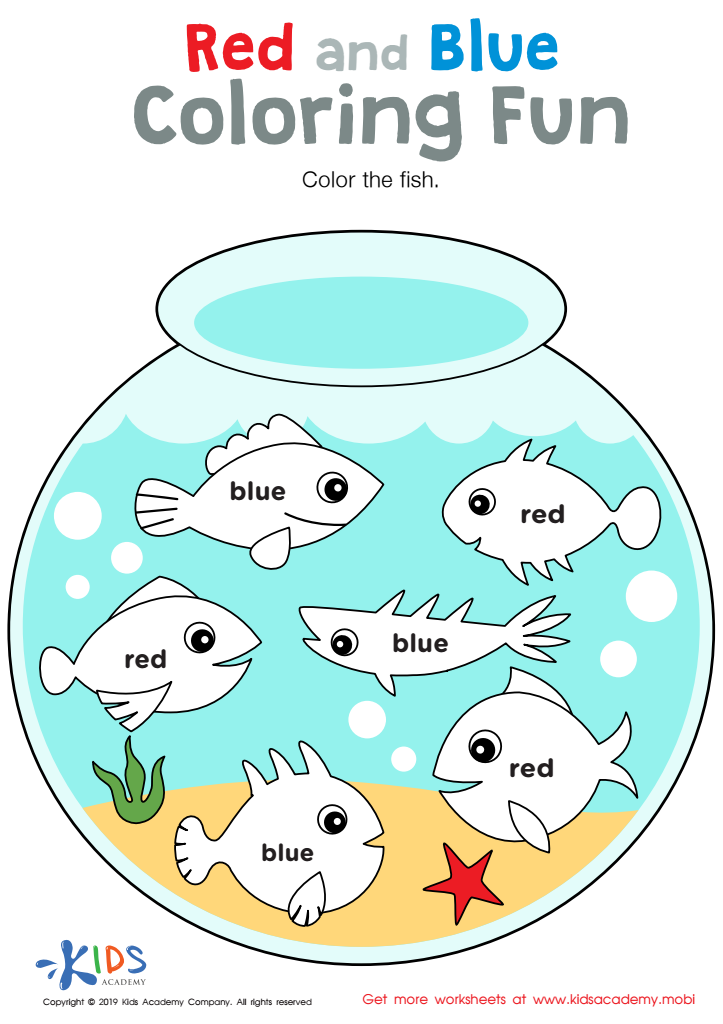
Red and Blue Coloring Fun Worksheet
 Assign to My Students
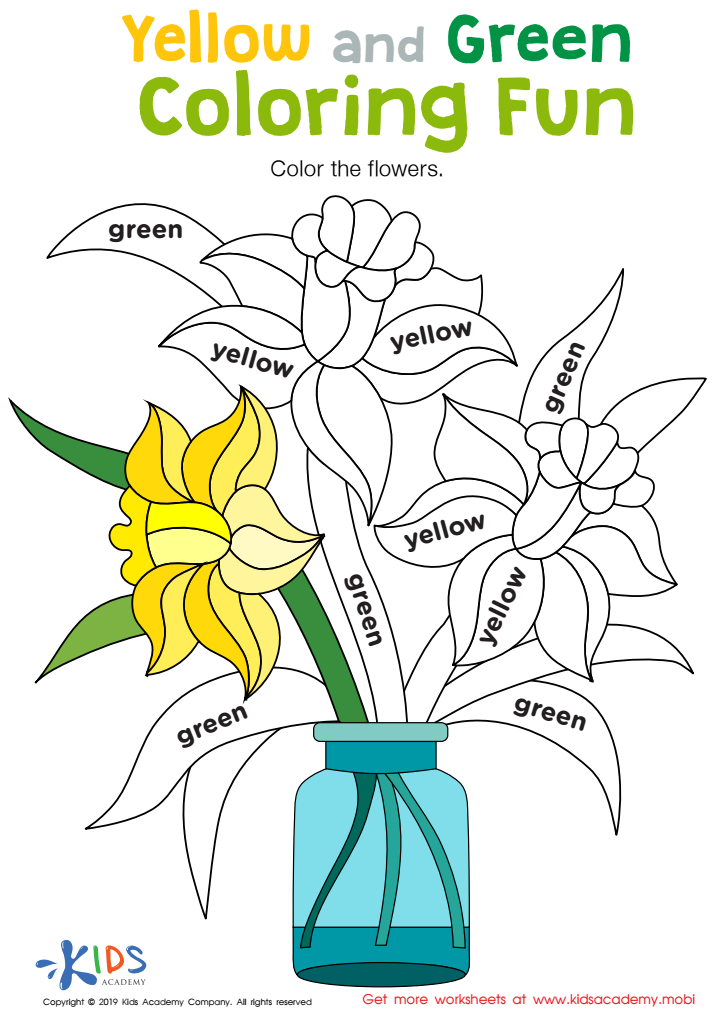
Yellow and Green Coloring Fun Worksheet
Assign to My Students
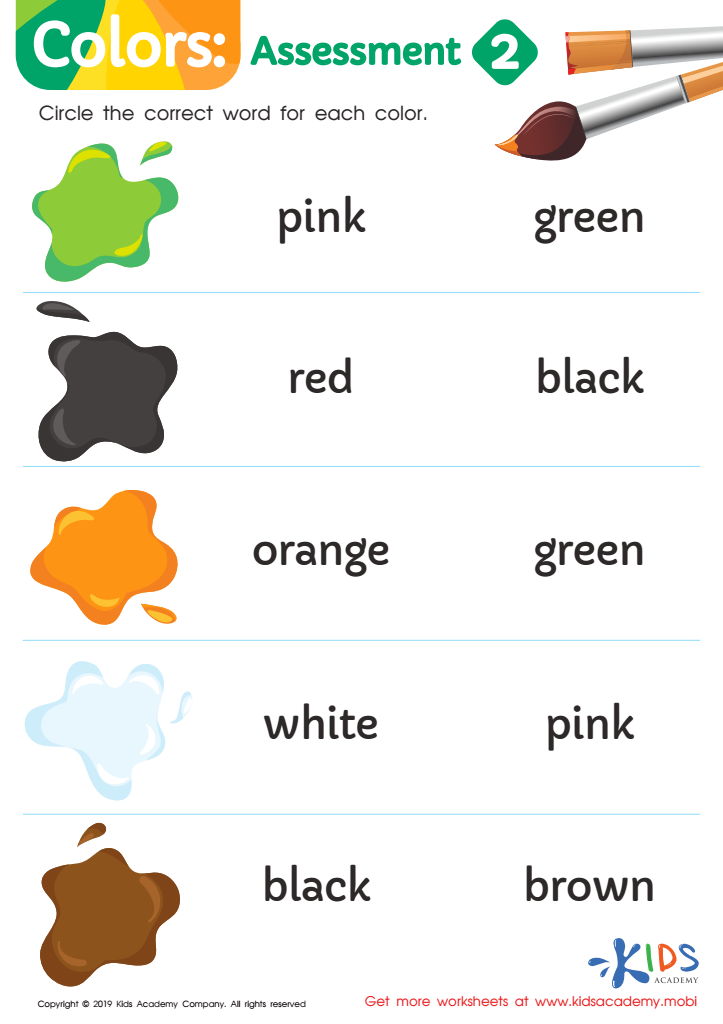
Colors: Assessment 2 Worksheet
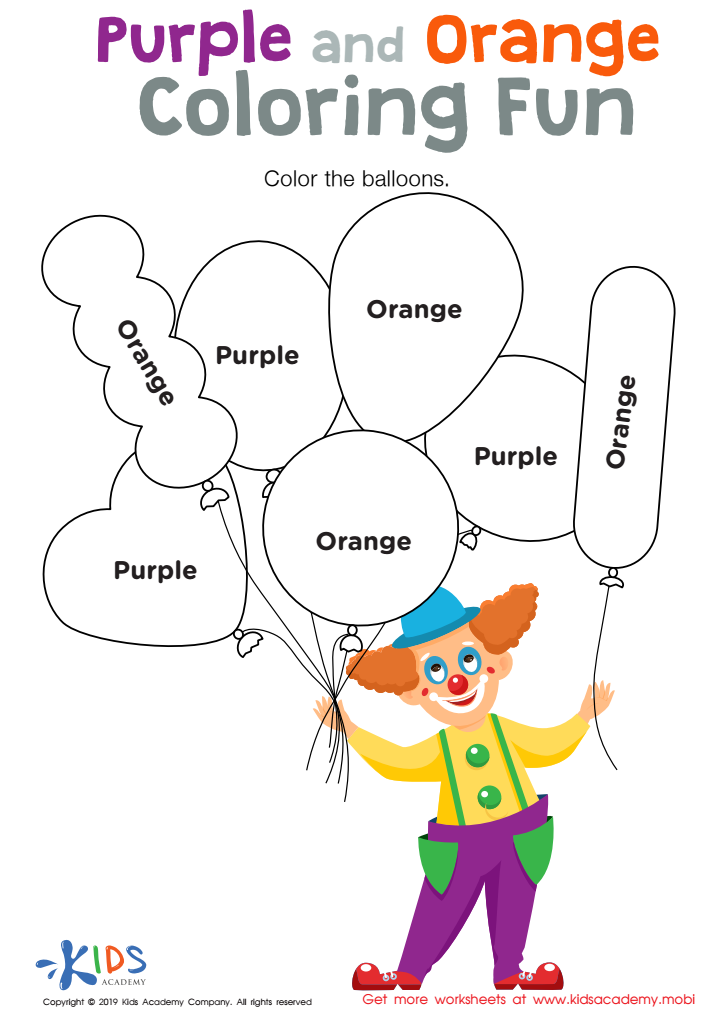
Purple and Orange Coloring Fun Worksheet
Assign to My Students

Monster's Face Coloring Worksheet
Assign to My Students
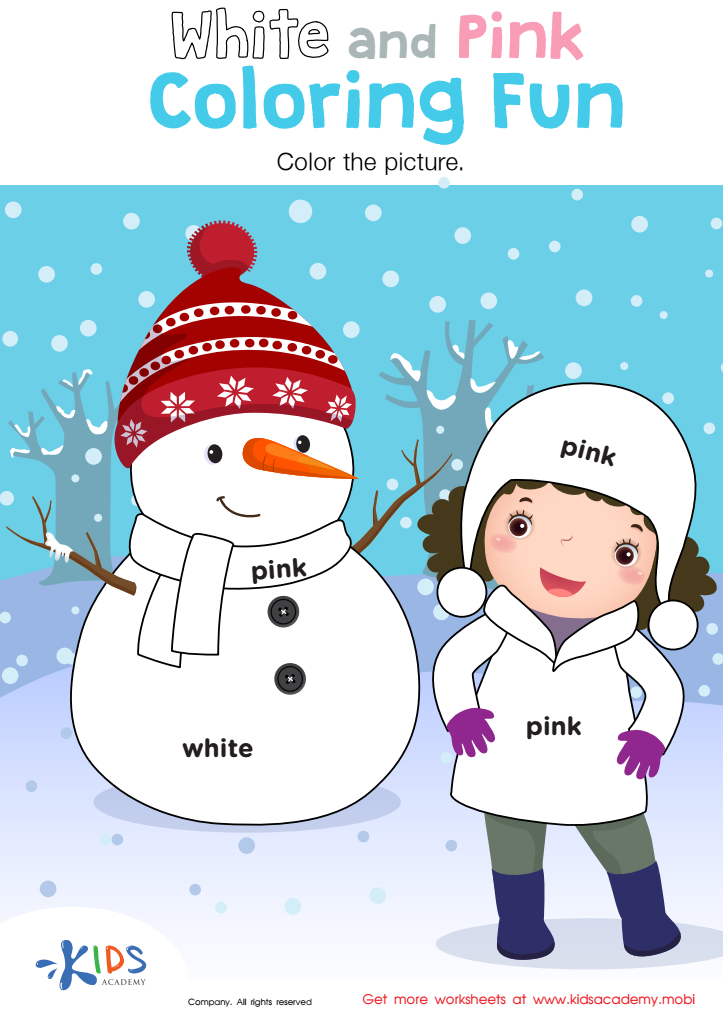
White and Pink Coloring Fun Worksheet
Assign to My Students




Following instructions is a fundamental skill that significantly contributes to a child's development, particularly for beginners aged 5-7 learning English. During these formative years, children are becoming more independent, developing critical thinking, and enhancing their language skills. Understanding and accurately following instructions helps them grasp the basics of language—acquiring vocabulary, improving comprehension, and fostering communication skills.
When children learn to follow instructions, they also build their cognitive abilities by practicing memory, attention, and sequencing skills. This lays a strong foundation for future academic success, as many activities—both in school and at home—require the ability to process and act upon directions. Additionally, it nurtures essential life skills, such as responsibility and self-regulation.
For parents and teachers, emphasizing the importance of following instructions can lead to smoother learning experiences both in and out of the classroom. Engaging with children through games, songs, and interactive activities that encourage following multi-step instructions makes learning fun and collaborative. This proactive approach instills confidence, enhances social interaction, and fosters a positive learning environment where children feel supported as they navigate language acquisition and daily tasks. By prioritizing this area, adults can significantly influence a child's growth and enthusiasm for learning English.