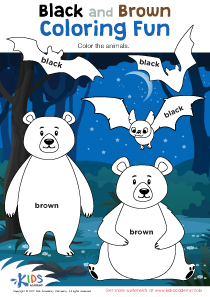
Letter-sound association English for Beginners Worksheets for Ages 5-7
6 filtered results
-
From - To
Explore our engaging Letter-Sound Association worksheets designed specifically for English beginners aged 5-7! These printable activities will help young learners connect letters with their corresponding sounds, fostering essential reading and phonics skills. Each worksheet includes vibrant illustrations and interactive exercises that make learning fun and effective. Ideal for ESL learners and early readers, our materials promote independent learning and reinforce classroom instruction. With various activities catering to different learning styles, kids will enjoy improving their literacy while building confidence. Perfect for at-home practice or classroom use, these worksheets are an invaluable resource for nurturing early language development. Start the journey today!
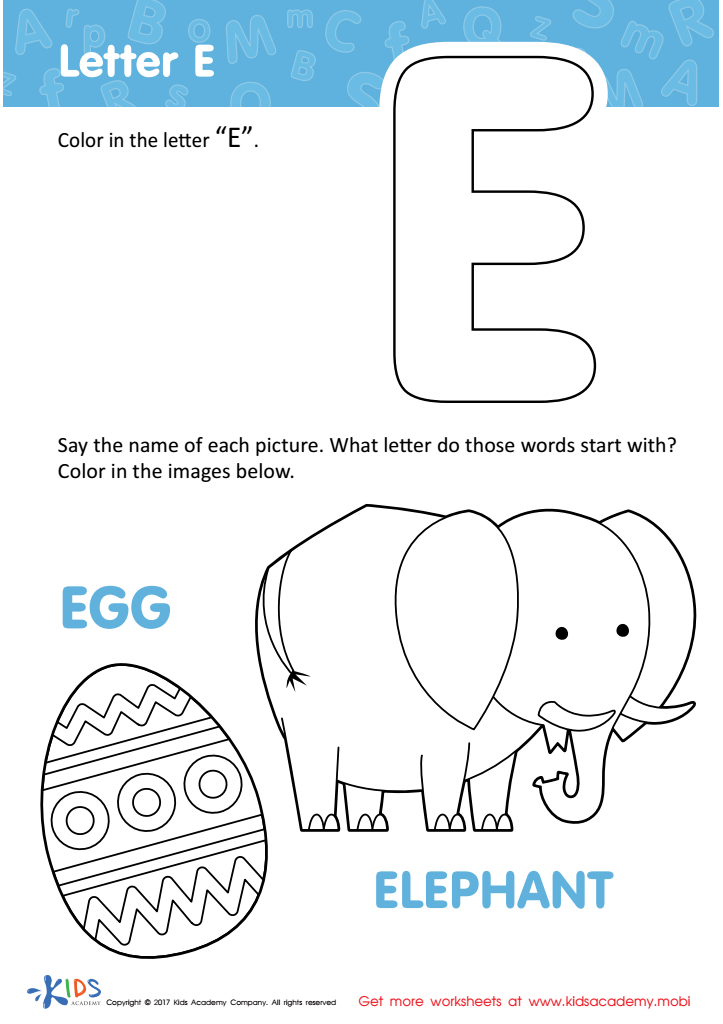
Letter E Coloring Sheet
 Assign to My Students
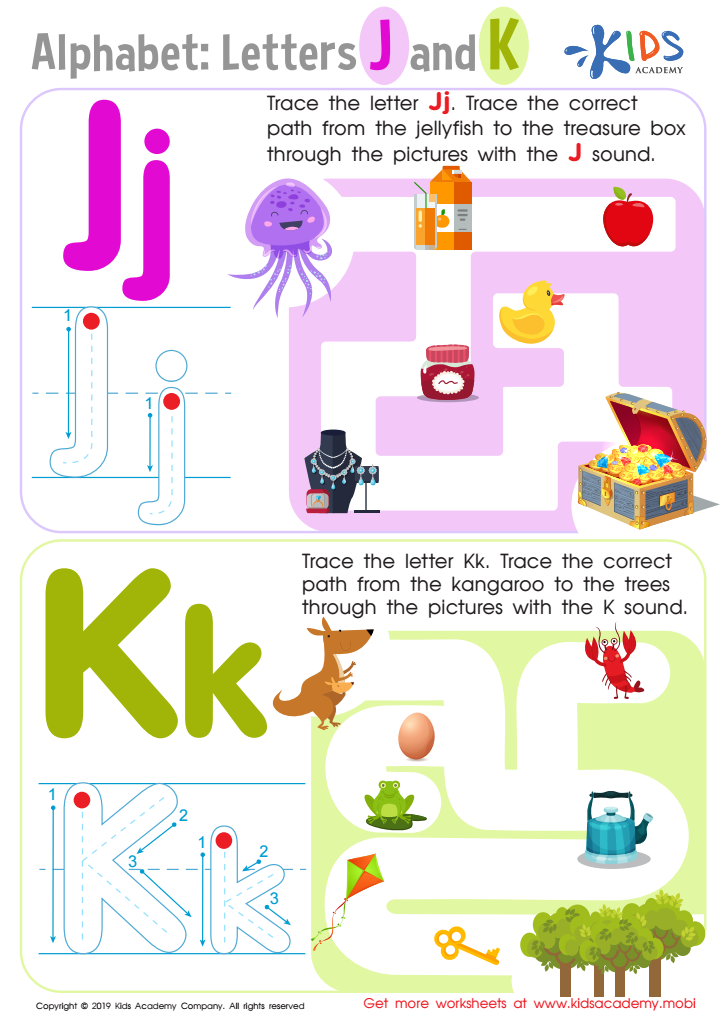
Letters J and K Tracing Worksheet
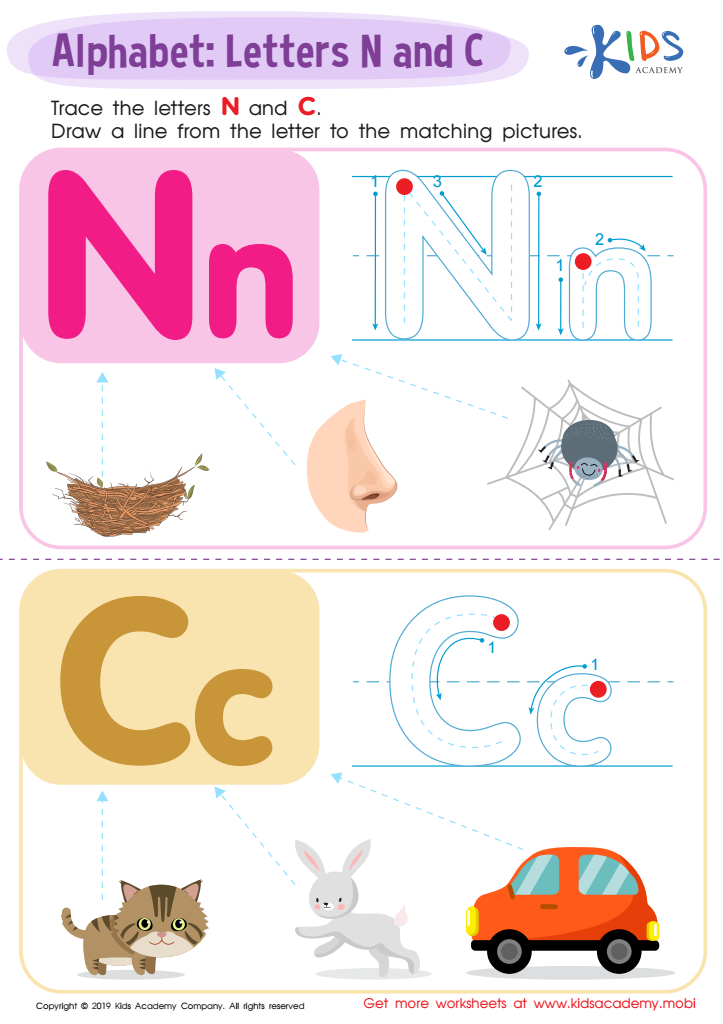
Letter N and C Tracing Worksheet
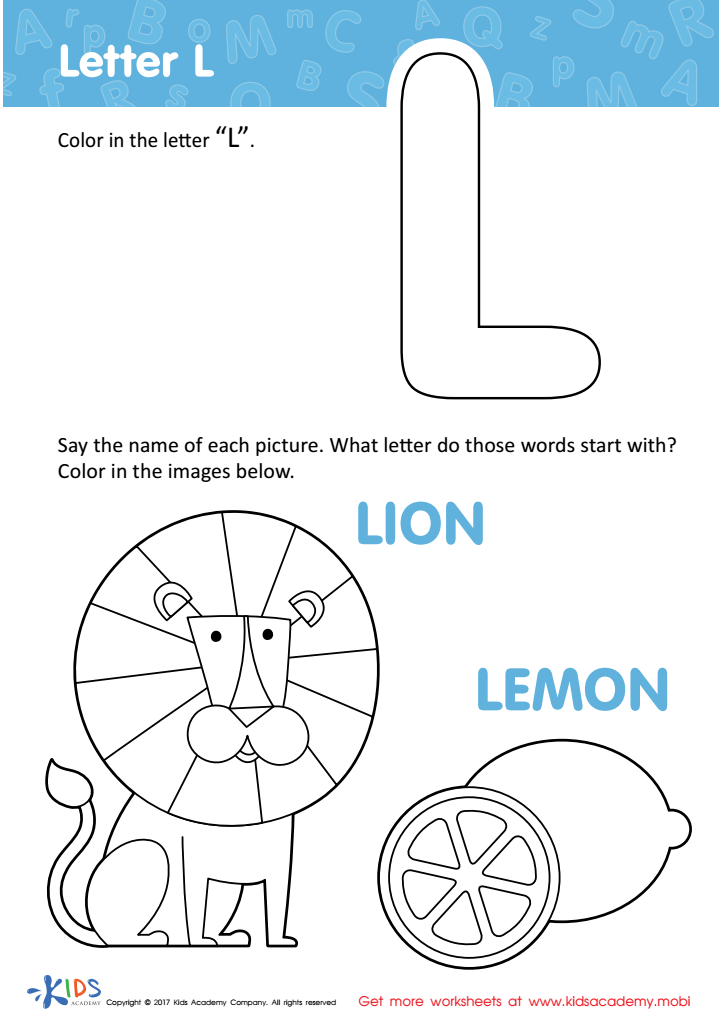
Letter L Coloring Sheet
Assign to My Students
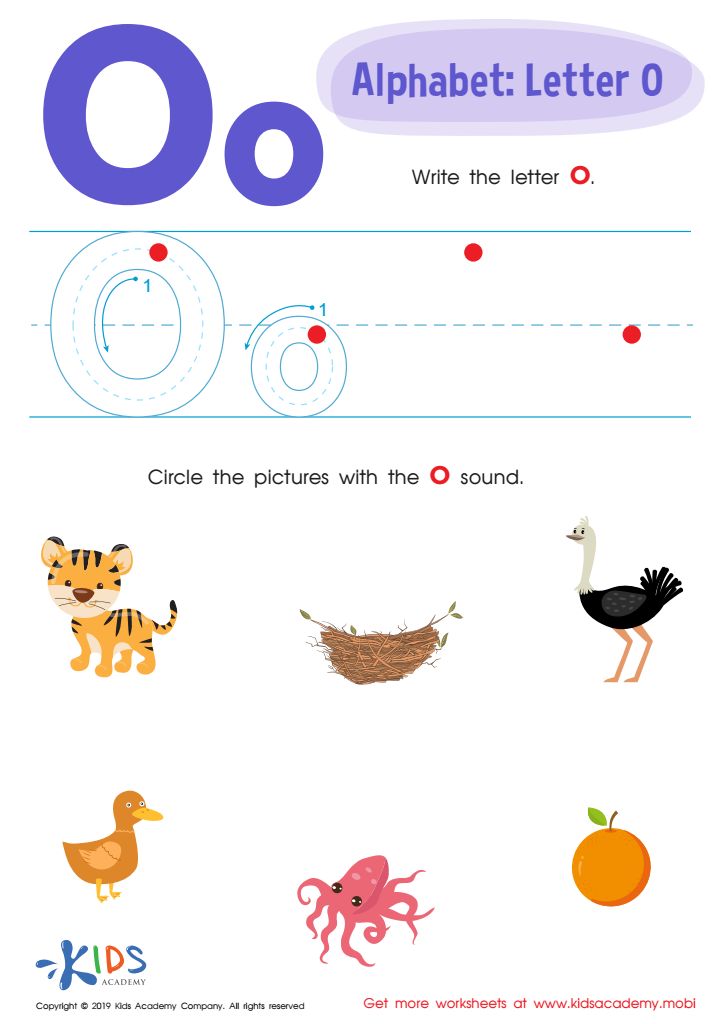
Letter O Tracing Worksheet
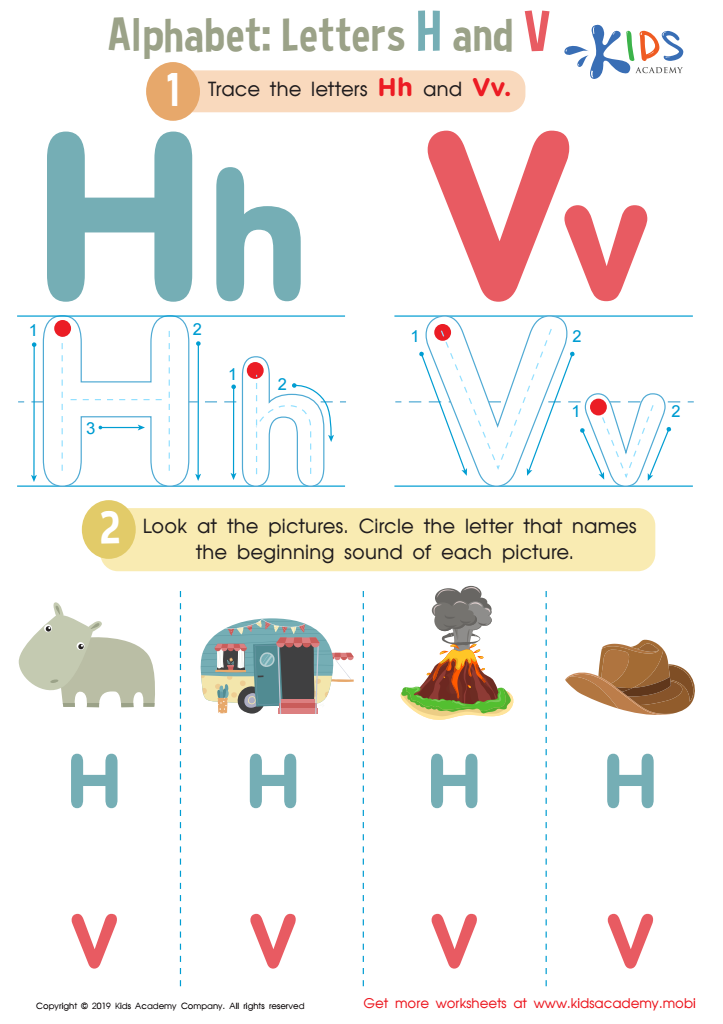
Letters H and V Tracing Worksheet




Letter-sound association is a fundamental building block for reading and writing, especially for children aged 5-7. Understanding this concept enables early learners to decode words, enhancing their reading fluency and comprehension. Parents and teachers should care about this for several reasons.
Firstly, it fosters a critical connection between letters and their corresponding sounds, paving the way for phonemic awareness—a skill crucial for literacy development. As children grasp these associations, they gain the confidence to tackle new words independently, resulting in enhanced reading skills.
Moreover, targeting letter-sound association during this formative age supports the development of effective spelling patterns and promotes the ability to write clearly. It allows children to have a solid foundation for phonics instruction, which is essential across multiple subjects.
Engaging in activities that reinforce letter-sound associations can also promote collaboration between parents and teachers. This shared responsibility reinforces learning outside the classroom and cultivates a lifelong love of reading and writing.
In conclusion, focusing on letter-sound associations not only boosts language skills but also empowers children with the tools they need to excel academically. By prioritizing this aspect of literacy, parents and teachers set the stage for a child's educational success.