Discover fun and engaging Alphabet Learning Worksheets for ages 5-7 at Kids Academy. Designed to boost your child’s literacy skills, our carefully crafted worksheets focus on letter recognition, writing practice, and phonics. Each worksheet uses vibrant visuals, exciting activities, and interactive exercises to make learning letters enjoyable and effective. Ideal for Kindergarten and early elementary students, these resources aim to build a strong foundation in reading and writing. Find worksheets that suit any learning style and watch your child’s confidence grow as they master the alphabet. Explore our collection today for a fun journey into learning!

Check out this FREE "Alphabet Learning" Trial Lesson for age 5-7!

L

Favorites
With answer key
Interactive
  • 5-7
  • Alphabet Learning
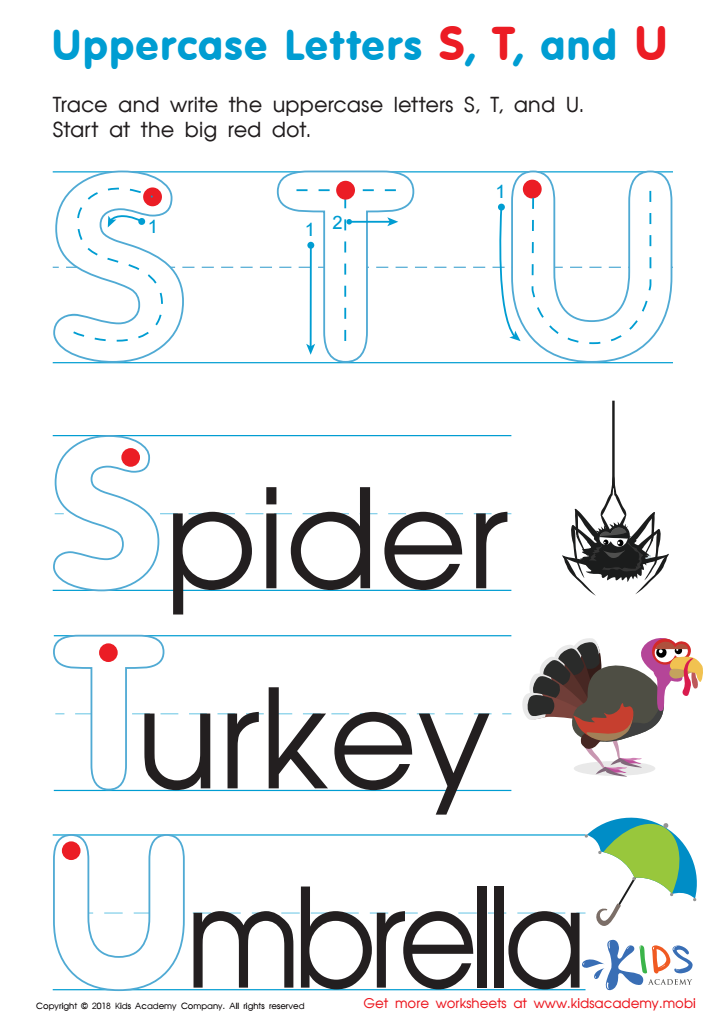
Uppercase Letters S, T, and U Worksheet
Uppercase Letters S, T, and U Worksheet

Help your kids learn to write upper-case letters with this fun tracing sheet. Start at the big red dot for each letter: S, T, and U. Show them the pictures and ask what letter each word starts with. Guide their hand and watch them learn!
Uppercase Letters S, T, and U Worksheet
Worksheet
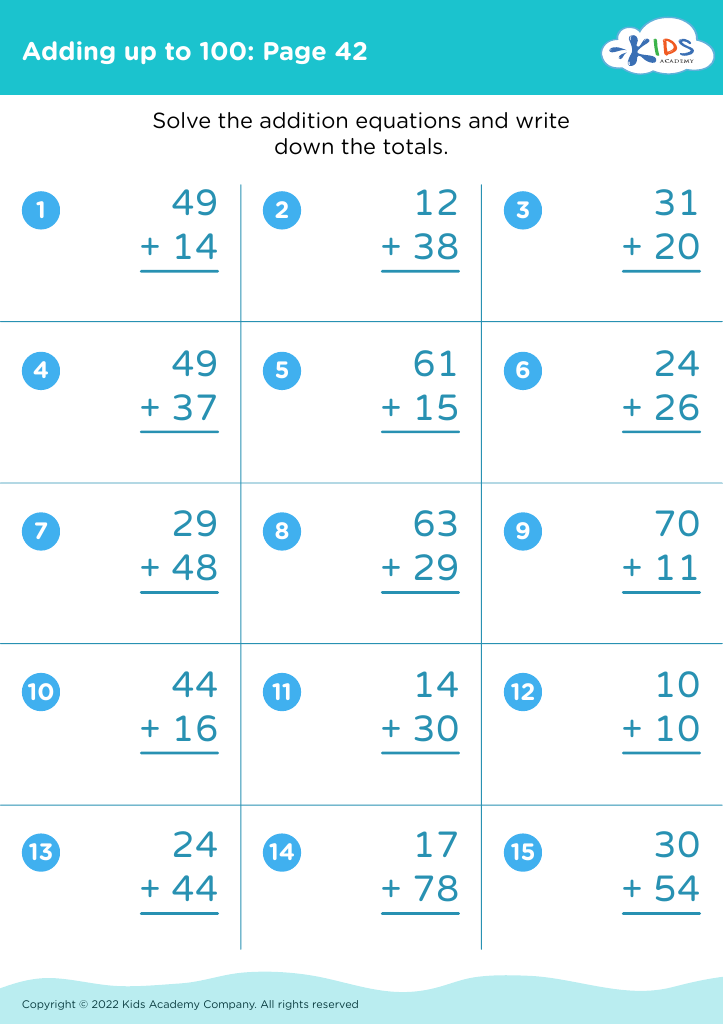
Adding up to 100: Page 42

Adding up to 100: Page 42

Adding up to 100: Page 42
Worksheet
Letter L worksheets
Letter L worksheets

Letter L Tracing Page

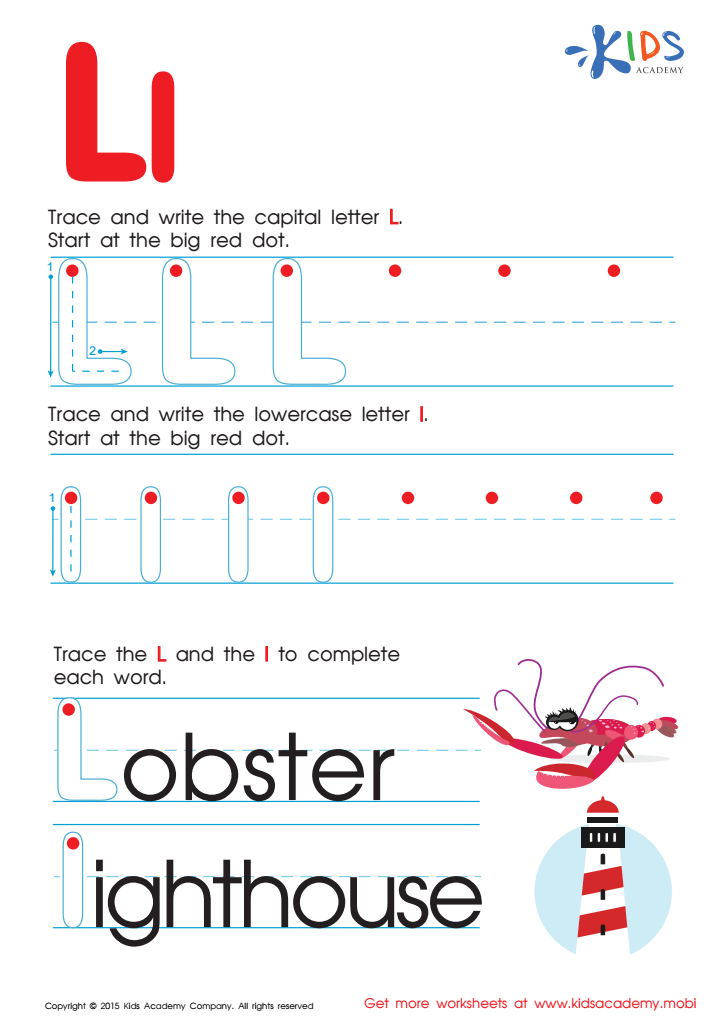
Trace uppercase and lowercase letters to practice writing. Pay attention to the lowercase letters, like the "L", that are not as tall as an uppercase "I" or as short as a lowercase "i". Words like "lobster" and "lighthouse" are waiting to be completed. Enjoy!
Letter L Tracing Page
Worksheet
Tracing Fun Worksheet

Tracing Fun Worksheet

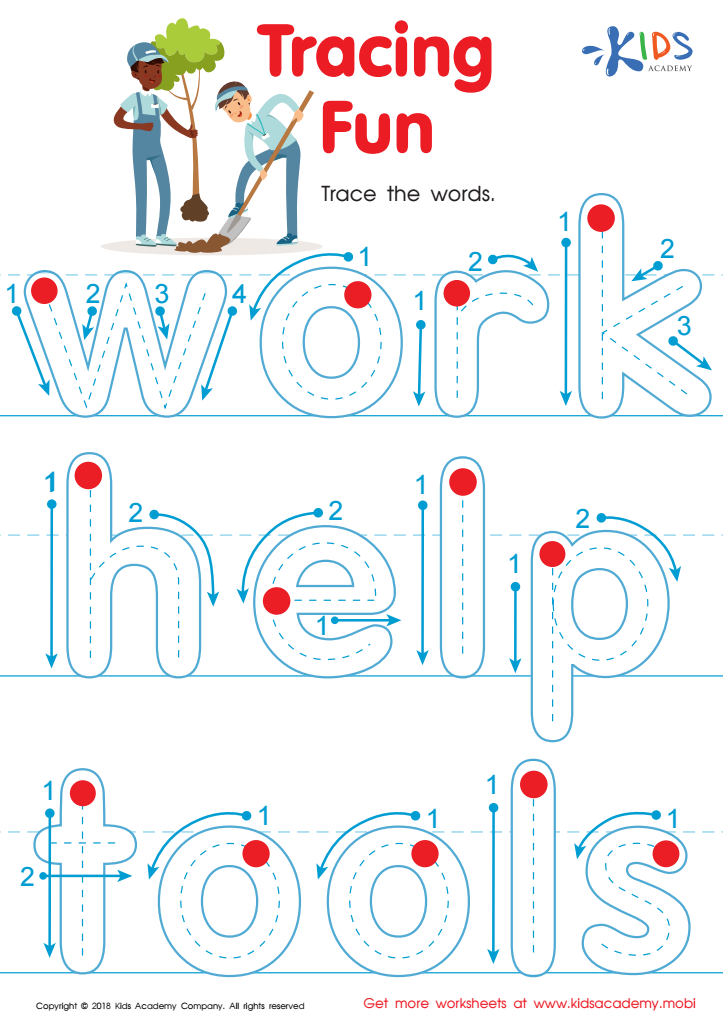
Believe it or not, good handwriting helps with reading! Starting at the top left and writing legibly builds reading skills. This free worksheet helps little learners practice basic sight words. Red dots show them where to start and the words provide reinforcement without them realising. An enjoyable way to boost their reading and writing.
Tracing Fun Worksheet
Worksheet
Letter Z Coloring Page

Letter Z Coloring Sheet

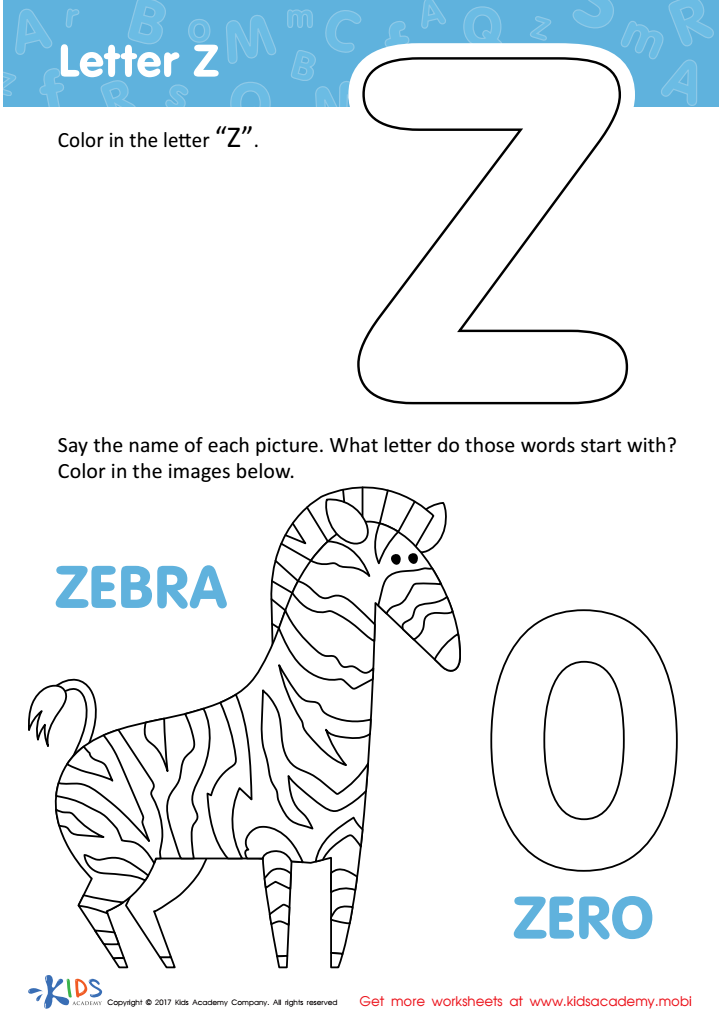
This coloring page featuring the letter "Z" is perfect for your child to practice letter recognition! Help them learn the unique sound it makes as they color. It'll be a fun and easy activity they won't have trouble with!
Download (PDF)
Assign to My Students
Letter Z Coloring Sheet
Worksheet
Letter l and M Sounds Worksheet

Letter l and M Sounds Worksheet

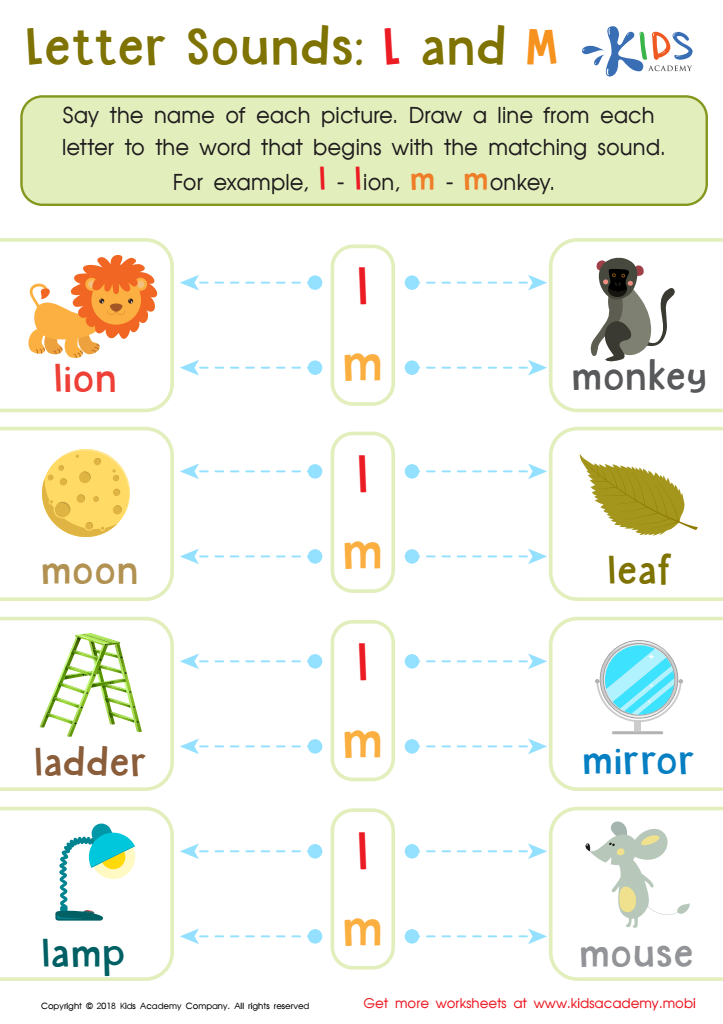
Our Kids Academy phonics practice pages give clear instructions and captivating pictures to pique children's interest. This fun worksheet helps kids identify a picture, then match its beginning sound. Listen and say each word - does it start with "L" or "M"? Trace the dotted line from the letter to the correct match and listen closely to the sound it makes.
Letter l and M Sounds Worksheet
Worksheet
letter F worksheets
letter F worksheets

Letter F Tracing Page

Trace "F" with your pencil! Start at the red dot and draw lines — it's fun! Check it out — it looks great! Keep practicing to make it even better. Then, try completing words. Help out the broken fan and funny frog! Get free alphabet worksheets and activities for your kids. Come see our new tracing pages!
Letter F Tracing Page
Worksheet


Alphabet learning is fundamental for children aged 5-7 as it lays the cornerstone for future literacy and academic success. During the early years, a child's brain is highly receptive and capable of absorbing information quickly. Understanding the alphabet is the first step in recognizing letters, which eventually leads to reading and writing skills. For parents and teachers, focusing on alphabet learning helps children identify and differentiate between various letter shapes and sounds. This foundational knowledge is crucial for phonemic awareness, enabling children to decode words and comprehend texts.

Furthermore, early proficiency in the alphabet fosters confidence and enthusiasm for learning, making the process more engaging and less intimidating as they progress. By creating a robust phonics and letter-recognition base, parents and teachers equip children to excel in reading, which has a domino effect on their overall academic performance.

Developing these skills early also supports cognitive development, enhancing memory, attention to detail, and analytical thinking. In summary, promoting alphabet learning in children aged 5-7 is not just about letters; it’s a vital strategy for comprehensive early childhood education, shaping resilient, curious, and capable learners. Prioritizing this aspect ensures children are well-prepared to thrive academically and intellectually.