Alphabetical understanding Worksheets for Ages 5-7
3 filtered results
-
From - To
Unlock your child's potential with our engaging Alphabetical Understanding Worksheets, designed specifically for ages 5-7! These printable resources enhance early literacy skills by providing fun activities that teach letter recognition, sound association, and the organization of words in alphabetical order. With colorful illustrations and age-appropriate challenges, your little learner will develop essential skills that lay the foundation for reading and writing success. Perfect for homeschooling or classroom use, our worksheets foster independent learning while making education enjoyable. Join the adventure today and watch your child's confidence grow as they master the alphabet with our interactive resources!
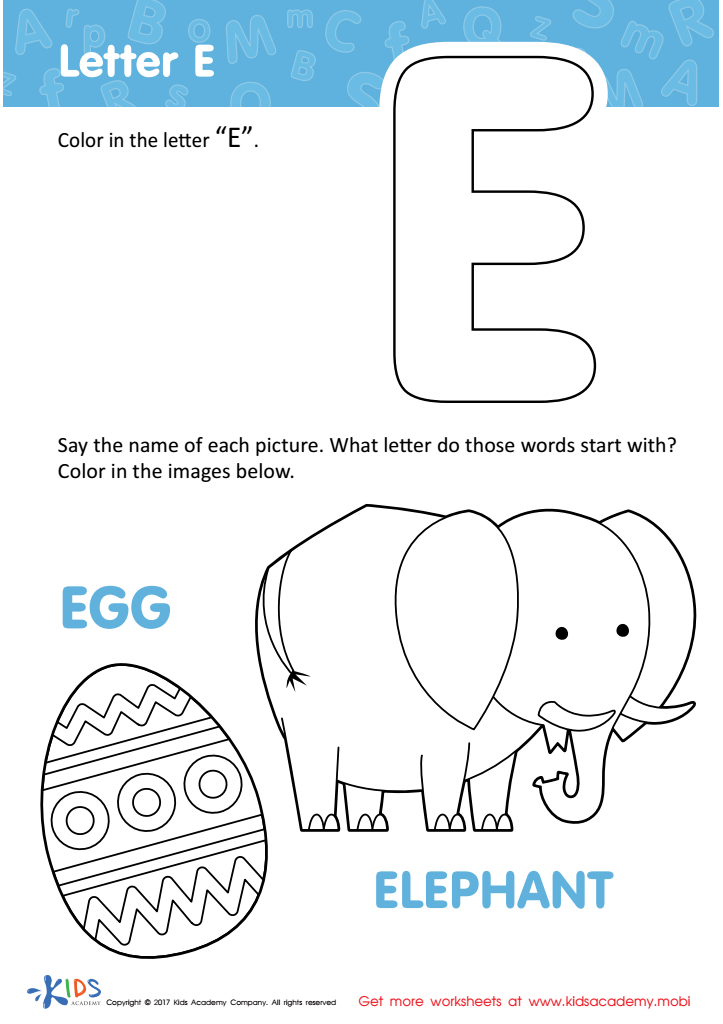
Letter E Coloring Sheet
 Assign to My Students
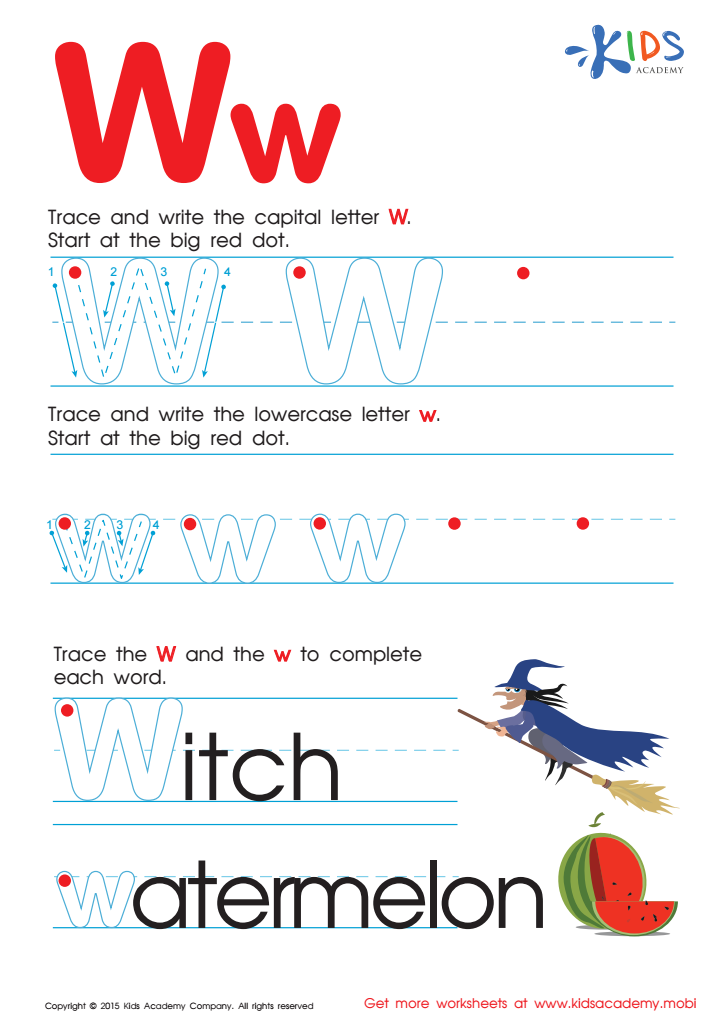
Letter W Tracing Page
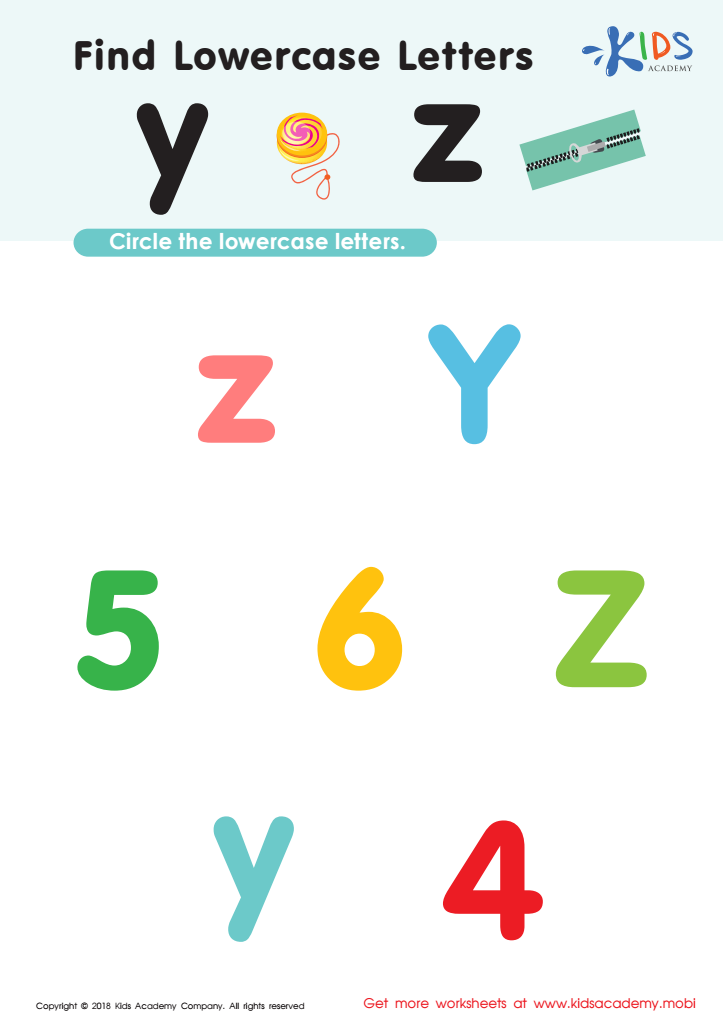
Find Lowercase Letters y z Worksheet








Alphabetical understanding is crucial for children aged 5-7 as it lays the foundation for literacy and communication skills. At this stage, children begin to recognize letters, understand their corresponding sounds, and learn how to blend them to form words. This knowledge is essential for reading and writing, both of which are competencies that impact ongoing academic performance.
When parents and teachers emphasize alphabetical understanding, they cultivate a child's confidence and ability to interact with text. Early exposure to letters fosters phonemic awareness, helping children decode words, a skill they will rely on as they encounter more complex texts in later grades. Additionally, strong alphabetical skills support vocabulary expansion and comprehension, allowing children to express themselves effectively and engage with a variety of subjects.
Furthermore, engaging with letters can be fun and interactive, enabling parents and teachers to create enjoyable learning experiences that inspire curiosity and a love for reading. By caring about and promoting alphabetical understanding, adults can better prepare children for classroom success, stimulate their cognitive development, and instill essential skills that will benefit them through their academic journey and beyond. This foundational expertise ultimately sets children on a path to lifelong learning and literacy proficiency.








