Associative learning Worksheets for Ages 5-7
6 filtered results
-
From - To
Explore our engaging Associative Learning Worksheets designed specifically for children ages 5 to 7! These worksheets provide young learners with fun activities that enhance their ability to make connections between concepts, words, and images. Through exciting exercises such as matching, sorting, and pattern recognition, kids develop critical thinking skills and boost their cognitive abilities. Perfect for at-home practice or classroom use, our worksheets ensure that learning is both supportive and enjoyable. Foster your child's love for learning while building essential skills through our carefully crafted Associative Learning resources. Discover the joy of connections today!
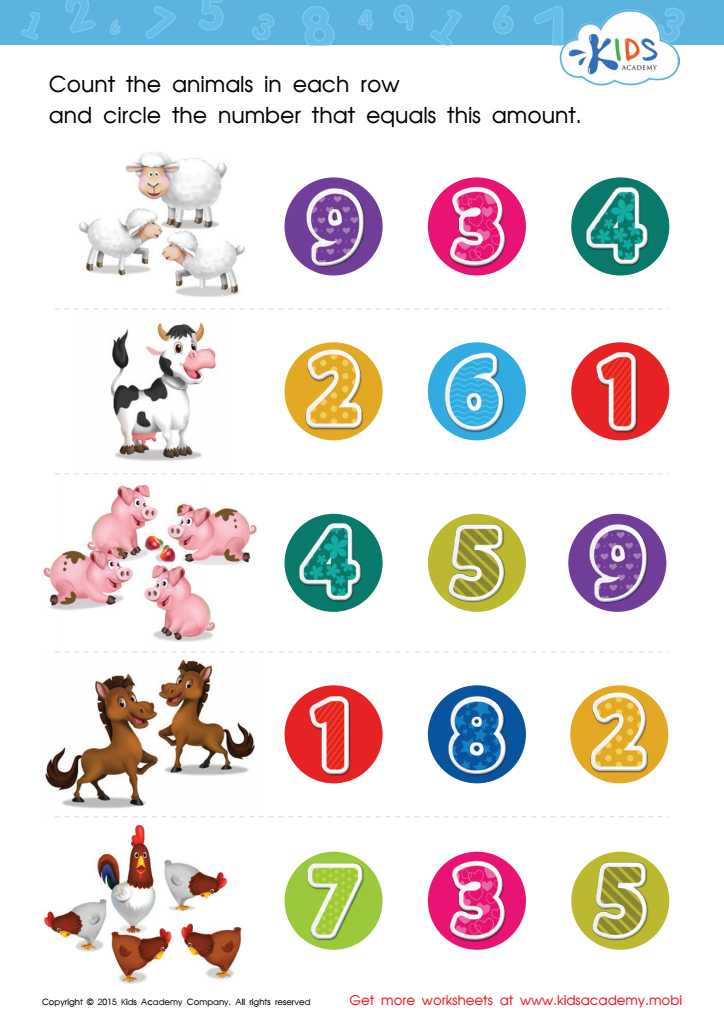
Count and Match 1 – 5 Math Worksheet
 Assign to My Students
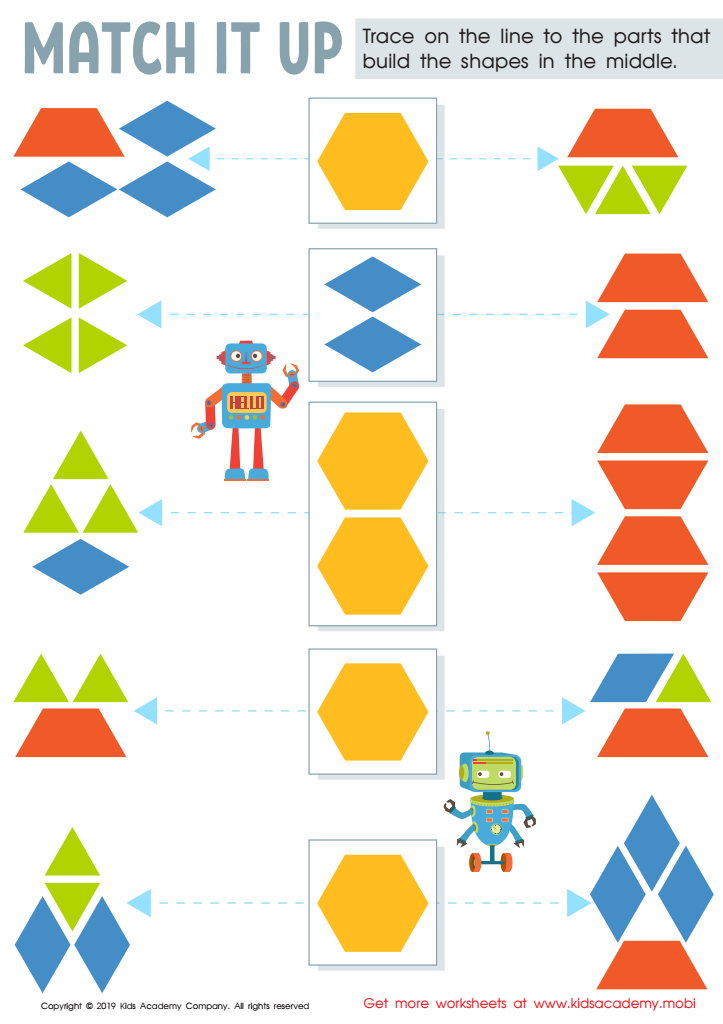
Match It up Worksheet
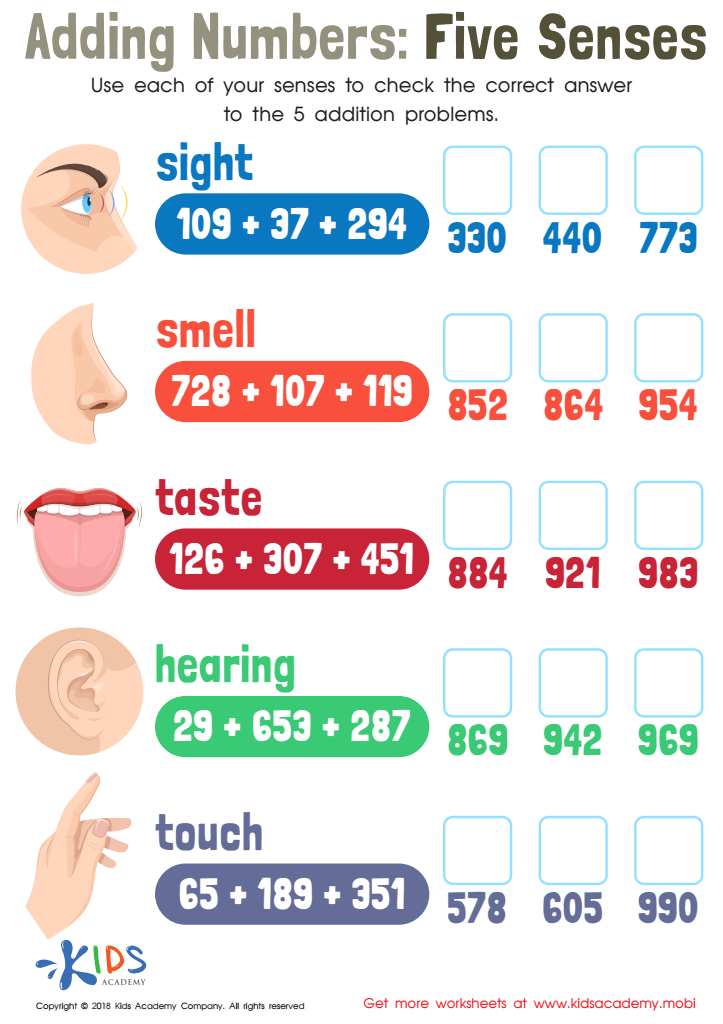
Adding Numbers: Five Senses Worksheet
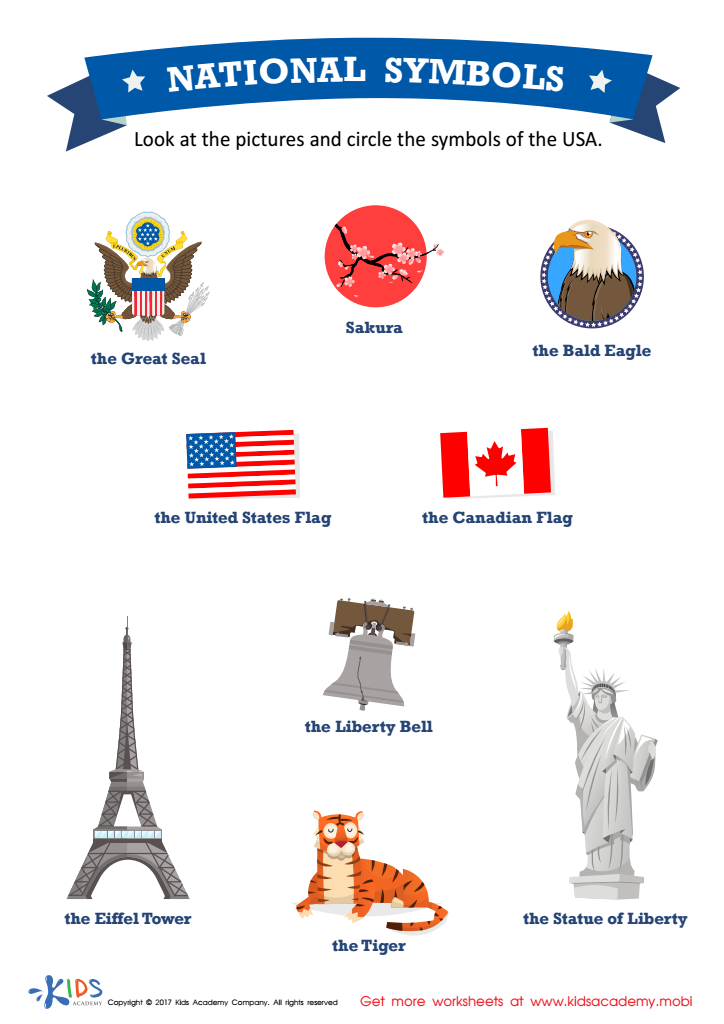
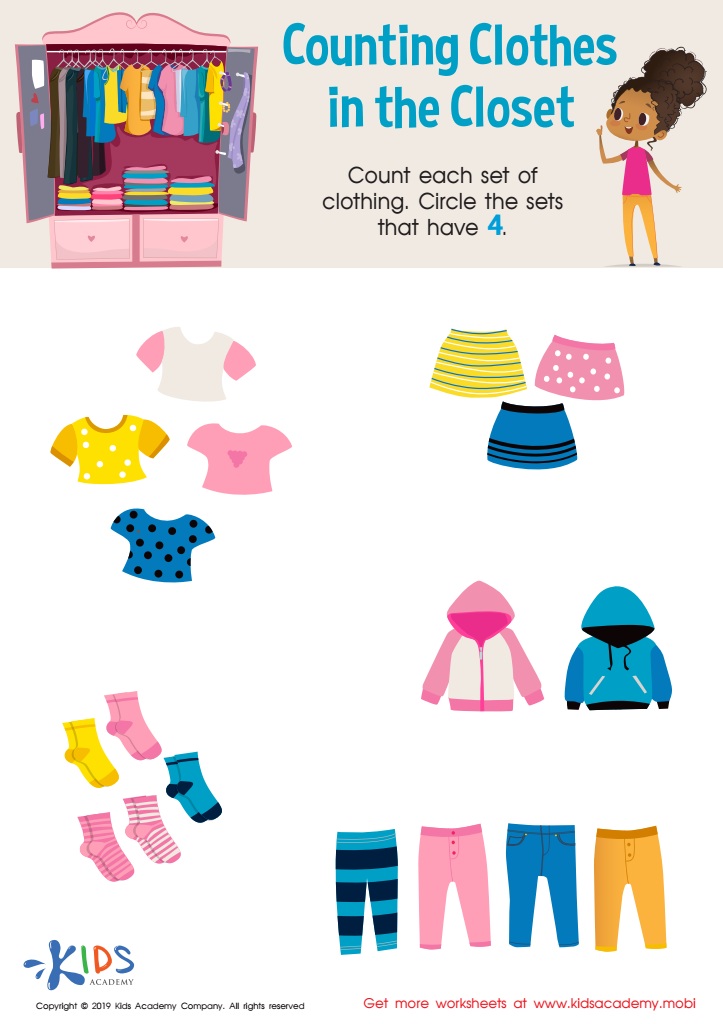
Counting Clothes Worksheet
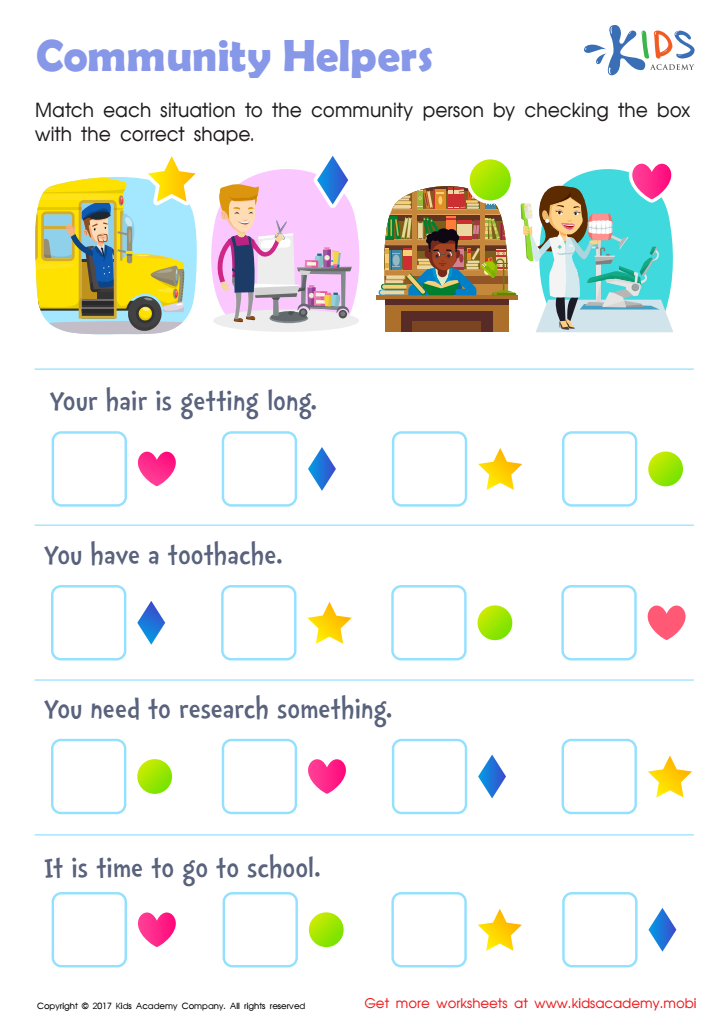








Associative learning, the process by which individuals learn to connect two elements or stimuli, is crucial for children ages 5-7 as they develop foundational cognitive and social skills. During this stage of growth, children naturally form associations between ideas, actions, and experiences, which significantly shapes their understanding of the world around them.
For parents and teachers, fostering associative learning can enhance children’s academic prowess. For example, connecting visual elements with verbal cues during activities assists in vocabulary acquisition and literacy development. Similarly, linking mathematical concepts to real-life situations encourages problem-solving skills.
This learning method also promotes emotional and social growth. When children associate positive experiences with classroom activities or peer interactions, they are likely to engage more fully, leading to improved self-esteem and social competence. Conversely, negative associations can hinder their willingness to participate, emphasizing the need for a supportive environment.
Moreover, understanding associative learning supports effective teaching strategies. Utilizing games, stories, and positive reinforcement can aid in cementing concepts in children’s minds. By paying attention to associative learning, parents and teachers contribute to a robust educational foundation that encourages a lifelong love of learning, social interaction, and emotional resilience.








