Basic Addition Worksheets for Ages 5-7 - Page 4
76 filtered results
-
From - To
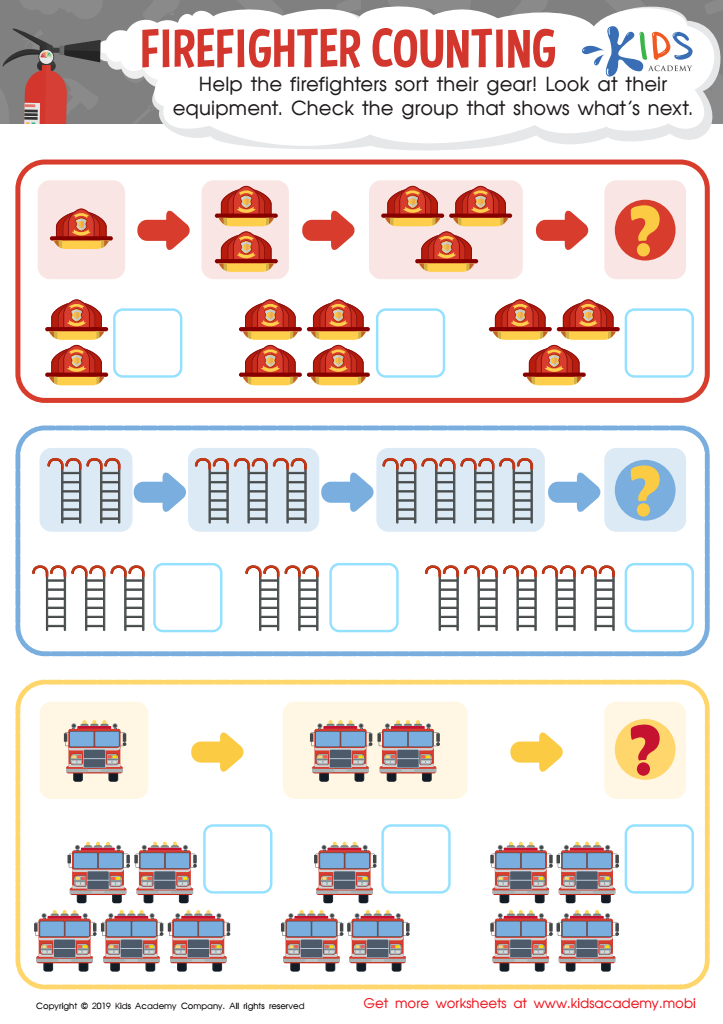
Firefighter Counting Worksheet
 Assign to My Students
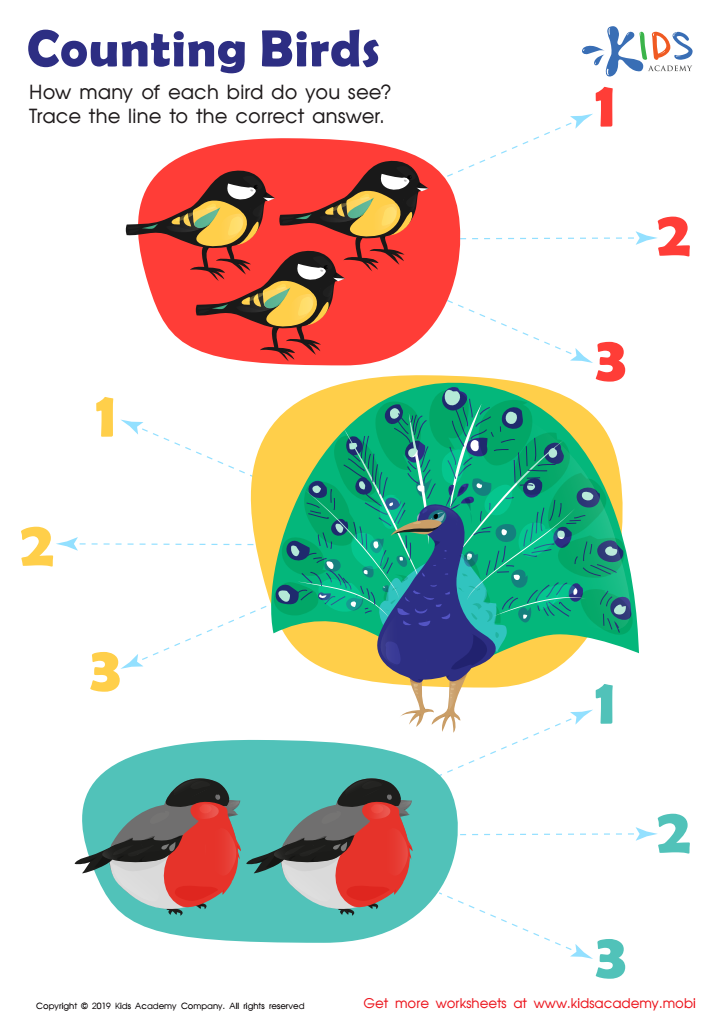
Counting Birds Worksheet





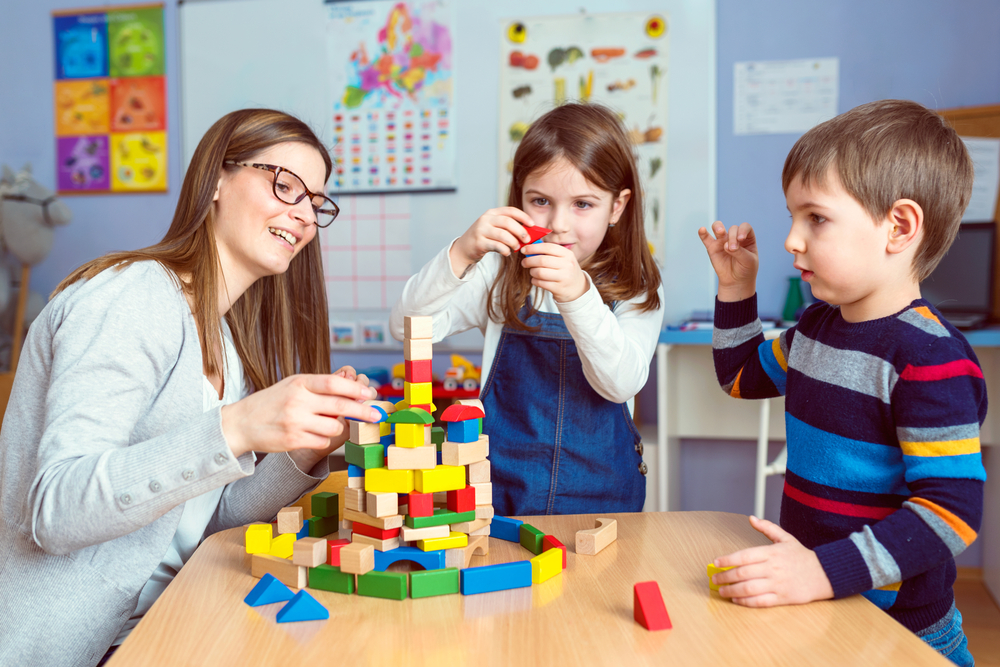


Basic addition is a fundamental building block for mathematical understanding, making it essential for children aged 5-7. During these formative years, children begin to develop their numerical abilities and learn how to interact with math in a meaningful way. Mastering basic addition not only aids in numerical fluency but also fosters critical thinking and problem-solving skills.
Parents and teachers should prioritize teaching addition because it plays a crucial role in a child's cognitive development. Understanding addition helps children make sense of the world around them, such as when measuring ingredients while cooking or counting toys. It also sets the stage for more complex mathematical concepts like subtraction, multiplication, and division.
Moreover, early proficiency in addition boosts confidence and motivation. When children grasp these basic concepts, they are more likely to engage positively with math in the future. This foundational skill, coupled with a supportive learning environment, helps mitigate math anxiety — a common issue that can persist into later grades.
Encouraging accessible, fun methods of learning addition at home and in school can ignite a lifelong love for math. Ultimately, supporting children in mastering this essential skill is vital to their overall academic success and future problem-solving capability.








