Develop sequencing skills Worksheets for Ages 5-7
3 filtered results
-
From - To
Enhance your child's cognitive development with our engaging Sequencing Skills Worksheets designed specifically for ages 5-7. These fun and interactive worksheets help children learn the important skill of sequencing – understanding the order of events and steps in a process. Our activities foster critical thinking, boost problem-solving abilities, and promote early reading comprehension. Children will enjoy visual storytelling, arranging pictures, and completing various exercises that encourage them to think critically about sequences. Perfect for home or classroom use, these worksheets ensure that learning is both enjoyable and educational, setting a strong foundation for future learning success. Explore our collection today!
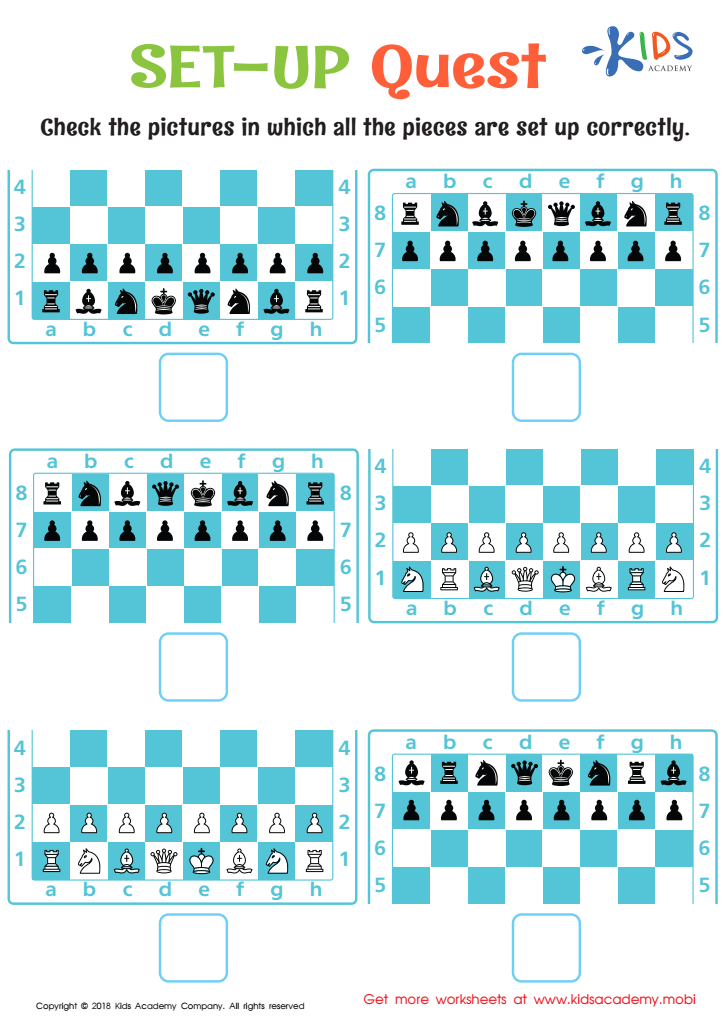
Set-up Quest Worksheet
 Assign to My Students
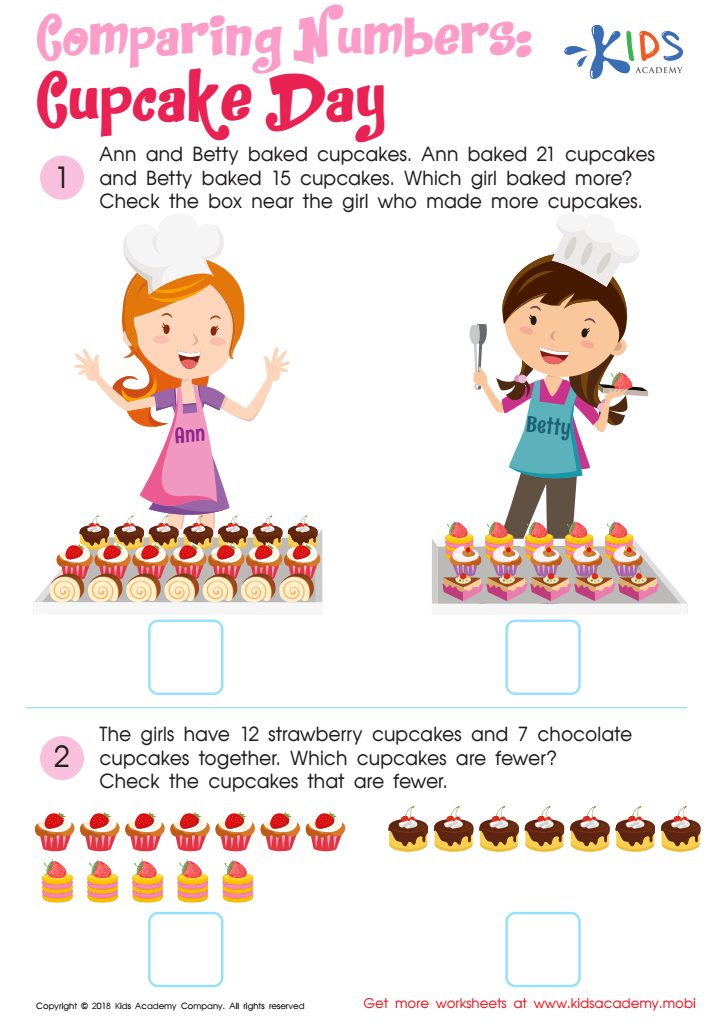
Cupcake Day Worksheet
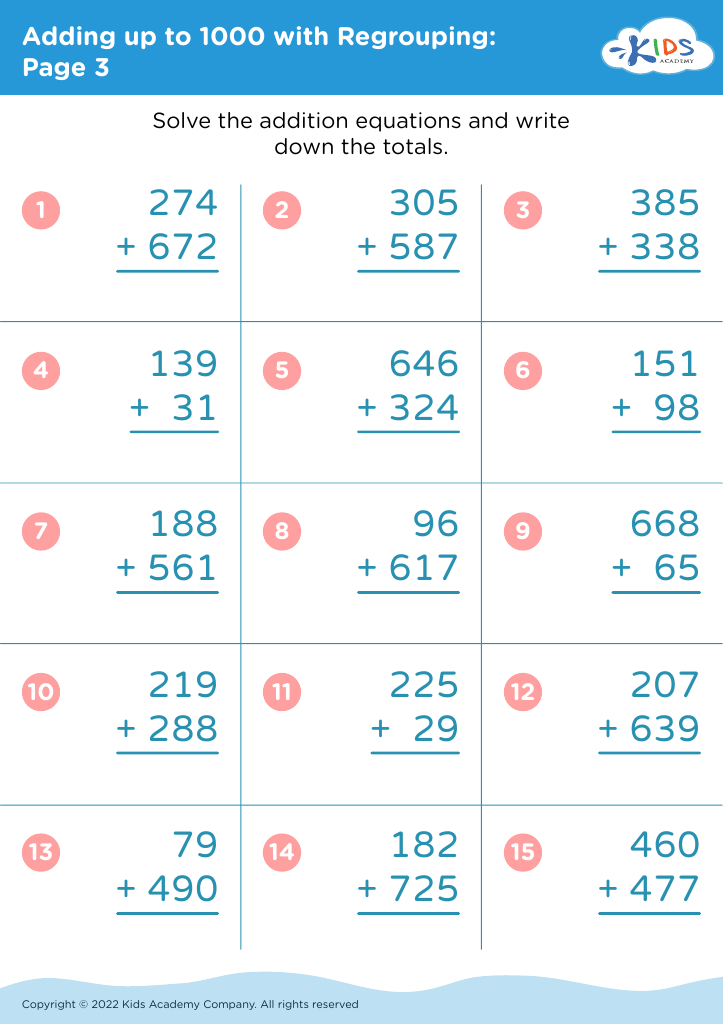








Developing sequencing skills in children aged 5-7 is crucial for their cognitive, language, and social development. Sequencing refers to the ability to arrange events or ideas in a logical order, an essential skill for reading comprehension and narrative construction. When children can sequence information, they enhance their understanding of stories, enabling them to predict outcomes and make inferences, thereby deepening their literacy skills.
Furthermore, mastery of sequencing assists young learners in grasping basic math concepts like patterns and operations, fostering critical thinking. It also underpins effective problem-solving abilities, allowing children to approach challenges systematically.
For social interactions, sequencing helps kids articulate their thoughts clearly during conversations and discussions, providing a structure that enhances communication skills. For instance, children can share experiences or explain tasks with clarity when they understand the order of events.
Parents and teachers should prioritize sequencing activities, such as storytelling, puzzles, and role plays, to nurture these skills. Through consistent engagement, children are better equipped to navigate academic challenges and social situations, laying a strong foundation for lifelong learning and interpersonal skills. In sum, focusing on sequencing not only enriches children's educational experiences but also supports their overall development.








