Developing logic skills Worksheets for Ages 5-7
4 filtered results
-
From - To
Nurture your child's critical thinking with our Developing Logic Skills Worksheets for Ages 5-7. Designed to engage young minds, these printable activities enhance problem-solving abilities, pattern recognition, and analytical thinking. Created by educational experts, the worksheets offer a delightful mix of challenges, including sequencing, analogy puzzles, and classification tasks. Perfect for both classroom and home use, they provide an effective way to boost cognitive development while keeping learning fun and interactive. Help your child build a strong foundation in logic and reasoning with our expertly crafted materials. Explore now and watch their skills flourish!
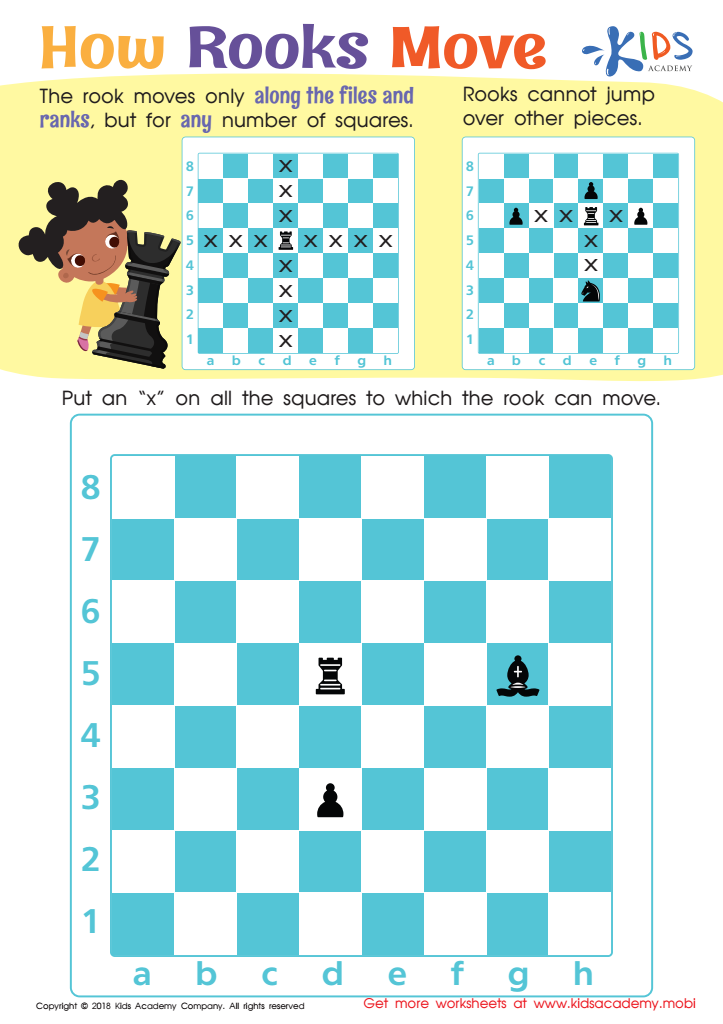
How Rooks Move Worksheet
 Assign to My Students
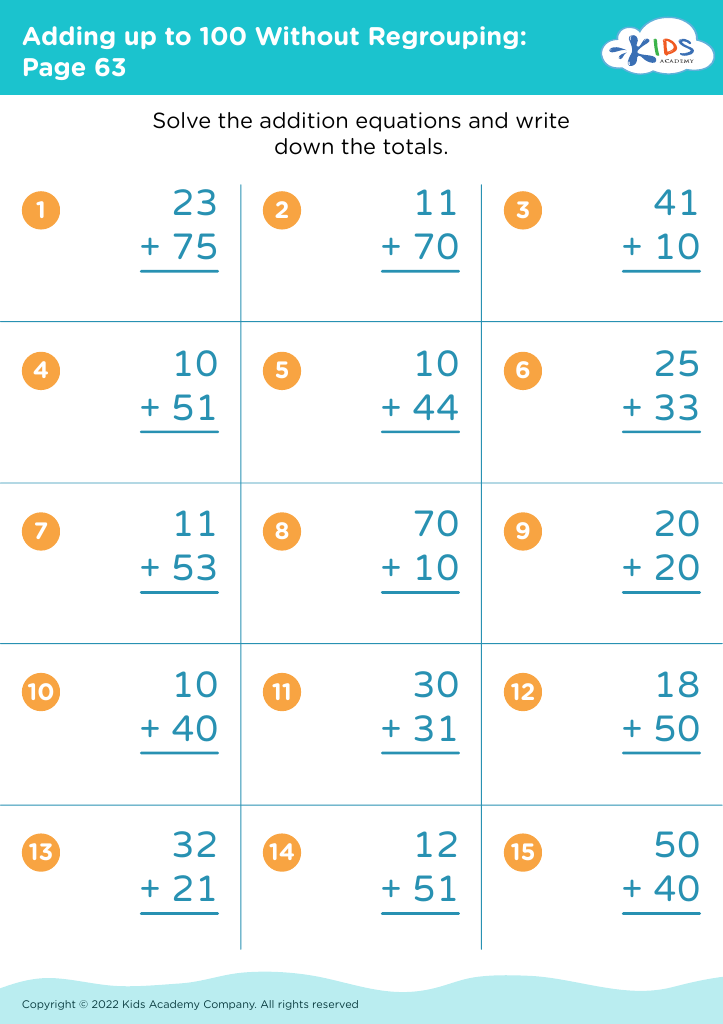
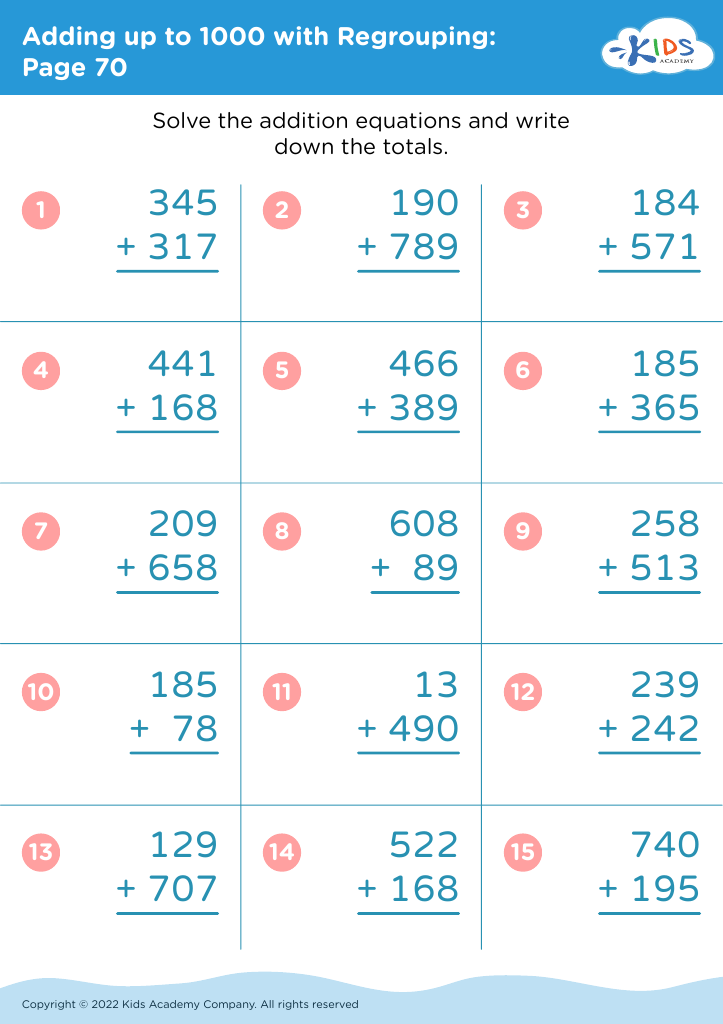
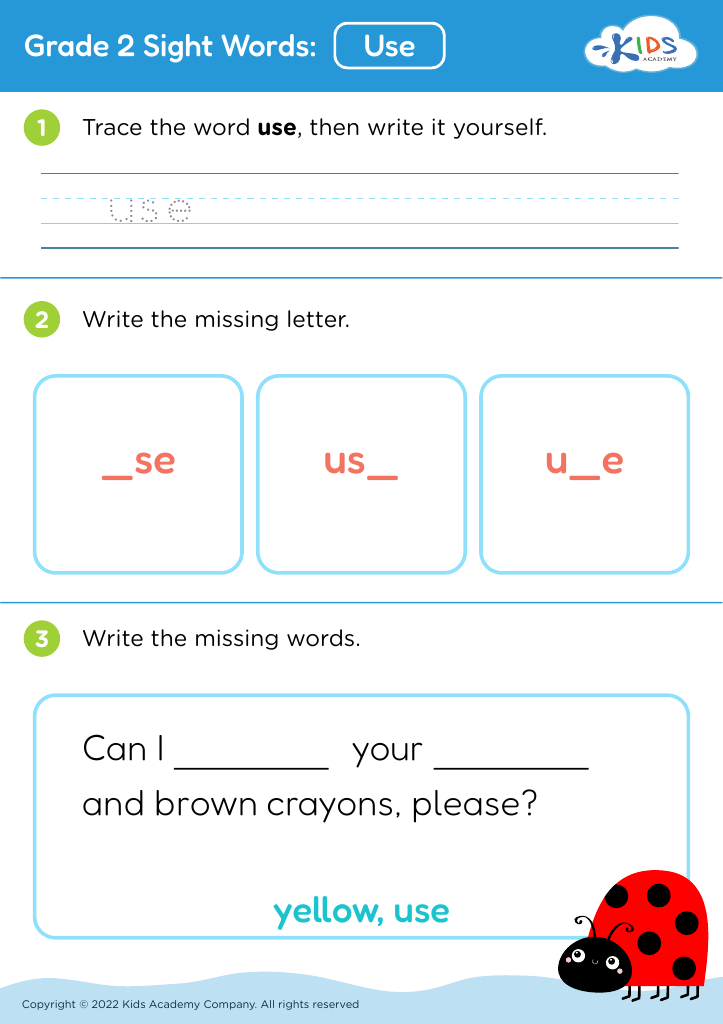








Developing logic skills in children aged 5-7 is crucial for their cognitive growth and overall academic development. These skills lay the foundation for mathematical reasoning, problem-solving abilities, and even literacy. At this young age, children are naturally curious and their brains are extraordinarily receptive to learning new concepts. Engaging their logical thinking can structure this curiosity in a way that enhances multi-step thinking and comprehension.
For parents and teachers, fostering these skills isn't just about preparing kids for school subjects; it’s about nurturing a mindset that values reasoning and evidence-based conclusions. This mindset can help children manage real-life situations more effectively, making them better at making decisions, understanding cause and effect, and thinking through problems until they find a solution.
Moreover, logic skills contribute significantly to social development. They help children to follow conversations, understand others' viewpoints, and develop empathy. Through games, puzzles, and structured play, children learn the basics of logic naturally and enjoyably.
Investing time and resources into this aspect of development ensures children are not only prepared for the rigors of formal education but also equipped with life skills. In essence, cultivating logical thinking from an early age provides children with vital tools for their intellectual and social journeys.








