Enhances number recognition Worksheets for Ages 5-7
6 filtered results
-
From - To
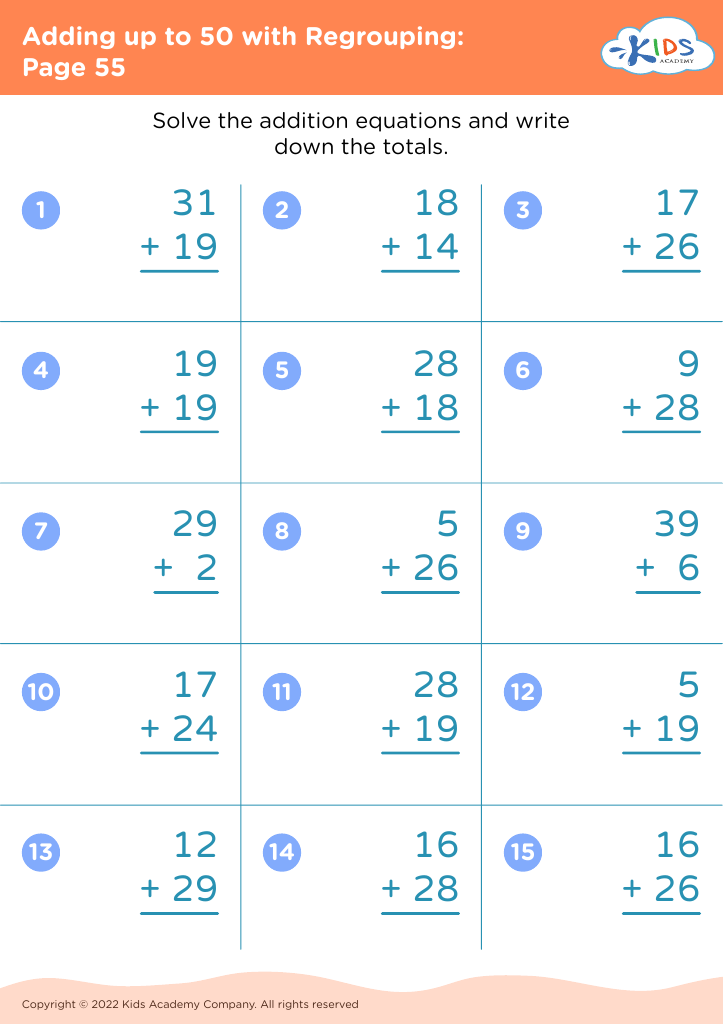
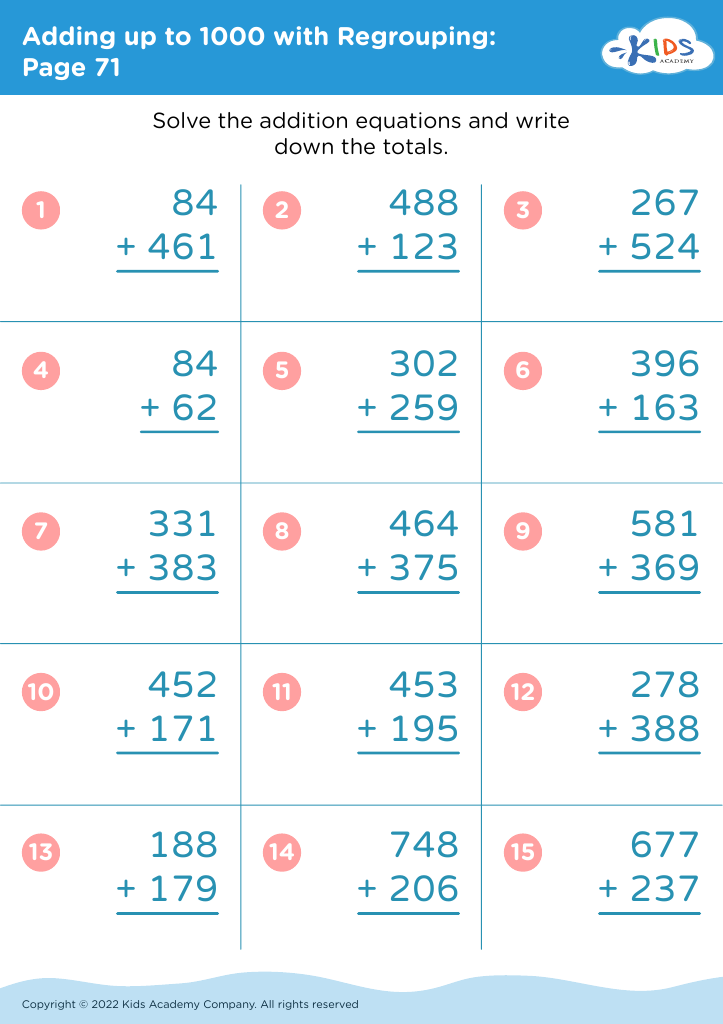
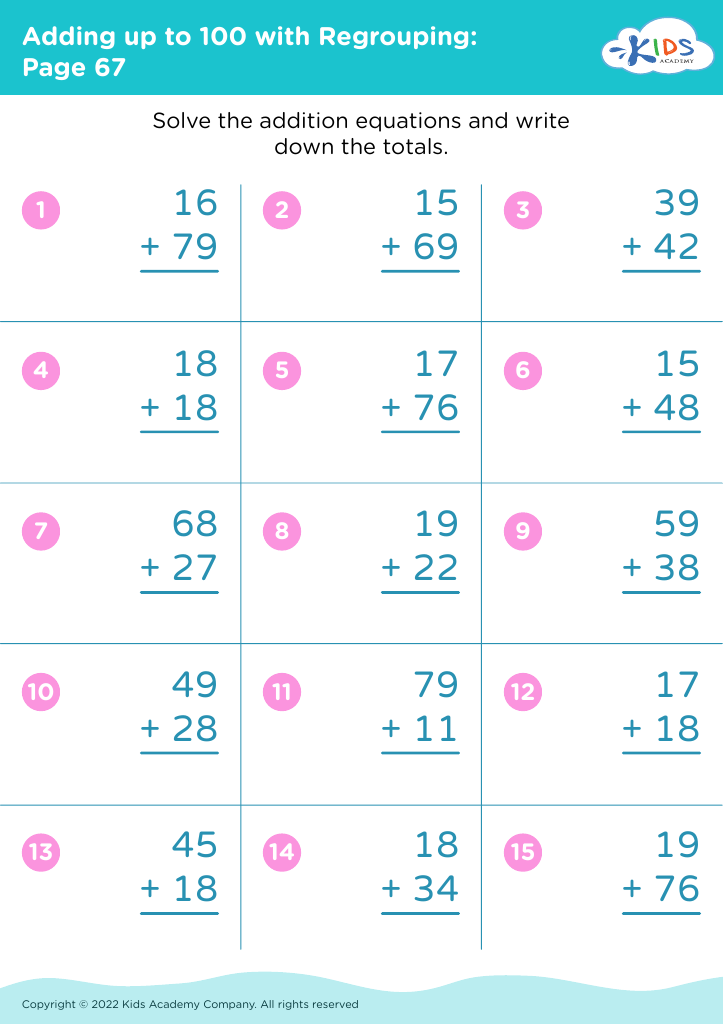
Discover our engaging "Enhances Number Recognition Worksheets" designed specifically for children aged 5-7. These worksheets aim to foster a strong foundation in number recognition through fun and interactive activities. Each sheet features colorful visuals and age-appropriate exercises that make learning enjoyable while reinforcing essential math skills. Your child will practice identifying, counting, and writing numbers in a variety of ways, ensuring retention and comprehension. Perfect for parents and educators alike, our worksheets serve as an excellent resource for enhancing classroom learning or home study. Empower your child's mathematical journey with our thoughtfully crafted number recognition materials!
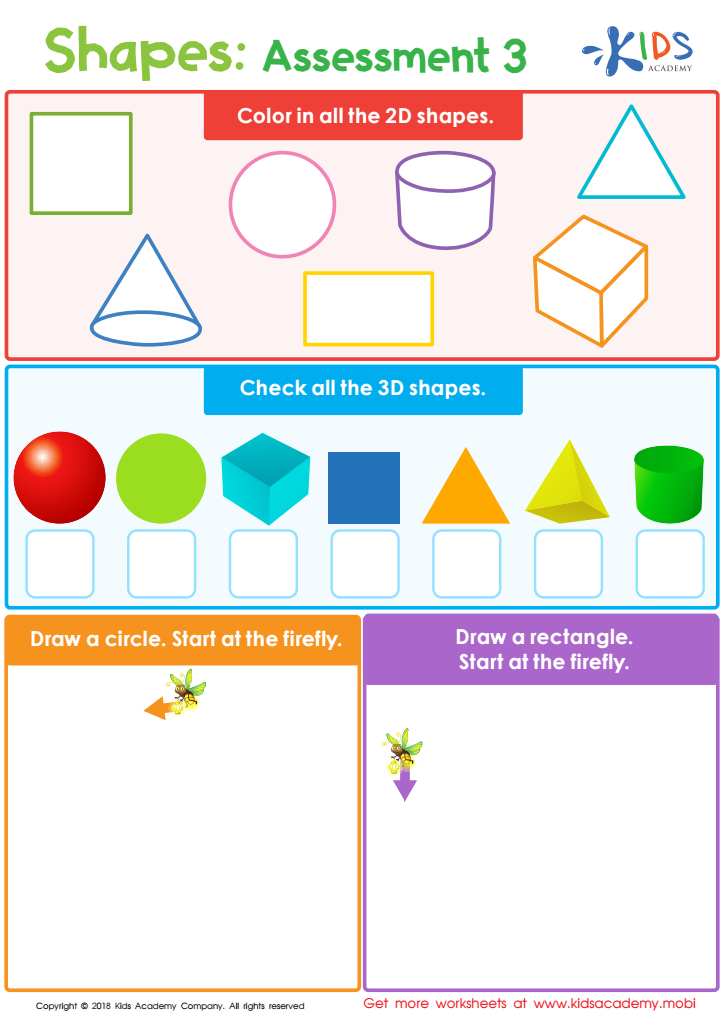
Shapes: Assessment 3 Worksheet
 Assign to My Students







Enhancing number recognition in children aged 5-7 is crucial for their overall mathematical development and academic success. At this stage, children begin to form foundational skills essential for more complex concepts later in their educational journey. Recognizing numbers is the first step toward understanding quantities, performing basic arithmetic operations, and eventually tackling more advanced math.
Incorporating number recognition into daily routines and play helps children build confidence as they engage with math in a fun and meaningful way. Parents and teachers play a pivotal role in this process by providing opportunities for practice through games, real-world applications, and interactive activities. When children are adept at recognizing numbers, they become more proficient in counting, telling time, and doing simple calculations, which fosters a positive attitude towards math.
Moreover, strong number recognition skills support future learning in subjects such as science and logic, where quantitative reasoning is necessary. As mathematics is critical in numerous life contexts—financial literacy, problem-solving, and critical thinking—nurturing these skills at an early age helps prepare children for a successful future. By emphasizing number recognition, parents and teachers contribute to building a solid foundation for academic achievement and lifelong learning.








