Fractions understanding Worksheets for Ages 5-7
3 filtered results
-
From - To
Discover our engaging Fractions Understanding Worksheets designed for children ages 5-7! These thoughtfully crafted activities help young learners grasp basic fraction concepts through colorful visuals and fun exercises. From identifying fractions to comparing them, these worksheets make learning about fractions enjoyable and interactive. Perfect for classroom use or at-home practice, our resources cater to diverse learning styles, ensuring that every child builds a solid foundation in math. Foster your child's mathematical skills while boosting their confidence with our comprehensive collection of fraction worksheets that inspire curiosity and critical thinking. Start your child's journey into the world of fractions today!
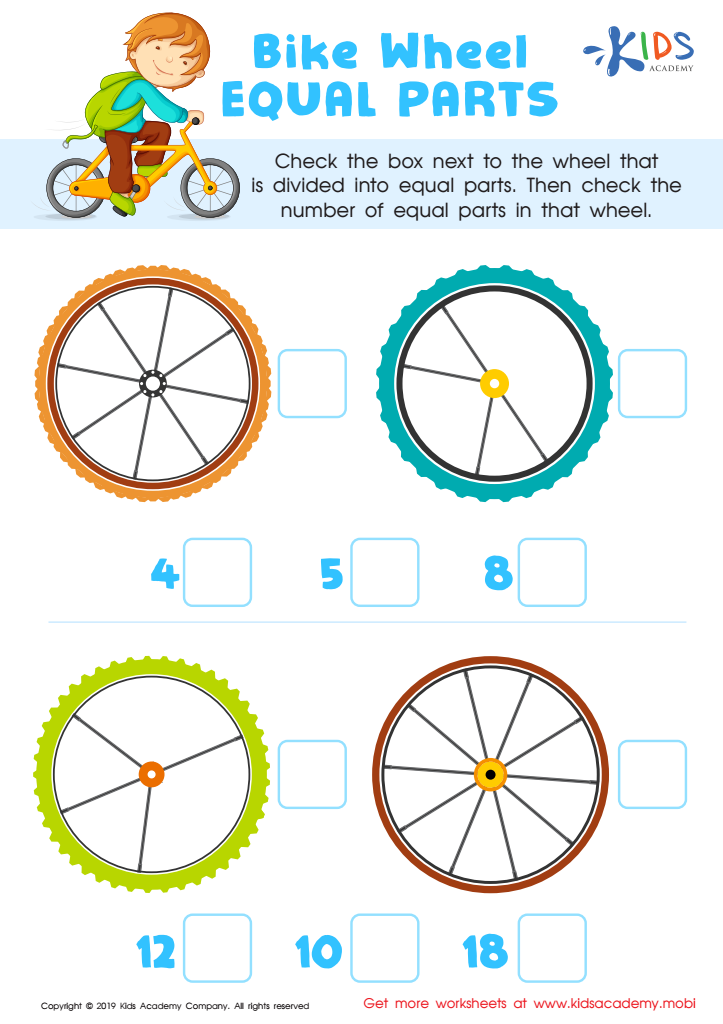
Bike Wheel Equal Parts Worksheet
 Assign to My Students
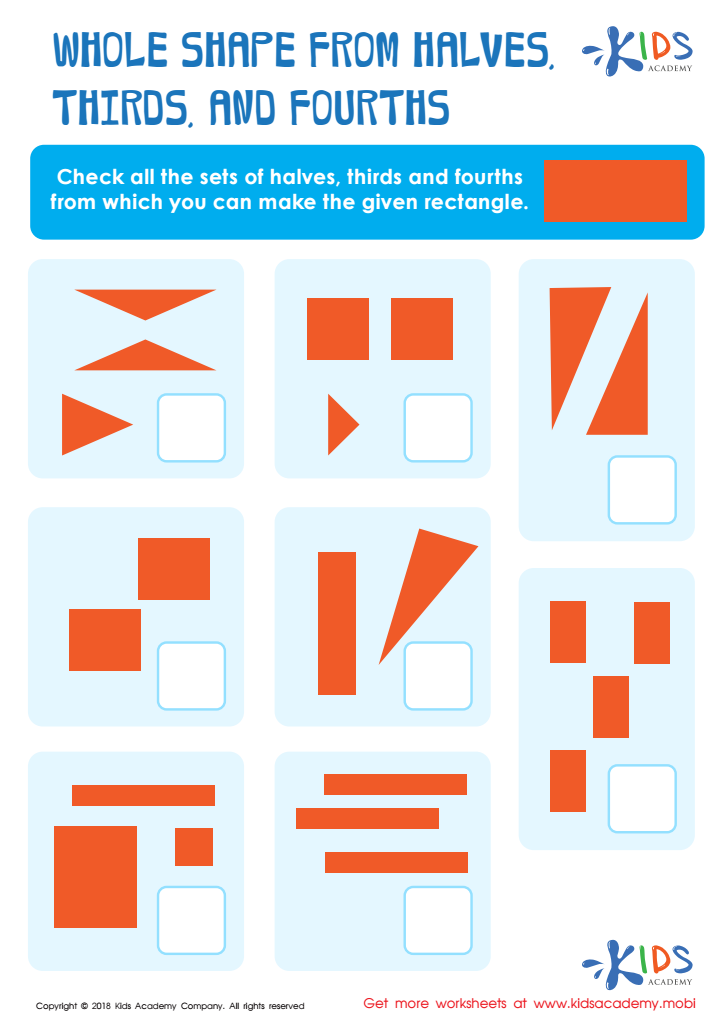
Whole Shape from Halves, Thirds and Fourths Worksheet






Understanding fractions is crucial for young children, particularly ages 5-7, as it forms the foundation for their mathematical skills and reasoning. At this stage, children begin to develop number sense, which is essential for more complex mathematical concepts later on. Grasping fractions helps them recognize part-whole relationships, a concept prevalent in everyday life—from sharing snacks to measuring ingredients in cooking.
Moreover, fostering a solid understanding of fractions can improve children's problem-solving abilities. It encourages logical thinking and boosts their capability to make connections between different mathematical ideas, such as division and multiplication, which often involve fractions.
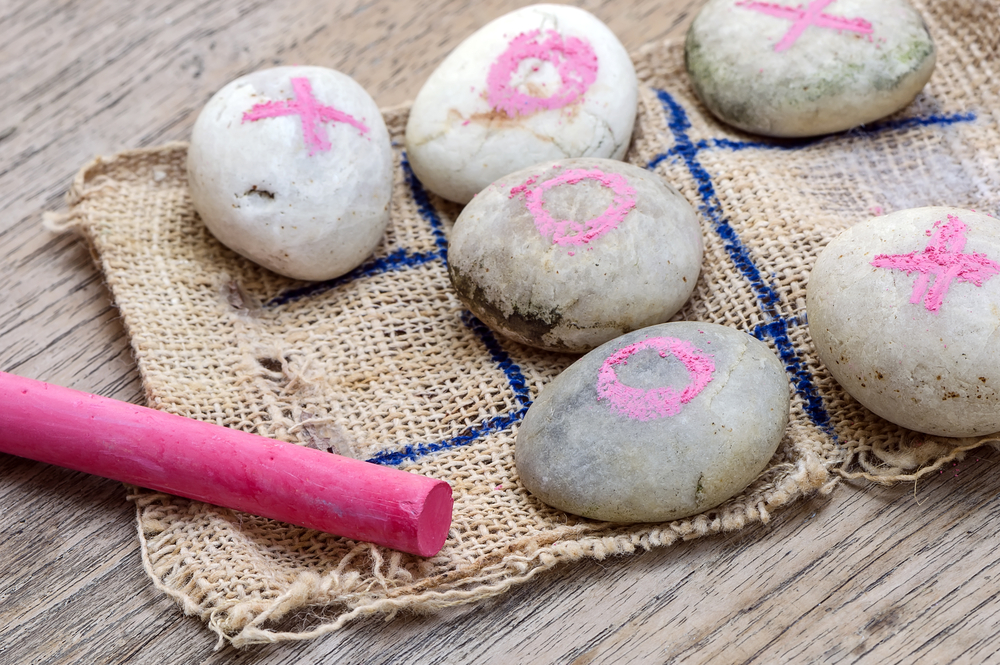
Parents and teachers play a vital role in this developmental phase. Encouraging playful, hands-on learning experiences related to fractions—like using visual aids or manipulatives—can make the concept more accessible and engaging. By implementing fraction games and real-world applications, children can witness the relevance of fractions in their daily lives, leading to increased motivation and curiosity.
Ultimately, when caregivers prioritize fraction understanding, they empower children with tools and skills that will support their academic journeys, enhance their critical thinking, and prepare them for future success in mathematics and beyond.








