Improves hand-eye coordination Worksheets for Ages 5-7
3 filtered results
-
From - To
Welcome to our collection of engaging worksheets designed to improve hand-eye coordination for children ages 5-7! These resources are thoughtfully crafted to promote essential motor skills through fun and interactive activities. Each worksheet encourages young learners to practice their coordination through tracing, connecting dots, and simple puzzles, enhancing their visual perception and fine motor skills. Ideal for at-home learning or classroom settings, our worksheets empower children to improve their dexterity while having fun. Discover the perfect blend of education and entertainment that supports developmental growth! Start your child’s journey to enhanced hand-eye coordination today!
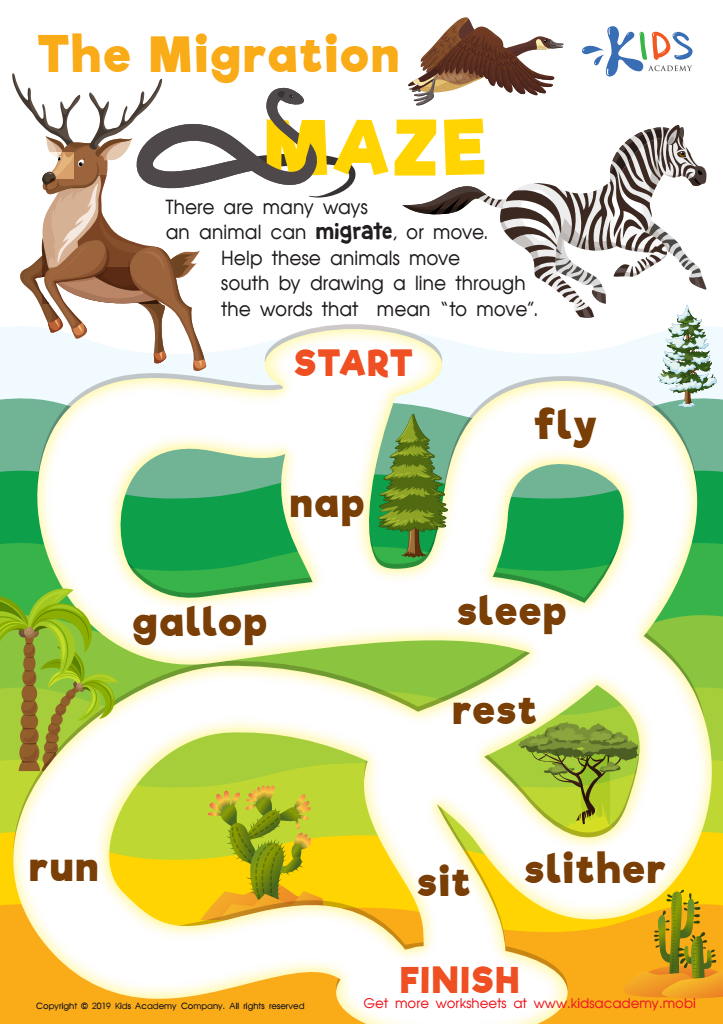
The Migration Maze Worksheet
 Assign to My Students
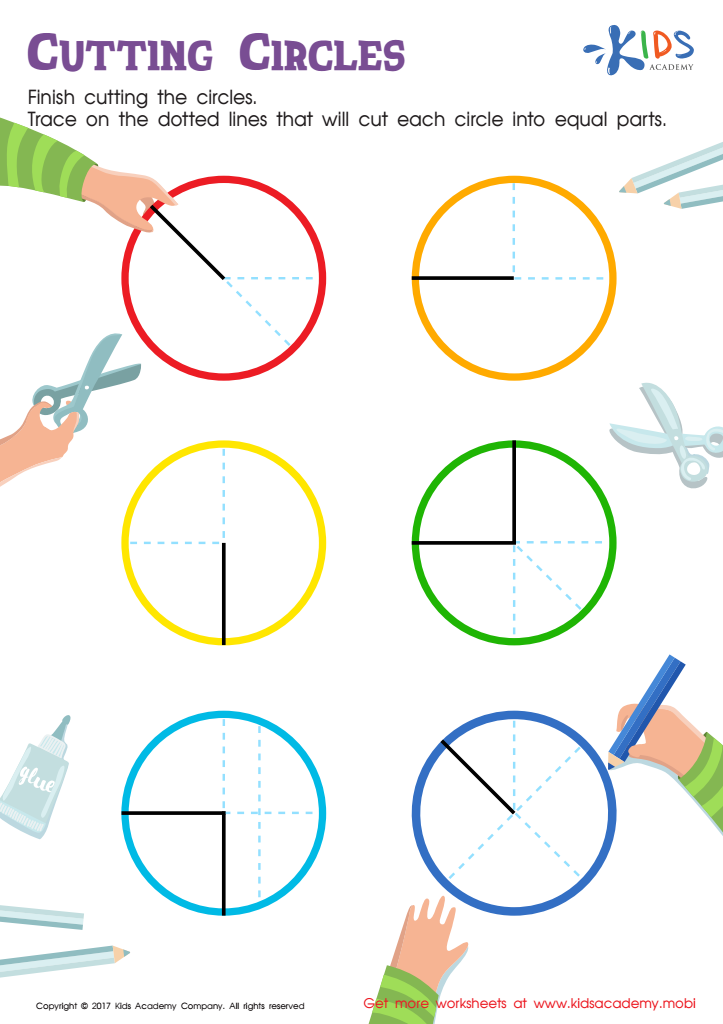
Cutting Circles Worksheet
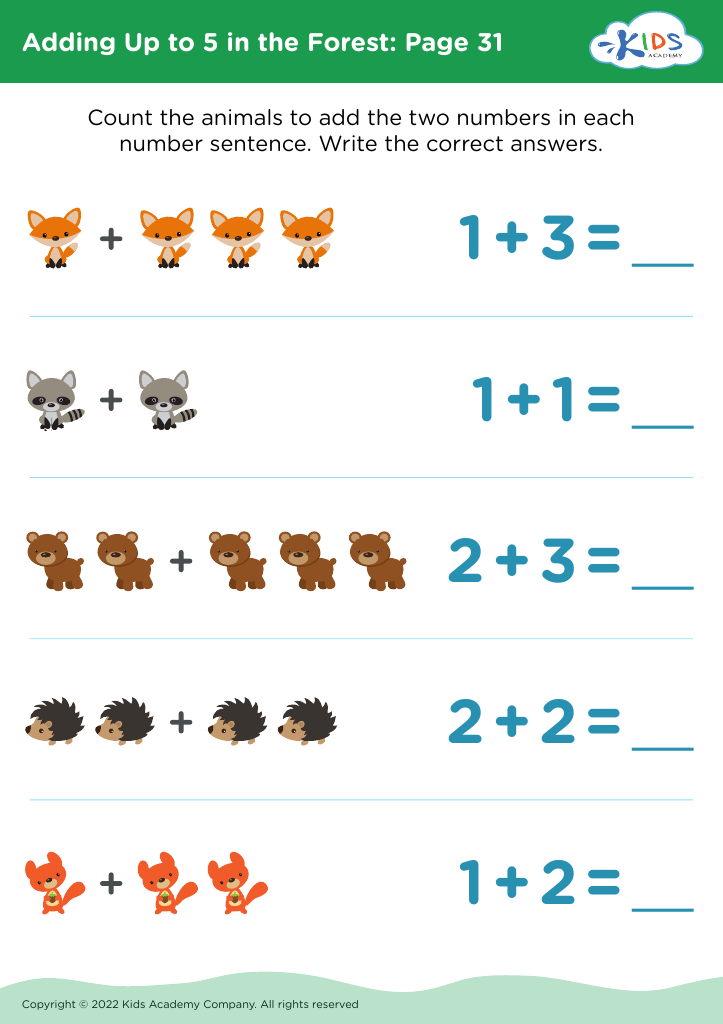



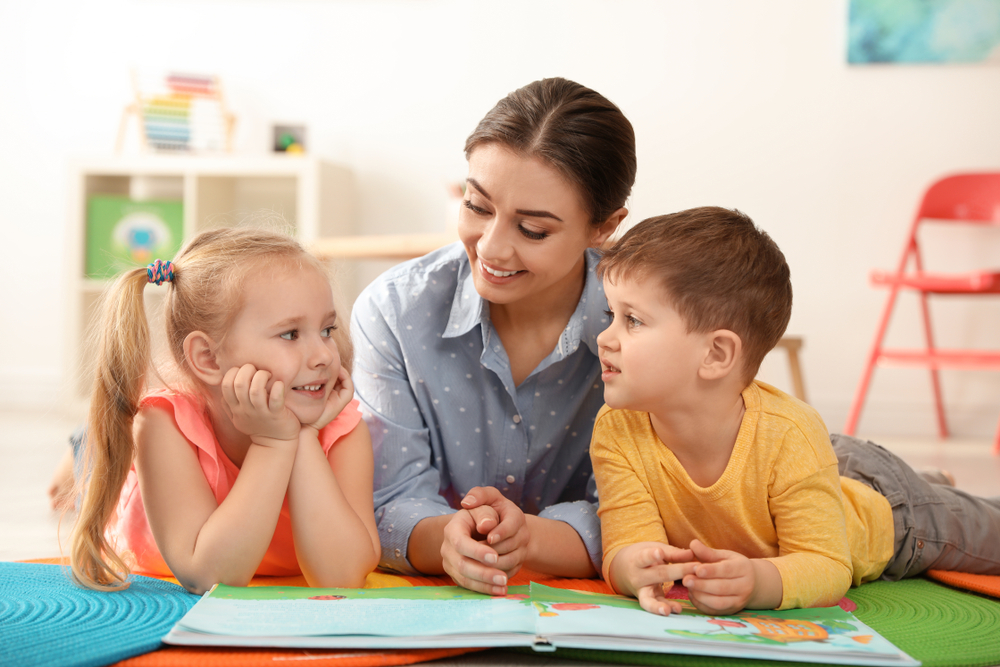


Improving hand-eye coordination is vital for children aged 5 to 7, and it greatly impacts their overall development. At this age, children are still refining their motor skills, and enhancing hand-eye coordination lays the foundation for various activities such as writing, drawing, and playing sports. Parents and teachers should care about this development because it promotes independence and self-confidence in young learners.
Better hand-eye coordination helps children excel academically, as they become more adept at tasks that require fine motor skills. For example, writing letters, using scissors, and completing puzzles all rely on effective hand-eye coordination. Furthermore, it plays a crucial role in their physical activities, allowing them to engage fully in sports and games, which promotes social skills and teamwork.
Moreover, activities that foster hand-eye coordination can be enjoyable, making learning fun and interactive. Simple exercises—like throwing and catching, arts and crafts, and interactive video games—can significantly enhance these skills. In addition, developing these abilities early on can help prevent frustration and anxiety associated with challenges in school and social experiences later in life. Consequently, prioritizing hand-eye coordination skills will create a solid foundation for children’s lifelong learning and physical activities.








