Improving math skills Worksheets for Ages 5-7 - Page 2
36 filtered results
-
From - To
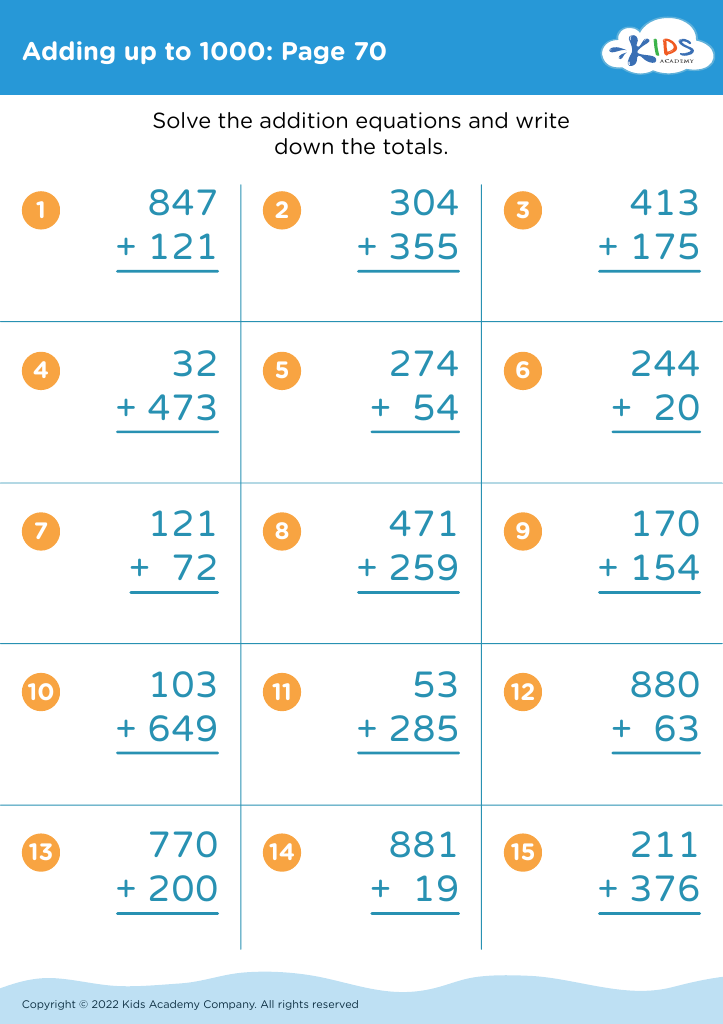
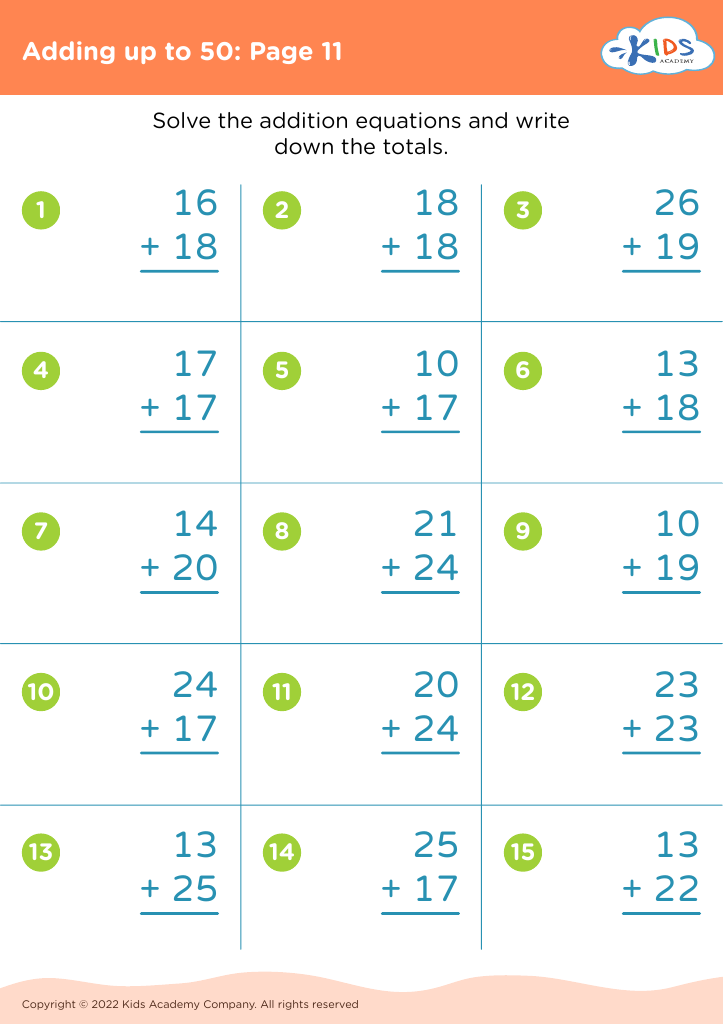
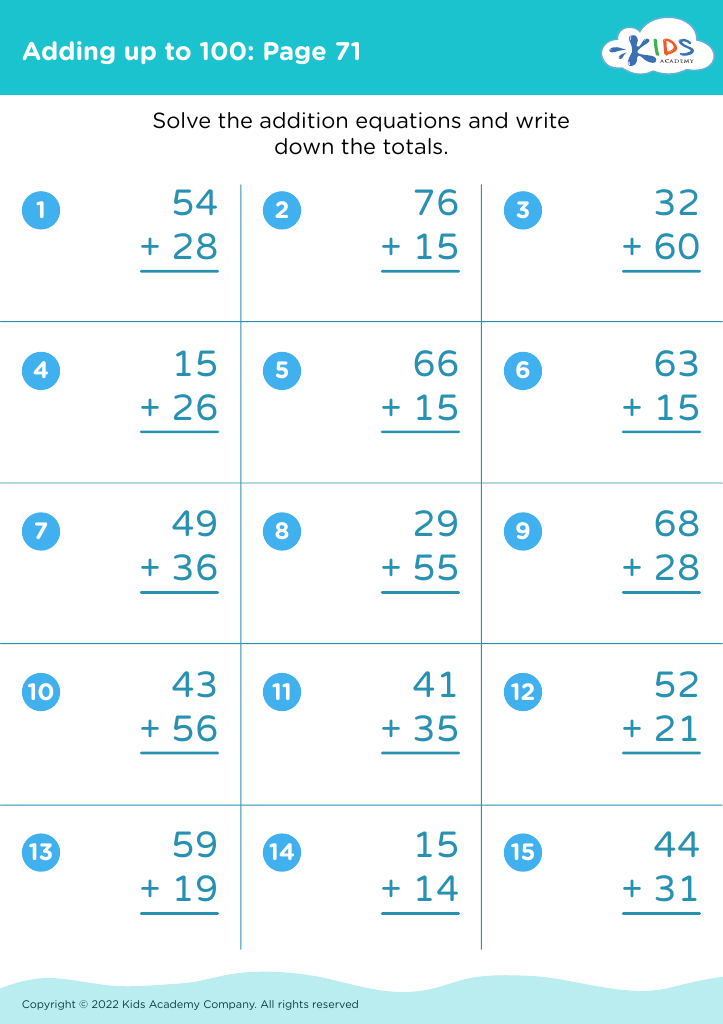
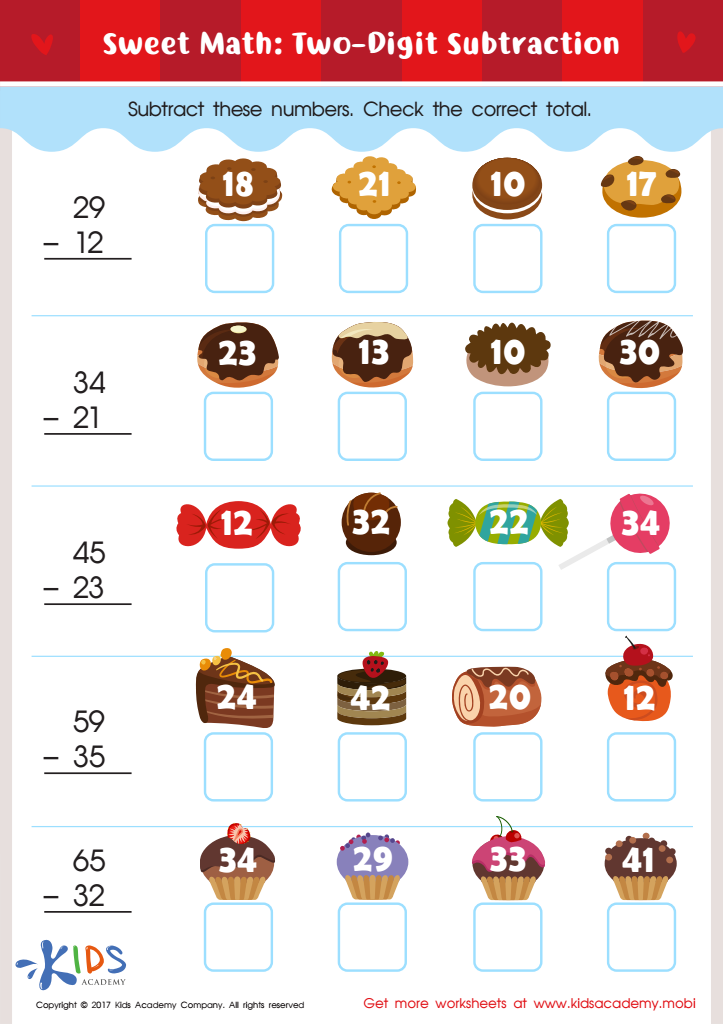
Two Digit Subtraction Worksheet
 Assign to My Students
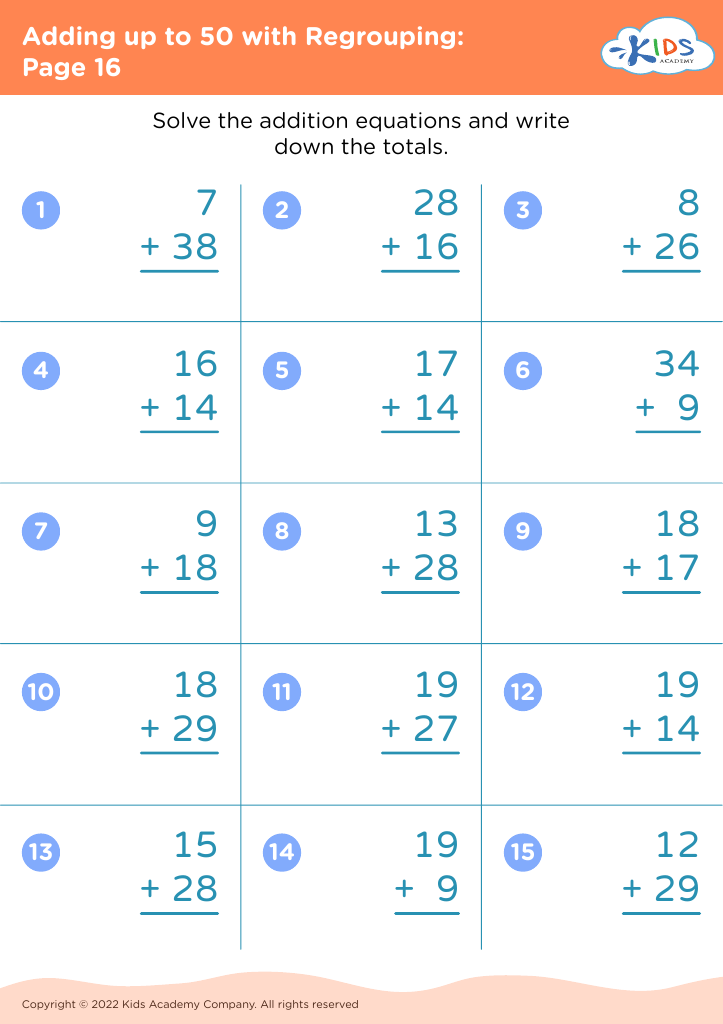
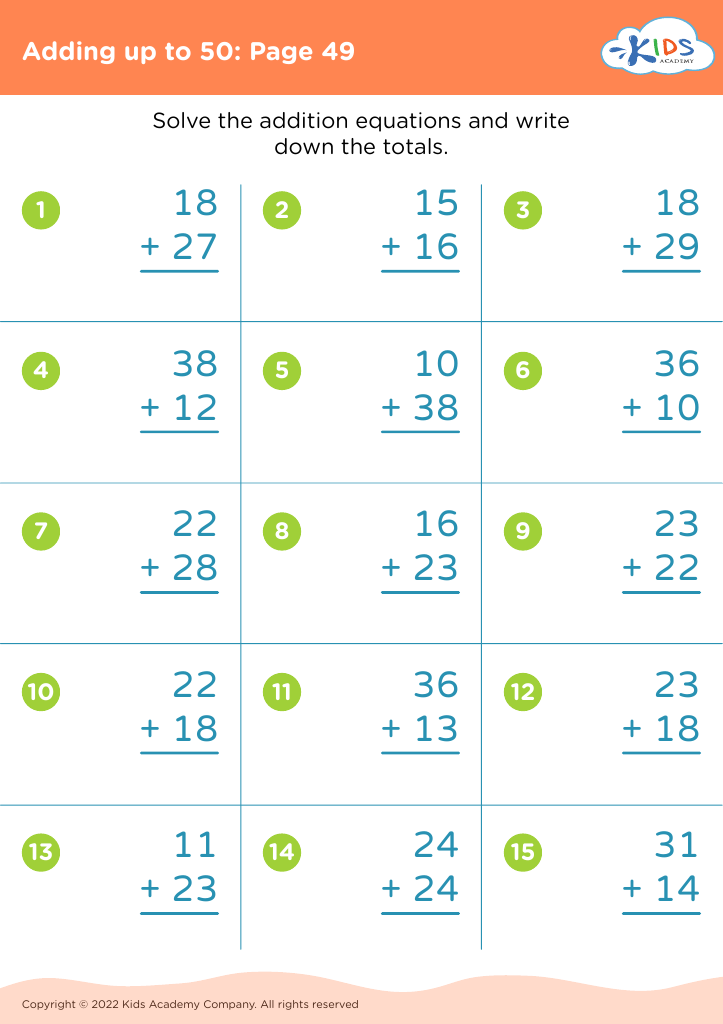
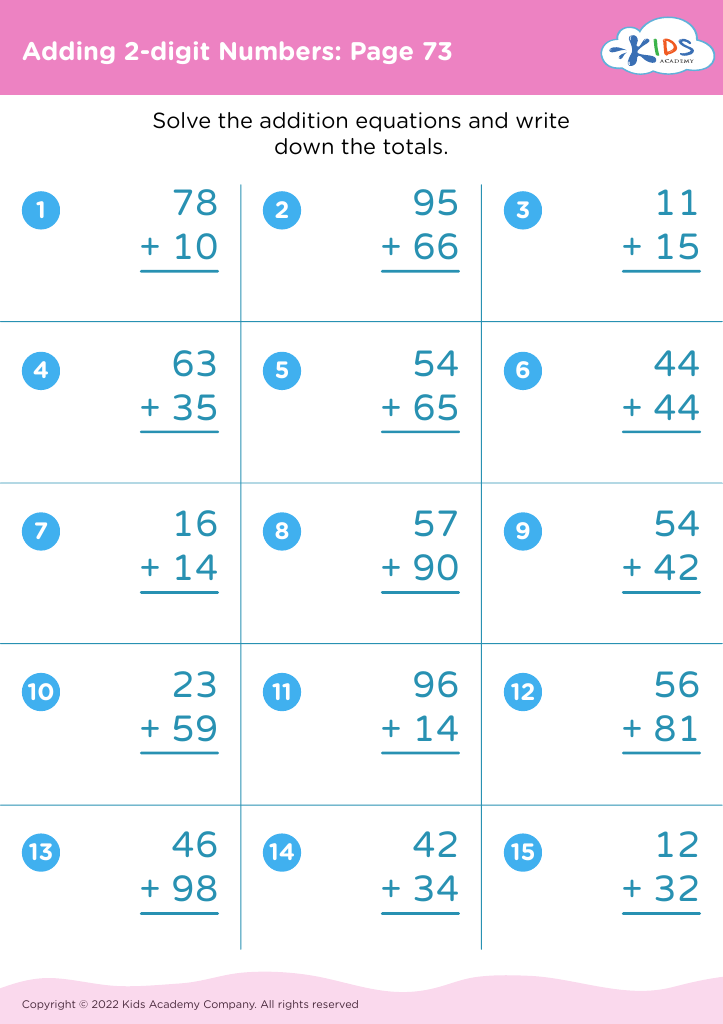
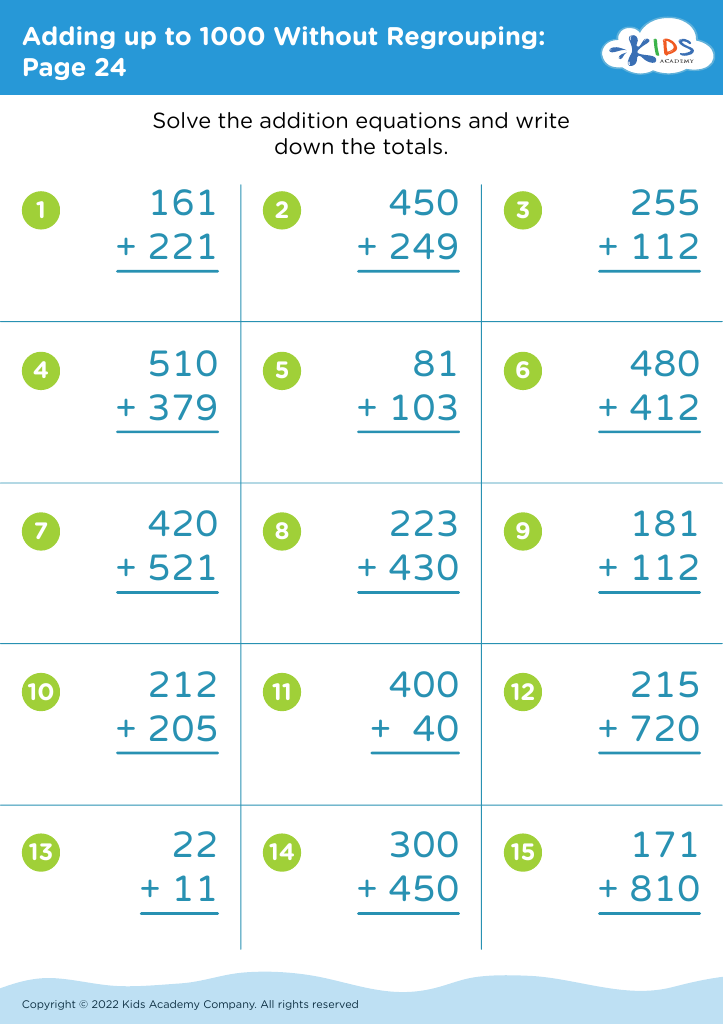






Improving math skills for children ages 5-7 is crucial because these early years are foundational for their cognitive development. During this period, young brains undergo rapid growth and are highly receptive to new concepts. Introducing basic math skills helps children develop critical thinking, problem-solving abilities, and analytical thinking, which are essential for their overall academic success and daily life tasks.
Math proficiency at this age also fosters a positive attitude towards the subject, reducing math anxiety and building confidence in their ability to tackle challenges. Concepts like counting, recognizing numbers, basic addition and subtraction, and understanding shapes and patterns form the building blocks for more complex mathematical concepts they will encounter later.
Parents and teachers play a pivotal role in nurturing these skills by providing appropriate activities, resources, and encouragement. Engaging math-related games, practical hands-on experiences, and integrating math into everyday routines make learning enjoyable and meaningful for young children. Cultivating an early appreciation and competency in math sets the stage for future success not only in math but also in science, technology, engineering, and mathematics (STEM) fields.
In summary, investing time and effort into improving math skills during ages 5-7 promotes a strong educational foundation, enhances overall intellectual development, and prepares children for a lifetime of learning and problem-solving.








