Improving observational skills Worksheets for Ages 5-7
5 filtered results
-
From - To
Enhance your child's observational skills with our engaging worksheets designed specifically for ages 5-7! These interactive activities encourage young learners to focus on details, recognize relationships, and make connections. Through fun exercises like identifying patterns, spotting differences, and describing images, children will boost their attention and critical thinking abilities. Tailored to support early development, our worksheets make learning enjoyable while fostering essential skills for future success. Perfect for parents and teachers alike, these resources provide a comprehensive approach to observational training, ensuring a solid foundation for any child’s educational journey. Explore our collection today and watch your child's skills flourish!
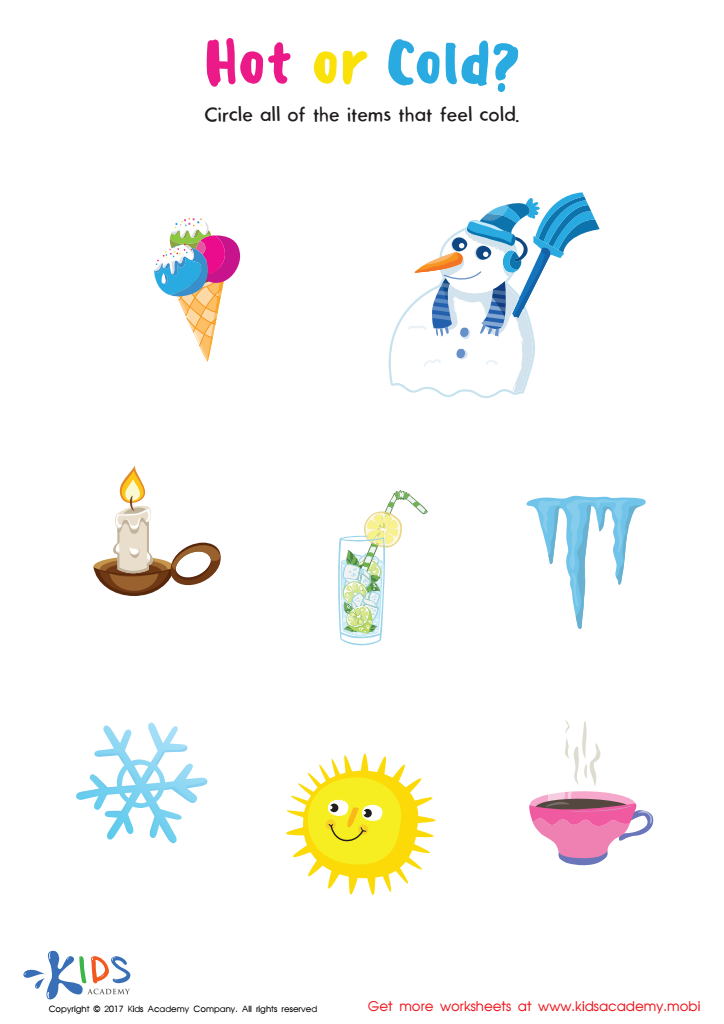
Hot or Cold Printable
 Assign to My Students
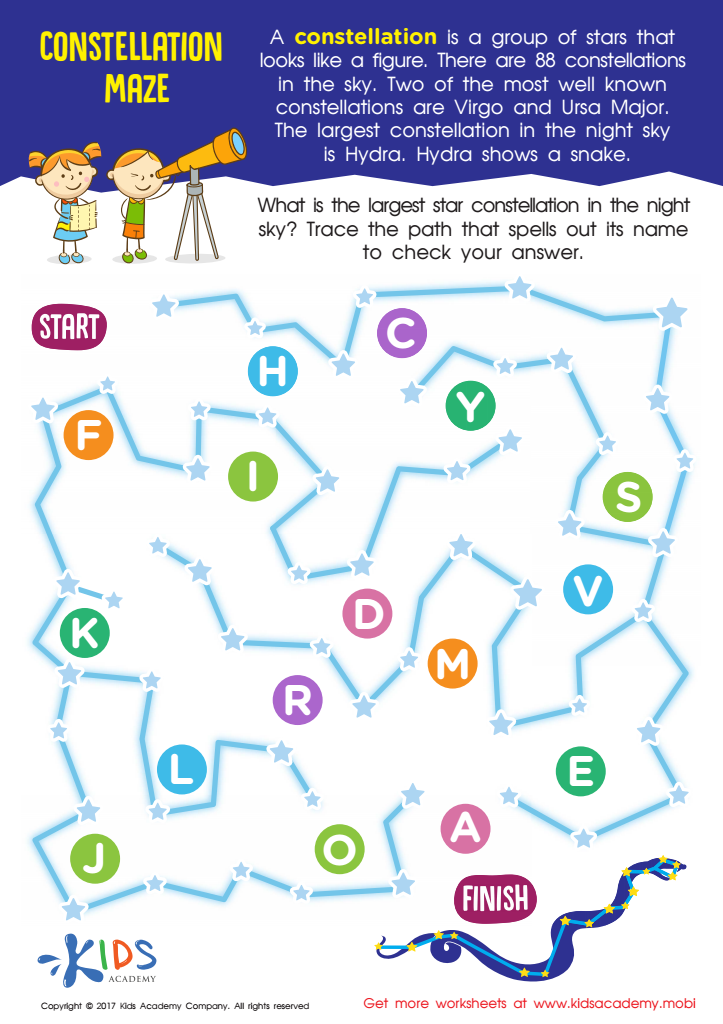
Constellations Worksheet
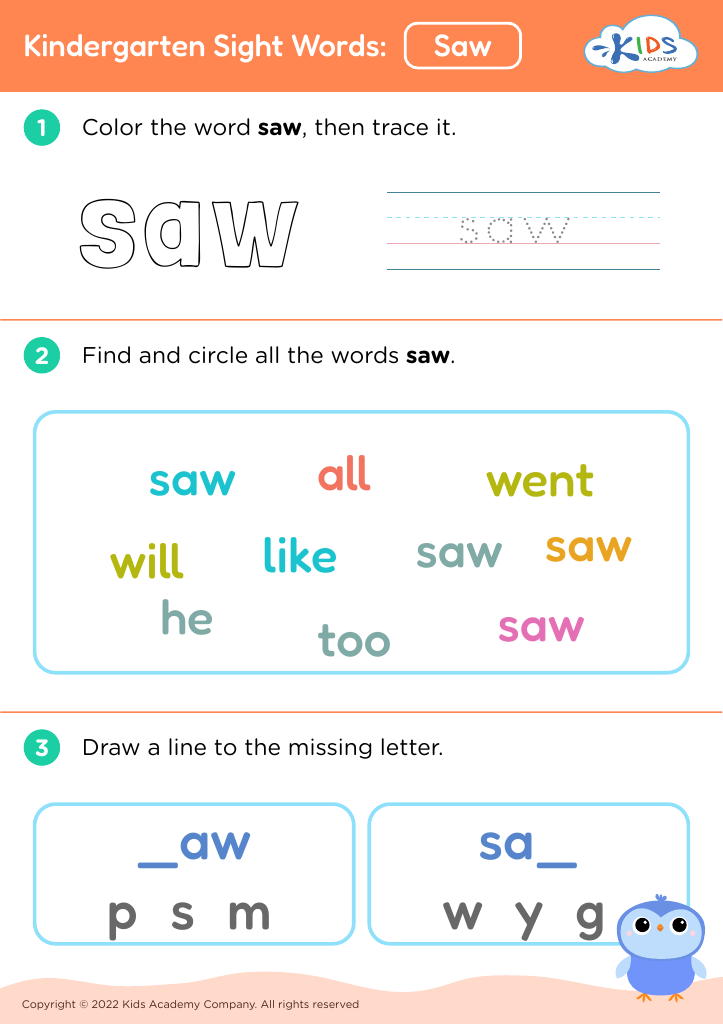






.jpg)

Improving observational skills in children aged 5-7 is crucial for several reasons. At this developmental stage, children are naturally curious and eager to explore their surroundings. Strengthening their observational skills enhances this curiosity, enabling them to notice details, patterns, and relationships in their environment. This skill not only fosters a greater understanding of the world around them but also lays the groundwork for critical thinking and problem-solving abilities.
Additionally, these skills are integral to learning across various subjects. For instance, in science, observation is foundational; children learn to make hypotheses and draw conclusions based on what they see. In literacy, keen observation improves comprehension—students become more adept at noticing character traits or settings in stories. Socially, better observational skills enhance empathy and communication, helping children recognize non-verbal cues and emotions in their peers.
Moreover, developing observational skills can improve focus and attention, reducing distractions and promoting mindfulness amongst young learners. By cultivating these skills, parents and teachers empower children to become active participants in their learning journeys, fostering independence, creativity, and a lifelong love of inquiry. Therefore, prioritizing observational skills is essential for holistic child development.








