Number formation Worksheets for Ages 5-7
3 filtered results
-
From - To
Discover the perfect tool to boost number writing skills with our Number Formation Worksheets for ages 5-7. Designed to enhance fine motor skills and numerical understanding, these worksheets provide engaging exercises that make learning fun and effective. Each sheet features visually appealing number tracing activities to guide young learners in forming numbers correctly while practicing essential counting skills. Ideal for both classrooms and home learning, our worksheets help build a strong foundation in math from an early age. Equip your child with the confidence and competence to master numbers through our user-friendly and educational worksheets today!
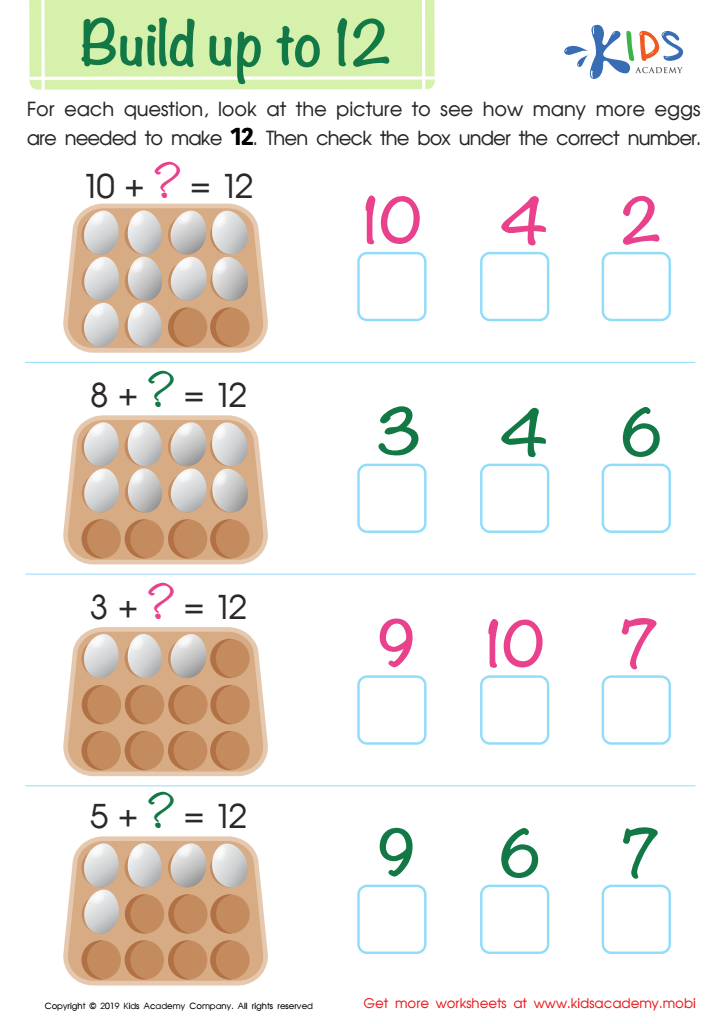
Build up to 12 Worksheet
 Assign to My Students
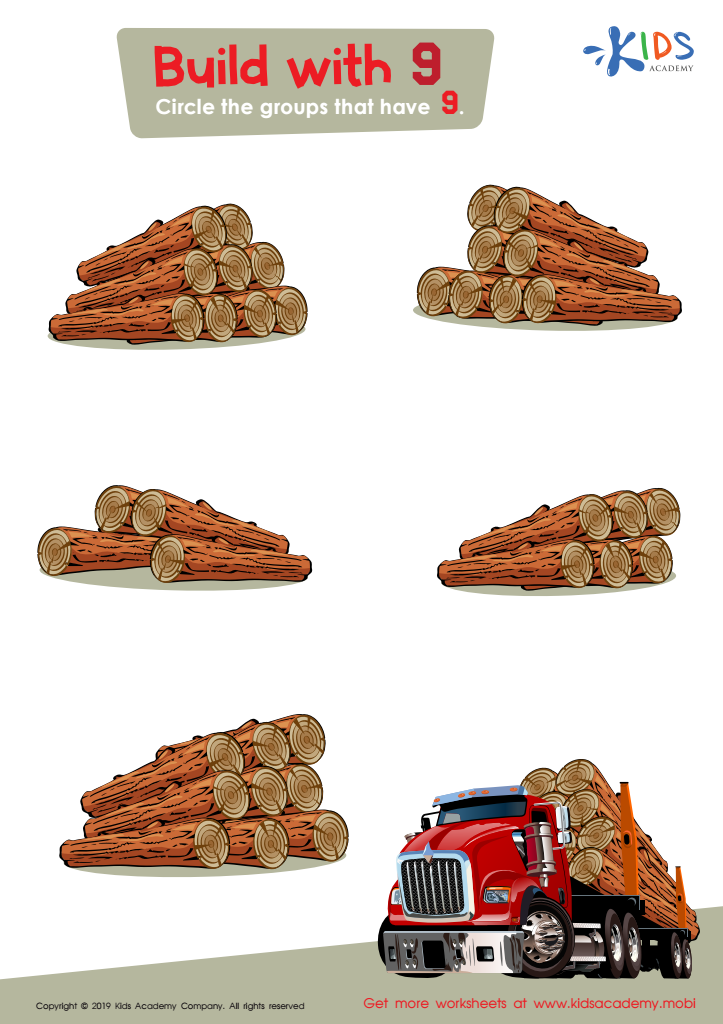
Build with 9 Worksheet
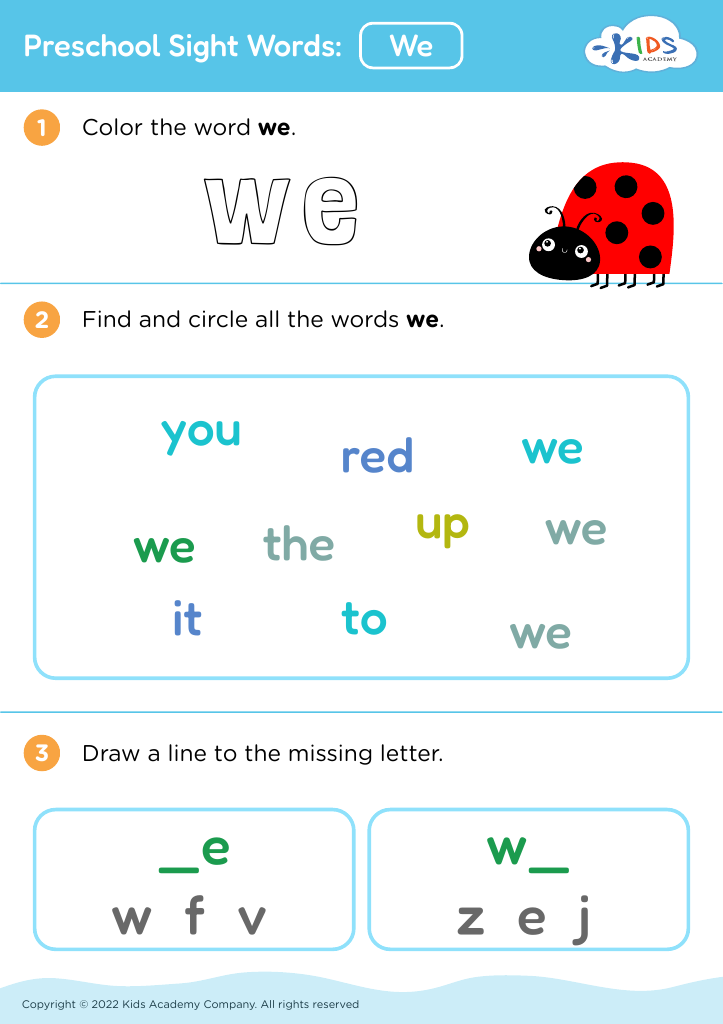








Number formation is a foundational skill critical for young learners aged 5-7, and its importance cannot be overstated for several key reasons. Firstly, proper number formation sets the stage for legible and clear handwriting. When children learn to write numbers correctly, it reduces confusion and errors, facilitating better comprehension and communication. Secondly, proper formation aids in cognitive development by reinforcing the concepts of directionality and spatial awareness. These skills are fundamental for more complex mathematical tasks and activities, aligning well with early numeracy goals.
Moreover, well-formed numbers can significantly boost a child's confidence and enthusiasm for mathematics and related subjects. Positive early experiences in math can lead to a more favorable attitude towards the subject, promoting a long-term interest and higher achievement. Both teachers and parents play a pivotal role in instilling these skills through consistent practice and encouragement.
Finally, solid number formation skills contribute significantly to academic success. Early mastery of these skills ensures a smoother progression into more advanced math tasks, from simple arithmetic to problem-solving scenarios. Teachers and parents who invest time in teaching and practicing number formation contribute to building a strong foundation for a child's educational journey, ultimately setting the stage for future academic success.








