Observational skills Worksheets for Ages 5-7 - Page 2
29 filtered results
-
From - To
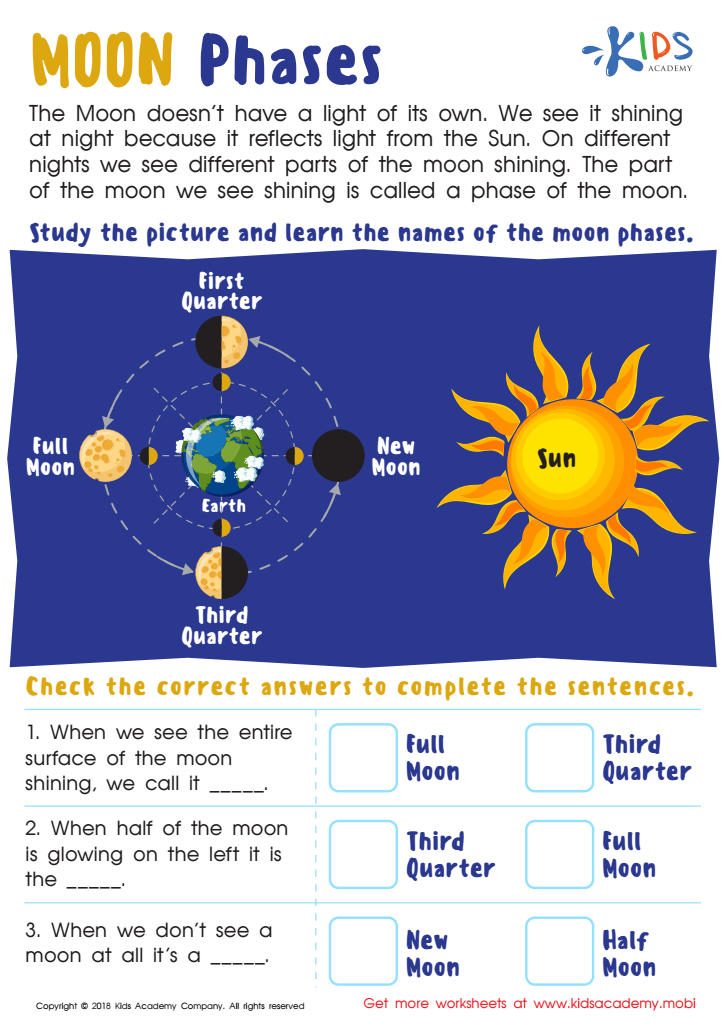
Moon Phases Worksheet
 Assign to My Students
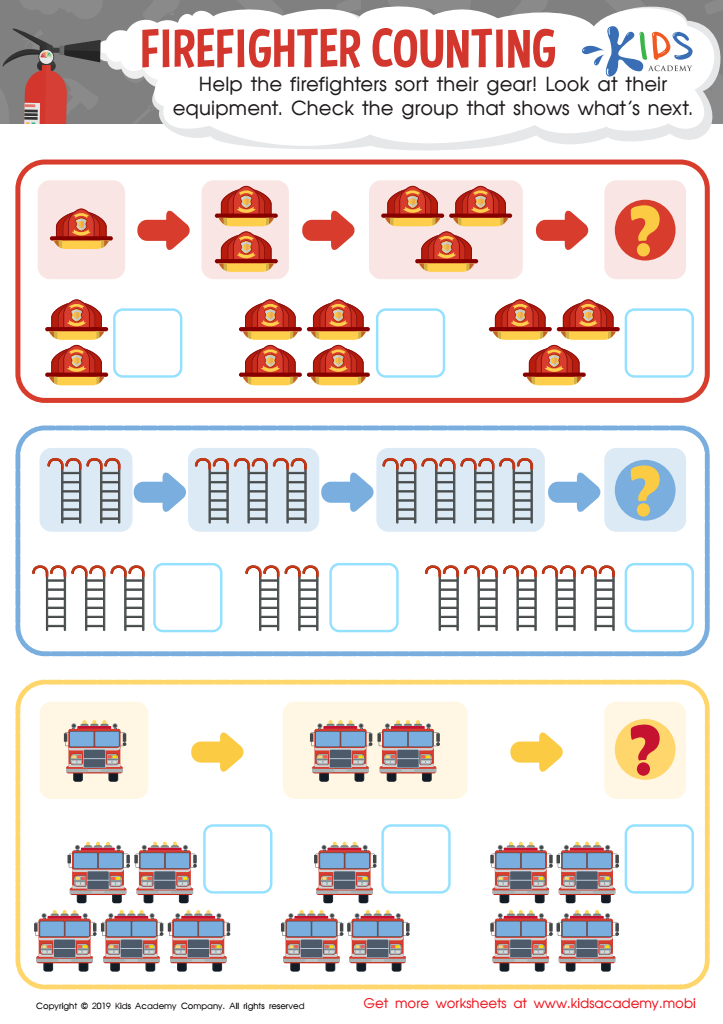
Firefighter Counting Worksheet
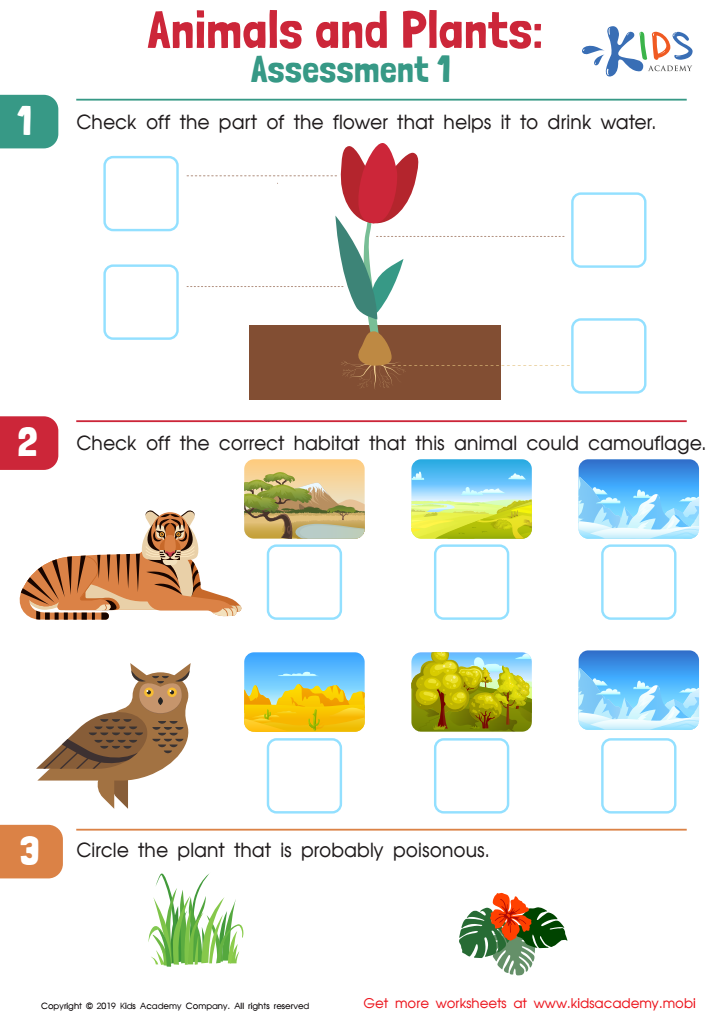
Animals and Plants: Assessment 1 Worksheet
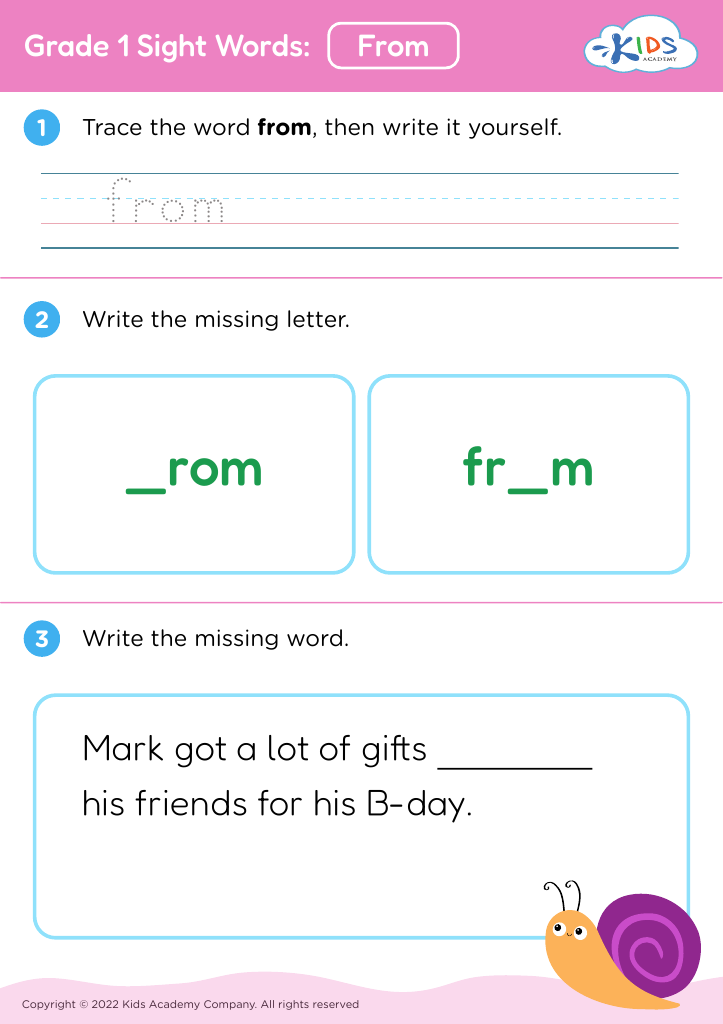







Observational skills are vital for children aged 5 to 7 as they form the foundation for their cognitive, social, and emotional development. At this formative stage, children are naturally curious and eager to explore their environment. By honing observational skills, they learn to notice details, recognize patterns, and make connections, which are essential for problem-solving and critical thinking.
Parents and teachers play a crucial role in nurturing these skills. Through observation, children can engage with their surroundings, enhancing their understanding and encouraging independent thinking. For instance, when they observe the color and shape of leaves, they develop awareness of nature and begin to grasp scientific concepts.
Moreover, strong observational skills foster effective communication. Children who can articulate what they see and experience can better express their thoughts and feelings. This ability is essential for forming peer relationships and developing empathy, as they learn to notice and interpret the emotions of others.
Ultimately, supporting observational skills sets the groundwork for lifelong learning. As parents and teachers encourage children to explore, ask questions, and draw conclusions, they equip them with tools to navigate the world thoughtfully and confidently, paving the way for future academic success and personal development.








